Replacing a koi pond liner is a vital maintenance task that ensures the health and longevity of your aquatic environment. Properly replacing the liner not only prevents leaks and structural issues but also provides a secure habitat for your cherished koi fish. Understanding the process thoroughly can make the upgrade smoother and more effective.
This guide offers a comprehensive overview of each step involved in replacing a koi pond liner, from initial preparation to final reinstallation and maintenance. By following these carefully Artikeld procedures, pond owners can ensure a successful replacement that guarantees years of vibrant pond life and aesthetic appeal.
Understanding the Importance of a Koi Pond Liner
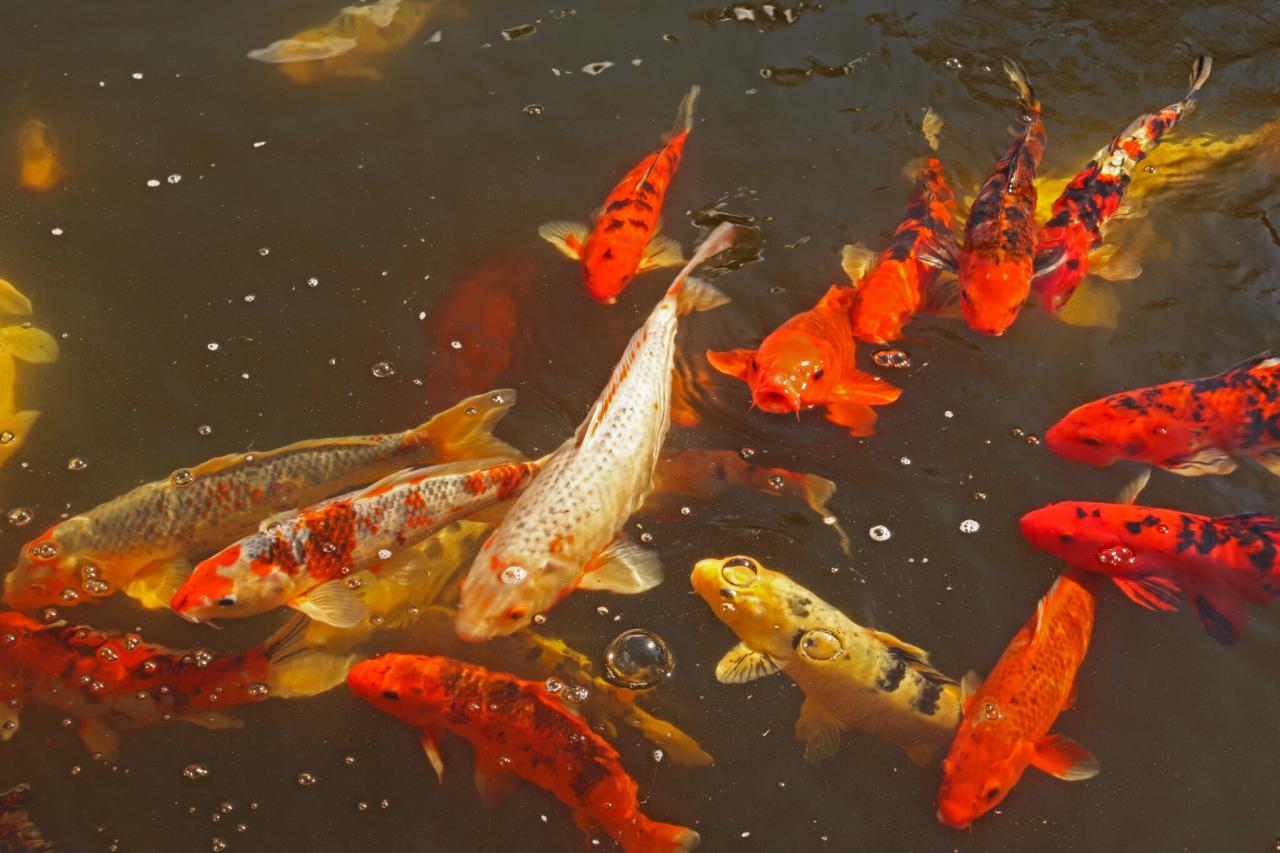
A koi pond liner serves as a foundational component in maintaining a healthy and aesthetically pleasing aquatic environment. Its primary role is to contain water securely within the pond, preventing leaks and ensuring the stability of the pond’s structure. A high-quality liner not only preserves the pond’s integrity but also contributes significantly to the overall health of the koi fish by maintaining consistent water conditions.
Choosing the appropriate liner material is crucial, as it directly impacts the durability, safety, and ease of maintenance of the pond. Properly maintained liners extend the lifespan of the pond and reduce costly repairs or replacements, ensuring a thriving habitat for koi and other aquatic life.
Materials Used for Koi Pond Liners and Their Benefits
Several materials are commonly used for koi pond liners, each offering unique advantages suited to different pond sizes, budgets, and environmental conditions. Understanding these materials helps pond owners make informed decisions for long-term pond health and performance.
Below are the most prevalent materials used in koi pond liners:
| Material | Description | Benefits |
|---|---|---|
| EPDM Rubber | Ethylene Propylene Diene Monomer (EPDM) is a synthetic rubber known for its flexibility and UV resistance. |
|
| PVC (Polyvinyl Chloride) | A versatile plastic material with a smooth surface, often reinforced with a polyester mesh. |
|
| HDPE (High-Density Polyethylene) | A hard-wearing plastic known for its robustness and chemical resistance. |
|
| Butyl Rubber | A flexible, self-adhesive rubber material often used for patching or repairs. |
|
Signs Indicating the Need to Replace a Koi Pond Liner
Monitoring the condition of the pond liner is essential in preventing water loss and maintaining a safe environment for koi. Recognizing early signs of wear or damage can save time and expenses associated with extensive repairs or pond failure.
Key indicators that a koi pond liner requires replacement include:
- Visible Tears or Holes: Physical damage such as rips, punctures, or tears may compromise water containment.
- Leakage and Water Loss: Unexplained water level drops despite no evaporation or weather-related causes point to liner seepage.
- Algae Growth or Discoloration: Unusual discoloration or excessive algae may indicate liner deterioration or the presence of cracks allowing nutrient infiltration.
- Degradation of Material: Brittle, cracked, or stiff liner surfaces often suggest aging or exposure to UV rays and chemicals.
- Frequent Repairs Needed: Repeated patching or patch failures signal that the liner’s integrity is compromised beyond simple repair.
Addressing these signs promptly ensures the pond remains a safe habitat for koi and prevents more extensive structural issues. Regular inspection and maintenance are vital in extending the lifespan of the pond liner and preserving the beauty and functionality of the pond ecosystem.
Preparing for the Replacement of a Koi Pond Liner
Replacing a koi pond liner is a meticulous process that requires careful preparation to ensure the safety of aquatic life and the longevity of the new liner. Proper planning includes safely draining the pond, removing fish and debris, and thoroughly inspecting the pond structure. Adequate preparation sets the foundation for a smooth and successful liner replacement, minimizing potential damage and ensuring a healthy environment for the koi and other aquatic inhabitants.Before beginning the replacement, it is crucial to establish a clear plan to manage pond water and fish safely.
This process involves systematic steps to minimize stress for the fish and prevent water quality issues that could harm the koi. Additionally, inspecting the pond structure helps identify any damage or areas that require repair before installing the new liner. Properly organized tools, materials, and safety equipment further facilitate an efficient and secure work environment.
Safely Draining and Removing Pond Water and Fish
Effective removal of pond water and fish is essential to prevent stress, injury, or death of aquatic life during liner replacement. The process begins with turning off all pond equipment, such as pumps and filters, to avoid damage or malfunction. Using a submersible pump or a siphon system allows for controlled draining of the pond water into suitable containers or a designated drainage area.
It is important to monitor water levels regularly to prevent over-draining and ensure that the pond retains enough water to keep the fish safe during the process.Once the water level has been lowered sufficiently, the fish should be carefully transferred to a temporary holding tank that mimics their natural environment as closely as possible. The holding tank must be filled with pond water to prevent shock, and aeration devices should be employed to maintain oxygen levels.
Handling the koi gently and minimizing their time out of water are critical to their health. Clear signage and barriers around the work area help prevent accidental injury to the fish or damage to the pond during the process.
Cleaning and Inspecting the Pond Structure
Thorough cleaning and inspection of the pond structure are vital steps before installing a new liner. Once the pond water and fish are safely relocated, the remaining debris, algae, and sediment must be carefully removed from the pond floor and walls. Using soft brushes and appropriate cleaning solutions prevents damage to the existing structure and prepares the surface for optimal liner adherence.Inspecting the pond’s structural integrity involves checking for cracks, leaks, or deterioration in the pond lining or walls.
Any damages or weak points should be repaired before laying the new liner to prevent future issues. This process may include sealing small cracks with waterproof epoxy or replacing damaged sections of the existing structure. Employing a mirror or flashlight can help identify hidden damages, especially in low-light areas or corners. The goal is to create a clean, smooth, and stable surface that will support the new liner and ensure its long-term durability.
Tools, Materials, and Safety Equipment Checklist
Preparation for liner replacement requires organizing all necessary tools, materials, and safety gear to streamline the process and protect workers. A comprehensive checklist includes:
Tools
- Submersible or utility pump
- Siphon hoses and extension cords
- Soft-bristled brushes and scrapers
- Shovels and rakes for debris removal
- Measuring tape and marker for measurements
- Utility knife or scissors for liner cutting
- Level and straightedge for ensuring proper liner placement
- Pressure washer (optional) for cleaning pond walls
Materials
- New pond liner material (EPDM, PVC, or similar)
- Waterproof sealants or patch kits
- Sand or underlayment fabric for liner protection
- Replacement pond components (if needed)
- Temporary holding containers for fish
Safety Equipment
- Protective gloves to prevent cuts and chemical exposure
- Goggles or safety glasses to shield eyes from debris
- Respirator or mask when using cleaning chemicals or working in dusty conditions
- Waders or waterproof boots for working in or around water
- First aid kit for emergency situations
Using this organized approach ensures that the liner replacement process is conducted efficiently, safely, and with minimal stress to the aquatic ecosystem. Proper preparation ultimately contributes to a healthier pond environment and extends the lifespan of the new liner.
Removing the Old Pond Liner
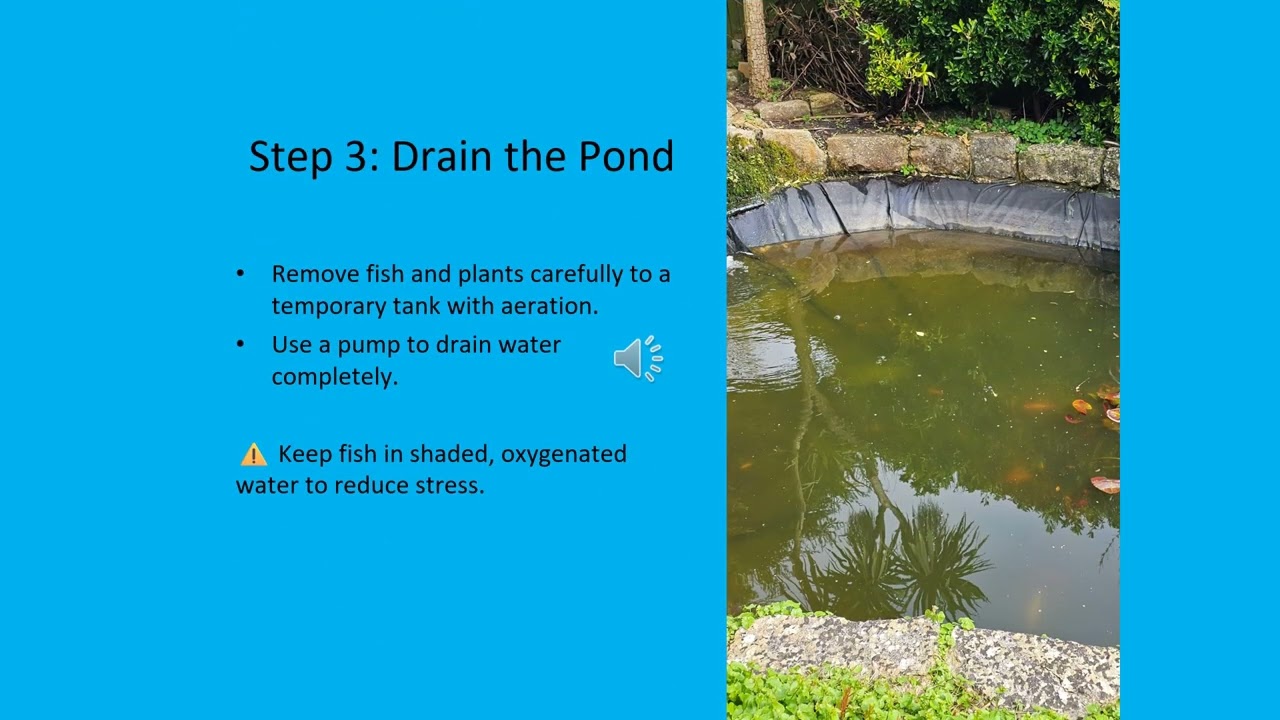
Removing the old pond liner is a critical step in the process of replacing your koi pond liner. Proper removal ensures the integrity of the pond structure remains intact and prepares the space for the installation of a new liner. Careful handling during this phase minimizes damage to the underlying pond components and facilitates a smoother transition to the new liner.
As the old liner is typically worn, brittle, or potentially compromised, it is essential to approach removal with patience and caution. This process involves systematically peeling away or cutting the liner without disturbing the pond’s foundation, ensuring the structural elements are preserved for the new liner installation. Additionally, proper disposal of the old liner materials is important for environmental safety and site cleanliness.
During removal, inspecting the pond’s underlying structure also provides an opportunity to identify any repairs or modifications needed before proceeding with the replacement.
Procedures for Removing the Old Pond Liner
Removing an existing pond liner requires strategic planning and gentle techniques to prevent damage to the pond’s structural elements such as the liner walls, bottom, or any surrounding features. The following procedures help facilitate a safe and effective removal:
- Drain the pond completely to reduce water pressure on the liner, making it easier and safer to handle. Use a submersible pump or siphon to evacuate the water efficiently.
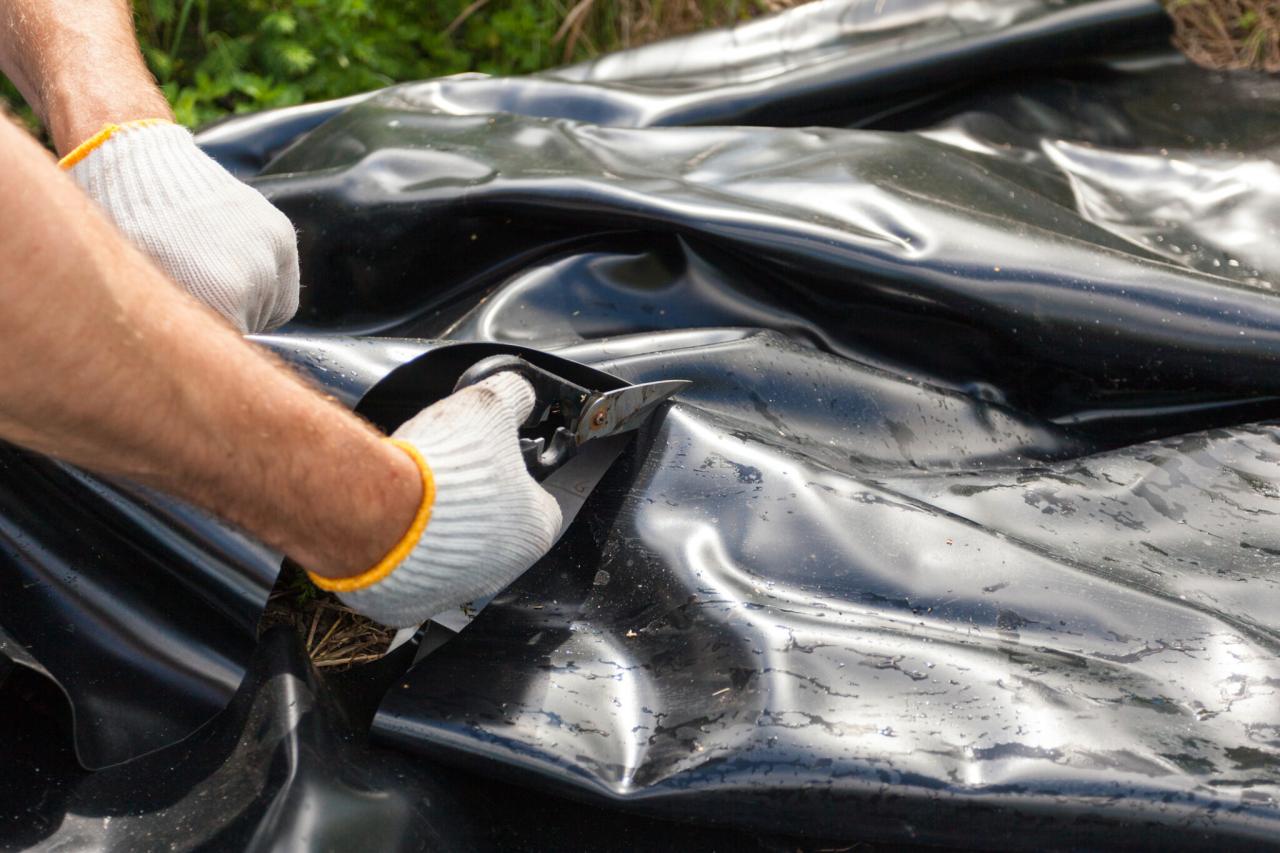
- Begin peeling the liner from one edge, preferably starting at a corner or an accessible section. Use gloves to protect your hands and ensure a firm grip. If the liner is adhered strongly, carefully cut it with sharp scissors or a utility knife, taking care not to puncture the pond’s base or walls.
- Work slowly around the pond perimeter, gradually loosening the liner and rolling it inward as you go. For larger ponds, enlisting assistance can help manage the material safely.
- In cases where the liner is glued or sealed with adhesive, gently cut through these areas to detach the liner without disturbing the structural surfaces underneath.
- Use a flat tool, such as a plastic scraper, to lift and remove stubborn sections without scratching or damaging the pond’s surface.
Disposal and Assessment During Removal
Proper disposal of the old liner is integral to maintaining an environmentally responsible approach. Many pond liners are made from PVC, EPDM, or other synthetic materials that can be recycled or disposed of according to local regulations. Check with your waste management services or recycling centers on suitable disposal methods, which may include cutting the liner into manageable sections for curbside pickup or specialized recycling facilities.Assessing the pond’s underlying structure during the removal process provides valuable insights into the condition of the pond.
Inspect for any signs of erosion, cracks, or weaknesses in the bottom or sides, and note areas that may require reinforcement or repair before installing the new liner. This step ensures the longevity and stability of the pond after the liner replacement, helping to prevent future issues related to structural integrity or leaks.
Proper removal of the old pond liner not only prepares your pond for a successful upgrade but also plays a vital role in maintaining the overall health and stability of your koi habitat.
Selecting a New Koi Pond Liner
Choosing the appropriate pond liner is a crucial step in ensuring the longevity and health of your koi pond. The right liner not only provides a waterproof barrier but also withstands environmental factors, maintains its integrity over time, and fits within your budget. Understanding the different types of liners available and how to measure your pond accurately will help you make an informed decision tailored to your pond’s specific needs.
When selecting a pond liner, it is essential to consider factors such as durability, flexibility, UV resistance, and overall cost. Each liner type offers unique advantages and potential limitations. A well-chosen liner enhances pond aesthetics, supports healthy koi cultivation, and reduces the need for future repairs, contributing to a sustainable pond environment.
Comparison of Different Koi Pond Liner Types
Below is a comprehensive comparison table highlighting four common liner materials used in koi ponds. The table details their key characteristics, helping pond owners to evaluate which option aligns best with their requirements and budget.
| Liner Type | Durability | Flexibility | UV Resistance | Cost |
|---|---|---|---|---|
| EPDM (Ethylene Propylene Diene Monomer) | High; resistant to cracking and ozone damage, lasts 20-30 years | Very flexible; conforms easily to pond contours | Excellent UV resistance, suitable for outdoor exposure | Moderate to high; durable but slightly pricier |
| PVC (Polyvinyl Chloride) | Moderate; lifespan around 10-15 years, susceptible to cracking over time | Moderately flexible; can be stiff in cold weather | Good UV resistance, but quality varies by formulation | Generally lower cost, making it budget-friendly |
| Butyl | Very durable; lifespan approximately 20-25 years | Flexible; similar to EPDM in conforming to pond shapes | Excellent UV and ozone resistance | Higher cost; considered premium material |
| Polypropylene | Moderate; lifespan around 10-15 years with proper care | Less flexible; suitable for smaller or simple pond designs | Moderate; less UV resistant than EPDM or Butyl | Affordable; good for budget-conscious installations |
When choosing a liner, consider the specific needs of your pond environment. For example, if the pond is exposed to direct sunlight, UV-resistant liners like EPDM or Butyl are advisable. For larger ponds with irregular shapes, flexible liners that conform easily, such as EPDM or Butyl, provide better coverage and reduce installation issues. Cost considerations should balance long-term durability, as investing in a higher-quality liner can reduce replacement frequency and maintenance efforts.
Measuring Pond Dimensions Accurately
Proper measurements are fundamental to selecting a liner that fits perfectly, avoiding unnecessary waste or inadequate coverage. Accurate measurement involves determining the length, width, and maximum depth of your pond, including any slopes or irregularities. Additionally, it is recommended to add a margin—typically 1-2 feet—to each dimension to accommodate overlaps and ensure complete coverage.
To measure your pond effectively, follow these guidelines:
- Use a long measuring tape or a marked rope for large ponds to measure the length from one rim to the opposite side, ensuring the tape follows the pond’s natural contours.
- Measure the width at the widest point perpendicular to the length.
- Determine the maximum depth at multiple points, especially if the pond has slopes, to capture the deepest area accurately.
- Calculate the total liner size by multiplying the length and width for surface coverage and adding extra for sloping sides and overlaps. For sloped bottom, consider measuring the length along the slope to ensure the liner can accommodate the incline.
- Use these measurements to create a detailed drawing or sketch of your pond, noting the deepest points and irregularities for precise liner planning.
Accurate measurement ensures your new liner provides full coverage, preventing leaks and supporting a stable aquatic environment. It also simplifies installation, reducing the need for adjustments or replacements later on.
Installing the New Pond Liner
Proper installation of the new koi pond liner is vital for ensuring the longevity and integrity of your pond. A carefully laid-out liner prevents leaks, reduces the risk of wrinkles and air pockets, and creates a smooth, natural appearance. This process requires patience, attention to detail, and understanding of best practices to achieve professional results.
During installation, meticulous attention to the positioning, securing, and sealing of the liner is essential. Implementing precise techniques helps prevent future issues such as tearing, shifting, or water leakage. Below are detailed steps and methods to guide you through a successful installation process.
Laying Out and Positioning the New Liner
Properly laying out and positioning the new liner sets the foundation for a seamless installation. The goal is to spread the liner across the pond area in a manner that accommodates the shape and depth, while minimizing folds and wrinkles.
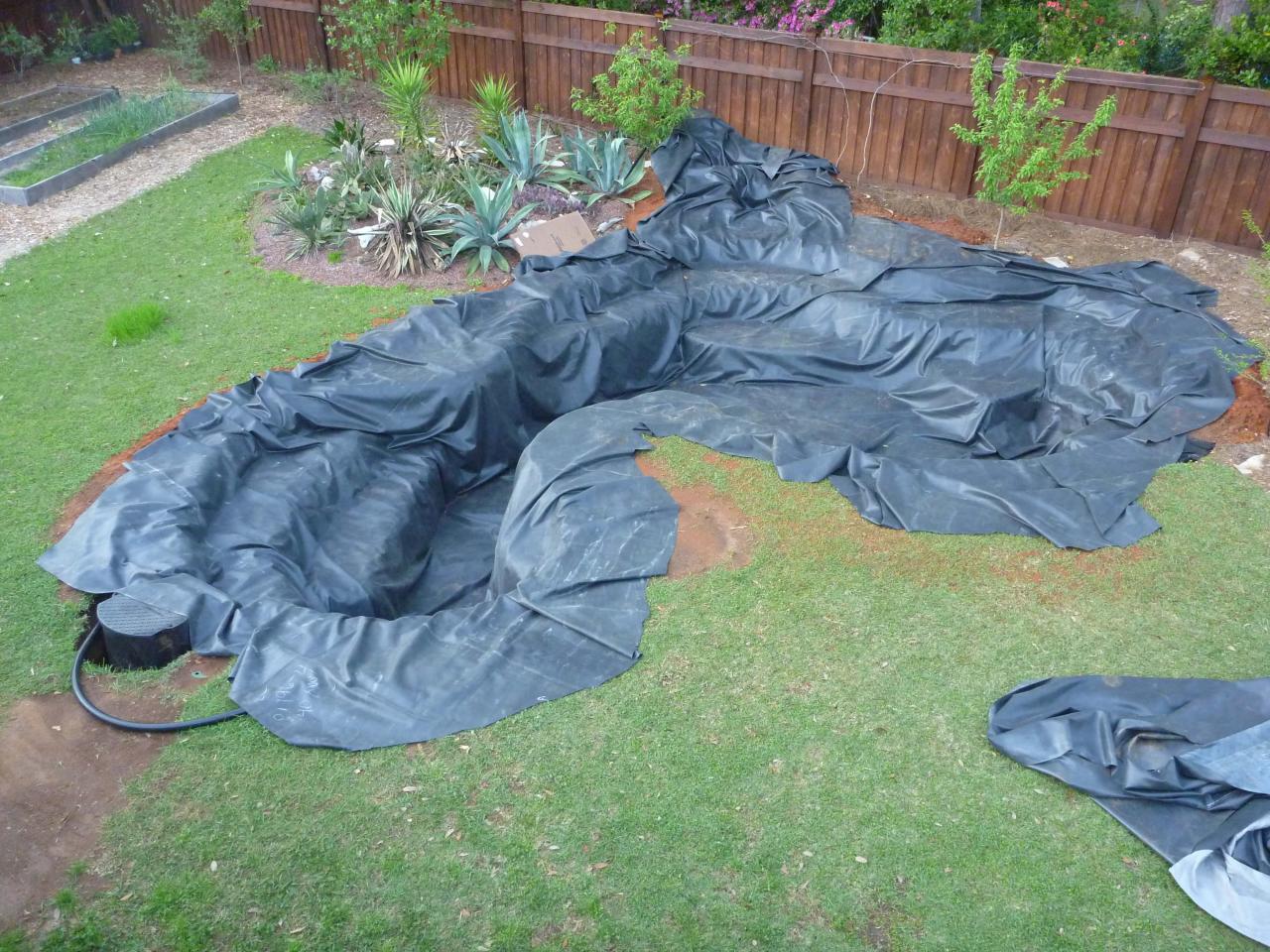
Begin by unfurling the liner near the pond site, ensuring it is free of kinks or twists. Gently spread the liner outward, aligning it with the pond’s contours. It is recommended to leave an excess margin—typically 12 to 18 inches—around the pond edges to facilitate securing and sealing.
As you position the liner, smooth out any major creases or folds. It can be helpful to work from the center outward, gradually adjusting the liner to fit the pond’s shape. For larger or irregularly shaped ponds, laying the liner in sections and overlapping as needed can simplify the process.
Avoiding Air Pockets and Wrinkles
Air pockets and wrinkles can compromise the pond’s structure, leading to premature liner failure or unsightly appearance. Implementing specific techniques during installation helps prevent these issues, ensuring a smooth and durable surface.
To minimize air pockets, gently push air bubbles toward the edges as the liner is laid out. Using a soft broom or a roller, smooth the liner in a consistent, outward direction. Working slowly and methodically allows trapped air to escape naturally, preventing it from forming stubborn pockets.
Always maintain gentle pressure during smoothing to avoid stretching or damaging the liner.
For wrinkles, identify their locations early and carefully massage or pull them out toward the edges. In some cases, minor wrinkles can be flattened by applying additional weight or by adjusting the liner’s position slightly. It is crucial to avoid stretching the liner excessively, which could weaken its material.
Securing Edges and Sealing Joints
Securing the liner edges and sealing joints effectively ensures the pond remains waterproof and structurally sound over time. Proper edge securing prevents shifting, while a tight seal avoids leaks at joints or overlaps.
Start by anchoring the edges of the liner around the perimeter of the pond using weights, rocks, or specialized clips. These should be placed at regular intervals to hold the liner firmly in place. For additional security, bury the edges beneath a layer of soil, gravel, or decorative stone, which also enhances the pond’s aesthetic.
When overlapping multiple sections of liner, ensure a minimum overlap of 12 inches. Use high-quality pond seam tape or a marine adhesive designed for pond liners to seal the joints. Apply the sealant evenly along the overlap, pressing firmly to eliminate air gaps. For seams, a heat welding tool can be employed where compatible, providing a seamless and durable bond.
Visual aids or diagrams typically illustrate the following procedures:
- Positioning the liner with ample excess around edges
- Smoothing techniques to eliminate air pockets and wrinkles
- Securing edges with weights or natural materials
- Applying seam tape or sealant along overlaps or joints
These diagrams serve as valuable references, highlighting proper techniques and ensuring that each step adheres to best practices for a long-lasting pond liner installation.
Finalizing the Replacement Process
Once the new liner has been carefully installed and inspected, the final steps involve gradually refilling the pond, thoroughly checking for any issues, and safely reintroducing the koi fish to their refreshed environment. These steps are essential to ensure the longevity of the liner and the health of the pond ecosystem, providing a stable habitat for your koi for years to come.Refilling the pond should be done gradually to ensure the liner remains properly positioned and to prevent any shifting or tearing.
It also allows the surrounding soil and liner to settle naturally, minimizing the risk of air pockets or wrinkles forming. During this process, it is important to monitor the liner closely, especially along the edges, to confirm that it stays aligned and secure.Inspecting the liner for leaks or damages after the pond has been filled is a critical step. This involves visually examining the entire surface of the liner for any punctures, tears, or areas where the liner might have shifted.
Conducting a water level test over several hours can help identify slow leaks—if the water level drops unexpectedly, a leak may be present. Using a gentle soap solution and a soft brush to scrub the liner can help reveal tiny holes or punctures by bubbling when the solution contacts the leak.Reintroducing koi fish into the pond requires careful preparation to prevent stress and shock.
The water temperature, pH levels, and overall water quality should match the conditions the fish are accustomed to, which may involve pre-conditioning the water for 24-48 hours before the transfer. It is advisable to acclimate the fish gradually by floating their transport containers in the pond for 15-20 minutes to equalize temperatures and adding small amounts of pond water to the container periodically.
Once acclimated, gently releasing the koi into the pond helps minimize stress and ensures their safe adaptation to the new environment, promoting their health and vitality.
Maintenance and Longevity of the New Liner
Ensuring the durability and optimal performance of your koi pond liner is essential for maintaining a healthy aquatic environment and maximizing its lifespan. Proper maintenance routines and timely inspections can prevent potential issues that may arise over time, saving both effort and costs associated with frequent replacements. By understanding the best practices for care and troubleshooting, pond owners can enjoy a beautiful, thriving koi pond for many years to come.A well-maintained liner not only preserves the aesthetic appeal of the pond but also safeguards the aquatic life within.
Regular inspections, aside from routine cleaning, play a crucial role in identifying early signs of wear or damage. Implementing proper care procedures helps extend the lifespan of the liner, ensuring the pond remains a safe habitat for koi and other pond inhabitants. Being proactive in maintenance also minimizes unexpected issues, ultimately leading to a more enjoyable and less stressful pond ownership experience.
Routine Inspection Methods to Monitor Liner Integrity
Consistent and thorough inspection of the pond liner is vital to detect any early signs of deterioration or damage. Regular visual checks should be performed, especially after severe weather events, to identify issues such as tears, punctures, or areas where the liner might be slipping or lifting. The following methods facilitate effective monitoring:
- Perform visual inspections at least once a month, focusing on high-traffic or exposed areas prone to wear.
- Check for exposed seams, wrinkles, or areas of pond liner thinning, which could indicate potential failure points.
- Monitor water levels and clarity; sudden drops or murky water may signal leaks or liner breaches.
- Use a telescopic mirror or a long-handled inspection pole to access hard-to-see sections, especially under rocks or plants.
- Conduct water testing for parameters such as pH and dissolved oxygen; anomalies may suggest underlying structural issues.
Periodic inspections help catch problems early, allowing for prompt intervention before significant damage or water loss occurs. Documenting inspection findings can also aid in tracking the liner’s condition over time.
Cleaning and Care Procedures to Extend Liner Lifespan
Proper cleaning routines and careful handling of pond accessories can significantly impact the longevity of your pond liner. Accumulated debris and algae, if left unmanaged, can exert unnecessary stress on the liner material. The following care procedures support a healthy pond environment and preserve the integrity of the liner:
- Remove debris such as fallen leaves, twigs, and algae regularly, especially during seasonal changes or after storms.
- Use gentle cleaning tools such as soft brushes or sponge pads to avoid scratching or puncturing the liner surface.
- Avoid using harsh chemicals or detergents that may degrade the liner material or contaminate pond water.
- Maintain healthy aquatic plants and filtration systems to naturally control algae growth and water quality.
- Ensure that pond edges are stabilized with natural barriers like rocks or vegetation to prevent liner erosion from physical contact or shifting.
Adhering to these care procedures helps prevent damage and maintains a clean, balanced pond environment, which in turn supports the longevity of the liner.
Common Issues and Troubleshooting Tips for Liner Replacement Success
Despite careful installation and maintenance, certain common issues may arise over the lifespan of a pond liner. Recognizing potential problems early and applying appropriate troubleshooting techniques can ensure the continued health of your pond:
“Early detection of leaks or tears, combined with prompt repair, significantly extends the functional life of your pond liner.”
Some frequent concerns include punctures caused by sharp objects or roots, wrinkling due to improper installation, and UV degradation over time. Troubleshooting tips include:
- If a puncture or tear is identified, small leaks can often be repaired using specialized pond liner patches and adhesive designed for flexible materials.
- For wrinkles or folds, carefully drain the affected area and gently reposition the liner to eliminate slack, ensuring it lies flat against the pond surface.
- To prevent UV damage, consider installing a protective cover or shade over the pond, especially in areas with intense sunlight exposure.
- Inspect surrounding landscape features regularly to prevent roots or rocks from exerting pressure on the liner.
- Keep a supply of repair kits on hand, including patches, adhesives, and tools, for quick response to minor damages.
Implementing these troubleshooting strategies and routine checks can help maintain your pond liner’s integrity, ensuring a thriving koi pond environment for years to come.
Conclusion
In summary, successfully replacing your koi pond liner involves careful planning, precise measurement, and diligent installation practices. Regular maintenance afterward will extend the lifespan of the new liner and keep your pond thriving. With attention to detail and proper care, your pond can remain a beautiful and healthy environment for years to come.