Understanding how to repair koi pond leaks is essential for maintaining a healthy and thriving aquatic environment. Leaks can lead to water loss, stress for the koi, and potential structural damage if not addressed promptly. This guide offers comprehensive insights into identifying, repairing, and preventing leaks, ensuring your pond remains a beautiful and secure habitat for your koi fish.
From diagnosing common leak sources to selecting appropriate repair materials and implementing preventative measures, this information empowers pond owners to take confident and effective action. Whether dealing with liner tears, seam failures, or seepage points, understanding the best practices will help preserve the integrity and beauty of your pond for years to come.
Understanding Koi Pond Leaks
Leaking ponds can pose significant challenges to maintaining a healthy environment for koi fish. Recognizing the common causes of leaks and understanding how water loss occurs are essential steps toward effective repair and prevention. Ponds are intricate systems with multiple components, each potentially contributing to water loss if compromised. A thorough knowledge of these elements allows pond owners to identify issues early and implement targeted solutions, ensuring the longevity and stability of their aquatic habitat.
Water loss in koi ponds can stem from various sources, including physical damage to the liner, joints between pond components, or natural seepage through porous substrates. Identifying the precise location of a leak is critical for efficient repair. Common signs of leaks include unexplained water level drops, erosion of surrounding soil, wet spots around the pond perimeter, and increased maintenance costs due to water top-ups.
Differentiating between these signs and understanding their underlying causes facilitates prompt, accurate fixes that minimize stress on the koi and preserve the pond’s ecosystem.
Common Causes of Koi Pond Leaks
To effectively address leaks, it is important to understand the typical causes that lead to water escape from koi ponds. These causes range from physical damage to structural failures, each requiring specific inspection and repair methods.
- Liner Tears and Punctures: The pond liner, often made of EPDM, PVC, or rubber, is susceptible to tears caused by sharp objects, root intrusion, or UV degradation over time. These tears create holes through which water can escape, especially if not identified early.
- Joint Failures: Connections between pond components, such as skimmers, waterfalls, or liner seams, can weaken due to movement, improper sealing, or aging. Leaks often occur at these junctions, leading to localized water loss and potential structural issues.
- Seepage Through Porous Substrates: Natural materials like gravel, sand, or porous rock may allow water to escape if their permeability exceeds the pond’s water retention capacity. This type of seepage is often subtle, manifesting as gradual water level decline.
- Structural Cracks and Damage: Cracks in the pond shell or retaining walls, caused by ground shifting or freeze-thaw cycles, can lead to significant water loss if not repaired promptly.
- Evaporation and Splash Out: Although not technically leaks, high evaporation rates or water splashing out during waterfall operation or pond cleaning can be mistaken for leaks, necessitating proper assessment.
Water Loss Through Pond Components
Understanding how water can escape through different pond parts is key to diagnosing leaks accurately. Each component presents unique vulnerabilities that contribute to overall water loss.
- Liner: The primary barrier preventing water from seeping into the soil. Damage or degradation here is often the main leak source, especially in older ponds where liner material becomes brittle or develops tears.
- Joints and Seams: Areas where different materials or sections connect. These are weak points that can fail over time, especially if improperly sealed or subjected to movement.
- Inlet and Outlet Fittings: Connectors for pumps, filters, and other equipment. Poorly sealed or corroded fittings may develop leaks, leading to significant water loss.
- Waterfalls and Streams: Features that involve moving water can develop cracks, joint failures, or loose fittings, resulting in leaks or unintended water escape.
- Porous Substrate and Soil: The pond bed and surrounding soil may allow seepage, especially if the pond is built on or with permeable materials, leading to a slow but persistent water loss.
Leak Sources Comparison Table
| Leak Source | Typical Signs | Recommended Fixes |
|---|---|---|
| Liner Tears/Punctures | Sudden or gradual water level drop, wet patches on the liner, visible holes or rips | Patch with compatible liner patch kits, replace damaged sections if extensive, prevent future damage with protective mats |
| Joint Failures | Localized water loss at connections, water seeping from seams, uneven water levels around junctions | Reseal joints with high-quality pond sealant, replace worn or cracked fittings, reinforce with additional sealing materials |
| Seepage through Porous Soil | Gradual water level decline, soil around pond becoming damp, no visible liner damage | Install a double liner, add a layer of impermeable membrane, reinforce the pond bed with non-porous material |
| Cracks and Structural Damage | Visible cracks, uneven pond edges, sudden significant water loss | Fill cracks with appropriate concrete or sealant, reinforce structure with additional supports, consult professionals for large damages |
| Fittings and Equipment Leaks | Water dripping from pump or filter connections, spray or mist around fittings | Tighten fittings, replace damaged seals or fittings, use flexible sealants designed for pond use |
Detecting and Locating Leaks
Accurately identifying the location of a leak in your koi pond is a crucial step toward effective repair. Precise detection minimizes unnecessary disturbance and ensures targeted repairs, saving both time and resources. A systematic approach combining visual inspections, dye testing, water level monitoring, and specialized tools can significantly improve leak detection accuracy.
By employing multiple detection techniques, pond owners can pinpoint leaks with greater confidence. Whether dealing with minor seepage or substantial cracks, understanding how to methodically locate leaks ensures a more efficient repair process and restores the health of your pond ecosystem.
Visual Inspection, Dye Tests, and Water Level Tracking
Initial leak detection often begins with a thorough visual examination of the pond’s structure and surroundings. This process involves looking for obvious signs of damage, such as cracks, erosion, or displaced liner edges. Inspecting the pond’s liner, seams, and edges for discoloration or bulges can reveal potential leak points. Environmental factors like nearby tree roots or animal activity may also contribute to leak development, so these should be considered during inspection.
Complementing visual assessments, dye testing provides a straightforward and effective method for locating leaks underwater. This involves introducing a non-toxic, water-soluble dye into the pond at suspected leak areas. A careful observation of water movement and dye dispersion can reveal where water escapes the pond. It’s advisable to perform dye tests in calm weather or during early morning hours to enhance visibility of dye flow patterns.
Monitoring water levels over time is another vital technique. By recording the pond’s water level daily at the same time, pond owners can identify consistent drops that indicate leaks. To improve accuracy, use a marked stick or a transparent ruler mounted on the pond’s edge to track water height reliably. Tracking water levels over several days, especially during periods of minimal evaporation and rainfall, can help confirm the presence and severity of leaks, guiding targeted detection efforts.
Sound Detection Devices and Techniques
Advanced methods involve the use of sound detection devices, which can locate leaks based on the sound emissions generated by escaping water. Underwater listening devices or hydrophones are highly effective in detecting the distinct sounds created by water leaks beneath the pond’s surface. These devices amplify the sound waves, allowing technicians to pinpoint leak locations with increased precision. When using sound detection, it’s important to conduct the search during quiet conditions, ideally at night or early morning, to minimize background noise interference.
Another technique involves listening for hissing or dripping sounds while gently tapping or applying pressure to suspected areas of the pond’s liner or structure. Professionals often use stethoscopes or electronic leak detectors to discern subtle sounds that indicate water escaping through tiny cracks or holes. This method requires patience and experience but can be especially useful in locating small or hidden leaks that visual inspections might overlook.
For precise underwater leak identification, specialized equipment such as ultrasonic leak detectors or acoustic cameras may be employed. These tools utilize high-frequency sound waves to detect the specific signatures of leaking water. When integrated with visual inspection and dye testing, sound detection significantly enhances the accuracy of leak localization efforts.
Tools and Materials Necessary for Leak Detection
Having the proper tools and materials ready facilitates a smooth and effective leak detection process. The following list Artikels essential equipment needed to identify leaks in a koi pond:
| Tools and Materials | Purpose |
|---|---|
| Water-resistant flashlight | Illuminates underwater and dark areas for visual inspection |
| Non-toxic dye (e.g., food coloring or pond dye) | Reveals water flow paths during dye testing |
| Measuring ruler or marked stick | Tracks water level changes accurately |
| Hydrophone or acoustic leak detector | Detects sound emissions from leaks underwater |
| Electronic leak detection device (optional) | Pinpoints leaks based on ultrasonic or acoustic signals |
| Garden sprayer or syringe | Applies dye precisely to suspected leak sites |
| Water level log sheet or digital device | Records water level measurements over time |
| Safety gloves and protective eyewear | Ensures safety during inspection and dye application |
Equipping yourself with these tools and materials ensures thorough and effective leak detection, helping to quickly identify problem areas for targeted repair efforts.
Preparing the Pond for Repair
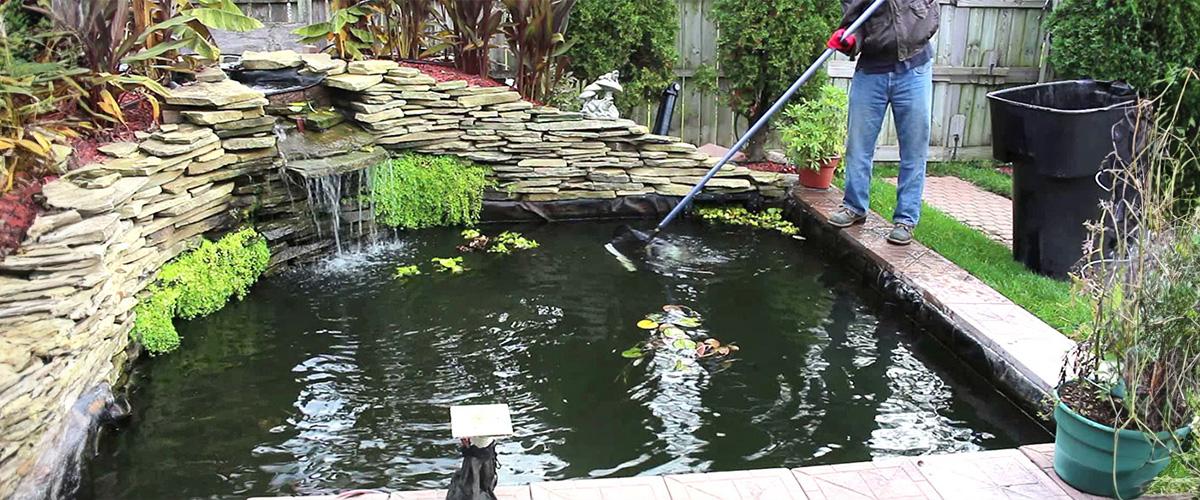
Proper preparation of your koi pond before initiating repairs is essential to ensure safety, accessibility, and effective sealing of leaks. This process involves carefully draining the water to expose the damaged areas, thoroughly cleaning the pond surface and surrounding environment, and following safety protocols to protect yourself and your aquatic life during the repair operation. Adequate preparation minimizes the risk of further damage and facilitates a smooth repair process, ultimately contributing to the longevity and health of your koi pond.
Executing these preparatory steps with attention to detail sets the foundation for a successful leak repair, enabling you to address the problem efficiently while safeguarding both your pond ecosystem and your personal well-being.
Draining or Partial Draining to Access Leak Areas
To effectively repair leaks in a koi pond, it is often necessary to lower the water level temporarily. This allows unobstructed access to areas where leaks are suspected or confirmed. The method of draining depends on the size and design of the pond, as well as the severity and location of the leak.
Begin by evaluating whether a complete drain or partial drain will suffice. For minor leaks or localized damage, partial draining is usually sufficient and reduces stress on aquatic life and surrounding vegetation. For larger or multiple leaks, a complete drain may be necessary to ensure full access and successful repairs.
When draining, ensure the process is gradual to avoid disturbing the pond’s ecosystem or causing structural stress. Use appropriate pumps designed for pond water removal, and direct the water to a suitable area that does not cause erosion or environmental issues. During draining, keep the pond environment monitored to prevent harm to any remaining aquatic life or beneficial bacteria that aid in biological filtration.
Cleaning the Pond Surface and Surrounding Area
Prior to applying any repair materials, a clean and debris-free surface is critical for optimal adhesion and sealing. Remove algae, dirt, debris, and any loose pond liner material from the affected area, as well as the surrounding vicinity. This ensures that repair compounds bond properly and prevents contaminants from compromising the repair.
Begin with gentle removal of algae and biofilm using non-abrasive tools or soft brushes to avoid damaging the pond liner or substrate. Next, clear away any accumulated sediment or debris with a pond vacuum or scooping tools. If there are any protruding roots or sharp objects near the leak, carefully trim or remove them to avoid interference with the repair process.
Additionally, inspect the area for any signs of deterioration or additional damage that may require attention. After cleaning, rinse the surface with clean water and allow it to dry thoroughly. A dry, clean surface ensures that patching compounds or sealants adhere effectively, providing a durable repair.
Safety Precautions and Protective Gear
Engaging in pond repairs involves potential hazards, including exposure to chemicals, sharp tools, and electrical equipment. Implementing safety measures protects both the individual performing the repair and the aquatic environment.
Before starting, gather and utilize appropriate protective gear, including:
- Gloves: To protect hands from chemical contact, cuts, and abrasions.
- Safety goggles: To shield eyes from splashes, debris, and chemical fumes.
- Respirator or mask: Especially important if applying sealants or working with fumes that may be harmful when inhaled.
- Protective clothing: Long sleeves and pants to prevent skin irritation or contact with chemicals.
- Non-slip footwear: To prevent slips and falls around wet surfaces.
Additional safety precautions include ensuring adequate ventilation when working with chemicals, turning off electrical equipment near water, and handling tools carefully to prevent injuries. Always read and follow manufacturer instructions for repair products and chemicals, and keep a first aid kit readily available in case of accidents. Following these safety guidelines helps ensure a secure and efficient repair process, safeguarding both your health and the pond’s ecosystem.
Repairing Different Types of Pond Leaks
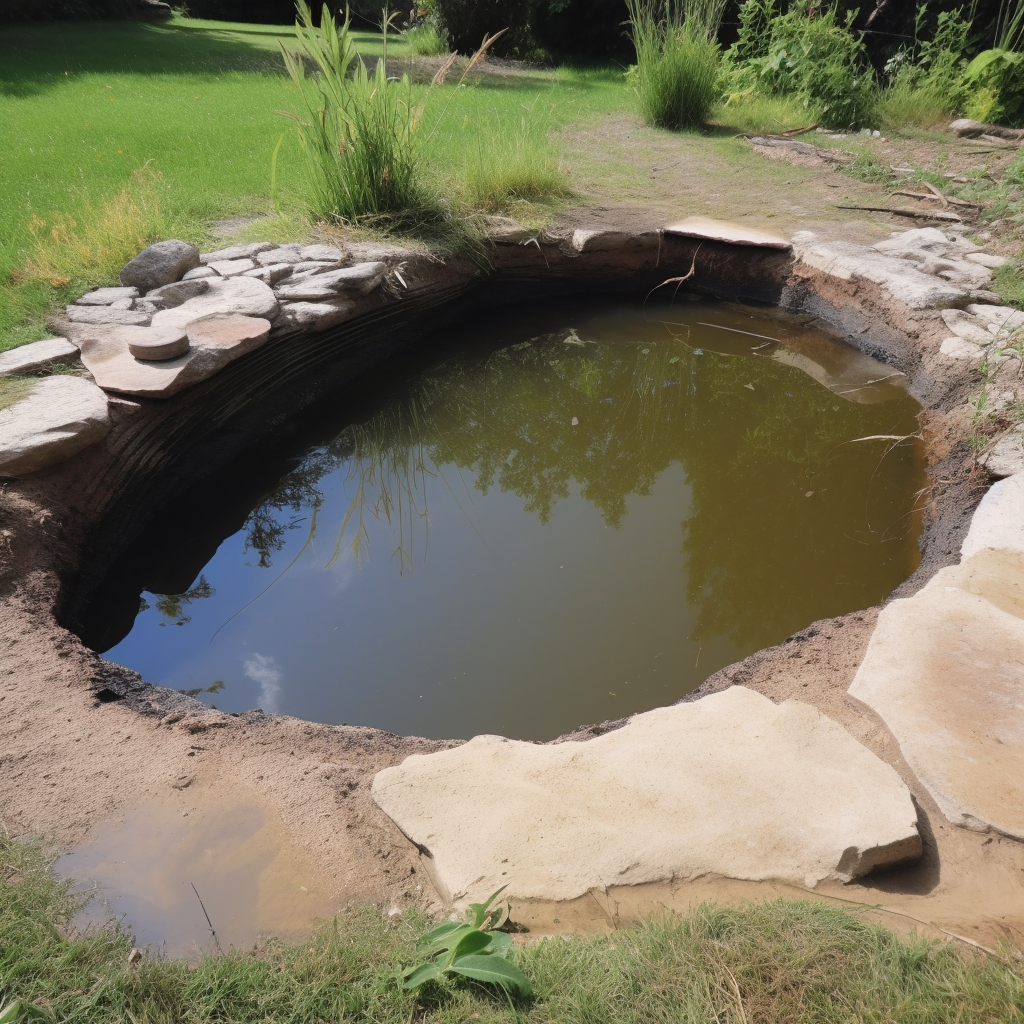
Effectively repairing pond leaks requires understanding the nature of the damage and selecting appropriate methods and materials. Whether dealing with liner tears, seam leaks, or aged sections, tailored repair strategies help restore the integrity of the pond and prevent further water loss. Using the correct techniques not only prolongs the lifespan of the pond but also ensures a safe environment for koi fish and aquatic plants.
Different types of leaks demand specific repair solutions. From patching tears to reinforcing or replacing sections of the liner, each approach involves unique materials and procedures that must be executed carefully to achieve a durable fix. Familiarity with these repair options allows pond owners and technicians to address issues efficiently and effectively.
Patching Liner Tears
Patching tears in pond liners is a common repair task that requires selecting suitable patch materials and applying them properly. The goal is to create a seamless, watertight patch that withstands pond conditions and prevents future leaks.
- Patch Material Options: Common patch materials include flexible pond liner patches made from compatible PVC or rubber, epoxy-based repair compounds, or specialized patch kits designed specifically for pond use. These materials are chosen based on the liner type, size of the tear, and water exposure conditions.
- Application Techniques: Prepare the affected area by draining the pond or isolating the leak zone, then clean the surface thoroughly to remove dirt, algae, or debris. Cut the patch material to extend at least 2-3 inches beyond the tear edges for a secure bond. Apply a compatible adhesive or sealant evenly on the patch and the tear edges, pressing firmly to eliminate air bubbles.
Allow sufficient curing time as per manufacturer instructions before refilling the pond.
Sealing Seams and Joints
Seams and joints in pond liners are often weak points that develop leaks over time due to movement, temperature fluctuations, or improper installation. Proper sealing ensures the longevity of the liner and prevents water from escaping through these vulnerable areas.
Sealants and specialized seam tapes are essential tools in this repair process. They create a flexible, waterproof barrier that maintains integrity despite pond dynamics.
- Drain enough water to expose the seams and joints for inspection and repair.
- Clean the seam surface meticulously, removing any algae, dirt, or old sealant residues.
- Apply a high-quality pond sealant or seam tape designed for flexible liners, ensuring even coverage over the entire seam length.
- Press the sealant or tape firmly to eliminate air pockets and ensure adhesion.
- Allow the sealant to cure fully before refilling the pond, following manufacturer-specific drying times.
Reinforcing or Replacing Aged Liners
Over time, pond liners may degrade due to UV exposure, weathering, or chemical interactions, leading to leaks or compromised structural integrity. Reinforcing or replacing sections of the liner can restore leak-proof performance and extend the pond’s lifespan.
Reinforcement involves adding additional material to strengthen weak areas, while replacement entails removing old sections and installing new liner material. The process must be meticulous to ensure watertight results.
- Drain the pond and carefully remove any water and debris from the area requiring reinforcement or replacement.
- Identify the damaged or aged sections, and cut the liner cleanly along the edges for a seamless fit.
- If reinforcing, cut a patch piece larger than the damaged area, and adhere it over the section using compatible waterproof adhesive or sealant, ensuring full coverage of the compromised zone.
- For replacement, prepare a new liner piece with adequate overlap on all sides, and secure it using appropriate adhesive, seam sealants, or mechanical fasteners where applicable.
- Allow adequate curing time before refilling, and check for stability and leak-proof performance.
Comparison of Repair Materials
Choosing the right repair material is crucial for durable pond leak repairs. Different materials offer various advantages and limitations depending on the specific repair scenario.
| Material | Pros | Cons |
|---|---|---|
| Epoxy |
|
|
| Pond Liner Patches |
|
|
| Sealants |
|
|
Preventative Maintenance Post-Repair
Effective maintenance practices are essential to preserve the integrity of your koi pond and prevent future leaks after repairs have been completed. Regular attention to the pond’s structure, liner, and surrounding environment can significantly extend the lifespan of your pond and minimize costly repairs in the future. Implementing a consistent maintenance routine not only safeguards your investment but also ensures a healthy environment for your koi and aquatic plants.Maintaining pond integrity involves proactive inspection, timely intervention, and structural reinforcement.
By adopting best practices, pond owners can identify minor issues early, address potential vulnerabilities, and reinforce the pond’s structure to withstand environmental stresses. Proper maintenance also promotes water quality, reduces the risk of new leaks, and supports a thriving aquatic ecosystem.
Routine Inspection Schedules and Signs of Developing Leaks
Regular inspections are the cornerstone of effective preventative maintenance. Establishing a structured schedule allows pond owners to monitor the condition of the pond consistently and act swiftly upon detecting signs of potential leaks.An ideal inspection routine should occur weekly during peak seasons and at least bi-monthly during off-peak times. During these inspections, focus on:
- Visual examination of the pond liner for tears, wrinkles, or exposed edges.
- Checking the water level and comparing it to the established baseline; unexplained drops may indicate leaks.
- Assessing the condition of the pond’s edges, seams, and accessories such as skimmers and filters for deterioration or damage.
- Monitoring water clarity and quality, as cloudy or murky water can signal underlying structural issues or leaks.
Signs that indicate the development of leaks include:
Consistent water loss beyond evaporation rates, damp or muddy areas around the pond perimeter, or increased algae growth can all be indicators of leaks or structural weaknesses.
Early detection of these signs allows for prompt action, potentially preventing more extensive damage and costly repairs.
Tips for Reinforcing Pond Structure and Ensuring Proper Installation
Strengthening the pond’s structure is vital for long-term durability and leak prevention. Proper installation techniques and reinforcement strategies help maintain the pond’s integrity against environmental pressures such as soil shifts, root intrusion, and weather extremes.Key reinforcement tips include:
- Use Quality Liners: Select high-quality, durable pond liners such as EPDM or reinforced PVC, which offer flexibility and resistance to UV rays, punctures, and tears.
- Protect the Liner: Install a layer of protective underlayment beneath the liner to cushion against sharp rocks, roots, and other abrasive materials that could cause punctures over time.
- Secure Edging and Seams: Properly secure and seal all edges and seams using compatible adhesives or welding techniques, ensuring water-tight joints that withstand pond movement and temperature fluctuations.
- Reinforce Critical Areas: Use additional layers or patches in high-stress zones, such as corners or where the liner overlaps with structures, to enhance durability.
- Proper Excavation and Bedding: Excavate with precision to create a stable base, and ensure the substrate is free of sharp objects and large stones that could compromise the liner.
- Maintain Surrounding Vegetation: Control plant growth near the pond perimeter to prevent roots from penetrating the liner or causing structural shifts.
Adhering to these best practices during installation and ongoing reinforcement helps ensure the pond remains leak-resistant and structurally sound. Regularly inspecting and maintaining these reinforcement measures can significantly extend the lifespan of your koi pond, fostering a healthy habitat for your aquatic life for years to come.
Troubleshooting Persistent Leak Issues
Despite diligent repair efforts, some koi pond leaks can reoccur, posing ongoing challenges for pond maintenance and aquatic health. Persistent leaks may stem from underlying issues that are not immediately apparent or from inadequate initial repairs. Addressing these recurrent problems requires systematic troubleshooting, advanced intervention techniques, and sometimes professional expertise to ensure the pond remains watertight and healthy for its inhabitants.
Effective troubleshooting hinges on a thorough understanding of the common causes of stubborn leaks and the implementation of targeted solutions. Recognizing the difference between surface leaks, structural cracks, and seepage through porous materials is crucial. This section presents a structured approach to diagnosing persistent leaks and explores advanced repair methods that can resolve even the most stubborn issues.
Systematic Troubleshooting Steps for Recurrent Leaks
When a koi pond continues to lose water after an initial repair, it is essential to follow a logical sequence of diagnostic steps. These steps help identify the root cause of the problem and determine the most appropriate corrective action, reducing the risk of repeated failures.
- Confirm the Leak Location – Reassess the pond to verify the original leak site using methods such as dye testing, pressure testing, or listening for hissing sounds. Sometimes, the initial repair may have only addressed a symptom rather than the root cause.
- Inspect Repair Areas Thoroughly – Examine patches, seams, and repair patches for signs of deterioration, cracks, or improper adhesion. Ensure that all repair materials are compatible with pond conditions and that surfaces are properly prepared before application.
- Check for Hidden or Secondary Leaks – Leaks may migrate or be located in less obvious areas, such as under liners, behind rocks, or near fittings and pipes. Use visualization techniques, like under-water flashlights or dye tests, to identify elusive leak points.
- Evaluate Water Sources and Loss Patterns – Analyze water loss rates and patterns to differentiate between leaks and evaporation. Sudden drops in water level often indicate leaks, whereas gradual loss may suggest evaporation or transpiration.
- Review Recent Changes or Repairs – Consider recent modifications, additions, or repairs that might have inadvertently compromised the pond’s integrity.
Advanced Repair Techniques and Professional Interventions
For leaks that persist despite conventional repair efforts, employing advanced techniques or engaging professional services becomes necessary. These approaches are designed to address complex structural issues and ensure long-term pond integrity.
- Using Epoxy or Sealant Resins – High-quality, pond-safe epoxy resins can be applied to seal cracks in concrete or other hard surfaces. When properly cured, these resins create a durable, waterproof barrier, especially effective for structural cracks that are difficult to repair with standard patching materials.
- Hydro-jetting or Underwater Welding – For severe cracks or leaks in reinforced concrete structures, professional hydro-jetting can remove debris and prepare surfaces for repair. Underwater welding, conducted by specialized technicians, can fuse cracks in metal or concrete, restoring structural integrity.
- Replacing or Lining the Pond with Flexible Liners – In cases where original liners are compromised or porous, professionals may recommend installing a new high-grade flexible liner, such as EPDM or PVC, ensuring a seamless, long-lasting seal. This approach often involves removing existing liners, repairing underlying structures, and precise liner placement.
- Structural Reinforcement – For persistent leaks caused by shifting or settling of pond structures, reinforcing walls with additional concrete, steel supports, or geogrid materials can stabilize the pond structure and eliminate leak paths.
Flowchart for Leak Scenario and Solution Guide
| Leak Scenario | Diagnostic Step | Possible Cause | Recommended Solution |
|---|---|---|---|
| Water drops rapidly after initial repair | Confirm leak site via dye test or visual inspection | Cracks or holes missed during initial repair | Reapply sealant, use epoxy for cracks, or replace liner if porous |
| Water loss is slow and intermittent | Check for evaporation vs. leak patterns | Minor seepage through porous materials or fittings | Apply pond-safe sealants around fittings, reinforce porous areas |
| Leaks occur in multiple locations | Inspect entire pond for structural weaknesses | Structural settling or widespread cracking | Engage professionals for structural reinforcement, liner replacement |
| Leak persists after patching | Consider advanced repair methods or professional intervention | Deep cracks, hidden leaks, or material failure | Use epoxy, hydro-jetting, or liner replacement by experts |
| Leak occurs near plumbing or fittings | Inspect all connections and fittings for leaks | Loose fittings, cracked pipes, or joint failures | Tighten fittings, replace damaged pipes, or reseal connections |
Conclusion
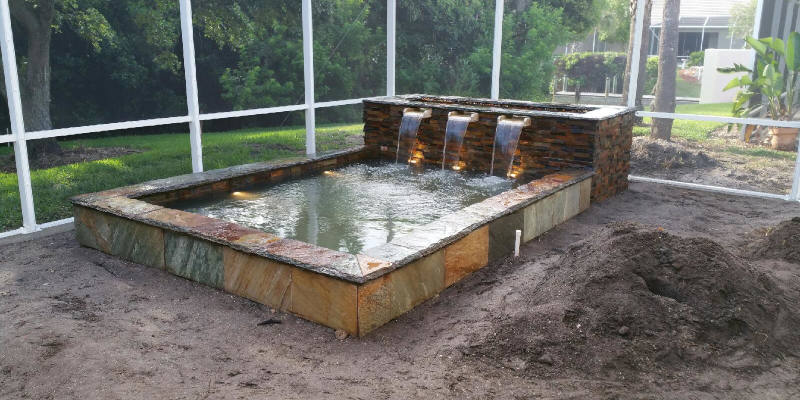
In conclusion, mastering the techniques for how to repair koi pond leaks is vital for preserving a healthy aquatic environment. Regular inspections and timely repairs can prevent minor issues from escalating into major problems, ensuring your pond remains a serene and resilient feature. By applying the right methods and maintenance strategies, you can enjoy a beautiful, leak-free pond that provides lasting enjoyment and benefits for your koi and ecosystem.