Learning how to raise baby koi fish is a rewarding journey that combines patience, careful planning, and attention to detail. From their delicate hatchling stages to their vibrant juvenile phase, understanding the developmental process is essential for ensuring their optimal growth.
This guide provides comprehensive insights into creating the ideal environment, proper feeding practices, water quality maintenance, and transitioning techniques. By following these structured steps, aspiring koi enthusiasts can cultivate healthy, thriving koi from the very beginning of their life cycle.
Understanding Baby Koi Fish
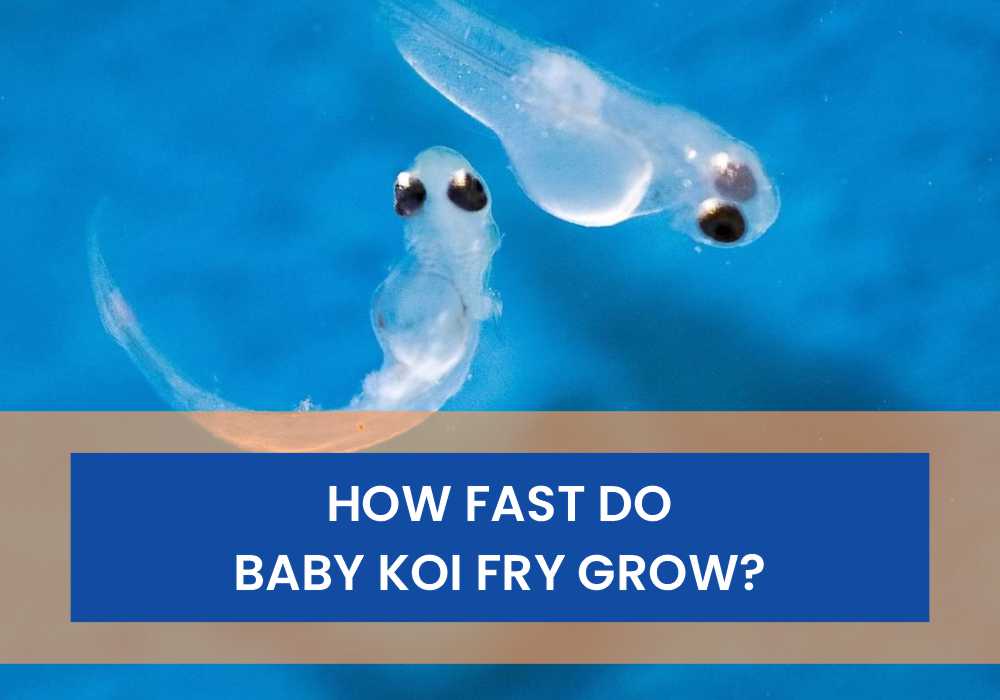
Baby koi fish, also known as fry, represent the earliest stage of life for these ornamental fish. Recognizing their developmental processes, physical characteristics, and behaviors is essential for ensuring their healthy growth and successful transition to juvenile stages. As delicate creatures, baby koi require attentive care tailored to their specific needs during this critical period.
The development of koi from hatchlings to juvenile involves rapid physical and behavioral changes. Proper understanding of these stages enables breeders and hobbyists to provide optimal environments, nutrition, and protection, fostering robust growth and vibrant coloration. This knowledge forms the foundation for successful koi cultivation and enhances the overall aesthetic and health of the fish.
Developmental Stages of Baby Koi Fish
Baby koi undergo several distinct phases from the moment they hatch. Each stage is characterized by unique physical features and behavioral patterns, requiring specific care practices to support healthy development. The following table summarizes these key milestones:
| Developmental Stage | Size | Physical Characteristics | Behavioral Traits | Care Needs |
|---|---|---|---|---|
| Egg and Hatchling | Approximately 2-3 mm at hatch | Transparent, oval-shaped eggs; hatch in 4-7 days; tiny, yolk-sac attached | Stationary; absorb yolk sac for nutrition | Maintain warm, clean water (~20-22°C); gentle aeration; avoid disturbance |
| Larval Stage | About 1-2 cm | Small, transparent, with visible developing eyes and fins; body begins to elongate | Start swimming actively; rely on yolk sac and initial feedings | Introduce specialized fry feed; keep water quality high; minimal handling |
| Fry Stage | 2-5 cm | More defined body shape; coloration begins to appear; fins develop | Active swimming; exploring environment; feeding multiple times daily | Provide fine, high-protein food; monitor water parameters; gentle filtration |
| Juvenile Stage | 10+ cm over several months | Full body coloration; mature fin structure; distinct patterns emerge | Increased activity; territorial behavior; social interactions | Gradually introduce larger diet; ensure spacious environment; regular water changes |
Note: During all stages, maintaining optimal water temperature, clarity, and oxygen levels is crucial. Regular observation helps detect developmental issues early, ensuring healthy growth trajectories for baby koi.
Setting Up a Suitable Environment for Baby Koi
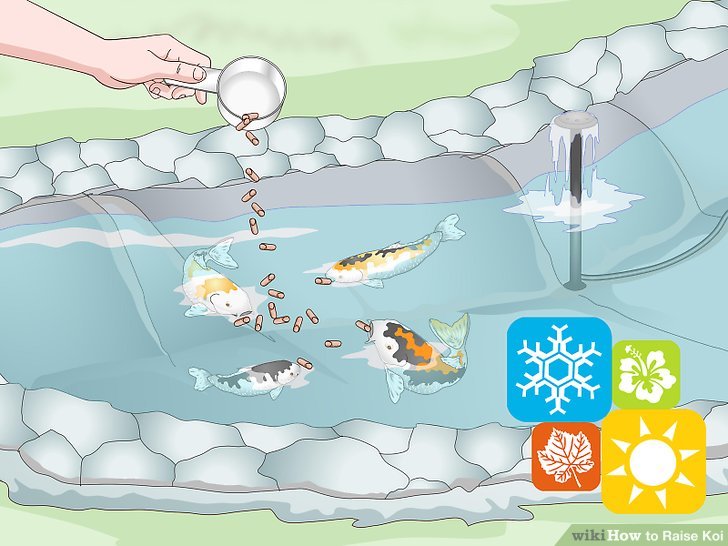
Creating an optimal environment for baby koi is essential to ensure their healthy growth and development. Proper habitat setup includes selecting the right tank size, maintaining ideal water parameters, and implementing effective filtration systems. A well-prepared environment minimizes stress and prevents common health issues, laying a strong foundation for your koi’s future.
By establishing a safe and stable aquatic environment, you facilitate natural behaviors and promote vitality in your newborn koi. Attention to detail in water quality, temperature control, and habitat design is crucial during the initial stages of rearing these delicate fish, ensuring their transition from hatchlings to resilient juvenile koi.
Designing an Ideal Aquatic Habitat for Baby Koi
Creating a nurturing environment begins with understanding the specific needs of young koi and translating those requirements into a suitable habitat. The following considerations and steps are vital to setting up an effective space for your baby koi:
- Tank Size: A minimum of 20 gallons is recommended for a small batch of baby koi, allowing ample space for growth and movement. As they develop, larger tanks such as 50 to 100 gallons or more may be necessary to accommodate increasing size and activity levels.
- Water Parameters: Maintaining optimal water quality involves controlling parameters like temperature, pH, ammonia, nitrite, and nitrate levels. Baby koi thrive in temperatures between 68°F to 75°F (20°C to 24°C), with a pH around 7.0 to 8.0. Regular testing and adjustments are crucial.
- Filtration: A reliable filtration system ensures removal of waste and toxins. Using a sponge filter or a gentle canister filter designed for small aquariums provides biological filtration without creating strong currents that could stress the fragile fry.
Preparing a safe environment involves several step-by-step procedures that prioritize water quality and temperature stability:
- Choose the Right Container: Select a tank or container that provides sufficient space for growth, with smooth edges to prevent injury.
- Clean and Rinse: Thoroughly wash the tank and equipment with dechlorinated water to eliminate residues or contaminants.
- Install Filtration and Heating: Set up the filtration system and, if necessary, an aquarium heater to maintain consistent temperature levels. Ensure all equipment is functioning properly before introducing fry.
- Fill with Water and Dechlorinate: Fill the tank with clean, dechlorinated water. Use a water conditioner if tap water contains chlorine or chloramine.
- Monitor Water Parameters: Use reliable test kits to measure temperature, pH, ammonia, nitrite, and nitrate levels. Adjust as needed to stay within ideal ranges.
- Cycle the Aquarium: Establish beneficial bacterial colonies through biological cycling, which typically takes 4-6 weeks. This process stabilizes ammonia and nitrite levels, creating a safe environment for baby koi.
- Gradual Introduction of Fry: Once water parameters are stable, carefully introduce the baby koi to their environment, minimizing stress and ensuring acclimatization.
Comparison of Tank Setups for Various Scales of Koi Rearing
Different rearing scales require tailored tank configurations to optimize growth and health. The table below provides an overview of suitable tank setups for small-scale, medium-scale, and large-scale koi rearing:
| Scale of Rearing | Tank Size | Material | Filtration System | Additional Features |
|---|---|---|---|---|
| Small-scale (up to 50 fry) | 20 – 50 gallons | Glass or acrylic | Sponges or small canister filters | Shade cover to prevent algae growth |
| Medium-scale (50-200 fry) | 100 – 300 gallons | High-quality acrylic or fiberglass | Central filtration with UV sterilizer | Partitioned areas for observation |
| Large-scale (over 200 fry) | 500 gallons and above | Custom-built pond or large tanks | Advanced biological and mechanical filtration, aeration systems | Proper shading, aeration, and water circulation systems |
Feeding and Nutrition for Baby Koi
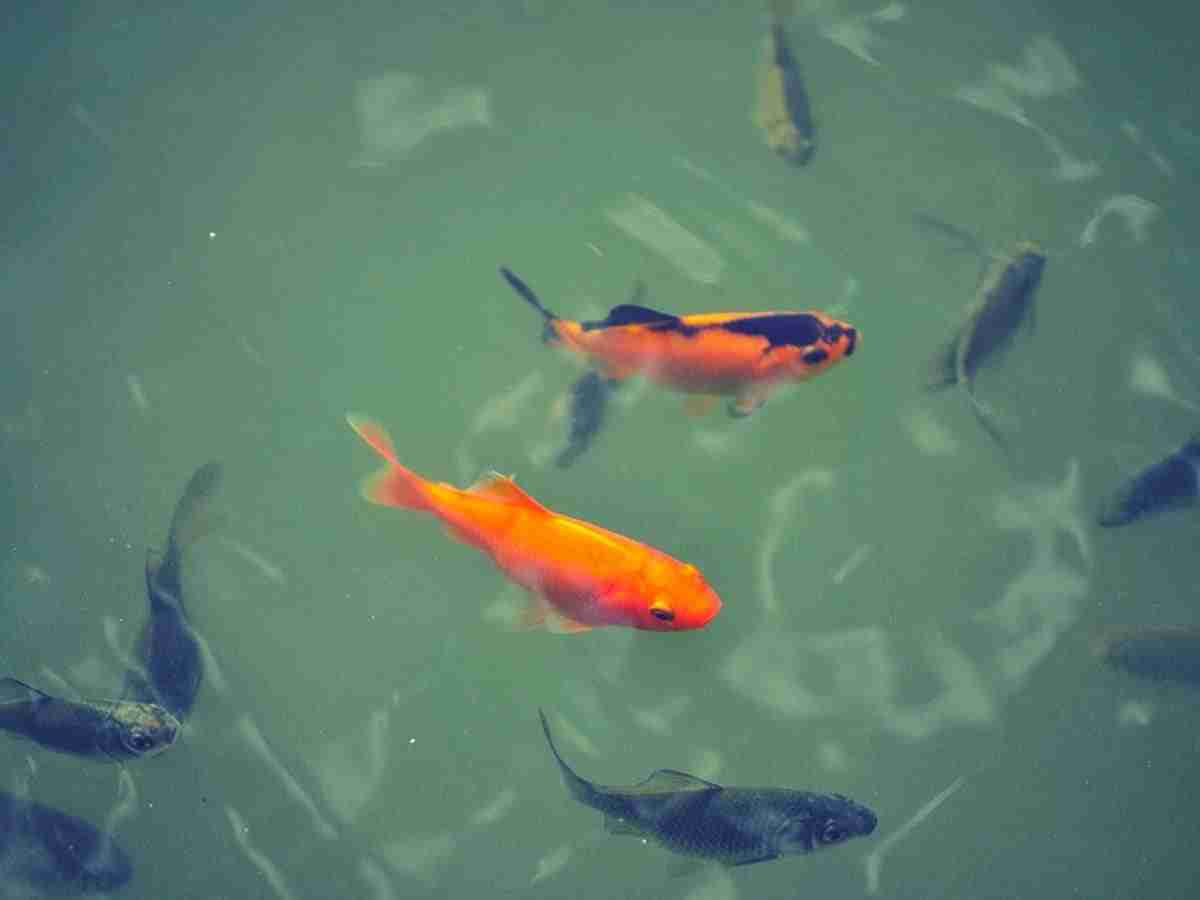
Providing proper nutrition is essential for the healthy growth and development of baby koi. Their delicate digestive systems require carefully selected foods, appropriate feeding schedules, and vigilant water quality management to prevent health issues and promote vibrant growth. Ensuring they receive balanced nutrition during their early stages lays the foundation for strong, colorful adult koi.
Proper feeding practices involve understanding the types of suitable foods, how often to feed, and the appropriate portion sizes. Additionally, maintaining excellent water quality during feeding times is crucial to avoid contamination and disease. Implementing these practices helps foster a healthy environment conducive to the baby koi’s development and overall well-being.
Proper Feeding Practices
Feeding baby koi requires a structured approach that balances nutrition and water quality. Overfeeding can lead to water pollution, while underfeeding may stunt growth and weaken their immune system. The goal is to provide small, frequent meals with high-quality foods that are easily digestible for their developing digestive systems. Observing their feeding behavior and adjusting portions accordingly ensures they receive adequate nutrition without compromising water conditions.
Types of Food for Baby Koi
Choosing the right food for baby koi is fundamental to healthy growth. High-quality, nutrient-rich foods support development and coloration. During early stages, their diet should primarily consist of finely ground or pelletized foods designed specifically for juvenile koi or similar freshwater fish species. Incorporating a variety of foods ensures they receive essential nutrients such as proteins, vitamins, and minerals.
- High-quality koi fry pellets
- Live foods like baby brine shrimp and daphnia
- Frozen foods such as bloodworms and tubifex worms
- Powdered or crushed commercial fish foods formulated for fry
Feeding Schedule and Portion Sizes
Establishing a consistent feeding schedule is vital for the stable growth of baby koi. Their small stomachs require frequent, small meals, typically 4 to 6 times per day. Proper portion sizes prevent overfeeding, which can deteriorate water quality and cause health problems. Adjusting portions based on the koi’s appetite and growth rate ensures they receive adequate nutrition without excess waste.
| Time of Day | Feeding Frequency | Portion Size |
|---|---|---|
| Morning | 1st feeding | Very small, just enough to be consumed within 2-3 minutes |
| Mid-morning | 2nd feeding | Same as morning, maintaining light but frequent feedings |
| Early afternoon | 3rd feeding | Adjust portion based on activity and appetite |
| Late afternoon | 4th feeding | Maintain small portions, observe for leftovers |
| Evening | 5th or 6th feeding | Light feed to avoid overloading before night |
Note: Consistency and observation are key. Monitor their activity levels and appetite, and modify feeding quantities accordingly to optimize health and water quality.
Importance of Water Quality During Feeding
Maintaining pristine water conditions during feeding times is critical to prevent the buildup of waste and potential health issues such as infections or ammonia spikes. Excess food or uneaten particles decompose rapidly, polluting the water and stressing the baby koi. Regular water changes, adequate filtration, and careful monitoring of parameters like ammonia, nitrite, nitrate, and pH are essential. Proper water management ensures that the nutrition provided through feeding translates into healthy growth rather than environmental stressors.
Maintaining Water Quality and Monitoring Health
Ensuring optimal water quality and vigilant health monitoring are vital components in successfully raising baby koi fish. Maintaining proper water parameters prevents stress and disease, fostering a healthy environment that promotes growth and vitality. Regular assessment of water conditions combined with prompt health evaluations helps catch potential issues early, significantly reducing mortality rates among young koi.A consistent routine for testing water parameters and observing your baby koi will establish a stable habitat conducive to their development.
This proactive approach involves understanding the ideal water conditions, identifying signs of illness, and implementing appropriate corrective actions when necessary. By integrating these practices into daily or weekly routines, koi enthusiasts can sustain a thriving nursery environment.
Testing Water Parameters
Maintaining water quality begins with precise testing of key parameters. These tests should be performed regularly, ideally at least once a week, to ensure that the environment remains within safe ranges. Proper testing methods and record-keeping are crucial for early detection of potential problems.
- pH Level: The pH of water influences the overall health of koi. Baby koi thrive in slightly alkaline conditions, with a pH range of 7.0 to 8.0. Use a reliable pH test kit or digital pH meter for accuracy. Test the water by collecting a sample in a clean container and compare the color or reading against the kit’s chart.
- Ammonia: Ammonia is a toxic waste product from fish metabolism. Ideal ammonia levels are 0 ppm (parts per million). Even trace amounts can cause stress or damage to the delicate gill tissues of baby koi. Test ammonia levels using ammonia-specific test kits and perform water changes if levels exceed safe limits.
- Nitrite: Nitrite is another toxic compound formed during the nitrogen cycle. Keep nitrite levels below 0.25 ppm. Regular testing helps prevent buildup, which can cause “brown blood disease,” leading to lethargy and respiratory issues.
- Nitrate: Nitrates are less toxic but can affect growth if accumulated excessively. Maintain nitrate levels below 40 ppm, with ideal levels around 20 ppm. Use nitrate test kits and perform partial water changes to control nitrate concentrations.
Monitoring Signs of Health Issues
Observation is a fundamental aspect of health management in baby koi. Recognizing early symptoms of common diseases allows for prompt intervention, minimizing mortalities.
Signs of health issues often manifest as changes in behavior, appearance, or activity levels. Regular visual inspections help detect these symptoms before they escalate into serious problems.
| Symptom | Possible Cause | Recommended Action |
|---|---|---|
| Loss of appetite | Stress, poor water quality, parasitic infections | Check water parameters, perform water changes, observe for external parasites, and adjust feeding accordingly |
| Erratic swimming or lethargy | Oxygen deficiency, disease, or water imbalance | Ensure proper aeration, test water quality, and isolate affected fish for closer examination |
| Visible spots, white patches, or ulcers | Parasitic or bacterial infections | Identify the parasite or pathogen, consult with a veterinarian or aquatic specialist for appropriate medication |
| Clamped fins or abnormal body posture | Stress, water quality issues, or injury | Check for physical damage, improve water conditions, and reduce stressors in the environment |
Early detection and swift action are crucial in preventing the progression of health issues in baby koi, ensuring their growth into vibrant, healthy adults.
Growth Management and Care Tips
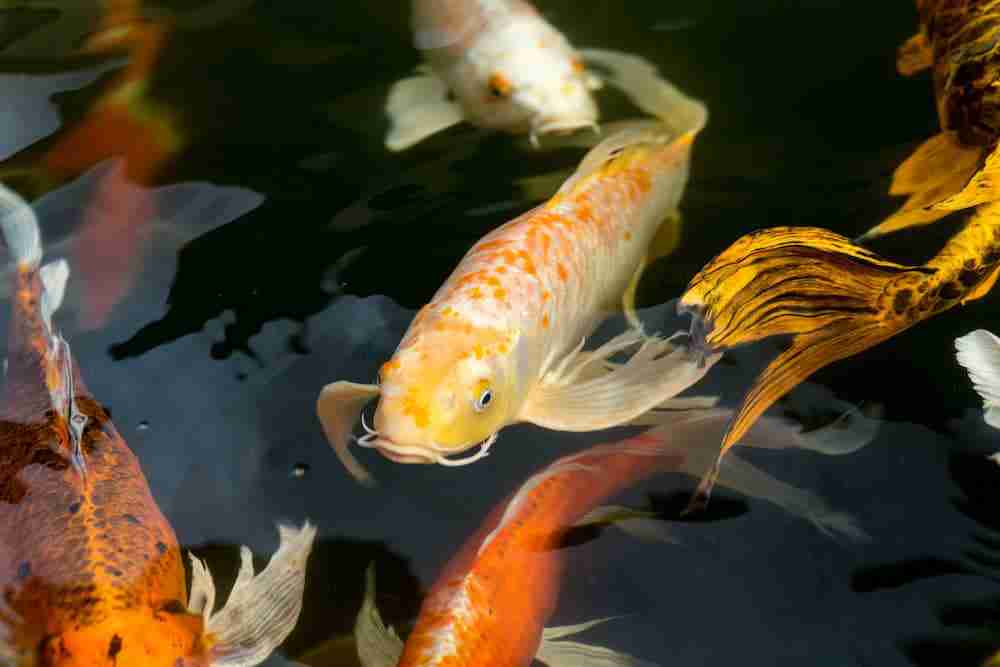
Ensuring the healthy development of baby koi fish requires attentive management and strategic care practices. Proper growth not only contributes to their physical appearance but also enhances their ability to adapt to environmental changes and overall vitality. Implementing effective routines and understanding common challenges are vital for fostering robust and vibrant koi.A well-rounded growth management approach combines habitat enrichment, consistent maintenance routines, and proactive health monitoring.
By addressing these areas diligently, aquarists can promote optimal growth rates, prevent common ailments, and cultivate a thriving environment for their young koi.
Encouraging Healthy Growth
Promoting steady and healthy growth in baby koi involves creating an environment that stimulates activity and provides essential nutrients. Enriching the habitat with hiding spots, plants, and gentle currents encourages natural behaviors, reducing stress and supporting physical development. Regular cleaning routines prevent the buildup of waste and harmful bacteria, which can impede growth and compromise health.Effective techniques for fostering growth include:
- Providing a balanced diet rich in high-quality pellets, live foods, and vegetables to meet nutritional needs.
- Maintaining stable water temperature, ideally between 20°C to 24°C (68°F to 75°F), to optimize metabolic processes.
- Enriching the environment with aquatic plants and gentle structures that mimic natural habitats.
- Implementing consistent partial water changes to manage waste buildup and ensure oxygen levels remain high.
- Monitoring behavior regularly to identify signs of stress or illness early.
Common Challenges and Strategies
Raising baby koi presents various challenges, including susceptibility to diseases, growth inconsistencies, and environmental stressors. Recognizing these issues early and applying effective strategies can significantly improve survival rates and promote uniform development.Some prevalent challenges include:
“Overcrowding can lead to increased competition for food, causing stunted growth and stress.”
Regularly adjusting stocking densities and providing ample space for each fish minimizes competition. Additionally, ensuring a consistent feeding schedule and preventing overfeeding reduces water quality issues that often lead to health problems. Vigilance in water quality maintenance, coupled with prompt treatment of diseases, ensures that baby koi remain healthy and continue to grow properly.
Growth Promotion Techniques and Routine Maintenance
Implementing proven techniques and adhering to a structured maintenance schedule are essential for consistent growth and health.Effective growth promotion techniques include:
- Feeding multiple small meals daily instead of fewer large feedings to optimize digestion and nutrient absorption.
- Introducing live and frozen foods such as brine shrimp or daphnia to supplement pellet diets.
- Utilizing growth-enhancing formulations specially designed for juvenile koi, ensuring they contain essential vitamins and minerals.
- Providing environmental enrichment with floating plants, caves, and gentle currents to stimulate movement and exercise.
A procedural table for routine maintenance activities can streamline care and improve efficiency:
| Frequency | Activity | Details |
|---|---|---|
| Daily | Feeding | Offer small, nutritious meals multiple times, observing intake. |
| Weekly | Water Testing | Measure pH, ammonia, nitrites, and nitrates to ensure water quality. |
| Biweekly | Partial Water Changes | Replace 10-20% of water to dilute waste and maintain oxygen levels. |
| Monthly | Tank Cleaning and Inspection | Clean filters, remove algae, and check for equipment functionality. |
| As Needed | Health Monitoring | Observe for signs of illness, abnormal swimming, or lesions. |
Transitioning from Baby Koi to Adult Habitat
As baby koi grow, their habitat requirements evolve significantly to support their health, growth, and well-being. Recognizing the appropriate time to transition them from nursery tanks to larger environments is crucial in ensuring a smooth and safe move that minimizes stress and promotes continued development.
This process involves careful assessment of the koi’s size, health, and behavior, along with methodical planning for transfer procedures. Properly managing this transition not only safeguards the koi’s physical health but also sets the foundation for successful growth into vibrant adult fish.
Criteria for Determining When Baby Koi Are Ready for Larger Tanks or Ponds
Accurate assessment of when baby koi are ready to move into expanded living spaces is essential to prevent overcrowding and ensure optimal growth conditions. The primary indicators include size, health, and activity levels.
- Size: Baby koi generally reach a length of about 2-3 inches (5-7.5 cm) when they are ready for a larger habitat, which allows for adequate swimming space and reduces the risk of injury or stress.
- Health: Only koi displaying strong, active behavior with no signs of disease or injury should be considered for transfer. Healthy koi are more adaptable to new environments.
- Behavior: Increased activity levels, exploratory behavior, and consistent feeding patterns indicate readiness to thrive in a bigger space.
- Growth Rate: Monitoring growth ensures koi have achieved an appropriate size corresponding to their age, which typically takes several months under proper care.
It is advisable to wait until the koi have outgrown the nursery tank, which usually occurs around 3 to 6 months of age, depending on conditions and dietary management.
Steps to Safely Transfer Koi from Nursery Tanks to Larger Environments
Ensuring a safe and stress-free transfer involves a sequence of deliberate steps designed to acclimate the koi gradually to their new environment. Following these steps minimizes shock and promotes healthy adaptation.
- Preparation of the New Habitat: Prior to transfer, ensure the larger pond or tank is fully set up, cycled, and parameters stabilized. It should include adequate filtration, aeration, and shaded areas.
- Water Condition Matching: Test and match water chemistry (pH, temperature, hardness) between the nursery tank and the new environment to prevent sudden changes that could stress the koi.
- Gradual Acclimation: Float sealed transport bags or containers in the new pond/tank for 15-30 minutes to equilibrate temperature. Slowly mix small amounts of the new water into the bag over an hour to adjust salinity and chemistry.
- Transfer Procedure: Using a fine net, gently transfer koi from the nursery tank to the prepared larger environment, avoiding sudden movements or splashing.
- Observation Period: Monitor koi closely for signs of stress or illness for several hours after transfer, ensuring they adapt well and resume normal activity.
- Post-transfer Care: Minimize disturbance during the initial days, maintain stable water conditions, and continue regular feeding and health monitoring.
Comparison of Small vs. Large Habitat Requirements
Understanding the differences in habitat needs based on the size of the koi is key to providing optimal care at each stage of growth. The following table summarizes the essential requirements:
| Aspect | Small Habitat (Nursery Tank) | Large Habitat (Pond or Expanded Tank) |
|---|---|---|
| Volume | 10-50 gallons (38-190 liters) | At least 1000 gallons (3785 liters) for mature koi |
| Depth | 12-24 inches (30-60 cm) | 24-36 inches (60-90 cm) or more, allowing for swimming and diving |
| Filtration | Gentle, small-scale filtration suitable for delicate fry | High-capacity biological and mechanical filtration for large volumes |
| Oxygenation | Diffuse air stones or sponge filters to maintain oxygen levels | Robust aeration systems and surface agitation for larger water bodies |
| Environmental Enrichment | Minimal, focus on safety and water quality | Plants, hiding spots, and open swimming areas to promote natural behavior |
| Maintenance | Frequent water changes and careful monitoring | Regular large-volume water exchanges and comprehensive health checks |
Final Wrap-Up
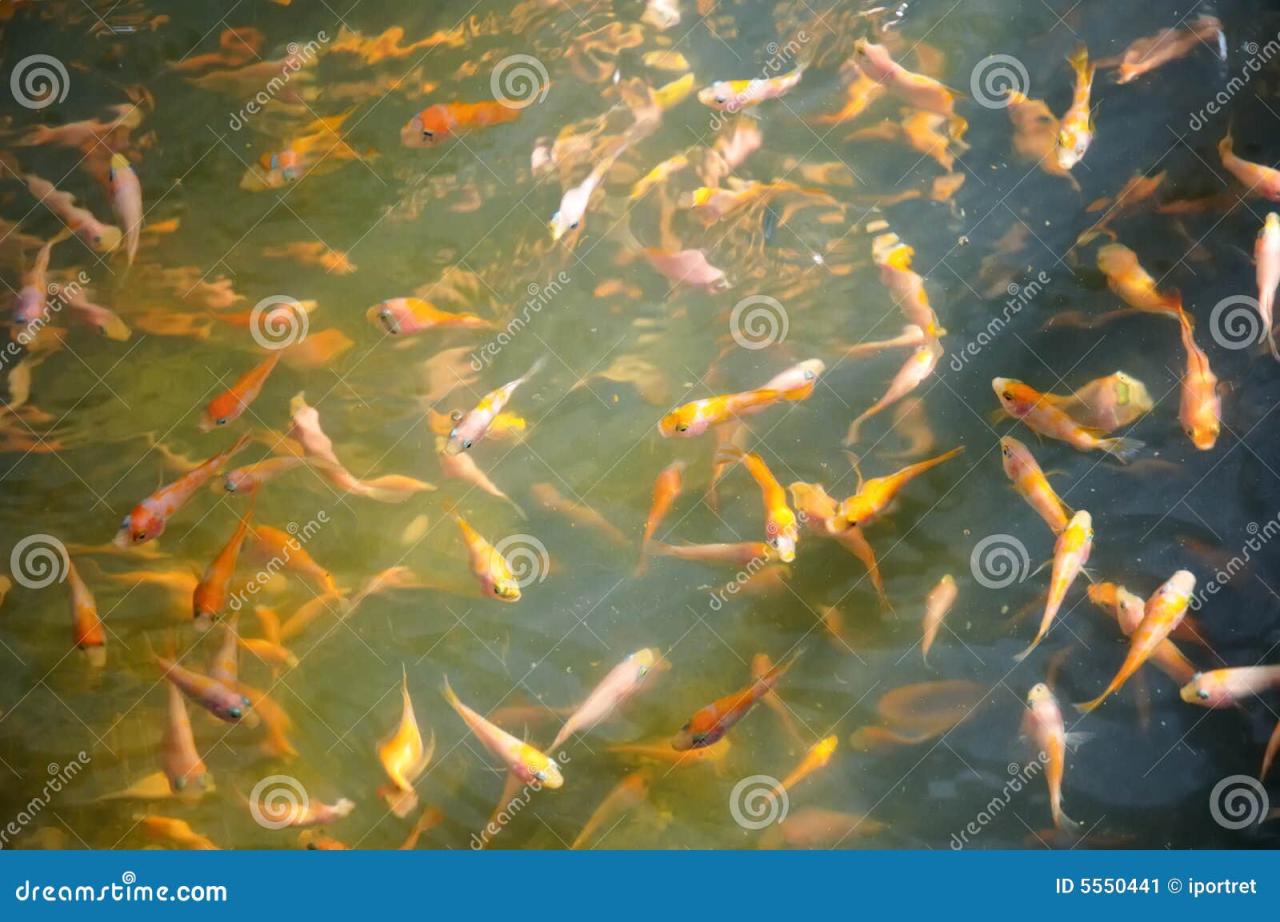
In conclusion, successfully raising baby koi fish requires a combination of proper habitat setup, attentive care, and consistent monitoring. Equipped with these knowledge and techniques, you can enjoy witnessing their growth and beauty evolve over time, making your koi-keeping experience truly fulfilling.