Understanding how to manage the koi pond nitrogen cycle is essential for maintaining a healthy and vibrant aquatic environment. Proper management ensures the well-being of your koi fish and the clarity of the water, creating an enjoyable pond experience. This guide provides valuable insights into the biological processes, monitoring techniques, and maintenance practices necessary to keep the nitrogen cycle balanced and efficient.
From understanding the roles of ammonia, nitrites, and nitrates to promoting beneficial bacteria and managing environmental conditions, this comprehensive overview equips pond owners with the knowledge to prevent common issues and enhance biological filtration. Implementing these strategies will support a stable and thriving koi pond ecosystem.
Understanding the Nitrogen Cycle in a Koi Pond
Maintaining a healthy koi pond requires a thorough understanding of the biological processes that regulate water quality, particularly the nitrogen cycle. This cycle is essential for transforming fish waste and uneaten food into less harmful substances, thereby supporting the overall health and vitality of the pond ecosystem. Proper management of this cycle ensures optimal conditions for koi and reduces the risk of harmful toxin buildup.
The nitrogen cycle involves a series of biological conversions facilitated by beneficial bacteria that break down toxic waste products into safer compounds. These processes are crucial in preventing the accumulation of ammonia and nitrites, which can be harmful or even lethal to koi. By understanding these mechanisms, pond owners can better manage filtration, aeration, and water changes to promote a balanced and sustainable environment.
Biological Processes in Nitrogen Conversion
The nitrogen cycle in a koi pond is driven by specific bacteria that transform waste nitrogen into forms that are less toxic. Fish excrete ammonia directly into the water through gills and urine, which then becomes the primary source of nitrogenous waste. Beneficial bacteria play a vital role in converting this ammonia into nitrites and subsequently into nitrates, culminating in a safer form that plants and aquatic life can utilize or tolerate in higher concentrations.
These biological conversions happen in stages, each facilitated by different bacteria species. The first stage involves ammonia oxidation, where ammonia is converted into nitrites. The second stage involves nitrite oxidation, transforming nitrites into nitrates. The entire process maintains water quality and supports the biological filtration system that keeps the pond environment stable for koi.
Roles of Ammonia, Nitrites, and Nitrates
Understanding the specific functions and implications of ammonia, nitrites, and nitrates is critical for effective water quality management in a koi pond. Each compound plays a distinct role within the nitrogen cycle and impacts koi health differently.
- Ammonia (NH₃): Produced directly from fish waste, uneaten food, and decaying organic matter. Ammonia is highly toxic to koi, even at low concentrations, causing stress, gill damage, and respiratory issues. Its presence indicates the initial stage of the nitrogen cycle and requires prompt intervention to prevent harm.
- Nitrites (NO₂⁻): Formed when beneficial bacteria convert ammonia. Nitrites are also toxic to koi, affecting oxygen transport in the bloodstream and potentially leading to a condition called “brown blood disease.” Elevated nitrite levels signal an imbalance in the nitrogen cycle.
- Nitrates (NO₃⁻): Result from the oxidation of nitrites by specific bacteria. Nitrates are far less toxic and can be tolerated at higher concentrations. They serve as nutrients for aquatic plants and help reduce overall toxicity, but excessive nitrates can still lead to algal blooms and oxygen depletion if not managed properly.
Effective nitrogen management involves maintaining a balance where ammonia and nitrite levels are kept at minimal levels, while nitrates are kept in check through water changes or plant absorption.
Beneficial Bacteria and Their Roles
Beneficial bacteria are microscopic organisms that drive each step of the nitrogen cycle, ensuring the transformation of toxic waste into benign substances. Establishing a robust bacterial colony is essential for maintaining water quality and supporting koi health.
Two main groups of bacteria are involved:
- Ammonia-Oxidizing Bacteria (AOB): These bacteria, belonging mainly to the genera Nitrosomonas and Nitrosococcus, convert ammonia into nitrites. They thrive in well-oxygenated environments and require a stable habitat to establish colonies.
- Nitrite-Oxidizing Bacteria (NOB): Primarily from the genera Nitrobacter and Nitrospira, these bacteria convert nitrites into nitrates. They are equally dependent on oxygen and flourish in similar conditions to AOB.
In a balanced koi pond, these bacteria work synergistically to keep nitrogenous waste levels in check. The establishment of a mature bacterial colony typically takes several weeks, especially in new ponds. Regular biofilter maintenance, proper aeration, and avoiding chemical sanitizers enhance bacterial growth and activity.
By fostering a healthy bacterial population, pond owners can naturally stabilize the nitrogen cycle, prevent toxic accumulations, and create a thriving environment for koi and aquatic plants alike.
Monitoring Nitrogen Levels in a Koi Pond
Effective management of a koi pond requires regular monitoring of nitrogen compounds to ensure a healthy environment for your fish. Testing ammonia, nitrite, and nitrate levels allows pond keepers to assess the biological filtration process and identify potential issues before they become harmful. Accurate measurement of these parameters is essential for maintaining the delicate balance in the pond’s nitrogen cycle, ultimately supporting the well-being of your koi and the longevity of your pond ecosystem.
Understanding how to properly test and interpret nitrogen levels helps prevent toxicity, promotes optimal water quality, and guides necessary interventions such as water changes or adjustments to filtration. Regular testing should be integrated into your pond maintenance routine, with frequency tailored to your pond’s size and fish load, ensuring a stable and thriving environment for your koi.
Step-by-step Guide for Testing Ammonia, Nitrite, and Nitrate Concentrations
Accurate testing begins with selecting high-quality test kits designed for pond water, available in liquid or test strip formats. Follow these steps to ensure reliable results:
- Collect a water sample from your pond at a representative location, ideally away from inflows or outlets for consistency.
- Read the instructions provided with your test kit carefully to understand the procedure specific to each parameter.
- Add the specified number of drops or immerse the test strip into the sample, following the recommended duration for color development.
- Compare the resulting color change to the provided color chart, noting the corresponding concentration levels for ammonia, nitrite, and nitrate.
- Record your results accurately to track trends over time, and repeat testing as needed to verify consistency or detect fluctuations.
For liquid test kits, use a clean, graduated test tube to hold the sample and ensure precise measurements. When using test strips, immerse the strip fully and remove it promptly to prevent overexposure, which can affect accuracy. Maintaining consistent testing procedures and environmental conditions enhances the reliability of your results.
Interpreting Test Results Accurately
Understanding the significance of your test results enables you to make informed decisions about pond management and take corrective actions when necessary. Here are key points for interpretation:
Ammonia: Ideal levels are close to 0 mg/L. Elevated ammonia (above 0.25 mg/L) indicates poor filtration or overfeeding. Chronic high ammonia levels can cause stress and damage to koi gill tissues.
Nitrite: Should be near 0 mg/L as well. Levels above 0.5 mg/L can lead to nitrite poisoning, impairing oxygen transport in fish blood, a condition known as “brown blood disease.”
Nitrate: Generally tolerated at levels below 40 mg/L. While less toxic, high nitrate concentrations can cause stress and reduce fish immunity over time.
Regularly assessing these parameters helps detect early signs of imbalances, enabling timely interventions. It is important to consider that test results can fluctuate due to factors like feeding frequency, weather conditions, or recent water changes. Always look for consistent trends rather than isolated readings to inform your management strategies.
Recommended Testing Frequency Based on Pond Size and Fish Load
Consistent testing schedules should be adapted to the specific conditions of your koi pond. Larger ponds with high fish densities typically require more frequent monitoring to prevent sudden changes in water quality. Conversely, smaller ponds with fewer fish may be tested less frequently but should still be checked regularly to maintain optimal conditions.
| Pond Size / Fish Load | Testing Frequency |
|---|---|
| Small pond (up to 500 gallons, 5-10 koi) | Weekly during active seasons; biweekly in winter |
| Medium pond (500-2000 gallons, 10-30 koi) | Twice weekly during peak activity; weekly during stable periods |
| Large pond (over 2000 gallons, 30+ koi) or high fish density | Three times weekly during spring and summer; twice weekly in fall; weekly in winter |
Adjust testing frequency based on observations, recent water changes, feeding levels, and environmental conditions. Regular monitoring combined with prompt responses to test results helps maintain a balanced and healthy koi pond ecosystem.
Promoting Healthy Beneficial Bacteria
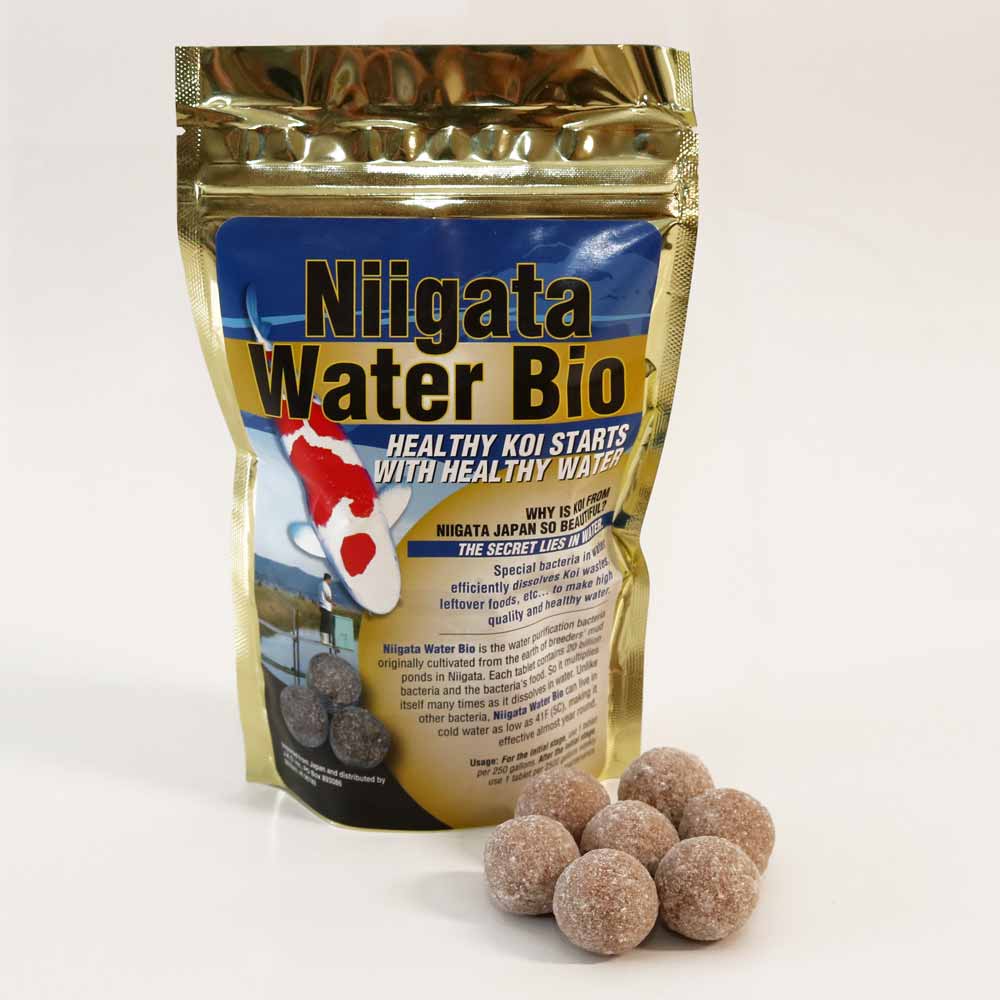
Maintaining a thriving koi pond requires a robust population of beneficial bacteria that efficiently process fish waste and organic matter, thereby ensuring a balanced nitrogen cycle. Promoting and sustaining these bacteria is fundamental to a healthy aquatic environment, ultimately leading to clearer water, healthier fish, and stable pond conditions. Implementing effective strategies to inoculate the pond and fostering optimal environmental conditions are essential steps in nurturing these vital microorganisms.Beneficial bacteria are microscopic organisms that play a crucial role in breaking down ammonia, nitrites, and other organic waste products.
Their activity transforms potentially harmful substances into less toxic compounds, facilitating the natural filtration process within the pond ecosystem. Achieving and maintaining a healthy population of these bacteria involves deliberate inoculation, ongoing environmental management, and maintenance practices that promote bacterial growth and stability.
Inoculating the Pond with Effective Bacteria Cultures
Inoculating the pond with high-quality bacterial cultures jumpstarts the nitrogen cycle, especially after pond construction, water changes, or biological filtration upgrades. These cultures are available in liquid, powder, or capsule forms and contain strains of nitrifying bacteria specifically selected for pond environments. To maximize efficacy, it is recommended to introduce these cultures during periods of low fish activity or after cleaning, ensuring minimal disturbance to bacterial colonies.Methodically adding bacteria involves thoroughly mixing the culture with pond water and evenly distributing it across different areas of the pond.
Some practitioners recommend adding the bacteria during early morning or late evening hours when sunlight and temperature are more stable, providing optimal conditions for bacterial colonization. Regular application of these cultures during the initial establishment phase, typically every two weeks for the first two months, helps to accelerate biological filtration and stabilize the nitrogen cycle.
Environmental Conditions Supporting Bacterial Growth
Beneficial bacteria thrive within specific environmental parameters, primarily centered around oxygen levels and temperature. Maintaining these conditions is vital for bacterial proliferation and activity, ensuring efficient processing of nitrogenous waste.Oxygen levels should be kept high, as aerobic bacteria require oxygen to carry out their metabolic processes. Proper aeration techniques, including the use of air pumps, waterfalls, or fountains, can significantly increase dissolved oxygen levels.
An oxygen concentration above 6 mg/L is generally considered optimal for bacterial activity, especially during warmer months when oxygen solubility decreases.Temperature also influences bacterial growth, with most effective bacteria cultures functioning within a range of 15°C to 30°C (59°F to 86°F). Temperatures below this spectrum slow bacterial activity, while excessively warm conditions can lead to oxygen depletion and stress the microbial populations.
Maintaining a consistent temperature through pond shading or heaters, if necessary, ensures bacterial populations remain stable and active.
Best Practices for Maintaining Stable Bacterial Populations
A consistent and stable bacterial population requires ongoing management of pond conditions and filtration systems. Proper filtration is essential, not only to physically remove debris but also to provide a habitat conducive to bacterial colonization.Mechanical filtration captures larger particles, preventing their decomposition from overwhelming the biological filter. Biological filtration media, such as ceramic biomedia or bio-balls, offers a large surface area for beneficial bacteria to adhere and grow.
Regularly cleaning but not over-rinsing this media preserves established bacterial colonies.Aeration techniques, including installing aerators, air stones, or increasing water movement, ensure sufficient dissolved oxygen levels are maintained year-round. During hot summer months, increased aeration helps prevent oxygen depletion caused by heightened biological activity and evaporation.Monitoring water parameters regularly using reliable test kits allows for the early detection of any fluctuations in oxygen levels, temperature, or nitrogen compounds.
Adjustments to aeration, filtration, or bacterial supplementation can then be made promptly, maintaining an environment where beneficial bacteria can flourish and sustain a healthy nitrogen cycle.
Managing Ammonia and Nitrites
Effective management of ammonia and nitrites is essential for maintaining a healthy koi pond environment. These compounds are toxic to fish at elevated levels and can lead to stress, disease, or even mortality if not properly controlled. Quick and efficient reduction methods, alongside robust filtration and aeration strategies, help ensure a safe and stable pond ecosystem.
Addressing ammonia and nitrite levels promptly involves both natural and chemical approaches. Implementing proper filtration enhances the biological processes that convert these toxic substances into less harmful compounds. Additionally, increasing oxygen levels via aeration supports beneficial bacteria activity, accelerating the detoxification process and preventing dangerous spikes in toxicity.
Procedures for Immediate Reduction of Ammonia and Nitrites
When ammonia or nitrite levels spike suddenly, immediate intervention is necessary to prevent harm to koi. The following procedures employ both natural and chemical methods to rapidly reduce these toxins.
- Water Changes: Conduct partial water exchanges of 25-50% to dilute ammonia and nitrite concentrations. Use dechlorinated water, as chlorine and chloramines can hinder beneficial bacteria activity.
- Use of Ammonia and Nitrite Detoxifiers: Apply specialized water conditioners that detoxify ammonia and nitrites, making them temporarily harmless while beneficial bacteria work on processing these compounds. Follow manufacturer instructions precisely to ensure safety.
- Chemical Neutralizers: Administer ammonia-binding agents such as sodium thiosulfate or other approved chemicals, carefully adhering to dosage guidelines to avoid overdose or residual toxicity.
- Enhanced Aeration: Increase oxygenation using aerators or air stones. Elevated oxygen levels facilitate faster biological conversion of ammonia and nitrites into less harmful nitrates.
Filtration and Aeration Strategies
Supporting biological filtration and aeration is vital for maintaining stable ammonia and nitrite levels. Proper equipment and maintenance practices help sustain a healthy nitrogen cycle and prevent toxic buildup.
- Biological Filtration Enhancement: Use high-quality biofilters containing media that support colonization of nitrifying bacteria such as Nitrosomonas and Nitrobacter. Regularly clean and maintain filters to prevent clogging and ensure optimal bacterial activity.
- Mechanical Filtration: Remove solid waste and debris promptly through mechanical filters or skimmers to reduce organic matter that contributes to ammonia production.
- Aeration Optimization: Install sufficient aeration devices, such as surface aerators, air stones, or diffusers, to maximize oxygen levels. Regularly monitor dissolved oxygen to maintain levels above 6 mg/L, especially during warm months when oxygen solubility decreases.
- Water Circulation: Promote even distribution of oxygen and nutrients throughout the pond by ensuring proper water flow, preventing stagnation zones where toxins could accumulate.
Comparison of Ammonia Detoxifiers
Using ammonia detoxifiers can provide an effective short-term solution during ammonia spikes. It is important to select products based on safety, application method, and compatibility with koi pond systems.
| Detoxifier | Application Method | Safety Considerations |
|---|---|---|
| Sodium Thiosulfate | Injected directly into pond water, dosage based on ammonia levels. Needs to be mixed thoroughly. | Generally safe when used at recommended dosages; excessive use can lead to residual sulfides, which might affect fish health. |
| Ammonia Neutralizers (e.g., AmQuel, AmGuard) | Added directly to pond water following manufacturer instructions, typically during water changes or ammonia spikes. | Designed for aquatic environments; ensure proper dosage to avoid chemical residues that could harm koi. |
| Zeolite Media | Placed within biological filters or as a separate media chamber. Implements ion exchange to bind ammonia. | Safe for koi; requires regular regeneration or replacement to maintain efficacy. |
| Biological Additives | Introduce concentrated beneficial bacteria cultures to boost nitrification. | Safe; enhances natural processing without chemical residues, but results depend on proper pond conditions. |
Choosing the appropriate ammonia detoxifier depends on the severity of toxicity, pond size, and existing filtration setup. Always follow manufacturer guidelines and consider consulting a pond specialist for tailored recommendations.
Controlling Nitrate Levels
Maintaining optimal nitrate levels in a koi pond is essential for the health of the fish and overall pond balance. Excess nitrates can lead to algae blooms, poor water quality, and stress in koi, which may predispose them to diseases. Effective control involves strategic water management practices and integrating aquatic plants that naturally absorb nitrates, creating a balanced and thriving pond ecosystem.
Implementing routine water changes combined with the thoughtful use of aquatic plants can significantly reduce nitrate concentrations. These practices not only help in keeping nitrate levels in check but also contribute to maintaining high water quality and fostering a healthy environment for koi. Establishing a consistent maintenance schedule ensures nitrates do not accumulate to harmful levels, promoting the longevity and vitality of your pond inhabitants.
Water Changes and Plant Integration
Periodic partial water exchanges are a practical method to lower nitrate concentrations by diluting the existing water and removing accumulated nitrates. This process should be performed regularly, ideally on a weekly basis, with partial replacements of about 10-20% of the total pond volume. Using dechlorinated water is crucial to prevent chlorine or chloramine toxicity in koi.
Incorporating aquatic plants into the pond system is an environmentally friendly and sustainable approach to nitrate management. These plants absorb nitrates as nutrients for their growth, effectively reducing the nitrate load in the water. Proper plant maintenance, including trimming and removal of decayed plant matter, prevents excess organic material from decomposing and further increasing nitrate levels.
Routine for Partial Water Replacement and Plant Maintenance
A consistent routine enhances nitrate control and supports overall pond health. Establishing a weekly schedule involves:
- Removing approximately 10-20% of the pond water with dechlorinated water to dilute nitrate levels.
- Monitoring nitrate concentrations regularly using test kits to assess the effectiveness of water changes.
- Inspecting aquatic plants for health and growth, removing any dead or decaying plant material to prevent organic matter buildup.
- Trimming overgrown plants to promote healthy growth and maximize nitrate absorption.
- Adding additional plants if nitrate levels remain high, focusing on species known for their effective nitrate uptake.
This routine supports a dynamic balance within the pond ecosystem, ensuring nitrate concentrations stay within safe limits and reducing the reliance on chemical treatments.
Examples of Aquatic Plants Effective at Nitrate Absorption
Choosing the right plants is vital for efficient nitrate removal. The following aquatic species are renowned for their ability to absorb nitrates and contribute to water clarity and quality:
- Water Hyacinth (Eichhornia crassipes): A fast-growing floating plant that excels at nutrient absorption, including nitrates. It also provides shade and habitat for beneficial microorganisms.
- Anacharis (Elodea canadensis): A submerged plant that absorbs nitrates directly from the water column, aiding in controlling nutrient levels.
- Water Lettuce (Pistia stratiotes): A floating plant similar to water hyacinth that efficiently uptakes nitrates and phosphates, helping prevent algae overgrowth.
- Hornwort (Ceratophyllum demersum): An adaptable submerged plant that thrives in various water conditions and actively absorbs nitrates and other nutrients.
- Duckweed (Lemna minor): A tiny floating plant that rapidly covers the water surface, absorbing excess nutrients, including nitrates, and providing shade to suppress algae growth.
Integrating these plants into your koi pond, along with routine water management, creates a synergistic system that naturally maintains nitrate levels at safe and healthy concentrations, supporting the well-being of your koi and the clarity of your pond water.
Optimal Pond Conditions for Nitrogen Cycle Efficiency
Maintaining the right environmental conditions within a koi pond is essential for ensuring the nitrogen cycle operates smoothly. Proper oxygen levels, pH balance, and temperature are critical factors that influence the ability of beneficial bacteria to process ammonia, nitrites, and nitrates effectively. Achieving and sustaining these optimal conditions helps prevent toxic build-up, promotes healthy fish growth, and ensures the pond remains a balanced ecosystem.
By carefully monitoring and adjusting pond parameters, pond owners can foster a stable environment that supports beneficial bacterial activity. This not only enhances water quality but also reduces the frequency and severity of water quality issues, leading to a healthier and more vibrant koi pond.
Maintaining Oxygenation, pH Balance, and Temperature
Efficient nitrogen cycling relies heavily on adequate oxygen levels, a stable pH, and appropriate temperature ranges. Oxygenation is vital because beneficial bacteria engaged in nitrification require oxygen to convert ammonia into nitrites and then into nitrates. Insufficient oxygen can slow down this process, leading to toxin accumulation. Maintaining a pH between 7.0 and 8.2 ensures optimal bacterial activity, as extreme pH levels can inhibit nitrification.
Temperature also plays a crucial role; most beneficial bacteria thrive between 20°C and 30°C (68°F to 86°F). Temperatures outside this range can reduce bacterial efficiency or kill beneficial microbes, disrupting the cycle.
To foster a conducive environment, pond owners should regularly monitor these parameters and implement adjustments as needed. Proper aeration systems, such as surface or bottom diffusers, help maintain oxygen levels. Testing kits for pH and temperature should be used weekly, with adjustments made through aeration, water treatments, or insulation to keep conditions within the ideal range.
Maintenance Checklist for Ideal Conditions
Consistent maintenance ensures the nitrogen cycle remains balanced and effective. The following checklist guides pond owners in sustaining optimal conditions:
- Install and regularly service aeration equipment to maintain dissolved oxygen levels above 5 mg/L.
- Test pH weekly, aiming for a range of 7.0 to 8.2, and adjust using pH buffers if necessary.
- Monitor water temperature daily, especially during seasonal changes, and use heaters or coolers to keep within the ideal range.
- Perform partial water changes (10-15%) weekly to dilute accumulated nitrates and maintain water quality.
- Remove excess organic debris, uneaten food, and sludge regularly to prevent nutrient overloads that can disrupt cycle stability.
- Check and clean filtration systems monthly to ensure proper flow and oxygenation.
Common Issues Affecting Nitrogen Cycle Performance and Troubleshooting Tips
Several factors can impede the efficiency of the nitrogen cycle, leading to potential water quality problems. Identifying and addressing these issues promptly helps maintain a healthy pond ecosystem. Below is a table outlining common issues, their causes, and recommended troubleshooting steps:
| Issue | Potential Cause | Troubleshooting Tips |
|---|---|---|
| Low Dissolved Oxygen | Insufficient aeration, overstocking, or organic overload |
|
| pH Fluctuations | Algae blooms, excessive organic matter, or improper water chemistry |
|
| Temperature Extremes | Seasonal changes, inadequate pond insulation, or heater failures |
|
| Ammonia or Nitrite Spikes | Cycle imbalance, overfeeding, or bacterial decline |
|
Troubleshooting Common Nitrogen Cycle Problems

Maintaining a healthy nitrogen cycle is essential for the well-being of koi and the overall stability of the pond environment. Despite best practices, issues can occasionally arise that disrupt this delicate balance. Recognizing the signs of nitrogen imbalance early and implementing effective corrective actions are crucial steps in restoring optimal pond conditions and ensuring the health of your aquatic inhabitants.
Common problems such as algae blooms, fish stress, or foul odors often indicate underlying issues within the nitrogen cycle. These symptoms typically result from excess ammonia, nitrites, or nitrates, which can be detrimental to koi if not addressed promptly. Understanding how to diagnose these problems and applying targeted solutions will help maintain a thriving pond ecosystem.
Identifying Symptoms of Nitrogen Imbalance
Detecting signs of a disrupted nitrogen cycle involves attentive observation of pond conditions and koi behavior. Recognizable symptoms include:
- Algae overgrowth or unsightly green water, often caused by excess nitrates serving as nutrients for algae.
- Fish exhibiting stress behaviors such as gasping at the surface, erratic swimming, or flashing against pond surfaces.
- Unpleasant odors emanating from the pond, indicating high levels of organic waste and decay.
- Presence of cloudy or murky water, which can result from bacterial blooms or excessive organic matter.
- Test results showing elevated ammonia (>0.25 ppm) or nitrite levels (>0.5 ppm), which are toxic to koi.
Corrective Actions to Restore Cycle Equilibrium
Implementing timely and appropriate corrective measures is vital for re-establishing a balanced nitrogen cycle. These actions include:
- Performing water changes, typically 25-30%, to dilute excess nitrogenous compounds and improve water quality.
- Enhancing beneficial bacteria populations by adding commercial bacterial supplements tailored for koi ponds, especially after water changes or cleaning.
- Reducing feeding frequency and quantity to decrease organic waste production. Feeding koi only as much as they can consume within a few minutes minimizes excess waste.
- Installing or upgrading biological filtration systems to increase nitrifying bacteria capacity and promote efficient conversion of ammonia to less harmful nitrates.
- Removing decaying organic matter such as fallen leaves, uneaten food, and dead plant material to prevent organic overload.
- Adjusting pond aeration to improve oxygen levels, which supports beneficial bacteria activity and reduces ammonia toxicity.
Diagnosing Underlying Causes Through Water Testing and Environmental Assessment
Accurate diagnosis of nitrogen cycle issues involves comprehensive water testing and environmental analysis, providing insight into contributing factors. The process includes:
| Test Parameter | Purpose | Optimal Range |
|---|---|---|
| Ammonia (NH₃/NH₄⁺) | Detect toxic ammonia levels that may harm koi | 0 ppm or as close to zero as possible |
| Nitrite (NO₂⁻) | Identify accumulation that impairs oxygen transport in fish | Less than 0.2 ppm |
| Nitrate (NO₃⁻) | Monitor nutrient levels that can promote algae growth | Below 40 ppm, ideally under 20 ppm for koi health |
| pH and KH (carbonate hardness) | Assess water buffering capacity and acid-base balance | pH 7.0-8.4; KH 70-120 ppm |
Beyond water chemistry, evaluating environmental factors such as pond stocking density, feeding practices, and organic load helps identify root causes. Overcrowding can overwhelm filtration capacity, leading to ammonia spikes. Excessive feeding or debris accumulation creates organic waste that fuels bacterial blooms and nitrogen imbalance. Regular pond inspections, combined with water testing, facilitate early detection and targeted interventions for persistent problems.
Enhancing Biological Filtration
Optimizing biological filtration is essential for maintaining a healthy and stable koi pond environment. Proper design and maintenance of biological filters promote the growth of beneficial bacteria, which are instrumental in converting harmful ammonia and nitrites into less toxic nitrates. This process supports the overall nitrogen cycle, ensuring that water quality remains high and koi are healthy and vibrant.
Effective biological filtration involves creating conditions that maximize beneficial bacteria colonization, improve water flow through media, and facilitate ongoing maintenance to sustain their activity. Well-designed systems contribute to stable pond conditions, reduce the risk of ammonia spikes, and promote clear, healthy water for koi and other aquatic life.
Design Principles for Biological Filters
Designing biological filters requires careful consideration of their ability to provide a large surface area for bacterial colonization, ensure adequate water flow, and facilitate easy maintenance. The primary goal is to create an environment that encourages beneficial bacteria to thrive while maintaining optimal water movement to prevent stagnation or dead zones.
- Maximize Surface Area: Use media with high porosity and surface area, such as bio-balls, ceramic rings, or foam blocks, which provide ample space for bacterial colonization.
- Ensure Proper Water Flow: Water should pass slowly enough to allow bacterial colonization but swiftly enough to prevent clogging or stagnation. Incorporate flow regulators or adjustable valves as needed.
- Facilitate Easy Access for Maintenance: Design the filter for straightforward cleaning and media replacement without disturbing established bacterial colonies excessively.
Installing and Maintaining Biological Filtration Systems
Proper installation and ongoing maintenance are vital for the effectiveness and longevity of biological filters. Following a systematic approach ensures that beneficial bacteria can establish and sustain their activity, keeping water parameters within safe ranges.
- Installation Steps:
- Select a location with easy access and adequate space, preferably after mechanical filtration to prevent clogging.
- Connect the biological filter to the pond’s water circulation system, ensuring proper alignment of inlet and outlet points for water flow.
- Place media within the filter chamber, ensuring even distribution and sufficient contact with water flow.
- Secure all connections and verify that water flows through the media without bypassing or leaks.
- Maintenance Procedures:
- Regularly inspect the filter for debris buildup or clogging, which can impede water flow and bacterial activity.
- Clean the media gently using pond water to remove excess sludge without removing beneficial bacteria.
- Replace or replenish media periodically to maintain surface area and bacterial colonization capacity.
- Monitor water flow rates and make adjustments to ensure consistent filtration performance.
Water Flow Through Biological Media: Diagram Description
Imagine a cross-sectional view of a biological filter chamber. Water enters from the pond’s pump or overflow, flowing into the filter inlet. It then passes evenly through a bed of biological media—such as ceramic rings or foam blocks—that are arranged in multiple layers or compartments. As water moves through this media, beneficial bacteria colonize the surface, converting ammonia and nitrites into nitrates.
The cleaned water then exits through the outlet pipe, returning to the pond. This flow path ensures maximum contact with bacteria-laden media while maintaining a steady, uninterrupted circulation that promotes biological activity and water clarity.
Final Conclusion
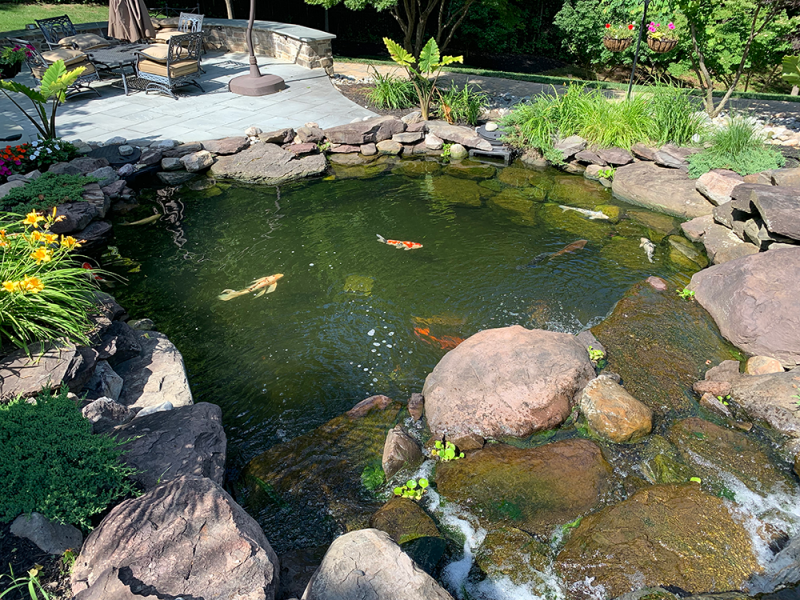
In conclusion, mastering the management of the koi pond nitrogen cycle is key to sustaining a clean, healthy, and visually appealing pond environment. Regular monitoring, proper filtration, and maintaining optimal conditions will help prevent imbalances and promote biological stability. With consistent care and attention, your koi pond can flourish, providing enjoyment and serenity for years to come.