Learning how to light a koi pond at night enhances both the visual appeal and safety of your aquatic environment. Proper illumination can highlight the pond’s features while ensuring safe navigation around the area during evening hours.
Implementing effective lighting involves selecting suitable fixtures, planning strategic placement, and considering factors such as color, brightness, and environmental impact. This guide provides comprehensive insights to help you create a stunning and secure nighttime pond setting.
Introduction to Lighting a Koi Pond at Night
Proper lighting of a koi pond after sunset enhances both its visual appeal and safety. By illuminating the pond effectively, pond owners can enjoy the graceful movement of koi fish under the night sky and create a tranquil ambiance that complements outdoor living spaces. Additionally, appropriate lighting acts as a safety feature by preventing accidents around the pond, especially in low-light conditions, and deterring unwanted wildlife or intruders.
There are various lighting options available that cater to different aesthetic preferences and functional needs. From subtle underwater lights that highlight the koi and pond features to ambient landscape lighting that sets a mood, the choices are extensive. Selecting the right lighting setup requires consideration of factors such as energy efficiency, durability, and the desired visual effect, ensuring the pond remains a stunning focal point during nighttime hours.
Different Lighting Options Suitable for Koi Ponds
Understanding the diverse range of lighting solutions allows pond owners to craft a customized and effective night illumination scheme. This section explores the most popular and practical options for lighting a koi pond at night, emphasizing their features, benefits, and ideal use cases.
- Underwater LED Lights: These are specially designed to be submerged in water, providing direct illumination that highlights koi fish, pond features, and the pond’s bottom. They are energy-efficient, long-lasting, and available in various colors to create different moods.
- Landscape Spotlights: Installed around the pond perimeter, these lights cast focused beams onto the pond surface and surrounding landscape. They enhance the overall aesthetic and can be aimed to emphasize specific features like rocks, plants, or waterfalls.
- Floating Lights: Placed on the pond surface, floating lights add a gentle glow and a dynamic visual effect. They are easy to install and move, ideal for temporary or decorative lighting during special occasions.
- Pathway and Deck Lighting: Installed along walkways or around the pond, these fixtures improve navigation and safety. They also contribute to the ambient atmosphere by softly illuminating the area without overpowering the pond’s natural beauty.
- Solar-Powered Lights: These lights harness sunlight during the day to provide illumination at night, making them an eco-friendly and cost-effective choice. They are particularly suitable for ponds in sunlit locations and require minimal maintenance.
Choosing the correct lighting involves balancing visual impact with functionality, ensuring the pond remains safe, inviting, and environmentally conscious during nighttime hours.
Types of Pond Lighting for Nighttime Use
Choosing the appropriate lighting technology for your koi pond at night is essential for enhancing visual appeal, ensuring safety, and promoting the health of your aquatic life. Different lighting options offer varied benefits and challenges, making it important to understand their characteristics thoroughly. The following overview compares popular lighting technologies used in pond illumination, considering aspects such as durability, energy efficiency, and ease of installation.
Selecting the right pond lighting involves balancing factors like initial cost, ongoing maintenance, energy consumption, and environmental impact. Each technology has unique advantages that can cater to specific preferences and pond configurations, whether aiming for a subtle, natural glow or a vibrant, colorful display. The following discussion provides a comprehensive comparison to assist pond owners in making an informed decision that aligns with their aesthetic goals and practical needs.
LED Pond Lighting
LED (Light Emitting Diode) lighting has become the most popular choice for pond illumination due to its high energy efficiency, long lifespan, and versatile design options. LEDs are available in various colors and intensities, allowing for customizable lighting effects that can enhance the pond’s ambiance at night. They are generally easy to install, especially with modern waterproof fixtures designed specifically for outdoor aquatic environments.
- Advantages: Low energy consumption, long-lasting (up to 50,000 hours), durable waterproof construction, minimal heat emission, and a wide range of color and brightness options.
- Disadvantages: Higher initial cost compared to traditional lighting, and some models may require specific power supplies or controllers.
Solar Pond Lighting
Solar lighting offers an environmentally friendly and cost-effective method for illuminating your koi pond during the nighttime hours. These lights harness sunlight during the day and automatically turn on at dusk. Solar pond lights are often designed to be simple to install and require no wiring, making them an appealing choice for pond owners seeking a low-maintenance solution.
- Advantages: No ongoing energy costs, eco-friendly, easy to install without electrical wiring, and generally low maintenance.
- Disadvantages: Dependence on sunlight for charging, which can be less reliable during overcast days or in shaded locations; limited brightness compared to electric lighting; potentially shorter lifespan due to battery degradation.
Fiber Optic Pond Lighting
Fiber optic lighting provides a unique, highly customizable lighting solution that transmits light through flexible fibers. This technology is often used for accent lighting around pond features, creating a starry or shimmering effect that adds a touch of elegance. Fiber optics are immune to water exposure, making them highly durable in aquatic environments.
- Advantages: No electrical current in water, extremely durable and resistant to moisture, highly customizable with various colors and effects, and requires minimal maintenance.
- Disadvantages: Higher installation complexity, often more expensive initially, and limited brightness—best suited for accent or decorative lighting rather than primary illumination.
Lighting Technology Comparison Table
| Lighting Type | Cost | Energy Consumption | Maintenance Needs |
|---|---|---|---|
| LED | Moderate to High | Low | Low; periodic cleaning and occasional bulb replacement |
| Solar | Low to Moderate | Very Low | Low; battery replacement every few years |
| Fiber Optic | High | Low | Very Low; minimal maintenance required |
Planning a Koi Pond Night Lighting System
Developing an effective lighting plan for your koi pond at night involves careful assessment of the pond’s physical attributes, features, and the desired ambiance. Proper planning ensures that the lighting enhances the beauty of the pond, highlights key elements, and maintains safety for both the pond inhabitants and visitors. A thoughtful approach to layout design can transform your pond into a captivating nighttime focal point, creating a serene and inviting environment after sunset.
Strategic planning begins with understanding the pond’s unique characteristics, including its size, shape, and any distinctive features such as waterfalls, rocks, or aquatic plants. This foundation allows for the optimal placement of lights to showcase these elements while preventing glare or shadows that could detract from the overall effect. Additionally, considering safety aspects ensures that pathways are well-lit and that electrical components are safely installed, minimizing risks of accidents or electrical hazards during nighttime use.
Assessing Pond Size, Shape, and Features for Effective Lighting
Accurate assessment of your pond’s dimensions and features is crucial for designing an effective lighting system. The size of the pond influences the number and wattage of lights required to achieve uniform illumination without overpowering the scene or causing excessive energy consumption. The shape, whether circular, rectangular, or irregular, guides the placement to ensure balanced lighting coverage and highlights the pond’s natural contours.
Key features such as waterfalls, fountains, rocks, or aquatic plants should be focal points in your lighting design. These elements add visual interest and can be emphasized through targeted lighting techniques. For example, underwater lights can illuminate the pond’s depth and reveal koi fish, while spotlights can highlight decorative stones or cascading waterfalls. Analyzing these features helps determine where to position lights to create depth, dimension, and a layered visual effect.
Methods for Determining Optimal Light Placement to Highlight Key Elements
For effective nighttime viewing, the placement of lights should be deliberate and strategic, emphasizing the pond’s most attractive features while maintaining a natural appearance. The following methods guide optimal light positioning:
- Use of Underwater Lighting: Position underwater LED lights along the pond’s perimeter or beneath key features like rocks or koi habitats. These lights should be placed to avoid direct glare into the water surface, creating a shimmering effect that accentuates the fish and plants.
- Spotlighting: Employ adjustable spotlights to focus on specific focal points such as waterfalls, sculptures, or prominent plants. Mount these lights on surrounding structures or stakes, ensuring they are angled to avoid glare and spillover.
- Path and Border Lighting: Install low-voltage lights along pathways or pond edges to provide safety and guide visitors, while subtly illuminating the pond’s Artikel. This approach also creates a layered lighting scheme that enhances depth.
Consider the natural flow of the pond and surrounding landscape to avoid over-illumination, which can cause light pollution or disturb the pond’s ecosystem. Conducting test setups using temporary lights can help visualize the effect before final installation, ensuring that key features are highlighted effectively and aesthetically.
Step-by-Step Guide for Planning Lighting Layout, Including Safety and Aesthetics
- Survey the Pond and Surroundings: Measure the pond’s dimensions, note the location of key features, and identify natural focal points. Observe ambient light sources and potential obstacles for wiring or mounting fixtures.
- Define Lighting Objectives: Clarify the desired ambiance, focal points, and safety considerations. Decide on the types of lights (underwater, spotlights, path lighting) to be used based on features and aesthetic goals.
- Draft a Rough Layout: Create a scaled sketch or diagram of the pond, marking the placement of existing features and potential positions for lights. Use this plan to visualize the distribution and balance of illumination.
- Select Appropriate Fixtures: Choose lighting fixtures suitable for outdoor pond environments, such as waterproof LED lights, submersible lights, and low-voltage transformers. Prioritize fixtures with adjustable angles for flexibility.
- Determine Power Sources and Wiring Routes: Plan safe wiring paths, keeping cables away from water and foot traffic. Use outdoor-rated cables and waterproof connectors to prevent electrical hazards.
- Ensure Safety and Compliance: Install circuit protection devices, use Ground Fault Circuit Interrupters (GFCIs), and adhere to local electrical codes. Incorporate sufficient lighting along pathways and around the pond perimeter to prevent accidents.
- Test and Adjust the Setup: Temporarily install lights according to the plan and evaluate the visual effect at night. Adjust angles, intensity, and placement to optimize aesthetics and functionality.
- Finalize Installation: Secure fixtures, neatly conceal wiring, and verify that the lighting system operates safely and effectively. Conduct regular maintenance checks to ensure continued performance and safety.
Proper planning integrates safety, functionality, and visual appeal, transforming your koi pond into a captivating nighttime oasis that is both beautiful and secure.
Placement and Installation Techniques
Effective placement and secure installation of lighting fixtures are essential for achieving a beautifully illuminated koi pond while ensuring safety and longevity of the system. Proper techniques help highlight pond features, enhance visibility, and prevent potential hazards caused by improper wiring or insecure fixtures. Careful planning during installation can significantly prolong the lifespan of your pond lighting and create a stunning nighttime ambiance.Installing pond lighting involves meticulous attention to waterproofing, fixture stability, and aesthetic integration with pond surroundings.
The following procedures and tips will assist in achieving professional results and safe operation in your aquatic environment.
Underwater Lights Installation Procedures
Underwater lighting provides a captivating glow that emphasizes the pond’s aquatic features and creates a magical nighttime scene. Proper installation ensures the lights remain secure, waterproof, and functional over time.
- Choose waterproof, submersible fixtures rated for outdoor and aquatic use, typically with an IP68 waterproof rating.
- Identify suitable locations within the pond, such as near feature plants, waterfalls, or along the pond edges to highlight specific areas.
- Carefully dig trenches for wiring, ensuring they are deep enough to prevent accidental damage or exposure, generally at least 6-12 inches deep.
- Use high-quality, marine-grade waterproof connectors and conduits to connect the fixtures to the power supply, sealing all connections thoroughly with waterproof tape or gel-filled connectors.
- Position fixtures securely on stable surfaces or with mounting brackets designed for underwater use. Use weighted bases or mounting arms to prevent movement caused by water currents or pond activity.
- Ensure the wiring is routed away from sharp edges, debris, or potential mechanical damage, and avoid crossing pond liners or membranes.
- Test each light prior to final installation by applying power, checking for proper operation and waterproof integrity.
Spotlights and Path Lights Installation Techniques
Spotlights and path lights serve to accentuate features around the pond perimeter and along walkways, providing both aesthetic appeal and safety.
Installation of these fixtures requires secure mounting and concealment of wiring to maintain a tidy appearance and protect against environmental hazards.
- Select fixtures with waterproof ratings suitable for outdoor use, such as IP65 or higher, ensuring they are designed to withstand exposure to moisture and dust.
- Position spotlights to cast light onto focal points like statues, rocks, or pond plants. Adjust angle and direction for optimal effect while avoiding glare into the water or neighboring properties.
- Mount path lights along walkways or edging using ground stakes or brackets designed for outdoor landscapes. Ensure they are firmly anchored to prevent tipping or shifting.
- Use conduit or flexible armored cable to run wiring along the ground or under pathways, minimizing visibility and reducing tripping hazards.
- Conceal wiring by burying conduits beneath mulch, soil, or decorative gravel. Keep wiring at least 6 inches underground to prevent accidental damage during gardening or maintenance.
- Secure fixtures with corrosion-resistant screws or mounting hardware to withstand weather conditions and pond vibrations.
- Test all fixtures after installation, verifying proper illumination angles and ensuring no loose connections or exposed wiring remain.
Use of Waterproof Fixtures and Secure Mounting Options
The durability and safety of pond lighting heavily depend on selecting appropriate fixtures and securing them properly. Waterproof fixtures prevent water ingress, which could compromise electrical components, while secure mounting minimizes movement and damage over time.
- Choose fixtures explicitly rated for underwater or outdoor use, certified by relevant safety standards such as UL or ETL.
- Implement fixtures with integrated mounting brackets or adjustable arms to facilitate precise positioning and stable attachment.
- Use corrosion-resistant materials like stainless steel, brass, or high-grade plastics to resist pond water and weather exposure.
- Employ heavy-duty anchors, stakes, or weighted bases for fixtures positioned on the pond edges or surrounding landscape to prevent displacement.
- For underwater fixtures, ensure they are sealed with gaskets and o-rings to maintain waterproof integrity, and check seals annually for signs of deterioration.
Tips for Hiding Wiring and Avoiding Electrical Hazards
Safety is paramount when installing electrical equipment around water. Proper wiring management not only maintains aesthetic appeal but also prevents potential electrical hazards.
“All wiring should be installed in compliance with local electrical codes and standards, preferably by a qualified electrician.”
- Conceal wiring within conduits or flexible armored cables designed for outdoor and underwater environments to protect against moisture and physical damage.
- Run wiring along natural features or landscape elements such as rocks, plants, or mulch beds to keep cables hidden and integrated into the environment.
- Keep wiring connections above the waterline or within waterproof junction boxes to prevent water intrusion and corrosion.
- Use waterproof connectors and terminals specifically designed for outdoor use, sealing all connections thoroughly.
- Avoid running multiple fixtures on a single circuit to prevent overloads; use dedicated circuits or appropriately rated power supplies.
- Label wiring and switch locations clearly to facilitate maintenance and troubleshooting, reducing the risk of accidental disconnection or hazards.
Choosing the Right Light Colors and Brightness

Lighting a koi pond at night is an art that balances aesthetics, functionality, and the well-being of the aquatic life. Selecting appropriate light colors and brightness levels plays a vital role in creating a serene and visually appealing environment while ensuring the health and comfort of your koi. The right choices can enhance the pond’s natural beauty, highlight features, and promote a tranquil nighttime ambiance.Effective pond lighting requires understanding how different light colors influence the mood and perception of the water environment.
It also involves selecting brightness levels that improve visibility without causing stress or disturbance to the koi. Balancing these elements contributes to a harmonious pond setting that is both attractive and safe for your aquatic inhabitants.
Impact of Different Light Colors on Pond Ambiance
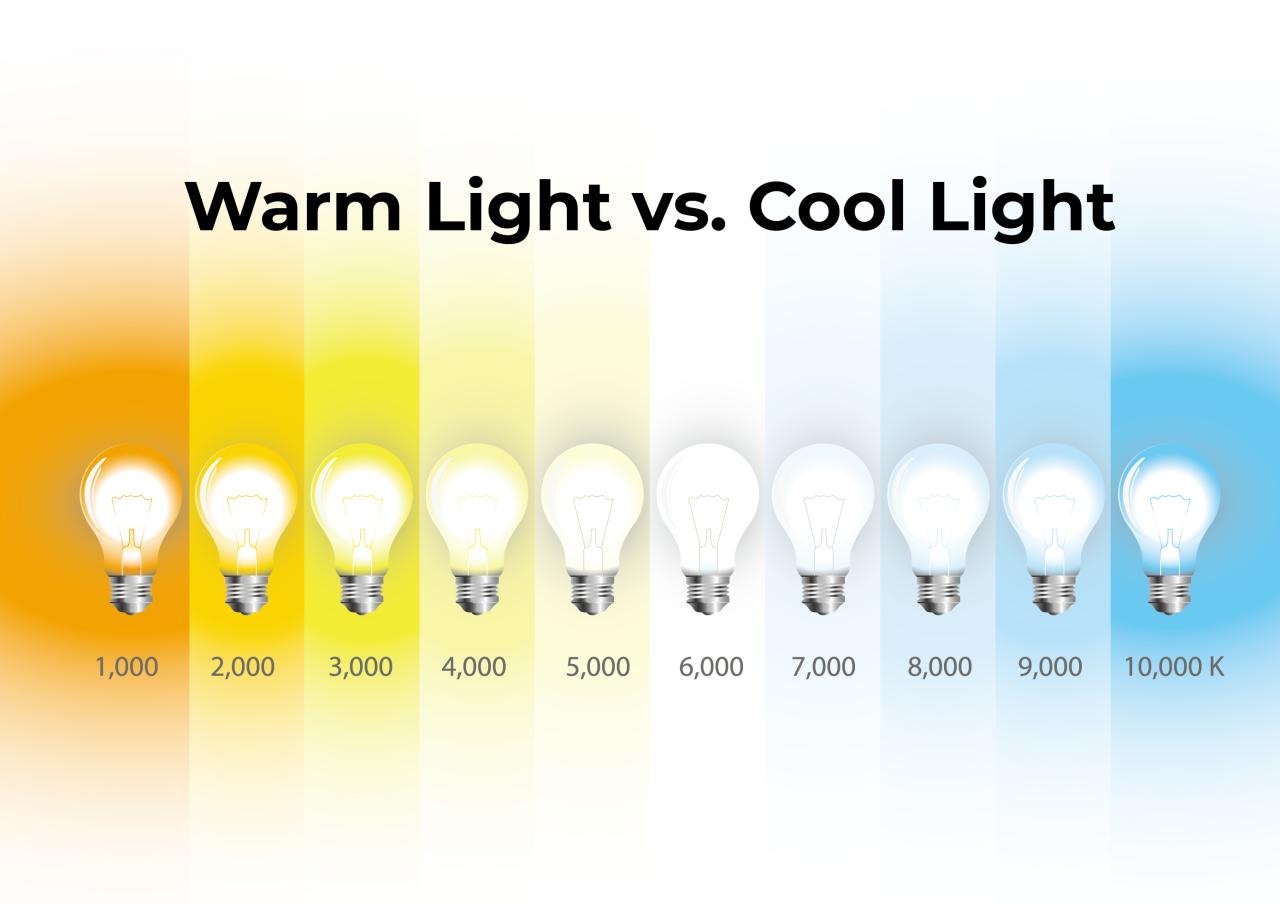
The color of pond lighting significantly affects the mood and overall aesthetic of the nighttime pond environment. Warm colors, such as amber, gold, and soft yellow, tend to create a cozy, inviting atmosphere that accentuates the natural warmth of the water and surrounding landscape. These hues evoke feelings of comfort, relaxation, and tranquility, making the pond a soothing retreat during evening hours.Conversely, cool colors like blue, green, and white produce a more serene and calming effect.
Blue lighting mimics moonlight and can give the pond a mystical or enchanting appearance, emphasizing the water’s reflective qualities. Green hues can evoke a natural, lush feeling, blending seamlessly with aquatic plants and creating a cohesive, nature-inspired scene.Choosing the right color depends on the desired mood and the pond’s design elements. For example:
- Warm lighting is ideal for creating a cozy, intimate ambiance, especially in gardens meant for relaxation or social gatherings.
- Cool lighting enhances the natural aquatic environment, highlighting fish, plants, and stone features while maintaining a peaceful atmosphere.
Selecting Appropriate Brightness Levels
Brightness level is crucial in balancing visibility and comfort for koi and viewers. The primary goal is to illuminate the pond sufficiently to reveal its features and facilitate nighttime viewing without causing glare or stress to the fish.When choosing brightness, consider:
- Visibility needs: For general viewing, a moderate level of illumination is sufficient, typically between 1 to 3 lumens per square foot.
- Fish sensitivity: Koi are sensitive to overly bright lights, which can cause stress or disrupt their natural behaviors. Using dimmer lighting, especially near the water surface, minimizes disturbance.
- Safety and aesthetics: Ensure pathways and edges are visible for safety, but avoid harsh lighting that can create stark contrasts or unwanted reflections on the water surface.
The use of dimmable or adjustable LED lights allows flexibility in managing brightness according to specific needs and times of the night. It is beneficial to start with softer lighting, observe koi behavior, and gradually increase brightness if necessary.
“Proper lighting balances the enhancement of pond features with the comfort of aquatic life, ensuring an inviting yet unobtrusive nighttime environment.”
Warm Versus Cool Lighting in Pond Settings
The choice between warm and cool lighting impacts the overall aesthetic and atmosphere of the koi pond at night. Each type has distinct visual and emotional effects, making them suitable for different pond settings and personal preferences.Warm lighting, with its amber or yellow tones, creates a welcoming and cozy environment. It enhances the natural hues of pond features—such as rocks, wood, and plants—by providing a gentle glow that mimics sunset or sunrise lighting.
Warm lights tend to soften the pond’s appearance, making it ideal for relaxing spaces or social areas where a sense of intimacy is desired.Cool lighting, dominated by blue and white tones, offers a crisp, clean look reminiscent of moonlight. It accentuates the water’s reflective qualities and emphasizes koi coloration, particularly highlighting white, orange, and black patterns. Cool lighting is often preferred in more modern or minimalist pond designs, creating a tranquil, contemplative atmosphere that emphasizes the pond’s natural serenity.Real-life cases have shown that:
- In Japanese garden ponds, warm lighting enhances traditional aesthetics, highlighting wooden bridges and lush foliage.
- In contemporary pond designs, cool blue lighting creates a sleek, almost ethereal effect, especially when combined with underwater features and water movement.
In conclusion, selecting the appropriate light colors and brightness levels involves understanding their psychological and aesthetic impacts, as well as their effects on koi health. Carefully balancing these elements results in a captivating night-time pond that is both beautiful and safe for aquatic life.
Creating a Safe and Eco-Friendly Lighting Environment
Implementing lighting solutions for a koi pond requires careful consideration of environmental impact and wildlife safety. Properly designed lighting not only enhances the aesthetic appeal of your pond at night but also ensures the well-being of aquatic life and surrounding ecosystems. Adopting eco-friendly practices and safety measures helps preserve the natural habitat while making your pond a beautiful, sustainable feature of your garden.
By focusing on minimizing light pollution and employing energy-efficient technologies, pond owners can create a harmonious environment that benefits both the aquatic inhabitants and the local ecosystem. This section explores effective methods to achieve a safe and environmentally responsible lighting setup for your koi pond, emphasizing the importance of thoughtful planning and sustainable choices.
Minimizing Light Pollution and Protecting Pond Wildlife
Light pollution can have detrimental effects on wildlife, disrupting natural behaviors and navigation patterns. For koi ponds situated near natural habitats, it is crucial to minimize unnecessary illumination to prevent disturbing local flora and fauna.
- Use directional lighting fixtures that focus light downward, reducing light spillage into the sky and surrounding areas. This targeted approach prevents light from scattering into the environment and affecting nocturnal animals.
- Implement shielded or full-cutoff lights that prevent glare and limit light dispersion beyond the pond perimeter. These fixtures are designed to direct illumination precisely where needed, avoiding excess brightness.
- Opt for lower-intensity lights that provide sufficient illumination for safety and aesthetic purposes without overwhelming the environment. Maintaining gentle lighting levels helps keep the natural nocturnal cycle intact.
- Regularly assess and adjust lighting to ensure minimal ecological disruption, especially during breeding or migration seasons when wildlife activity is heightened.
Effective lighting design balances aesthetic appeal with ecological responsibility, ensuring your pond enhances rather than harms its environment.
Using Solar-Powered Lights and Timers for Energy Conservation
Adopting solar-powered lighting systems and timers significantly reduces energy consumption, making your pond lighting more sustainable and cost-effective. These technologies harness natural resources and automate lighting schedules, contributing to environmental preservation.
- Solar-powered lights utilize photovoltaic panels to convert sunlight into electricity, storing energy in batteries for nighttime illumination. They require minimal wiring and maintenance, making installation straightforward and eco-friendly.
- Timers allow you to schedule lighting precisely, ensuring lights operate only during desired hours. This prevents unnecessary energy use and minimizes light pollution by avoiding prolonged or accidental illumination.
- Combining solar lighting with timers creates a fully autonomous system that maximizes energy savings while maintaining consistent lighting for safety and aesthetic enhancement.
- Consider weather-resistant and waterproof solar fixtures to ensure durability and reliable performance in varying environmental conditions.
Implementing renewable energy solutions not only conserves resources but also aligns with sustainable gardening practices, making your koi pond a model of eco-conscious design.
Guidelines for Avoiding Over-Illumination That Stresses Fish or Attracts Predators
Excessive or poorly directed lighting can stress koi fish, interfere with their natural behaviors, and attract predators such as herons or cats. It is essential to adopt lighting practices that promote a peaceful and secure environment for aquatic life.
- Maintain moderate lighting levels that provide visibility without causing glare or stress to fish. Overly bright lights can lead to fish hiding excessively or exhibiting abnormal behaviors.
- Use dimmable fixtures or adjustable brightness settings to fine-tune light intensity based on seasonal and weather conditions, ensuring a comfortable environment year-round.
- Position lights away from the water surface and avoid direct illumination into the pond to prevent startling or stressing the fish. Angling fixtures downward and away from the pond helps achieve this goal.
- Implement lighting only during specific periods, such as for observation or security, and turn it off during late-night hours to mimic natural darkness, reducing stress and preventing predator attraction.
- Incorporate natural barriers, such as plants or screens, to shield the pond from external light sources and reduce visibility to predators.
Thoughtful lighting design enhances the safety and health of your koi fish while maintaining an environmentally friendly and visually appealing pond environment.
Maintenance and Troubleshooting of Koi Pond Lighting
Proper maintenance and effective troubleshooting are essential to ensure the longevity and optimal performance of your koi pond lighting system. Regular attention prevents potential issues from escalating and helps maintain a safe, attractive nighttime environment for both your koi and your landscape features. By following a structured maintenance routine and understanding common problems, you can enjoy consistent, beautiful illumination without unnecessary interruptions.Routine maintenance includes routine cleaning, timely bulb replacement, and electrical system checks.
These steps help prevent issues such as dirt buildup, corrosion, or component failures that could compromise the safety and functionality of your lighting system. Troubleshooting addresses common lighting problems such as flickering, failure to turn on, or inconsistent brightness. Employing systematic diagnostic procedures ensures quick resolution, minimizing downtime and protecting your investment.
Routine Cleaning, Bulb Replacement, and Electrical Checks
Maintaining a clean and well-functioning lighting system involves scheduled tasks that keep components in prime condition. Regular cleaning of light fixtures removes algae, dirt, and debris that can obscure light output or cause overheating. Use soft, non-abrasive cloths and gentle cleaning solutions suitable for electrical components to avoid damage.Bulb replacement should be performed based on the manufacturer’s recommended lifespan, typically ranging from 1,000 to 10,000 hours depending on the type of bulb used.
When replacing bulbs, ensure the system is disconnected from power to avoid electrical shock. Select bulbs of the same wattage and color temperature to maintain visual consistency and safety.Electrical checks involve inspecting wiring, connectors, and protective devices such as fuses and circuit breakers. Look for signs of corrosion, loose connections, or damaged insulation. Testing voltage levels with a multimeter ensures the system receives consistent power and identifies issues before they cause system failure.
Common Issues and Troubleshooting Steps
Understanding typical problems that can occur with koi pond lighting enables prompt and effective responses. Common issues include flickering lights, complete failure, or uneven brightness. Addressing these problems involves systematic troubleshooting:
- Flickering Lights: Usually caused by loose connections, failing bulbs, or voltage fluctuations. Tighten any loose wiring connections, replace faulty bulbs, and verify the electrical supply stability.
- Lights Not Turning On: Check power supply and circuit breakers. Confirm switches are in the correct position and inspect for blown fuses. If power is present but lights still do not operate, test the wiring and connections for faults.
- Inconsistent Brightness: May indicate aging bulbs or voltage drops. Replace aging bulbs and consider upgrading to LED fixtures with adjustable brightness for better control.
- Corrosion or Water Damage: Exposure to moisture can cause corrosion of fixtures or connectors. Replace corroded parts and ensure fixtures are rated for underwater or outdoor use, with proper sealing and waterproof connections.
To troubleshoot effectively, always start with the simplest solutions—checking power sources and connections—before progressing to more complex diagnostics such as testing individual components or replacing parts.
Organizing Maintenance Schedules Using Visual Methods
Establishing a clear maintenance schedule optimizes system reliability and minimizes unexpected failures. Visual tools such as tables or charts simplify tracking tasks and deadlines, making maintenance more manageable.A typical maintenance schedule might include:
| Task | Frequency | Notes |
|---|---|---|
| Cleaning fixtures and lenses | Monthly | Use non-abrasive cloths and gentle cleaning solutions |
| Inspecting wiring and connections | Quarterly | Look for corrosion, loose fittings, or water ingress |
| Replacing bulbs | Based on lifespan, typically annually | Keep spare bulbs of matching specifications |
| Electrical system testing | Biannually | Check voltage, circuit integrity, and protective devices |
| Waterproof sealing and fixture checks | Annually | Ensure fixtures are sealed against moisture ingress |
Implementing such a schedule creates a proactive approach, preventing issues before they impact system performance. Utilizing color-coded charts or digital reminders can further enhance organization and accountability, ensuring your koi pond lighting remains beautiful and safe through every season.
Enhancing Pond Appeal with Dynamic Lighting Effects

Lighting a koi pond at night offers an extraordinary opportunity to create captivating visual displays that highlight the pond’s natural beauty and add an element of magic to your outdoor space. Incorporating dynamic lighting effects transforms a static illumination setup into an engaging, ever-changing spectacle that can impress guests and enhance the ambiance of your garden or backyard. By utilizing techniques such as color-changing LEDs, dimming controls, and spotlight rotations, you can craft a versatile lighting environment suited for various occasions and seasonal themes.Dynamic lighting effects bring depth, movement, and vibrancy to your koi pond, making it a focal point even after sunset.
These effects can be tailored to complement different events, holidays, or simply to reflect your personal style. When planning such features, it’s essential to choose lighting tools that offer reliability, safety, and compatibility with outdoor environments. The creative possibilities are vast, allowing you to design unique displays that evolve seamlessly with your landscape.
Techniques for Creating Dynamic Lighting Effects
Implementing dynamic lighting effects involves a combination of innovative tools and thoughtful design. Color-changing LEDs are among the most popular choices, enabling a spectrum of hues to shift gradually or abruptly, creating mesmerizing color transitions across the pond’s surface. Dimming controls allow you to adjust brightness levels smoothly, setting the mood from subtle glow to vibrant illumination, which is especially useful for evening gatherings or relaxing nights.Spotlight rotations can be employed to highlight specific features, such as elegant water plants, decorative stones, or the koi themselves.
By installing adjustable spotlights on motorized bases or utilizing smart LED fixtures with built-in rotation capabilities, you can simulate natural movements like rippling water or the shifting phases of the moon. These effects not only enhance visual appeal but also add a dynamic dimension that keeps the pond interesting throughout the night.
For designing seasonal or themed lighting displays, consider the following approaches:
- Spring themes: Use pastel-colored LEDs with gentle dimming to evoke freshness and renewal, complemented by floating lanterns or blossom-inspired projections.
- Summer nights: Bright, vibrant colors with rapid transitions can evoke lively energy, enhanced with rotating spotlights that mimic swirling water or fireflies.
- Autumn displays: Warm amber and gold tones, combined with slow color fades, create a cozy, harvest-inspired ambiance.
- Holiday themes: Incorporate red, green, or multicolored flashing lights synchronized with music or sound effects for festive celebrations.
Examples of Creative Lighting Arrangements
To inspire your koi pond lighting design, here are some illustrative arrangements showcasing innovative use of dynamic effects:
- Color gradient water feature: Install RGB LED strips along the pond edge that change hue gradually, simulating sunrise or sunset moods, with synchronized underwater spotlights highlighting koi movements.
- Rotating spotlights: Position adjustable spotlights on pivot bases around the pond perimeter to rotate around key features, creating a sense of movement and focus.
- Layered lighting design: Combine submerged LEDs with floating lanterns and pathway lights, adjusting brightness and colors independently to produce depth and layered visual interest.
- Timed light shows: Program a sequence of color changes and spotlight rotations that align with music, transforming your pond into a live performance space during special events.
- Seasonal thematic displays: Use programmable LEDs to switch between themes, such as icy blue hues in winter or lush green for spring, adding a dynamic, festive touch to your outdoor environment.
Best Practices for Nighttime Observation and Enjoyment
Creating an enjoyable and safe environment around a koi pond at night enhances the aesthetic appeal and provides a tranquil space for relaxation and observation. Proper planning and attention to safety, lighting angles, and environmental considerations ensure that your pond remains a harmonious feature of your landscape while allowing you to appreciate its beauty after dusk.Observation and enjoyment of your koi pond at night require careful consideration of safety protocols, optimal viewing areas, and minimal disturbance to aquatic life.
Implementing these best practices promotes a peaceful experience that respects the pond’s ecosystem while maximizing visual pleasure.
Safe Navigation Around the Pond at Night
Navigating around the pond safely during nighttime hours is essential to prevent accidents and preserve the pond’s integrity. Good lighting and clear pathways contribute significantly to safety, especially in low-light conditions.To ensure safe navigation:
- Install pathway lighting along walkways and around seating areas using low-intensity, warm-colored lights that illuminate the path without overpowering the pond’s ambiance.
- Use non-slip, textured surfaces for walkways to prevent slips and falls, especially when the ground is moist or damp.
- Keep electrical connections and lighting fixtures weatherproof and properly grounded to avoid electrical hazards.
- Maintain unobstructed views by trimming foliage and removing any debris that could cause tripping or conceal hazards.
Additional safety measures include installing handrails along steps or steep inclines and ensuring that all lighting fixtures are securely mounted and away from the pond’s edge to prevent accidental falls.
Creating Viewing Areas with Optimal Lighting Angles
Designing designated viewing zones with appropriate lighting enhances the visual experience while maintaining safety and ecological balance. Properly oriented lighting minimizes glare and highlights key features of the pond, such as the koi, aquatic plants, and water features.Key considerations for effective viewing areas include:
- Positioning lights at oblique angles to the water surface reduces glare and reflections, allowing clearer viewing of the pond’s inhabitants.
- Using adjustable fixtures enables customization of light direction and intensity, catering to different viewing preferences and scenarios.
- Incorporating soft, diffused lighting around seating or observation decks creates a cozy atmosphere that encourages prolonged enjoyment.
- Ensuring that lighting fixtures are shielded or recessed prevents direct eye contact with bright bulbs, which can cause discomfort or hinder night vision.
Strategic placement of lights enhances the pond’s visual appeal without overwhelming the natural ambiance, ensuring that visitors can comfortably observe koi and water features.
Elevating the Visual Experience with Minimal Disturbance to Aquatic Life
Balancing aesthetic enhancement with the well-being of aquatic life is vital when designing night lighting for koi ponds. Excessive or poorly directed illumination can stress fish and disrupt natural behaviors.Effective ways to elevate the visual experience while safeguarding aquatic life include:
Utilize low-intensity, warm-colored lighting that mimics natural moonlight, creating a gentle glow that illuminates the pond without startling fish or aquatic plants.
Additional strategies encompass:
- Employing underwater LED lights with adjustable brightness allows for subtle illumination that enhances visibility without overwhelming the ecosystem.
- Applying timers and motion sensors to turn lights on and off intelligently prevents constant illumination, which can cause stress to koi and other pond inhabitants.
- Using directional fixtures that focus light downward or into the water minimizes light spill into surrounding environments, reducing disturbance.
- Regularly monitoring fish behavior and water quality ensures that the lighting setup remains environmentally compatible and safe for aquatic life.
By prioritizing minimal disruption, you can enjoy a beautifully lit koi pond that coexists harmoniously with its aquatic ecosystem, providing a serene night-time viewing experience.
Final Thoughts

In conclusion, thoughtful night lighting transforms your koi pond into a captivating focal point while maintaining safety and environmental harmony. By choosing appropriate lighting options and adhering to best practices, you can enjoy your pond’s beauty even after sunset.