Understanding how to identify koi fish varieties is essential for enthusiasts and breeders seeking to appreciate the diversity and beauty of these ornamental fishes. Accurate identification not only enhances overall enjoyment but also aids in selecting the right koi for breeding or show purposes.
This guide covers key aspects such as physical traits, color patterns, scale types, and origin clues, providing a comprehensive approach to distinguishing among various koi breeds with confidence and precision.
Common Koi Fish Varieties
Koi fish are celebrated worldwide for their vibrant colors, unique patterns, and graceful movements. Recognizing the most popular koi varieties allows enthusiasts and breeders to appreciate the diversity and select specimens that best suit their aesthetic preferences or pond conditions. Each variety exhibits distinct features in coloration, scale type, and body shape, making them easily distinguishable when properly observed.
This overview highlights the key differences among the most recognized koi varieties, providing a clear understanding of their visual identifiers and characteristics. Whether for ornamental purposes or breeding, identifying these varieties accurately enhances the appreciation and care of these magnificent fish.
Popular Koi Fish Varieties and Their Features
Understanding the different koi varieties involves examining their distinctive color patterns, body shapes, and scale types. The following details provide insight into the most favored types, their unique visual signatures, and key attributes that set them apart.
| Variety | Scale Type | Typical Size | Coloration & Pattern | Visual Identifiers |
|---|---|---|---|---|
| Kohaku | Scaled | 24-36 inches | White body with bright red markings | Pure white base with vivid red patches; symmetrical pattern; clean edges between colors |
| Soragoi | Scaleless | 18-24 inches | Solid metallic blue-green or purple | Uniform metallic sheen; smooth, scaleless body; sleek body shape |
| Tancho | Scaled | 20-30 inches | White with a single red spot on the head | White body with a distinct, circular red marking on the head; minimal pattern variation |
| Showa Sanshoku | Scaled | 24-36 inches | Black base with red and white markings | Black background with red and white patches; bold and contrasting patterns; often with black markings on fins |
| Shusui | Scaled | 20-30 inches | Blue body with red fins and a red line along the back | Dark blue body with a distinctive red dorsal line; smooth scales; elegant elongated body |
| Bekko | Scaled | 20-28 inches | White, yellow, or red with black spots | Solid background color with clearly defined black spots; spots are round and evenly distributed |
Visual identifiers are crucial for correctly distinguishing these varieties. For example, the Kohaku’s hallmark is its pure white and vivid red pattern, often symmetrical and sharply defined. In contrast, the Showa Sanshoku displays a predominantly black body accented with red and white patches, creating a bold contrast. The Tancho’s hallmark is its singular, circular red spot on the head, which is a popular feature for those seeking a simple yet elegant koi.
The Shusui’s metallic blue hue combined with the red dorsal line exemplifies its graceful appearance, while Bekko’s black-spotted pattern provides a striking visual contrast on a lighter background. Recognizing these features helps in selecting koi that align with personal preferences and pond aesthetics.
Genetic and Morphological Traits

Understanding the genetic and morphological characteristics of koi fish is essential for accurately identifying different varieties. These traits are the result of selective breeding, natural genetic variation, and environmental influences that shape the physical appearance of each koi type. Recognizing these features helps enthusiasts and breeders distinguish between varieties and appreciate the diversity within koi populations.
Genetic factors play a pivotal role in determining the coloration, patterning, scale type, and body proportions of koi fish. These inherited traits are expressed physically, forming the basis for the visual identification of each variety. Morphological traits such as fin shape, body structure, and scale types further differentiate koi varieties, and their variations are often linked to specific genetic backgrounds.
Analyzing these traits provides a comprehensive understanding of the origins and distinctions among koi fish.
Genetic Factors Influencing Koi Characteristics
The genetic makeup of koi fish influences a broad spectrum of physical traits, including coloration, pattern distribution, and structural features. Selective breeding has intensified specific traits over generations, resulting in distinct varieties celebrated for unique visual appeal.
- Color Genes: Genes responsible for pigmentation produce a range of colors such as red, white, black, yellow, and metallic shades. These genes can be dominant or recessive, affecting how traits are expressed in offspring.
- Pattern Genes: Patterning, including spots, stripes, and blotches, results from complex interactions of multiple genes. For example, the Kohaku variety exhibits a red pattern over a white base, determined by specific patterning genes.
- Scale and Body Genes: Genes determining scale types (e.g., regular, metallic, or lined scales) and body shape influence the fish’s overall appearance. Some varieties favor a more streamlined body, while others emphasize rounded or elongated forms.
Morphological Traits and Their Manifestations
Physical traits such as fin shape, body structure, and scale types are critical identifiers for koi varieties. These morphological features are observable and often serve as primary distinguishing factors in classification.
| Trait | Kohaku | Sanke | Showa | Tancho |
|---|---|---|---|---|
| Color Pattern | Red markings on white background, with clean edges | Red and black pattern over white base, with more complex markings | Black base with red and white markings, often with large black patches | |
| Scale Type | Regular scales, sometimes metallic | Regular scales, with some metallic or lined appearance in specific varieties | Standard scales, often with a metallic sheen | |
| Body Structure | Robust, torpedo-shaped body with symmetrical fins | Similar to Kohaku but with additional pattern complexity and black markings | Streamlined, elongated body with prominent fins | |
| Fin Shape | Standard, symmetrical fins with rounded edges | Similar to Kohaku, with slightly elongated pectoral fins | Longer, flowing fins that enhance movement elegance | |
| Scale Type | Standard or metallic scales | Standard scales, sometimes lined or metallic | Generally standard scales but with an emphasis on metallic sheen |
In summary, the genetic makeup of koi directly influences their physical traits, which include coloration, patterning, scale types, and body form. Recognizing these traits allows for accurate identification of varieties and understanding of their breeding origins. Morphological features such as fin shape, scale texture, and body proportions provide additional distinctive characteristics that help differentiate among the diverse koi varieties.
Scale and Body Features
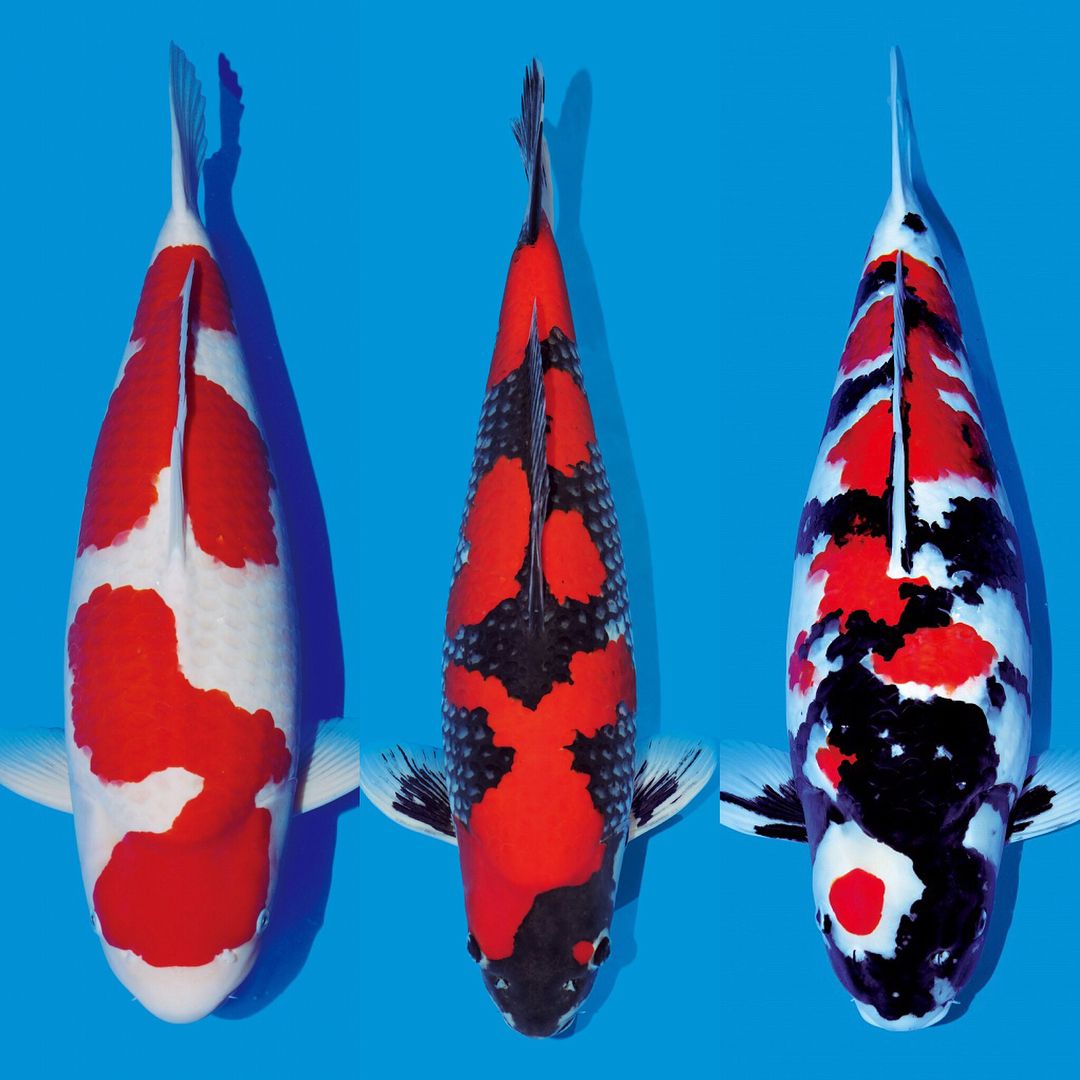
Understanding the scale types and physical features of koi fish is vital for accurate identification of varieties. These traits not only influence the aesthetic appeal of the koi but also provide insights into their genetic lineage and health status. A detailed examination of scales, body shape, and fin placement can significantly aid enthusiasts and breeders in distinguishing between different koi varieties with confidence.
Variations in scale types such as doitsu (German for “scales”) versus fully scaled koi are prominent among the different breeds. Body features, including overall shape, fin configuration, and posture, are equally important markers. Proper inspection techniques can reveal subtle differences that distinguish one variety from another, especially when combined with genetic and morphological assessments.
Scale Types and Identification
Analyzing the scale pattern and type is a fundamental step in koi identification. Koi can exhibit either fully scaled bodies or doitsu (rasied, mirror-like) skin, each associated with specific varieties and breeding traits. Recognizing these differences requires careful examination of the fish’s body surface.
- Fully Scaled Koi: These koi possess a dense, uniform covering of scales that extend over the entire body, including the dorsal and lateral surfaces. The scales are usually well-aligned and can be of various sizes depending on the variety.
- Doitsu Koi: Characterized by a lack of scales along the lateral line, with scales primarily appearing along the dorsal line, fins, and occasionally the tail. Their skin appears smoother and gleams differently under light, often giving a mirror-like effect.
To accurately identify scale types, gently observe the koi in good lighting conditions, preferably against a contrasting background. Use your fingers lightly to feel the surface, noting the presence and distribution of scales. For doitsu koi, the absence of scales along the sides is a key identification feature, while fully scaled koi will have a consistent scale pattern across the body.
Examining Body Shape and Fins
Assessing the physical form of koi involves examining their overall body shape, fin placement, and other anatomical features. These characteristics are crucial for determining the breed and assessing the health and vitality of the fish.
- Body Shape: A well-proportioned koi generally has a robust, symmetrical body with a slight taper from the head to the tail. Certain varieties, such as the Showa or Sanke, tend to have a more elongated shape, while others like the Tancho are more compact.
- Fin Placement and Size: The positioning and size of fins are distinctive among varieties. The dorsal fin should be centered along the back, with pectoral fins located just behind the gill covers. The tail fin should be symmetrical and well-spread, indicating good health and balance.
- Other Features: Observe the head shape, the protrusion of the mouth, and the presence of any distinctive markings or features such as whisker-like barbels or unique patterns that align with specific breeds.
Perform a thorough physical inspection by gently holding the koi in shallow water or viewing it in a stationary tank. Look for symmetry, smoothness of scales, and clarity of fins. A healthy koi displays vibrant coloration, clear fins without tears or fraying, and a body free of deformities or injuries.
Step-by-Step Inspection Procedure
To systematically examine koi fish for scale type and body features, follow this detailed guide:
- Prepare your viewing area: Ensure good lighting, preferably natural or bright white LED lights, and a clean, contrasting background for clear visibility.
- Initial visual assessment: Observe the koi from a distance to note overall health, coloration, and body posture.
- Close-up examination: Gently guide the fish into a shallow tank or hold it carefully with wet hands to minimize stress. Use your fingers to feel the surface for scale texture and arrangement.
- Identify scale pattern: Check for full coverage of scales across the body or the presence of only dorsal and fin scales typical of doitsu koi.
- Assess body proportions: Observe the body shape for symmetry and proportion, noting any deformities or abnormalities.
- Inspect fins and tail: Look for proper placement, size, and condition of fins. Ensure they are symmetrical and free of tears or damage.
- Note unique features and markings: Record any distinctive markings, head shape, or features that help identify the variety.
Following this systematic approach ensures an accurate evaluation of koi’s scale and body features, which are essential for proper classification, breeding decisions, and health assessments.
Breeding and Origin Clues
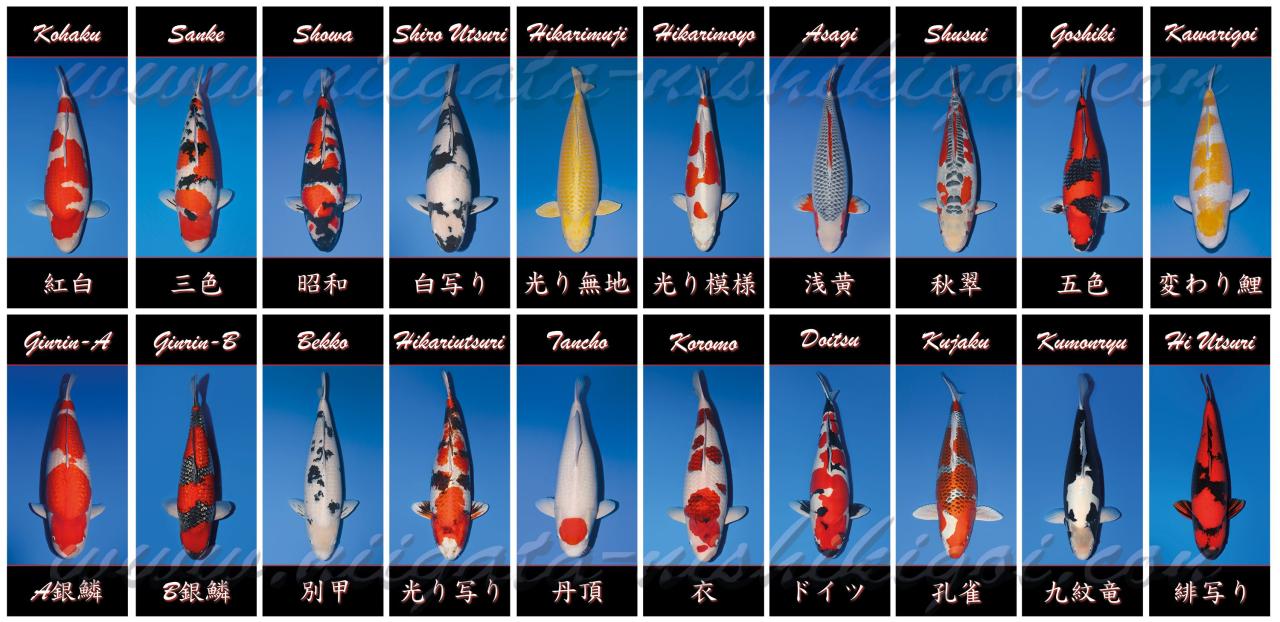
The history of breeding and the geographic origin of koi fish significantly influence their genetic makeup and physical traits. Understanding these origins provides valuable insights into the distinctive characteristics of various koi varieties and aids in accurate identification. Breeders and enthusiasts often rely on lineage and regional traits to determine the heritage of a koi, especially when assessing potential hybridization or purity of a lineage.
Tracing lineage involves analyzing physical features, pattern traits, and sometimes, genetic testing. Geographic origins contribute specific traits that have been honed over generations through selective breeding practices unique to certain regions. Recognizing these clues can help in identifying hybrid koi and understanding the lineage of particular specimens, which is essential for conservation, breeding programs, and maintaining breed standards.
Influence of Breeding History and Geographic Origin on Koi Traits
Breeding history and geographic origin shape a koi’s appearance, pattern, coloration, and body structure. For instance, koi developed in Japan—such as the Kohaku or Sanke—often showcase refined patterns and vibrant colors resulting from centuries of dedicated breeding. Conversely, koi from China or other regions may display broader body shapes or different color dominance, reflecting regional preferences and breeding goals.
Specific breeding lines have been established to emphasize certain traits, such as fin shape, scale pattern, or coloration. These lines often carry subtle yet identifiable differences, which can be traced back to their regional and genetic roots. For example, the Tancho lineage is distinguished by its unique red spot on a white body, a trait highly valued in Japanese breeding lines, while the Showa variety features a black base with red and white markings, highlighting different breeding priorities.
Methods to Trace Lineage or Identify Hybrid Variations
Accurately determining lineage or hybrid status involves a combination of visual assessment and scientific techniques. Experienced breeders examine specific physical traits, including pattern symmetry, coloration distribution, and scale types, to infer lineage. Morphological traits such as body shape, fin placement, and scale arrangement can reveal hybridization, particularly when they deviate from standard breed features.
Genetic testing has become increasingly accessible and reliable, allowing for precise identification of lineage and hybrid status. DNA analysis can pinpoint specific markers associated with particular breeding lines or regions, providing definitive evidence of parentage. Additionally, pattern analysis, especially with well-documented lineages, can offer clues—such as the presence of unique markings or color combinations—that align with known regional or breed-specific traits.
This combination of visual appraisal and genetic verification enhances the accuracy of lineage determination, ensuring the integrity of breeding programs and aiding enthusiasts in making informed selection choices.
Examples of Common Breeding Lines and Distinguishing Features
Several well-known breeding lines have emerged through dedicated regional efforts, each with characteristic traits that make them recognizable:
| Breeding Line | Region of Origin | Distinguishing Features |
|---|---|---|
| Kohaku | Japan | Pure white body with a single red pattern, symmetrical and well-defined; smooth scales; elegant body Artikel. |
| Sanke (Taisho Sanshoku) | Japan | White body with red and black markings; black spots typically on the head or fins; balanced pattern distribution. |
| Showa (Showa Sanshoku) | Japan | Black base with red and white markings; often with a more aggressive pattern contrast; black coloration may extend into fins. |
| Chagoi | Japan | Solid greenish-brown or olive coloration; smooth, scaled body; calm temperament. |
| Jumbo Koi | Various regions (selective breeding) | Large body size with robust build; coloration varies widely; often selected for size over pattern. |
Recognizing these features aids breeders and collectors in identifying the lineage and breed purity, which is essential for maintaining standards and ensuring genetic diversity within koi populations.
Practical Identification Techniques
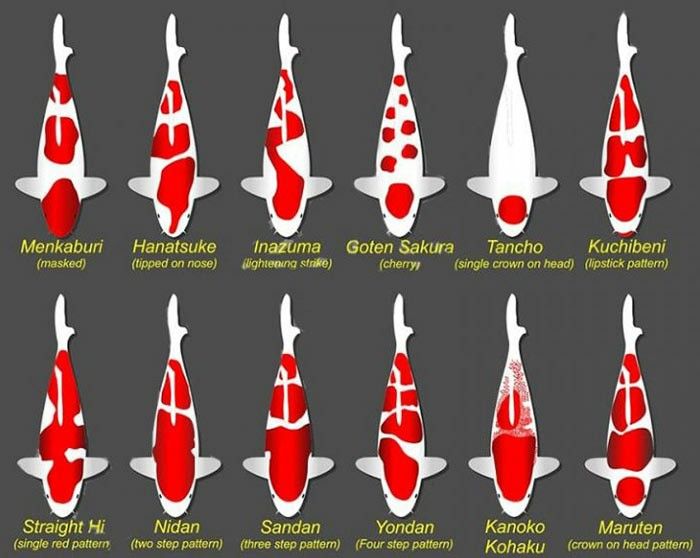
Effective identification of koi fish varieties requires a systematic approach that combines visual inspection with organized documentation. Developing a practical checklist ensures consistency and accuracy during the evaluation process, especially when distinguishing subtle differences among similar varieties. Additionally, employing techniques such as side-by-side comparison and magnification can reveal fine details that are not immediately apparent to the naked eye. These methods not only enhance the accuracy of identification but also deepen the observer’s understanding of the unique traits associated with each koi variety.
By integrating a structured checklist with hands-on inspection techniques, enthusiasts and breeders can accurately classify koi fish, making informed decisions for breeding, selling, or displaying their fish. The following sections Artikel how to create an effective visual inspection checklist, utilize comparison and magnification methods, and systematically record observed traits for reliable identification.
Organizing a Visual Inspection Checklist
Creating an organized checklist is essential for standardizing the identification process. A well-designed checklist helps ensure that all relevant traits are evaluated consistently across different specimens and observers. It should include categories such as body shape, scale type, coloration, pattern, fin structure, and other distinctive features specific to koi varieties.
Start by dividing the checklist into sections that correspond to key morphological traits, and include specific criteria for each trait to facilitate objective assessment. For example, in the coloration section, list possible color patterns and their expected placements, while in the scale section, specify whether the scales are reflective, metallic, or matte. This structured approach minimizes oversight and provides a comprehensive overview of each fish’s characteristics.
When using the checklist, observe each koi carefully and mark the traits that correspond to the criteria. Over time, this systematic approach builds a reliable database that can be referenced for future identification efforts, breeding decisions, or educational purposes.
Comparison and Magnification Techniques
Comparing koi side-by-side is an effective method to identify subtle differences that might be overlooked when observing a single fish. Placing two or more koi next to each other allows for direct visual comparison of traits such as body proportions, pattern symmetry, coloration intensity, and scale arrangement. This method helps highlight variations within a variety or between different varieties, especially when dealing with closely related types.
Using a magnifying glass or a hand lens further enhances the ability to observe fine details. Magnification is particularly useful for examining scale structure, such as the presence of metallic or reflective qualities, and for noting minute pattern details or fin ray structures. When inspecting with magnification, focus on areas like the dorsal fin, pectoral fins, and body scales, and look for consistent traits that distinguish one variety from another.
Tip: Consistent lighting and a neutral background improve visibility and reduce shadows, making subtle features easier to observe during inspection.
Sample Recording Table for Trait Observation
Maintaining an organized record of observed traits facilitates comparison and helps in making accurate identification decisions. A simple tabular format allows for quick data entry and review. Here is a sample structure for recording koi traits during inspection:
| Fish ID | Body Shape | Scale Type | Color Pattern | Dominant Colors | Fin Structure | Pattern Symmetry | Additional Remarks |
|---|---|---|---|---|---|---|---|
| 001 | Deep and rounded | Regular reflective scales | Hi and Showa | Red, black, white | Well-defined, elongated | Symmetrical | Distinct black markings on head |
| 002 | Slightly elongated | Metallic scales | Asagi | Blue, red | Standard fin structure | Asymmetrical pattern on side | Bright coloration, specific to Asagi |
This table enables breeders and hobbyists to systematically record and compare traits across multiple koi specimens, ultimately leading to more accurate identification and selection. Consistent data entry and review support better understanding of the variations within and between koi varieties, facilitating more informed breeding and care decisions.
Additional Resources and References
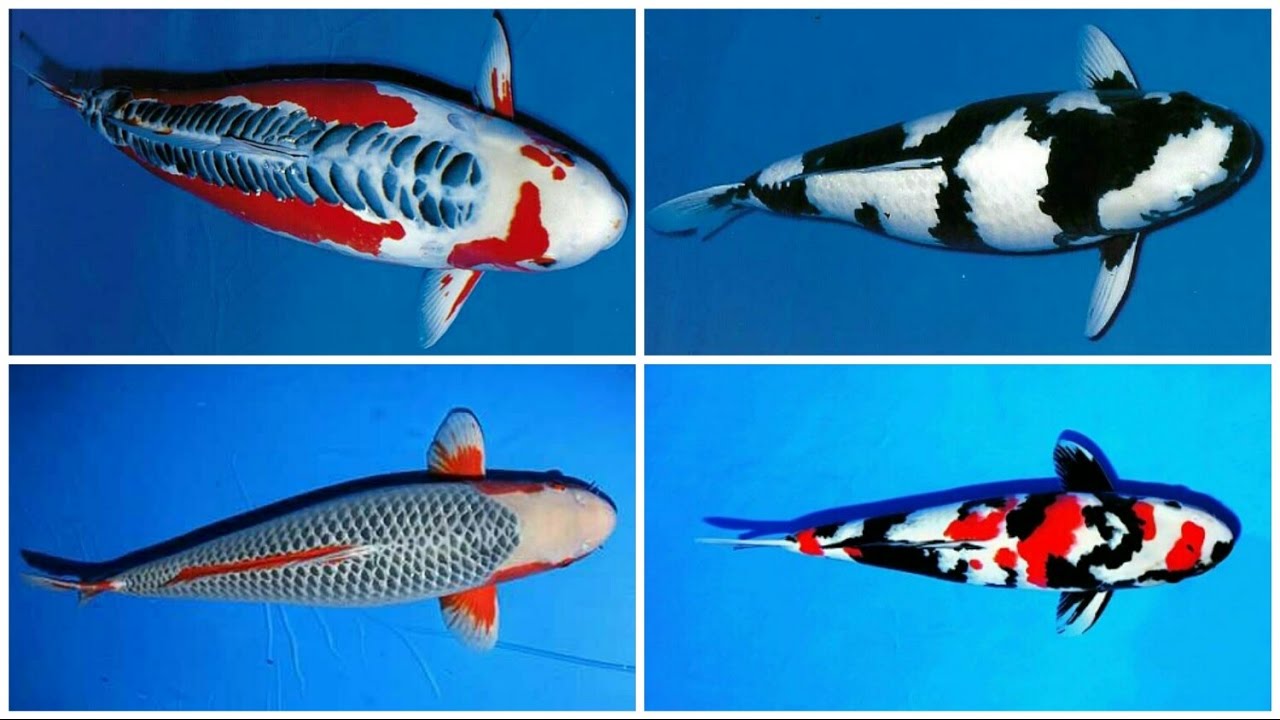
Understanding koi fish varieties involves a detailed examination of various characteristics and traits, but accessing reliable sources and engaging with community experts can significantly enhance identification accuracy. These resources serve as valuable tools for hobbyists, breeders, and enthusiasts aiming to deepen their knowledge and refine their skills in koi identification. Exploring authoritative guides, catalogs, and community platforms offers a well-rounded approach to learning about koi diversity and distinguishing features.Expert guides, koi catalogs, and aquaculture references are foundational tools for accurate identification and comprehensive understanding of koi varieties.
These sources compile extensive data, high-quality images, and detailed descriptions that aid in recognizing specific traits. They often include genetic lineage, morphological features, scale patterns, and history, enabling enthusiasts to compare their observations with established standards. Renowned publications such as the “Koi Varieties and Pond Fish” guide by the Koi Society or regional koi catalogues published by professional breeders provide authoritative insights rooted in years of research and breeding experience.Online forums and local koi clubs are invaluable communities that facilitate knowledge exchange and practical assistance.
Participating in these groups allows enthusiasts to share photographs, ask questions, and receive feedback from experienced breeders and hobbyists. Many forums feature dedicated sections for koi identification, where detailed images and descriptions are analyzed collaboratively. Local koi clubs often host events, workshops, and competitions, offering firsthand access to expert opinions and live demonstrations of trait recognition. Connecting with these communities fosters a supportive environment for continuous learning and refinement of identification skills.When utilizing external resources, key visual identifiers are crucial for effective consultation.
Essential features to observe include distinctive color patterns, scale types, body shape, fin placement, and unique markings. For instance, recognizing the specific patterning of a Kohaku with its red markings on a white background, or identifying the metallic sheen characteristic of a Platinum Ogon, can be decisive. Comparing your observations with high-quality images and detailed descriptions from trusted sources enhances accuracy.
Paying close attention to measurements, symmetry of markings, and overall body proportions further refines identification efforts, especially when cross-referenced with expert guides or detailed catalogs.
Wrap-Up
In conclusion, mastering how to identify koi fish varieties combines attention to detail with knowledge of genetic and morphological traits. Utilizing visual cues, comparison techniques, and additional resources empowers enthusiasts to make informed identifications, enriching their koi keeping experience and appreciation for these stunning creatures.