Understanding how to identify koi fish health problems is essential for maintaining a vibrant and healthy pond environment. Recognizing early signs of illness not only ensures prompt treatment but also promotes the well-being of these beautiful aquatic creatures. By paying close attention to their appearance and behavior, koi owners can prevent minor issues from escalating into serious health concerns.
This comprehensive guide covers visual symptoms, common diseases, water quality factors, behavioral changes, visual inspection techniques, diagnostic procedures, and preventative practices. Equipped with this knowledge, koi enthusiasts can confidently monitor and sustain the health of their fish, ensuring a thriving pond ecosystem.
Common Signs of Health Problems in Koi Fish
Monitoring the physical appearance and behavior of koi fish is essential for early detection of health issues. Recognizing subtle changes can prevent serious illnesses and promote a healthy pond environment. Regular observation helps koi owners identify problems promptly, ensuring timely intervention and maintaining the vibrant vitality of their fish.
Visual symptoms and abnormal activity patterns serve as critical indicators of potential health concerns. By understanding what to look for, pond enthusiasts can differentiate between normal variations in behavior and signs of underlying health problems. Systematic monitoring and documentation further enhance the ability to detect issues early, facilitating effective treatment strategies.
Visual Symptoms Indicating Koi Health Issues
Observing physical traits and swimming behaviors provides vital clues to koi health status. Changes in the fish’s appearance or activity level often precede more severe symptoms, making them valuable for early diagnosis.
- Skin Discoloration: Sudden or irregular changes in color, such as pale patches, darkening, or blotchy areas, may signal stress, infection, or parasitic infestation. For example, koi with white patches that develop rapidly could be experiencing a fungal or bacterial infection.
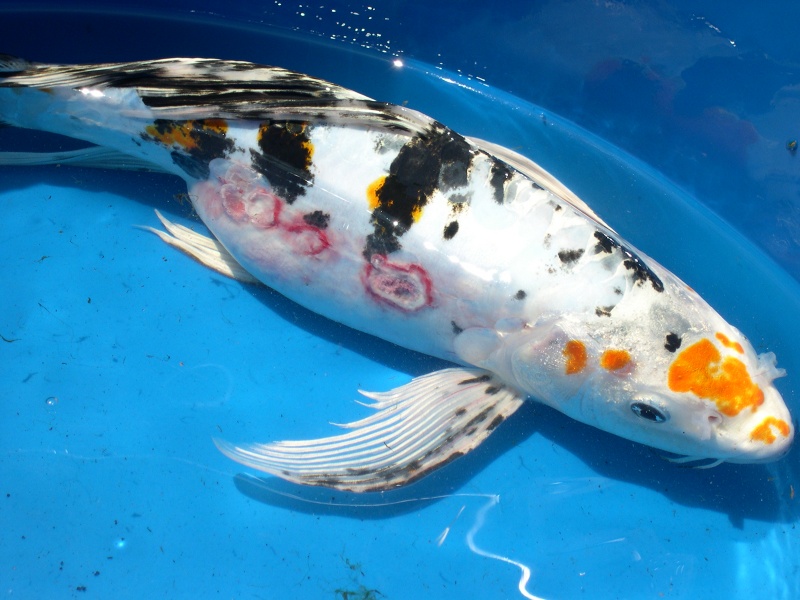
- Lesions or Ulcers: Open wounds, ulcers, or raw patches on the skin indicate infections, injuries, or parasitic activity. These lesions often appear as red or inflamed areas and can become breeding grounds for secondary bacterial infections if left untreated.
- Abnormal Swimming Behavior: A koi that swims erratically, floats abnormally, or remains at the pond’s surface or bottom may be experiencing distress or internal health problems. Symptoms such as spinning, darting, or sluggishness are common signs of illness or discomfort.
Physical Appearance and Activity Monitoring
Consistent observation of koi’s physical features and swimming patterns helps detect early signs of illness. A systematic approach involves daily checks, noting specific changes, and understanding normal behaviors for each fish.
Step-by-step Monitoring Procedure:
- Visual Inspection: Observe each koi for skin color, lesions, and fin condition during feeding or routine maintenance. Use a flashlight if needed to examine less visible areas.
- Behavioral Observation: Record swimming patterns, activity levels, and social interactions. Note if a fish is swimming abnormally, hiding, or showing lethargy.
- Physical Measurements: Measure body shape and size periodically to detect swelling, bloating, or emaciation.
- Environmental Context: Record water temperature, pH, and other parameters to correlate with observed symptoms.
- Documentation and Trend Analysis: Keep a log of daily observations, emphasizing any irregularities or recurring issues for future reference.
| Symptoms | Frequency | Recommended Actions |
|---|---|---|
| Skin discoloration or lesions | Daily during routine checks | Inspect closely, isolate affected fish, and consult a vet if necessary |
| Irregular swimming or lethargy | At least once per day | Observe for other symptoms, test water quality, and consider temporary isolation |
| Changes in fin condition or body shape | Weekly or more frequently if issues arise | Assess environmental factors and seek veterinary advice if abnormalities persist |
| Erratic or hyperactive swimming | Daily | Check water parameters immediately and monitor for additional signs of distress |
Typical Diseases Affecting Koi Fish and Their Symptoms
Understanding the common diseases that can afflict koi fish is essential for maintaining a healthy pond environment. Recognizing the early signs of these ailments allows for prompt intervention, increasing the likelihood of successful treatment and recovery. Koi fish are susceptible to a variety of bacterial, parasitic, and fungal infections, each presenting distinct symptoms that can help differentiate one from another.
In this section, we explore some of the most prevalent koi diseases, highlighting their visual and behavioral indicators. Recognizing these signs quickly enables koi owners and pond enthusiasts to seek appropriate treatments and prevent the spread of disease within their aquatic community.
Ich (Ichthyophthirius multifiliis)
Ich, also known as “white spot disease,” is one of the most common parasitic infections affecting koi fish. It manifests as small, white cysts that resemble grains of salt on the fish’s body, fins, and gills. Fish infected with Ich often exhibit scratching or rubbing against objects due to irritation caused by the parasites. They may also display rapid breathing and a loss of appetite, indicating stress and discomfort.
Immediate treatment with antiparasitic medications, along with raising water temperature slightly, can help eliminate Ich and restore the fish’s health.
Fin Rot
Fin rot is a bacterial infection characterized by the deterioration of the fins and tail. It typically begins as small, discolored areas at the edges of the fins, which then progressively fray or develop ragged edges. Fish suffering from fin rot often display increased swimming difficulty, especially if the infection reaches the base of the fins or the body. The affected fins may appear cloudy, frayed, or have a white, cotton-like appearance.
Prompt treatment involves antibiotics and improving water quality to prevent the progression of the disease and facilitate healing.
Parasitic Infections
Parasitic infections in koi can be caused by several external parasites such as flukes, lice, and anchor worms. These parasites usually cause visible irritation, leading fish to scrape against surfaces or swim erratically. Common signs include excessive scratching, visible parasites clinging to the skin or fins, and inflamed or ulcerated areas on the body.
Effective control requires specific antiparasitic treatments, often combined with improved pond hygiene and regular monitoring of water conditions.
Comparison of Symptoms
Distinguishing between various koi diseases relies on careful observation of specific symptoms. For instance, Ich presents as white spots and scratching, whereas fin rot involves fin deterioration without external parasites. Parasitic infections may be identified through visible parasites and erratic swimming behaviors. Recognizing these differences ensures targeted and effective treatment strategies.
Summary Table of Common Koi Diseases, Signs, and Treatments
| Disease Name | Signs and Symptoms | Suggested Treatments |
|---|---|---|
| Ich (White Spot Disease) | White cysts on body, fins, gills; scratching; rapid breathing; lethargy | Use antiparasitic medication; raise water temperature; perform partial water changes |
| Fin Rot | Ragged, frayed fins; discolored edges; possible ulcers; difficulty swimming | Administer antibiotics; improve water quality; remove affected fins if necessary |
| Parasitic Infections | Visible parasites on skin or fins; excessive scratching; inflamed or ulcerated areas; erratic swimming | Apply specific antiparasitic treatments; enhance pond hygiene; monitor water parameters |
Water Quality Factors Impacting Koi Health
Maintaining optimal water quality is essential for the health and vitality of koi fish. Variations in water parameters can lead to stress, weaken immune responses, and increase susceptibility to diseases. Regular monitoring and proper management of water quality are vital for creating a safe and healthy environment for koi.
Understanding the key water parameters—such as pH, ammonia, nitrite, and nitrate levels—helps koi owners identify potential issues before they cause health problems. These factors influence the biological processes within the pond, affect fish physiology, and can be the root cause of many health concerns if left unmanaged.
Water Parameters and Their Effects on Koi Health
Each water quality parameter plays a specific role in maintaining a healthy environment. Deviations from the ideal range can cause stress, reduce immune function, and promote the development of diseases. Regular testing and interpretation of these values allow for timely corrective actions to ensure optimal water conditions.
- pH: Indicates the acidity or alkalinity of the water. Koi thrive best in a pH range of 7.0 to 8.0. A pH outside this range can cause physiological stress, affect gill function, and impair the fish’s ability to absorb oxygen.
- Ammonia: A toxic waste product resulting from fish excretion and decomposing organic matter. Acceptable levels are below 0.02 mg/L. Elevated ammonia levels can lead to ammonia poisoning, causing redness around the gills, lethargy, and death in severe cases.
- Nitrite: Produced during the nitrogen cycle as ammonia is converted by beneficial bacteria. The safe level is below 0.1 mg/L. High nitrite concentrations interfere with oxygen transport in blood, leading to a condition called “brown blood disease,” characterized by lethargy and respiratory distress.
- Nitrate: The end product of the nitrogen cycle, generally tolerated up to 40 mg/L. While less toxic than ammonia and nitrite, elevated nitrate levels can still cause chronic stress, reduce immune response, and promote algae growth, which can affect water quality and koi health.
Testing Water Quality and Interpreting Results
Accurate testing of water parameters involves using reliable testing kits, which can be dip strips, liquid test kits, or digital meters. Proper sampling techniques, such as collecting water from mid-depth and avoiding surface debris, ensure accurate readings. Regular testing—at least weekly—helps detect fluctuations early and allows for immediate corrective measures.
Interpreting results involves comparing the measured values with the acceptable ranges and understanding the implications of deviations. For example, consistently high ammonia levels indicate inadequate filtration or overfeeding, requiring increased filtration capacity or dietary adjustments.
Best Practices for Maintaining Optimal Water Conditions
Implementing consistent maintenance routines and following best practices help in maintaining water quality and preventing health issues among koi. These include:
- Regularly testing water parameters and recording results to identify trends.
- Performing partial water changes of 10-20% weekly to dilute toxins and refresh water conditions.
- Ensuring proper filtration systems are in place to handle biological, mechanical, and chemical filtration needs.
- Managing feeding to prevent overfeeding, which can increase waste production and ammonia levels.
- Introducing beneficial bacteria to enhance the nitrogen cycle and stabilize water parameters.
Sample Water Testing Result Table
| Parameter | Acceptable Range | Action Steps |
|---|---|---|
| pH | 7.0 – 8.0 | Adjust pH using commercially available pH buffers; perform partial water changes if pH is outside this range. |
| Ammonia | Below 0.02 mg/L | Increase filtration, reduce feeding, and perform water changes; check biological filter efficiency. |
| Nitrite | Below 0.1 mg/L | Enhance beneficial bacteria colonies, reduce feeding, and perform partial water changes as needed. |
| Nitrate | Below 40 mg/L | Perform regular water changes, avoid overfeeding, and plant aquatic plants to absorb nitrates. |
Behavioral Changes as Indicators of Illness
Monitoring the behavior of koi fish is a vital component of early disease detection. Changes in activity levels, feeding habits, and social interactions often precede visible physical symptoms, providing an early warning system for pond owners and aquarists.
Understanding and accurately interpreting behavioral signs can facilitate prompt intervention, potentially preventing severe health issues or mortality. Koi fish are generally active and social creatures; deviations from their normal behavior can signal underlying health problems that require attention.
Specific Behavioral Signs and Recommended Responses
Observing koi fish regularly and systematically helps identify subtle changes that may indicate illness. The following behavioral signs are commonly associated with health problems in koi, along with suggested actions:
- Reduced Feeding Activity: Koi losing interest in food, or refusing to eat altogether, can be a sign of stress, infection, or internal illness.
If a koi refuses food for more than a day or two, it warrants closer inspection and possible testing for parasites or disease.
- Hiding or Seeking Shelter: Frequent hiding among plants, under pond structures, or at the bottom of the pond may indicate discomfort, injury, or illness.
Ensure that hiding behavior is not simply due to stress or environmental factors, but persistent hiding warrants further investigation.
- Erratic or Uncoordinated Movements: Sudden bursts of rapid swimming, circling, or floating abnormally suggest neurological issues, swim bladder problems, or infections.
Observe if such behavior is accompanied by other symptoms like swelling or discoloration.
- Lethargy or Reduced Movement: Koi that are sluggish, resting on the pond bottom more often than usual, or showing decreased swimming activity may be ill.
Check water quality and for external signs of disease, as lethargy often correlates with systemic health issues.
- Gasping or Breathing Difficulties: Surface breathing, rapid gill movements, or gasping at the water surface might indicate oxygen deficiency or gill disease.
Test oxygen levels and address aeration if necessary, and inspect gills for damage or parasites.
To accurately observe these behaviors, pond owners should establish a routine schedule for watching koi during various times of the day. Use binoculars for close inspection, especially in larger ponds, and record any abnormalities for early diagnosis and treatment planning.
Behavior versus Potential Health Issues: Visual Guide
| Observed Behavior | Possible Health Issue | Recommended Action |
|---|---|---|
| Loss of appetite | Internal infection, parasite, stress, or injury | Check water parameters, inspect for external parasites, and consult a veterinarian if necessary |
| Hiding or staying at pond bottom | Injury, infection, or environmental stress | Inspect for injuries, improve pond conditions, and quarantine affected fish if needed |
| Erratic swimming or circling | Neurological issues, swim bladder disorder, or parasites | Observe for additional symptoms, test water quality, and consider medical treatment |
| Lethargy or minimal movement | Systemic illness, poor water quality, or oxygen deficiency | Measure oxygen levels, perform water exchange, and evaluate overall pond health |
| Gasping at surface or rapid gill movement | Oxygen deficiency or gill disease | Increase aeration, check gill health, and address water oxygen levels |
Consistent behavioral monitoring and understanding the typical activity patterns of koi can significantly improve early detection of health problems, leading to timely and effective treatment interventions.
Visual Inspection Techniques for Koi Health
Effective visual inspection is a fundamental component of maintaining healthy koi fish. Regularly examining your koi allows you to identify early signs of health issues, ensuring prompt intervention and minimizing the risk of disease spread within your pond ecosystem. A systematic approach to visual assessment covers key anatomical features, behaviors, and environmental factors that influence koi well-being.
Performing thorough visual evaluations during routine maintenance helps in establishing a baseline of your koi’s normal appearance and behavior. This proactive approach not only aids in detecting emerging health problems but also promotes a deeper understanding of your koi’s unique characteristics. Detailed inspection involves careful observation of skin, fins, eyes, gill areas, and overall body condition, along with noting behavioral cues that may indicate distress or illness.
Detailed Steps for Conducting a Visual Assessment of Koi
The following steps provide a structured method to visually assess your koi fish effectively:
- Prepare a Calm Environment: Ensure the pond or tank is free of distractions and the water is clear enough for close inspection. Handling koi gently with wet hands or using a soft net can prevent stress.
- Observe the Overall Body Condition: Look for signs of swelling, deformities, or unusual weight loss. Check if the koi maintains a natural, upright posture.
- Inspect the Skin and Scales: Examine the entire body surface for abrasions, ulcers, white spots, or fuzzy patches. Healthy koi should have smooth, shiny scales without abnormal growths or lesions.
- Evaluate the Fins: Check fins for tears, fraying, or clamped positions. Healthy fins are spread out and free of discoloration or damage.
- Examine the Eyes: Look for clarity, brightness, and symmetry. Cloudy, swollen, or sunken eyes can indicate underlying health issues.
- Check the Gills and Mouth Area: Observe gill movement for normal breathing, and look inside the mouth for ulcers or unusual coloration.
- Observe Behavioral Patterns: Note swimming patterns, response to stimuli, and social interactions within the pond.
Visual Cues Indicating Health or Distress
During the visual assessment, certain cues can reveal the health status of koi fish:
- Normal Signs: Bright coloration, smooth and shiny skin, active swimming, clear eyes, and healthy fins that are spread out.
- Signs of Potential Problems: Faded or dull colors, loss of scales or peeling skin, fin clamping, cloudy or bulging eyes, abnormal swimming patterns such as floating or sinking, excessive scratching against pond surfaces, and gill or mouth discoloration.
- Severe Indicators: Open sores, white cotton-like patches (indicative of fungal infections), rear-end paralysis, or persistent lethargy.
Descriptive Imaging of Koi Anatomy for Health Assessment
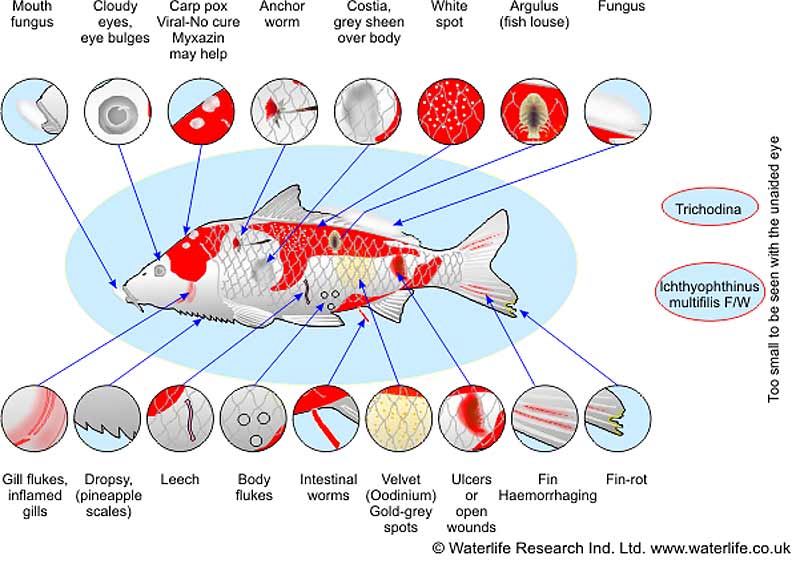
Understanding the detailed anatomy of koi enhances the accuracy of visual health checks. The koi’s body can be subdivided into key regions, each with specific features to observe:
| Region | Key Features to Inspect | Indicators of Good Health |
|---|---|---|
| Skin and Scales | Surface smoothness, presence of lesions, color vibrancy, and scale integrity | Uniform coloration, shiny scales without lesions or growths |
| Fins | Shape, size, frayed edges, and position | Fins fully spread, without tears or discoloration |
| Eyes | Clarity, symmetry, and brightness | Clear, bright, and symmetrical eyes without cloudiness or swelling |
| Gills and Mouth | Color, movement, and presence of mucus or ulcers | Normal pink gills with steady movement; mouth free of ulcers or discoloration |
| Body Shape and Posture | Symmetry, swelling, or deformities | Natural posture with no unusual swelling or asymmetry |
Regularly applying these visual inspection techniques, combined with a solid understanding of koi anatomy, enables pond owners to catch early signs of health problems. This proactive approach is vital for maintaining vibrant, healthy koi and ensuring a thriving aquatic environment.
Last Point
In summary, diligent observation and routine maintenance are key to maintaining healthy koi populations. By understanding the signs of illness and implementing preventative strategies, pond owners can enjoy the beauty and vitality of their koi for years to come. Proactive care and early intervention remain the pillars of successful koi fish health management.