Knowing how to feed koi fish in winter is essential for maintaining their health and ensuring their well-being throughout the colder months. As temperatures drop, koi metabolism slows down, requiring adjustments in their diet and feeding routines to prevent stress and health issues.
This guide provides comprehensive insights into understanding koi behavior in winter, selecting appropriate foods, implementing safe feeding techniques, and optimizing pond conditions to support your koi during the cold season.
Understanding Koi Fish Behavior and Metabolism in Winter
Winter presents unique challenges for koi fish, affecting their natural activity levels and metabolic processes. Recognizing how cold temperatures influence these aquatic inhabitants is essential for ensuring their well-being during the colder months. By understanding their behavior and physiological adaptations, koi owners can better tailor their care routines to support healthy and stress-free koi throughout winter.
During winter, koi undergo significant physiological changes that reduce their activity, conserve energy, and adapt to lower oxygen levels and temperature fluctuations. Observing signs of stress or discomfort in koi is crucial for early intervention, ultimately promoting their health and longevity despite the seasonal challenges.
Effects of Cold Temperatures on Koi Activity and Metabolism
Cold weather has a profound impact on the activity levels and metabolic rate of koi fish. As water temperatures drop below approximately 50°F (10°C), koi tend to become less active, conserving energy by reducing movement. This decrease in activity is a natural response to lower metabolic demands, allowing koi to survive periods of limited food intake and reduced oxygen availability.
At temperatures approaching 40°F (4°C), koi often enter a state of dormancy or very slow movement; their metabolism slows substantially, decreasing the need for food and oxygen. This metabolic slowdown is an evolutionary adaptation to withstand winter conditions, minimizing energy expenditure when resources are scarce.
“Koi metabolism can decrease by up to 80% during winter, aligning their energy needs with the reduced environmental demands.”
Physiological Changes During Winter Months
During colder periods, koi undergo several physiological adaptations to survive harsh conditions. Their internal processes slow down significantly, including digestion, immune responses, and cellular repair mechanisms. The koi’s heart rate and respiration decrease as a response to the lower water temperature, optimizing oxygen use and energy conservation.
Additionally, koi’s immune system may weaken slightly during winter, making them more susceptible to infections if stressed or exposed to poor water quality. Their skin and scales also undergo minor changes to help insulate their bodies against cold water, although they do not develop thick winter coats like some animals. These changes are vital for maintaining their internal functions and overall health throughout the season.
Signs of Stress or Discomfort in Koi During Cold Weather
Monitoring koi closely during winter is essential for early detection of stress or discomfort that may arise despite their natural adaptations. Stress indicators in koi during cold weather include abnormal swimming patterns, such as floating at the surface or sinking to the bottom, erratic movements, or a lack of response to external stimuli.
Other signs include a loss of appetite, pale or dull coloration, sluggish behavior, or the presence of erratic breathing patterns. If koi exhibit symptoms like lethargy combined with physical signs such as torn fins or unusual markings, they may be experiencing cold stress or other health issues needing prompt attention. Recognizing these signs early helps prevent severe health problems and ensures timely intervention to support koi survival during winter months.
Optimal Winter Feeding Strategies for Koi
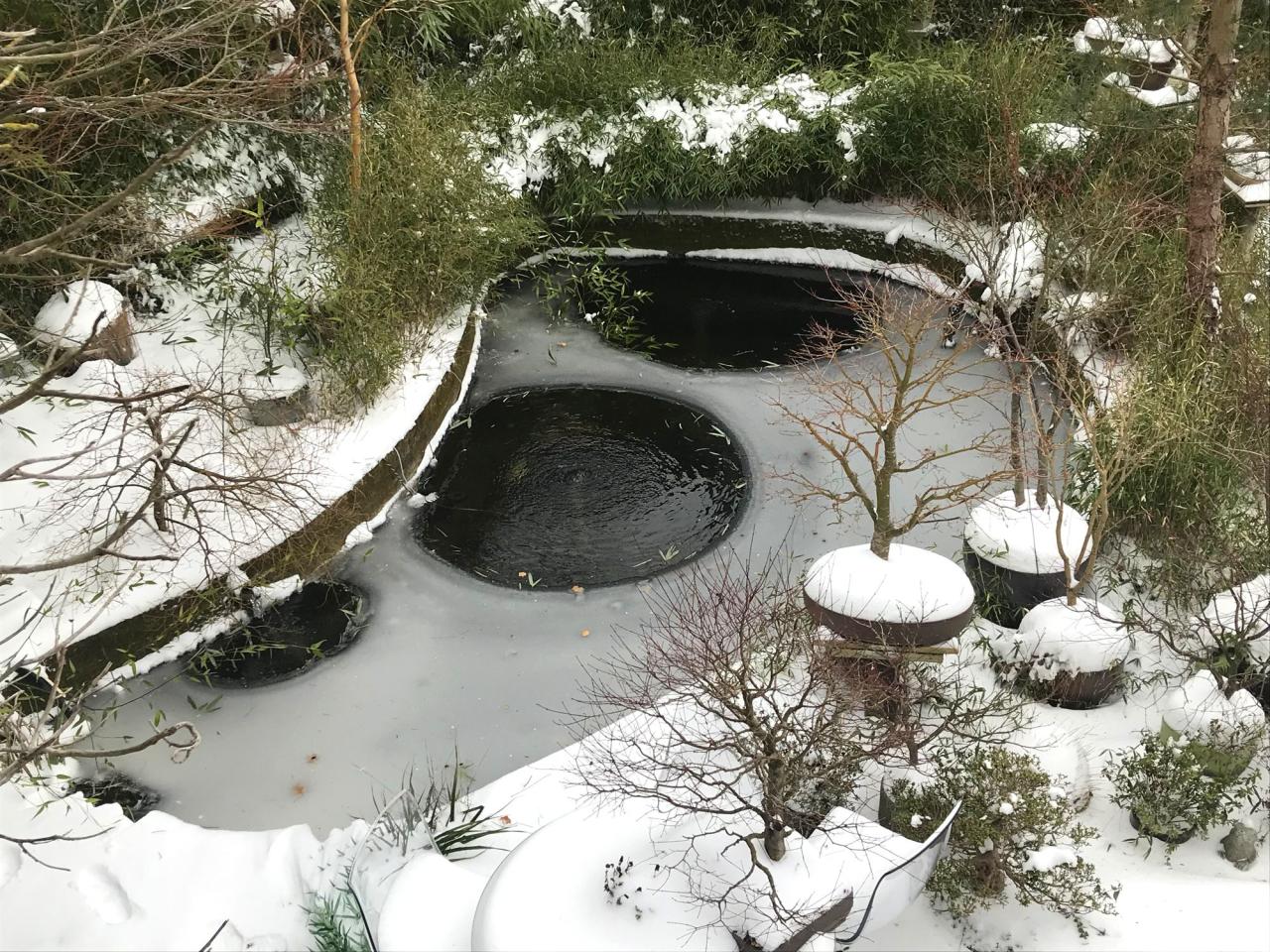
Maintaining the health and vitality of koi fish during the colder winter months requires carefully adjusted feeding strategies. As water temperatures drop, koi’s metabolic activities slow down, making it essential to modify both the quantity and frequency of feedings. Proper winter feeding not only prevents overfeeding and water quality issues but also ensures that koi remain healthy and ready to resume normal activity as temperatures increase in spring.
Implementing effective winter feeding strategies involves understanding the specific temperature thresholds that influence koi digestion and energy requirements. By tailoring diet types, adjusting feeding schedules, and monitoring water conditions, koi keepers can support their fish’s well-being throughout the cold season while minimizing risks associated with overfeeding or nutritional imbalances.
Reducing Feeding Frequency and Quantity Based on Water Temperature
As water temperature declines, koi’s digestion efficiency diminishes significantly. It is crucial to reduce both how often and how much feed is provided to prevent uneaten food from contaminating the water and causing ammonia buildup. When water temperatures fall below 10°C (50°F), koi enter a state of torpor and require minimal feeding, if any. This transition helps conserve energy and reduces waste production.
Guidelines for adjusting feeding include:
- Above 12°C (54°F): Feed koi once daily with a reduced amount, approximately 25-50% of their summer feeding quantity.
- Between 10°C and 12°C (50-54°F): Feed two to three times per week, with very small portions just enough to satisfy their minimal appetite.
- Below 10°C (50°F): Cease feeding altogether or provide only minimal, easily digestible treats such as specialized slow-digesting koi foods or very small amounts of live or frozen foods that do not pollute water.
“Feeding koi in winter should be based on water temperature and their activity levels; overfeeding at low temperatures can harm their health.”
Adjusting Koi Diets for Winter Conditions
Diet adjustment during winter is critical to match koi’s reduced metabolic rate. Traditional high-protein summer diets may cause excess waste and water quality issues if used during low-temperature periods. Instead, transitioning to specialized winter or low-protein diets helps koi maintain energy without overburdening their digestive system.
Key points for diet adjustment include:
- Switching to formulated koi foods designed specifically for colder months, which are lower in protein and higher in digestibility. These diets often contain wheat germ or other easily digestible ingredients that produce less waste.
- Providing live or frozen foods sparingly, mainly as treats, to stimulate interest without encouraging overfeeding.
- Incorporating vitamin-enriched foods to support koi immunity during the stressful winter period.
It is advisable to monitor koi behavior and water quality closely, adjusting diet and feeding frequency accordingly. Ensuring that feed is dispensed in small amounts and only when koi exhibit active feeding responses prevents unnecessary pollution and promotes overall health during the cold season.
Seasonal Feeding Schedule Based on Water Temperature
To streamline winter feeding practices, a seasonal schedule based on water temperature thresholds provides clarity and consistency. This schedule helps koi keepers plan feedings effectively, avoiding overfeeding and ensuring optimal health.
| Water Temperature | Feeding Frequency | Diet Type | Remarks |
|---|---|---|---|
| Above 12°C (54°F) | Once daily | Reduced-protein, winter formulation | Monitor koi activity; feed only as much as they consume within a few minutes |
| 10°C – 12°C (50-54°F) | 2-3 times per week | Low-protein, easily digestible diet | Small portions; observe koi for signs of hunger or lethargy |
| Below 10°C (50°F) | Minimal to no feeding | Minimal or no feed; optional treats like wheat germ | Focus on water quality and koi health; avoid overfeeding to prevent water pollution |
Adherence to this schedule ensures that koi are neither starved nor overfed, maintaining optimal health during the cold winter months while reducing potential water quality issues caused by excess food decomposition.
Choosing Appropriate Winter Koi Food
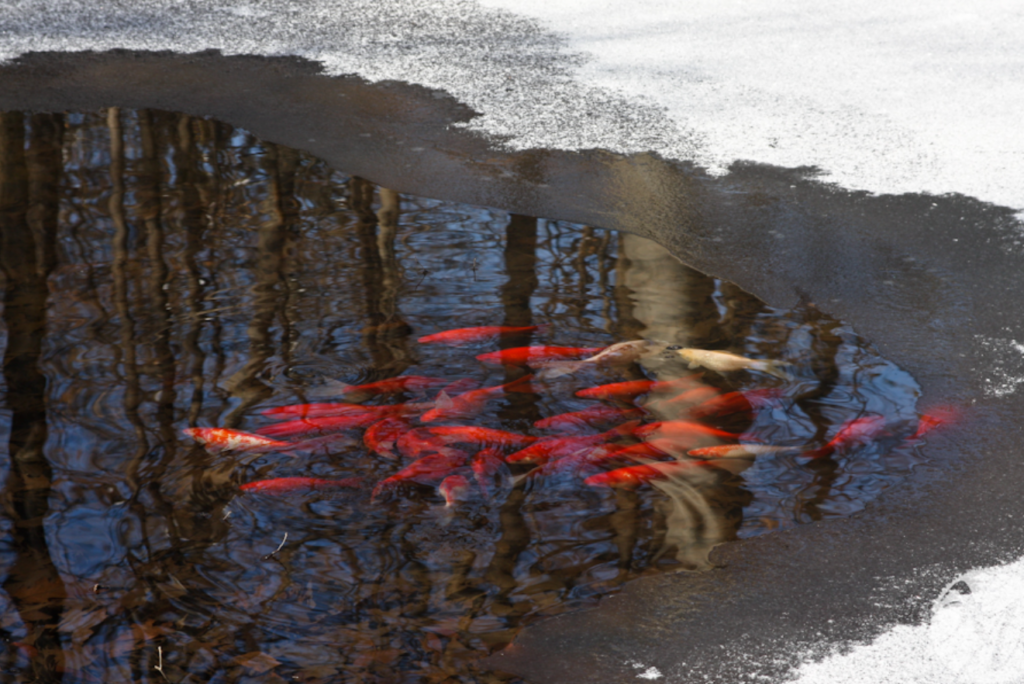
Selecting the right type of food for koi during the cold winter months is crucial to maintaining their health and ensuring proper metabolic function. As water temperatures drop, koi’s digestion slows significantly, making it essential to provide foods that are easily digestible and nutritionally balanced to meet their altered metabolic needs.
Winter koi feeding requires a strategic approach that emphasizes slow digestion, immune support, and energy conservation. The goal is to sustain their vitality without overburdening their digestive system, which is less efficient in colder water. This makes choosing the appropriate diet a fundamental aspect of winter koi care.
Types of Koi Food Suitable for Winter
During winter, it is recommended to switch to specialized koi feeds formulated for cold temperatures. These foods are designed to promote slow digestion, reduce waste, and provide essential nutrients that support koi’s immune system and overall health in colder water conditions.
The primary characteristics of winter koi food include high wheat germ content, minimal fillers, and digestibility-enhancing ingredients, all aimed at reducing metabolic load and ensuring effective nutrient absorption.
Below are some of the most recommended types of koi food for winter feeding:
- Wheat Germ Koi Food: A popular choice due to its high digestibility and low fat content, wheat germ-based feeds are ideal for maintaining koi health during cold months. They support immune function and are gentle on the digestive system.
- Cold Weather Pellets: Formulated specifically for water temperatures below 50°F (10°C), these pellets are often slow-digesting and enriched with vitamins and minerals to bolster immune defenses.
- Frozen or Live Foods (occasionally): In some cases, small quantities of frozen or live foods like bloodworms or daphnia can supplement the diet, but they should be offered cautiously and in moderation to prevent digestion issues.
- Low-Protein, High-Carbohydrate Diets: These diets help provide energy without overtaxing koi’s digestive capacity, ensuring they remain active and healthy during periods of limited feeding.
Nutritional Requirements of Koi in Winter
In winter, koi’s nutritional needs shift due to their decreased activity level and lowered metabolic rate. The focus is on providing essential nutrients that support their immune system, maintain tissue integrity, and supply energy without overloading their digestion.
Key ingredients to look for in winter koi foods include:
| Ingredient | Purpose and Benefits |
|---|---|
| Wheat Germ | High digestibility, supports immune health, and provides easily accessible energy. |
| Vitamins (A, C, E, B-complex) | Enhance immune response, improve stress resistance, and promote overall vitality. |
| Minerals (zinc, selenium, copper) | Support metabolic processes, bolster immune defenses, and aid tissue repair. |
| Carbohydrates | Provide stable energy sources without increasing metabolic burden. |
| Low-Fat Content | Reduces the risk of fat-related digestion issues in cold water. |
It is important to choose foods that are specifically formulated for winter use, as these contain the right balance of nutrients and digestibility factors necessary to keep koi healthy and active during the colder seasons. Avoid high-protein or high-fat feeds, which can lead to digestion problems and water quality issues when koi’s metabolism slows down significantly.
Feeding Techniques and Safety Measures
![How Often Do You Feed Koi Fish In The Winter? [2024 Guide] - Gold Koi Fish](https://teknologia.web.id/wp-content/uploads/2025/09/How-Often-Do-You-Feed-Koi-Fish-In-The-Winter.jpg "How Often Do You Feed Koi Fish In The Winter? [2024 Guide] - Gold Koi Fish")
Proper feeding practices during winter are essential to ensure koi health while maintaining water quality. Employing correct techniques and safety precautions minimizes pollution, prevents overfeeding, and safeguards koi from cold-related stress or health issues. This careful approach not only benefits the fish but also supports the overall stability of the pond environment during the colder months.
Implementing effective feeding techniques and safety measures involves understanding the koi’s metabolic slowdown in winter, recognizing environmental cues, and adopting controlled feeding routines. These strategies help prevent water contamination caused by uneaten food and ensure koi receive adequate nutrition without risking their health or water quality.
Proper Feeding Techniques to Minimize Water Pollution
Using the correct feeding techniques is critical to reducing excess food that can decay and pollute the pond water. Proper methods focus on controlled feeding, observation, and maintaining cleanliness around feeding times.
To maximize efficiency and safety:
- Use only the quantity of food that koi can consume within 2-3 minutes, preventing leftovers that may decay and increase ammonia levels.
- Distribute the food evenly across the pond surface to ensure all koi have access and to prevent territorial behaviors that could lead to overfeeding.
- Feed during warmest parts of the day when water temperatures are highest, facilitating digestion and reducing the risk of undigested food decaying in cold water.
- Remove any uneaten food after 10-15 minutes using a koi net or pond skimmer to avoid organic buildup and water fouling.
Step-by-Step Procedure for Feeding Koi in Cold Water to Prevent Overfeeding
Adopting a systematic approach to feeding koi during winter ensures they receive appropriate nutrition without overburdening the pond’s filtration system or water quality. The following step-by-step process offers a practical guide:
- Assess Water Temperature: Confirm that water temperature is above the safe threshold, typically around 50°F (10°C). If below, avoid feeding.
- Observe Koi Behavior: Check if koi are active and responsive; sluggish behavior indicates lower metabolic rates and reduced feeding needs.
- Prepare Appropriate Food: Use winter-specific koi food designed for cold temperatures, which is more digestible and nutrient-dense in low temperatures.
- Feed Small Quantities: Offer minimal amounts, roughly equivalent to what koi can consume in a few minutes, to prevent excess food accumulation.
- Distribute Evenly: Scatter food gently across the pond surface to accommodate all koi and prevent competition.
- Monitor Response: Watch koi during feeding for signs of overfeeding, such as unswallowed food or koi refusing to eat.
- Remove Leftover Food: After 10-15 minutes, clear the pond of uneaten food to maintain water quality and prevent decay.
- Adjust Feedings: Reduce or cease feeding if koi show decreased activity or if water temperature drops below the safe threshold.
Precautions to Avoid Feeding Koi When Water Temperatures Drop Below a Safe Threshold
Feeding koi during excessively cold conditions can be hazardous. Cold water significantly reduces koi’s digestion capacity and can cause health problems if overfed. Recognizing visual indicators and implementing safety precautions are vital for winter koi management.
- Identify Visual Indicators: Koi become lethargic, with sluggish swimming patterns and minimal activity, typically when water drops below 50°F (10°C). Their gill movements slow, and they may remain near the pond bottom.
- Monitor Water Temperature: Use a reliable pond thermometer daily during winter months to track fluctuations accurately. Avoid feeding if temperatures fall below 50°F (10°C).
- Implement a Feeding hiatus: Cease feeding entirely once water consistently reaches below the safe threshold. Instead, focus on water quality maintenance and koi observation.
- Provide Alternative Nutrition: If necessary, consider administering supplemental, highly digestible, and low-protein foods designed for cold water conditions, but only when koi show signs of activity and water temperature exceeds the safe limit.
- Ensure Water Quality: Maintain optimal pond conditions to prevent additional stress factors that could compound the effects of low temperatures.
“Feeding koi in winter requires careful observation and restraint. Ensuring water temperatures are within safe limits and employing proper feeding techniques safeguards koi health and preserves water quality.”
Monitoring Water Temperature and Quality
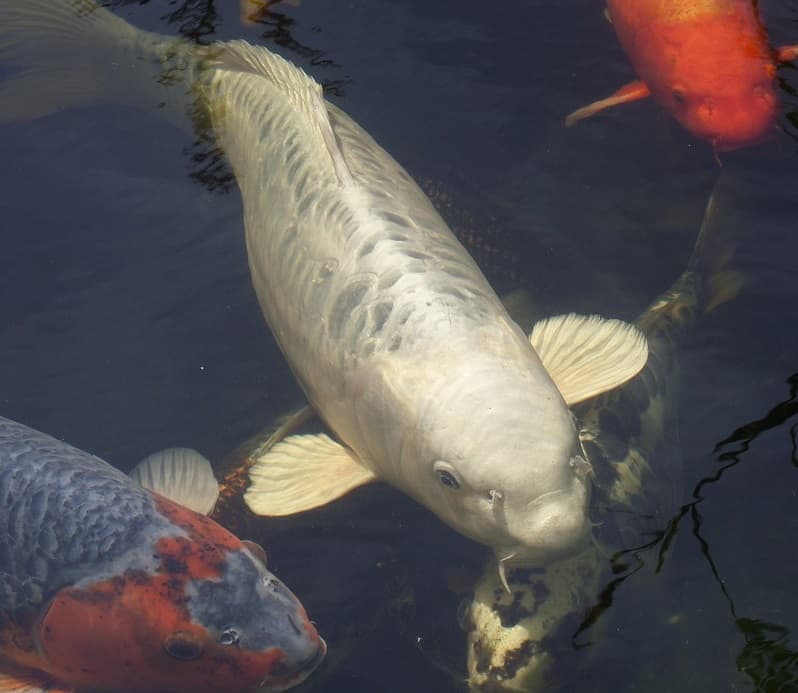
Maintaining optimal water conditions during the winter months is essential for the health and well-being of koi fish. Precise measurement of water temperature and vigilant management of water quality help prevent stress and disease, ensuring a safe environment for your koi as they enter their winter dormancy period.
Accurate monitoring involves using reliable tools and implementing best practices to keep water parameters within safe ranges. This proactive approach supports the koi’s metabolic adjustments and minimizes risks associated with poor water conditions, such as oxygen depletion and accumulation of toxins.
Measuring Water Temperature with Proper Tools
Accurate temperature measurement is fundamental for adjusting feeding regimes and maintaining suitable living conditions for koi during winter. The most reliable tools for this purpose include digital thermometers, infrared thermometers, and analog aquarium thermometers. Each offers distinct advantages:
- Digital thermometers: Provide rapid and precise readings, often with a digital display, making them ideal for regular monitoring.
- Infrared thermometers: Offer non-contact measurement, useful for checking water surface temperature without disturbing the environment.
- Analog aquarium thermometers: Are simple, affordable, and straightforward, with a glass tube containing a fluid that expands or contracts with temperature changes.
To ensure accuracy, calibrate thermometers periodically using a calibrated reference device or ice-water mixture (which should read 0°C or 32°F). Regularly check water temperature at different times of the day, especially during temperature fluctuations, to observe trends and adjust feeding accordingly.
Maintaining Water Quality During Reduced Feeding Periods
As koi reduce or cease feeding in winter, water quality management becomes even more critical. Decomposition of organic matter, uneaten food, and waste products can deteriorate water conditions if not properly managed. Strategies to maintain water quality include:
- Performing regular partial water changes, typically 10-20% weekly, to dilute toxins and refresh minerals.
- Using biological filtration systems that break down waste products efficiently, preventing ammonia and nitrite buildup.
- Monitoring ammonia, nitrite, nitrate, and pH levels regularly with test kits to detect imbalances promptly.
- Removing uneaten food and debris promptly to prevent decay and contamination.
- Using aeration equipment to maintain dissolved oxygen levels, especially during colder months when oxygen levels can fluctuate.
Recommended Actions at Different Water Temperature Ranges
Monitoring water temperature closely enables tailored responses to seasonal changes, ensuring koi health is preserved. The following table summarizes recommended actions based on specific temperature ranges:
| Temperature Range (°C) | Recommended Actions |
|---|---|
| Below 4°C (39°F) |
|
| 4°C – 10°C (39°F – 50°F) |
|
| Above 10°C (50°F) |
|
Adhering to these temperature-specific protocols helps stabilize the pond environment, reduces stress, and promotes the healthy overwintering of koi fish.
Adjusting Pond Environment for Winter
Preparing the pond environment for winter is vital to maintaining koi health and ensuring their well-being during colder months. Proper modifications help prevent issues such as oxygen depletion, ice formation, and water quality deterioration, which can adversely affect koi vitality.
Implementing appropriate pond adjustments involves strategic planning and safety measures to create a stable habitat that supports koi metabolism and reduces stress during winter. This includes equipment upgrades, insulation, and environmental controls that adapt to the changing seasonal conditions.
Aeration and De-icing Strategies
Oxygen levels tend to decrease in winter due to reduced water movement and cooler temperatures, which slow down koi metabolism and natural oxygen production. To counteract this, maintaining adequate aeration is essential. Aerators, such as surface diffusers or bottom aeration devices, ensure continuous oxygen exchange and prevent the formation of ice layers on the pond surface.
De-icing mechanisms are equally important, especially in regions with harsh winters. Installing floating or submerged de-icers helps keep a section of the pond free of ice, providing a vital open water area for gas exchange. Ensuring safety and accessibility while preventing complete ice coverage reduces the risk of oxygen depletion and allows koi some natural movement and respiration.
Winter Pond Preparation Checklist
Proper preparation ahead of winter involves systematic checks and modifications to safeguard koi health:
- Inspect and clean all filtration systems, ensuring they are operational and free of debris.
- Install or upgrade aeration devices capable of functioning efficiently in low temperatures.
- Place floating de-icers or pond heaters to prevent complete ice coverage.
- Check pond covers or insulation materials for integrity and proper installation to retain heat and reduce heat loss.
- Remove any excess organic debris, fallen leaves, and algae that could decompose and deteriorate water quality over the winter.
- Monitor water parameters such as pH, ammonia, and nitrite levels regularly to identify and correct imbalances early.
- Ensure electrical wiring and equipment are weatherproof and safe from moisture exposure.
Impact of Pond Cover and Insulation on Koi Comfort and Feeding
Covering the pond or adding insulation plays a significant role in maintaining a stable environment for koi during winter. These modifications help conserve heat, reduce temperature fluctuations, and prevent rapid cooling of water, thereby minimizing koi stress and metabolic slowdown.
Insulated pond covers, such as thermal blankets or floating covers, create a microclimate that retains warmth and limits exposure to cold air currents. This stability supports consistent feeding behaviors and keeps koi more active, even when outdoor temperatures drop significantly.
Furthermore, pond covers prevent debris accumulation, reduce algae growth by limiting sunlight, and maintain clearer water, which simplifies monitoring and feeding practices. By creating a controlled environment, koi can survive winter with minimal stress, preserving their health and vitality for the upcoming seasons.
Common Mistakes in Winter Koi Feeding and How to Avoid Them
Ensuring proper feeding habits during the winter months is crucial for maintaining the health and vitality of koi fish. Many pond owners inadvertently make errors that can compromise their koi’s well-being, especially during the colder season when their metabolic processes slow down significantly. Recognizing and preventing these common mistakes is key to supporting your koi through the winter comfortably and healthily.Feeding koi inadequately in winter can lead to severe health issues, such as malnutrition, stress, or even death.
Conversely, overfeeding or providing unsuitable foods can cause water quality deterioration and digestive problems. By understanding these pitfalls and implementing best practices, pond owners can ensure their koi remain healthy, active, and stress-free throughout the colder months.
Overfeeding and Its Consequences
Overfeeding remains one of the most prevalent mistakes among koi keepers during winter. As koi’s metabolism slows with decreasing water temperatures, their ability to process food diminishes. Excess food not only remains uneaten but also decomposes in the pond, leading to elevated ammonia and nitrite levels, which are toxic to fish. This can cause stress, weaken immune responses, and increase susceptibility to diseases.To avoid overfeeding:
- Feed only small quantities of food that koi can consume within a few minutes.
- Adjust feeding frequency based on water temperature, reducing meals as temperatures drop below 10°C (50°F).
- Remove any uneaten food promptly to prevent water pollution.
Feeding Inappropriate or Poor-Quality Foods
Feeding koi inappropriate foods during winter can result in digestive issues and insufficient nutrition. Many pond owners mistakenly continue providing high-protein or floating foods designed for warmer months, which are not suitable when koi are less active. These foods can cause digestive discomfort or lead to bloating, impacting koi health and growth.Best practices include:
- Switch to low-protein, easily digestible winter formulas or wheat germ-based diets.
- Avoid feeding processed or artificial foods that may contain additives unsuitable for cold weather.
- Choose foods with a balanced nutrient profile tailored for winter feeding, promoting health without overburdening koi’s slowed metabolism.
Ignoring Water Quality and Pond Conditions
Poor water quality often results from improper feeding practices, especially when excess or inappropriate food decomposes in the pond. This leads to increased ammonia, nitrites, and nitrates, creating stressful and hazardous conditions for koi. Neglecting routine water testing and failing to adjust filtration or aeration can exacerbate these issues.Strategies to prevent water quality problems include:
- Regularly monitor ammonia, nitrite, nitrate, and pH levels, especially during winter.
- Reduce feeding amounts to prevent excess waste production.
- Enhance pond aeration and filtration to maintain oxygen levels and facilitate waste removal.
Tips for Seasonal Feeding Management
To support koi health during winter and avoid common mistakes:
- Gradually reduce feeding frequency as water temperatures decline.
- Always observe koi’s behavior; if they stop eating or show signs of stress, further cut back on feeding.
- Use only winter-specific or low-protein foods suited for cold water conditions.
- Feed in small amounts at times when water temperatures are stable and koi are most active.
- Maintain diligent water quality testing and perform water changes as needed to dilute waste.
- Ensure pond aeration is sufficient to prevent oxygen depletion during colder months.
- Keep a feeding log to track amounts and frequency, enabling adjustments based on koi response and water conditions.
Closure
In summary, proper winter feeding practices are crucial for safeguarding koi health and ensuring vibrant pond life year-round. By following recommended strategies and monitoring environmental conditions, pond owners can enjoy thriving koi even in the coldest months.