Understanding how to feed koi fish in summer is essential for maintaining their health and ensuring a vibrant pond environment. As temperatures rise, adjustments in feeding routines become crucial to prevent issues such as overfeeding or water pollution, which can negatively impact both the fish and the pond ecosystem. Proper knowledge and timely management allow koi enthusiasts to enjoy a thriving aquatic habitat throughout the warmer months.
This guide provides comprehensive insights into summer feeding practices, including suitable types of food, monitoring techniques to avoid overfeeding, water temperature management, and tips for maintaining water quality. By following these best practices, koi owners can promote healthy growth, enhance koi vitality, and preserve a clean pond environment during the hottest seasons.
Best Feeding Practices for Koi Fish During Summer
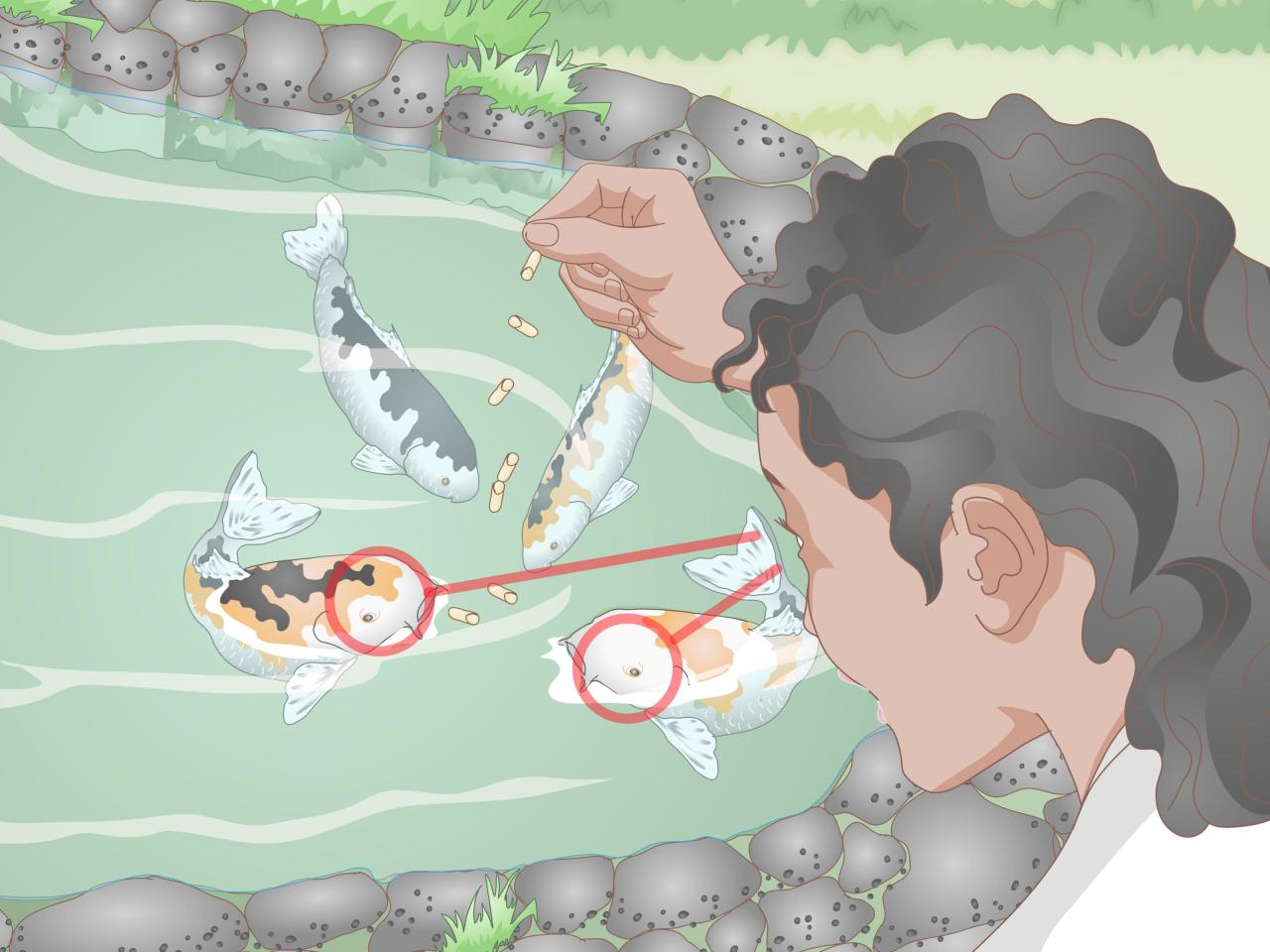
Summer presents unique challenges and opportunities for maintaining healthy and vibrant koi populations. As water temperatures rise, koi require specific adjustments in their feeding routines to ensure optimal growth, health, and color development. Proper feeding practices during this season help prevent issues such as overfeeding, water pollution, and metabolic stress, ultimately contributing to a thriving pond ecosystem.
Adapting feeding routines based on temperature fluctuations and koi behavior is essential. With increased sunlight and warmth, koi tend to become more active and have higher metabolic rates. Nonetheless, understanding the correct quantities and timing of feedings is crucial to avoid unnecessary waste and maintain water quality. Implementing a responsive feeding schedule tailored to these conditions promotes the overall well-being of your koi and supports their seasonal growth patterns.
Determining Appropriate Feeding Quantities in Summer
To establish the right amount of food for your koi during summer, observe their activity levels and water temperature regularly. Overfeeding can lead to water quality deterioration, while underfeeding may stunt growth and weaken the fish. A practical approach involves gradual adjustments based on daily observations and water parameters.
- Assess Koi Activity: Monitor how actively your koi swim and feed during different times of the day. Increased activity often indicates a higher metabolic rate requiring more nutrients.
- Measure Water Temperature: Use a reliable thermometer to track pond water temperature. Koi generally require more food between 20°C (68°F) and 25°C (77°F). Temperatures above 25°C (77°F) necessitate cautious feeding to prevent overloading the pond’s filtration system.
- Start with Small Quantities: Begin feeding with a quantity that the koi can consume within 5–10 minutes. This typically equates to approximately 2-3% of their body weight daily, divided into multiple feedings.
- Adjust Based on Consumption: Observe the koi during and after feeding. If uneaten food remains, reduce the amount in subsequent feedings. Conversely, if koi finish the food quickly and appear hungry, gradually increase the portion.
- Monitor Water Quality: Regularly check parameters such as ammonia, nitrite, and nitrate levels. Elevated readings suggest overfeeding, requiring immediate reduction in feeding quantities.
Feeding formula: Feed no more than 2–3% of your koi’s total body weight per day, adjusting according to water temperature and fish activity.
Responsive Summer Feeding Schedule
Organizing a responsive feeding schedule ensures your koi receive optimal nutrition while maintaining pond health. The schedule should be flexible, based on daily water temperatures and koi behavior, which influence their appetite.
| Time of Day | Recommended Feed Amount | Water Temperature (°C) |
|---|---|---|
| Morning (7:00–9:00 AM) | Start with 20% of daily ration | 20–23°C |
| Midday (11:00 AM–1:00 PM) | Increase to 40% of daily ration | 23–25°C |
| Afternoon (4:00–6:00 PM) | Remaining 40–50% of daily ration | 20–25°C |
| Evening (after sunset) | Optional minimal feeding, if required | Below 20°C or nearing dusk |
Adjustments should be made based on actual pond conditions. During peak summer temperatures exceeding 25°C, reduce feeding frequency and quantities to prevent overfeeding and water quality issues. Conversely, if water temperatures drop below 20°C, decrease feeding to once daily or every other day.
Types of food suitable for koi fish in hot weather
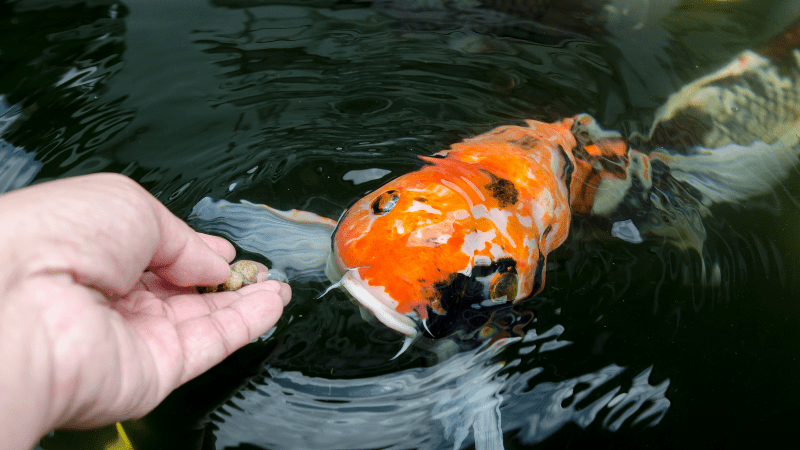
During the summer months, providing appropriate nutrition is essential to ensure koi fish remain healthy, active, and vibrant. The hot weather influences their metabolic rate and appetite, necessitating the selection of foods that are easily digestible, nutritious, and capable of supporting their energy needs without causing undue stress or water quality issues. Understanding the different types of summer-appropriate foods can help koi owners make informed decisions that promote optimal health and vibrant coloration.
Different types of food serve specific purposes, ranging from supporting immune function to enhancing coloration and providing necessary energy. It is vital to consider the nutritional profile, digestibility, and water quality implications of each food type to develop a balanced diet tailored to the elevated temperatures of summer. Incorporating a variety of foods can also prevent dietary deficiencies and boost overall vitality in koi fish.
Summer-Appropriate Koi Foods
In hot weather, koi fish benefit from a diverse diet that includes high-quality pellets, fresh vegetables, and live foods. These options provide essential nutrients, promote digestion, and help maintain water quality. Selecting the right foods can enhance their immune system, coloration, and activity levels, especially when the water temperature exceeds 75°F (24°C). It is important to balance these foods to meet their energy demands while avoiding overfeeding or water pollution.
- High-Quality Koi Pellets: Specially formulated pellets designed for summer consumption are rich in proteins, vitamins, and minerals. Look for water-stable pellets with a balanced amino acid profile to support growth and immune health. These are convenient and provide a consistent nutritional base for koi in hot weather.
- Fresh Vegetables: Vegetables such as lettuce, peas, zucchini, and spinach serve as excellent low-calorie, high-fiber foods. They aid in digestion and help reduce the risk of constipation. When offering vegetables, ensure they are thoroughly washed and chopped into manageable pieces to facilitate consumption.
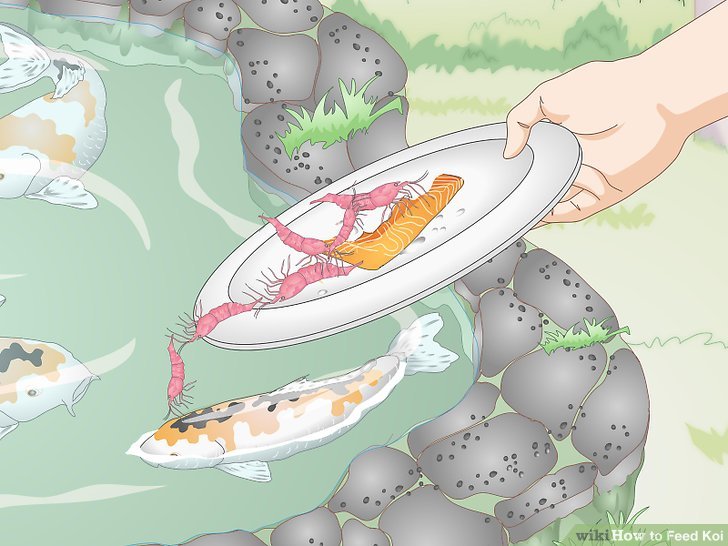
- Live Foods: Live foods like daphnia, bloodworms, and brine shrimp are rich in proteins and essential fatty acids. They stimulate natural feeding behaviors and boost immune functions. However, live foods should be sourced from reputable suppliers to prevent introducing parasites or diseases into the pond ecosystem.
Note: Incorporating a variety of these foods ensures a well-rounded diet that supports koi health during the demanding summer months, while also maintaining water quality and reducing the risk of overfeeding.
Preventing Overfeeding in Summer for Koi Fish
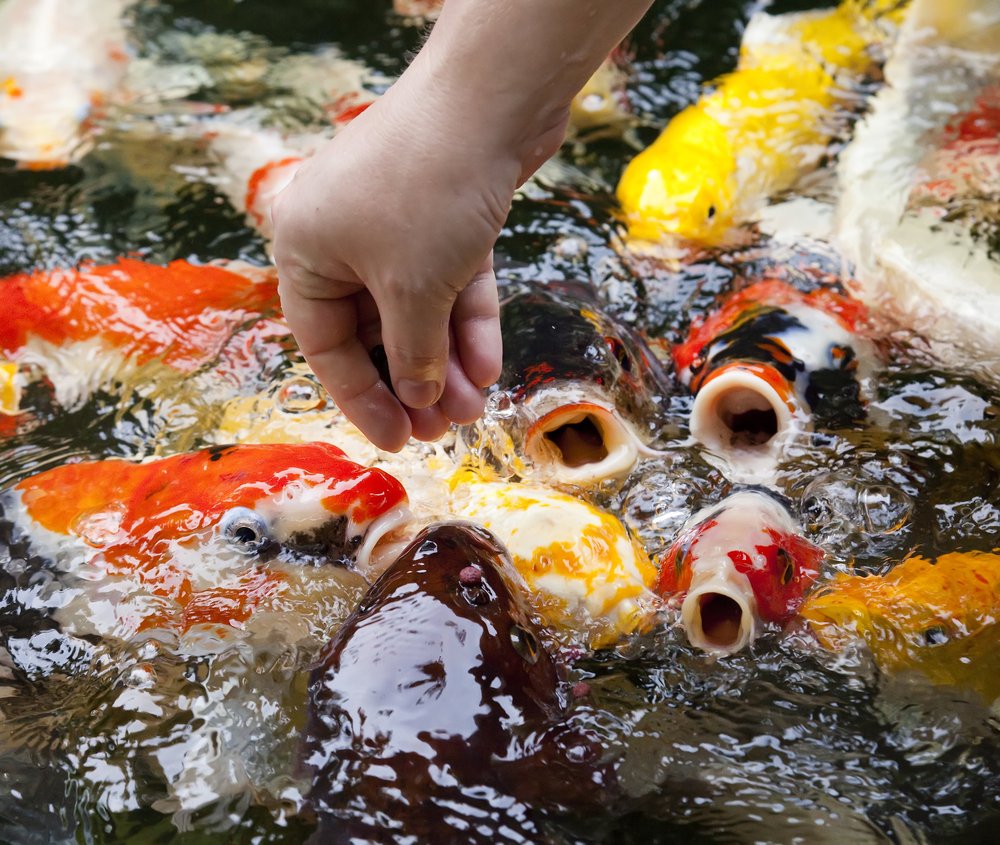
Proper feeding management during the hot summer months is crucial to maintain the health of koi fish and ensure water quality. Overfeeding can lead to metabolic issues for the fish and deterioration of the pond environment, making it essential to recognize signs of excess feeding and implement effective prevention strategies.
By carefully monitoring koi behavior and adjusting feeding routines, pond owners can avoid overfeeding, which not only benefits the wellbeing of the fish but also reduces maintenance efforts and prevents water pollution caused by excess nutrients and waste buildup. Adopting vigilant feeding practices helps in sustaining a healthy, vibrant koi pond throughout the summer season.
Signs of Overfeeding and Its Consequences
Understanding the indicators of overfeeding is fundamental to maintaining optimal pond conditions. Overfeeding often manifests through observable behaviors in koi and changes in water quality parameters. Recognizing these early signs allows for prompt corrective measures, minimizing health risks and water issues.
Common signs include lingering uneaten food at the pond bottom, increased algae growth, cloudy water, foul odor, and fish displaying lethargy or bloating. These symptoms can lead to elevated ammonia, nitrite, and nitrate levels, which are toxic to koi and can cause stress, disease, or mortality if left unaddressed. Excess nutrients from overfeeding also promote excessive algae blooms, which reduce oxygen levels and disturb the aquatic ecosystem balance.
Monitoring Koi Behavior to Prevent Excess Feeding
Consistent observation of koi behavior provides valuable insights into their nutritional needs and feeding responses. Monitoring their activity helps determine whether they are adequately satiated or if they exhibit signs of overfeeding, such as bloated stomachs or decreased activity after feeding.
Effective monitoring involves noting how quickly koi finish their food, their activity levels post-feeding, and any signs of discomfort or abnormal behavior. Maintaining a feeding diary can help track trends over time, ensuring adjustments are made before overfeeding becomes problematic. Regular water testing for parameters like ammonia, nitrite, nitrate, and pH further supports informed decision-making to prevent water quality deterioration linked to overfeeding.
Table of Overfeeding Signs, Corrective Actions, and Optimal Feeding Tips
Overfeeding Signs Corrective Actions Optimal Feeding Tips Uneaten food remaining after feeding Reduce portion size and remove residual food promptly Feed small amounts multiple times a day rather than large portions at once Cloudy, foul-smelling water Perform partial water changes and improve filtration Monitor water quality regularly and adjust feeding accordingly Increased algae growth Limit feeding and consider adding aquatic plants or algae control measures Use high-quality, digestible koi food in moderation Decreased activity or bloated appearance in koi Cease feeding temporarily, monitor koi health, and resume with smaller portions Observe feeding response and avoid overestimating koi appetite during hot weather Lethargy or fish appearing bloated Implement water changes, reduce feeding, and consult a veterinarian if symptoms persist Feed during cooler parts of the day and avoid feeding when koi are less active
Managing Water Temperature and Its Influence on Feeding
Maintaining appropriate water temperature is essential for ensuring healthy digestion and appetitive response in koi fish during the hot summer months. Fluctuations or extreme temperatures can significantly influence their feeding behavior and overall health. Understanding how water temperature affects koi is vital for proper feeding management and promoting optimal growth and well-being.
Water temperature directly impacts the metabolic rate and digestion efficiency of koi fish. When temperatures are within an ideal range, koi are more likely to exhibit normal feeding behavior, efficiently digest food, and maintain good health. Conversely, extreme temperatures can suppress appetite, slow digestion, or cause stress, leading to potential health issues. Properly measuring and regulating water temperature helps maintain a stable environment and ensures that feeding practices are aligned with the koi’s physiological needs.
Effect of Water Temperature on Koi Digestion and Appetite
As ectothermic organisms, koi fish rely heavily on external environmental conditions, especially water temperature, to regulate their bodily functions. During warmer months, an increase in water temperature typically boosts koi activity levels and appetite, encouraging more frequent feeding. However, if temperatures rise too high, above 78°F (25.5°C), koi may become stressed, leading to a decline in feeding activity and potential health risks such as oxygen depletion and increased susceptibility to disease.
In cooler summer mornings or shaded pond areas where water temperatures are slightly lower, koi might show reduced activity and appetite. This variability underscores the importance of monitoring water temperature closely to adjust feeding routines accordingly. Proper management ensures koi receive adequate nutrition without overburdening their digestive systems or stressing their immune defenses.
Measuring and Maintaining Optimal Water Temperature
Accurate measurement of pond water temperature is a fundamental step towards effective koi feeding management. Using a reliable underwater thermometer or digital temperature sensor allows hobbyists and pond managers to track temperature changes accurately. Regular monitoring, especially during the transition periods of early morning and late afternoon, helps identify optimal feeding windows and appropriate food quantities.
To maintain stable water temperatures, consider the following practices:
- Position the pond in a location that minimizes exposure to excessive sunlight or shade it during the hottest parts of the day to prevent temperature spikes.
- Ensure proper pond aeration and circulation to distribute heat evenly and prevent thermal stratification.
- Use shading devices like aquatic plants, floating covers, or shade sails if necessary to reduce direct sunlight penetration.
- Implement cooling techniques such as aerators or fountain systems during heatwaves to prevent temperature extremes.
Optimal water temperature for koi during summer generally ranges between 71°F and 77°F (22°C to 25°C), where koi exhibit active feeding and healthy digestion.
| Temperature Range (°F) | Koi Activity Level | Recommended Feeding Adjustments |
|---|---|---|
| Below 68°F (20°C) | Reduced activity, sluggish movement | Limit feeding or pause feeding; focus on water quality and filtration |
| 68°F – 77°F (20°C – 25°C) | Optimal activity, active feeding behavior | Feed high-quality, easily digestible koi food at regular intervals |
| 77°F – 82°F (25°C – 28°C) | Increased activity, potentially heightened appetite | Increase feeding slightly, monitor for signs of stress or overheating |
| Above 82°F (28°C) | Stress, reduced feeding, risk of health issues | Reduce feeding frequency and quantity; consider cooling solutions to lower water temperature |
Maintaining the water temperature within the optimal range ensures that koi remain active, healthy, and ready to feed efficiently. Regular monitoring and appropriate adjustments help prevent stress and promote a thriving pond environment throughout the summer months.
Adjusting feeding frequency based on seasonal changes
As summer advances, the metabolic activity of koi fish increases due to higher water temperatures and longer daylight hours. This change necessitates a careful adjustment of their feeding schedule to ensure optimal health and growth. Modifying feeding frequency in response to seasonal shifts helps prevent issues such as overfeeding, water quality deterioration, and digestive problems.
Effective management of feeding intervals involves observing koi behavior and environmental conditions regularly. By understanding how koi respond to different feeding routines, owners can fine-tune their approach, ensuring their fish remain healthy and active throughout the warmer months.
Methods to modify feeding frequency as summer progresses
Adapting feeding routines throughout the summer involves a combination of environmental monitoring and behavioral observation. As water temperatures peak, typically between 25°C to 30°C (77°F to 86°F), koi require more frequent, smaller feedings to match their increased energy demands. Conversely, during cooler periods within summer, reducing feeding frequency helps prevent overfeeding and waste buildup.
- Start with a baseline: Begin the season with feeding twice daily, as recommended during early summer, and gradually adjust based on koi activity and water temperature.
- Monitor water temperature: When water temperatures rise above 28°C (82°F), consider increasing feeding to three times per day but keep portions small.
- Adjust as temperatures fluctuate: As temperatures decrease in late summer or early fall, reduce feedings back to once or twice daily, aligning with koi activity levels.
- Introduce a gradual change: Any modifications should be made gradually over several days to avoid stressing the koi or causing digestion issues.
Implementing these methods ensures that feeding frequency remains aligned with natural metabolic rhythms, optimizing koi health and water quality during the dynamic summer months.
Procedures for observing koi responses to different feeding intervals
Monitoring koi responses to changes in feeding frequency is essential for tailoring an optimal feeding schedule. Systematic observation provides insights into their health, energy levels, and water condition, allowing timely adjustments.
- Behavioral observation: Watch for signs of overfeeding, such as leftover food, water cloudiness, or koi appearing bloated and lethargic. Underfeeding may result in dull coloration and reduced activity.
- Feeding response: Note how actively the koi come to the surface during feeding times. A lack of interest may indicate the need to adjust portion sizes or feeding intervals.
- Water quality checks: Regularly test water parameters, including ammonia, nitrite, nitrate levels, and dissolved oxygen. Deteriorating water quality often signals overfeeding or excessive feeding frequency.
- Visual health indicators: Observe koi for clear eyes, vibrant coloration, and intact fins. Signs of poor health may stem from improper feeding routines, prompting schedule revisions.
- Record keeping: Maintain a log of feeding times, intervals, koi responses, and water quality metrics to identify patterns and optimize feeding strategies over time.
Responsive table for seasonal feeding adjustments
| Week/Month | Suggested Feeding Frequency | Behavioral Indicators |
|---|---|---|
| Early summer (June) | 2 times daily | Active feeding response, lively behavior, no excess leftover |
| Mid summer (July – August) | 3 times daily | High activity level, koi actively surface, minimal uneaten food |
| Late summer (September) | 1-2 times daily | Reduced activity, koi still interested during feedings, water clarity maintained |
| Transition to fall (October) | Once daily or every other day | Decreased activity, occasional reluctance to feed, water quality stable |
Regularly updating this table based on water temperature changes and koi responses ensures a dynamic and responsive feeding approach, supporting their health and the pond’s ecosystem during seasonal transitions.
Enhancing water quality through proper feeding
Maintaining pristine water conditions is essential for the health and vitality of koi fish, especially during the hot summer months when water quality can deteriorate rapidly. Proper feeding practices not only ensure that koi receive the necessary nutrients but also directly influence the cleanliness and clarity of their aquatic environment. Effective feeding strategies can significantly reduce waste accumulation, minimize water pollutants, and promote a healthy ecosystem within the pond or tank.Feeding practices that are well-managed help prevent excess waste, which can lead to the buildup of ammonia, nitrites, and nitrates—compounds that are harmful to koi and degrade water quality.
Overfeeding is a common cause of water pollution, as uneaten food decomposes and releases pollutants into the water. Conversely, underfeeding can weaken koi, making them more susceptible to disease and stress. Striking the right balance through mindful feeding practices is crucial for sustaining optimal water conditions during the summer heat.
Strategies for balancing feeding amounts to reduce waste and maintain water clarity
Optimal water quality begins with controlled feeding that minimizes waste and encourages efficient digestion. Implementing specific strategies can help achieve this balance, leading to clearer water and healthier koi.
- Feed in small, manageable portions: Offering smaller amounts of food multiple times a day ensures that the koi consume what they need without excess leftovers. This approach reduces the chance of uneaten food settling and decomposing in the pond.
- Observe feeding responses: Monitoring how koi respond to feeding times helps determine if they are consuming the appropriate amount. If leftovers persist after 10-15 minutes, it indicates overfeeding, and portions should be reduced.
- Use high-quality, digestible food: Selecting premium koi feeds that are formulated for summer conditions enhances digestion and reduces waste. Such feed often contains balanced nutrients and easily digestible ingredients.
- Adjust feeding based on water temperature: As water warms in summer, koi typically metabolize food faster. Increasing feeding frequency slightly can be beneficial, but portion sizes should remain controlled to prevent excess waste.
- Remove uneaten food promptly: Using a net or siphon to clear leftover food minimizes organic waste buildup, which can otherwise decompose and pollute the water.
Proper feeding not only sustains koi health but also supports the maintenance of water quality by preventing excess nutrient buildup that leads to algae blooms and poor water clarity.
Best practices for feeding to support optimal water conditions in summer
Adopting best practices ensures that feeding routines contribute positively to water quality, especially during the challenging summer heat.
- Maintain a consistent feeding schedule: Regular timing helps koi adapt and optimizes digestion while preventing overeating and waste.
- Use automated feeders with caution: Automated systems can assist in precise feeding but should be programmed to deliver small portions to avoid overfeeding, especially when water temperatures fluctuate.
- Implement seasonal adjustments: As water temperatures rise, increase feeding frequency slightly but reduce portion sizes to prevent overloading the pond with organic waste.
- Monitor water parameters regularly: Testing for ammonia, nitrites, nitrates, and pH provides insight into water health and guides feeding adjustments to prevent pollution.
- Incorporate effective filtration: Coupling proper feeding with high-quality filtration systems helps remove organic waste efficiently, maintaining water clarity and reducing maintenance needs.
- Educate on natural behaviors: Observing koi activity and feeding responses can help tailor feeding practices that minimize waste and promote water quality.
Common mistakes to avoid when feeding koi in summer
Feeding koi fish during the warm summer months requires attention to detail to ensure their health and the stability of the pond ecosystem. Many pond keepers unknowingly make errors that can compromise koi vitality and water quality. Recognizing and avoiding these common mistakes is essential for maintaining a thriving koi pond during hot weather.Feeding mistakes in summer can lead to health issues for koi fish and deteriorate water conditions in the pond.
Overfeeding, improper timing, and selecting unsuitable foods not only harm the fish but also promote excessive waste production, which can cause water quality problems such as increased ammonia and nitrite levels. These issues may result in stress, disease susceptibility, and even fish mortality if not properly managed.
Overfeeding Koi Fish in Summer
Overfeeding remains one of the most prevalent errors among koi keepers during the summer. Koi are eager eaters, especially when the water is warm, but offering too much food can have detrimental effects. Excess food that remains uneaten decomposes in the pond, leading to elevated nutrient levels that foster algae blooms and deteriorate water quality. Overfeeding also increases the risk of koi developing swim bladder issues and obesity, which impair their mobility and overall health.To prevent overfeeding, it is crucial to observe the koi’s behavior and remove any uneaten food within 15-20 minutes after feeding.
Providing smaller, more frequent feedings aligns better with the fish’s digestive capacity and the pond’s filtration system.
Feeding at Inappropriate Times
Feeding koi at the wrong times, such as during the hottest parts of the day or late in the evening, can stress the fish and hinder digestion. During peak summer heat, koi’s metabolism accelerates, but their ability to digest food properly decreases if they are disturbed during the hottest hours or fed too late. Feeding early in the morning or late in the afternoon when temperatures are moderate ensures better digestion and nutrient absorption while reducing stress associated with extreme temperatures.Establishing a consistent feeding schedule that considers the daily temperature fluctuations helps optimize koi health and water quality.
Using Inappropriate Foods for Summer Feeding
Feeding koi with foods that are not suitable for hot weather can cause digestive issues or water quality deterioration. High-protein or fatty foods tend to be harder for koi to digest during high temperatures, leading to increased waste and potential health problems. Additionally, some floating or slow-sinking feeds may spoil quickly in warm conditions, promoting bacterial growth and water fouling.Choosing easily digestible, low-fat, high-quality foods formulated specifically for summer feeding ensures that koi receive the necessary nutrients without overburdening their digestive system or polluting the pond.
Summary of Do’s and Don’ts for Summer Feeding Routines
Proper feeding practices are vital for koi health and pond stability during summer. Being aware of common mistakes allows pond keepers to implement effective routines that promote vitality and water quality.
- Do: Feed small portions multiple times a day, approximately 2-4 times based on water temperature and fish activity.
- Do: Choose high-quality, easily digestible foods suitable for warm weather.
- Do: Remove uneaten food promptly to prevent water pollution.
- Do: Feed early in the morning or late in the afternoon when temperatures are moderate.
- Don’t: Overfeed or give large portions that remain uneaten.
- Don’t: Feed during the hottest midday hours to avoid stressing the koi.
- Don’t: Use low-quality or inappropriate foods that can cause water fouling or digestive problems.
- Don’t: Neglect water quality management by relying solely on feeding routines.
Consistent, appropriate feeding combined with vigilant water management ensures a healthy, vibrant koi pond during summer months.
Concluding Remarks
In conclusion, effectively managing how to feed koi fish in summer involves a combination of appropriate feeding quantities, choosing suitable foods, and monitoring environmental conditions. Staying attentive to koi behavior and water quality ensures a balanced ecosystem where fish thrive. Implementing these strategies helps maintain a healthy pond, providing joy and satisfaction for koi enthusiasts throughout the summer months.