Deciding the appropriate depth for a koi pond is a vital step toward ensuring the health and well-being of your koi fish. Proper pond depth not only influences koi behavior and stress levels but also contributes to maintaining a stable ecosystem that supports growth and vitality. Understanding key factors in this decision-making process allows pond owners to create an environment that is both functional and aesthetically pleasing.
Factors such as climate conditions, pond size, design elements, and the specific needs of different koi species play significant roles in determining the ideal depth. By carefully considering these variables, you can establish a pond setup that promotes koi happiness, water quality, and sustainable pond management.
Understanding the Importance of Koi Pond Depth
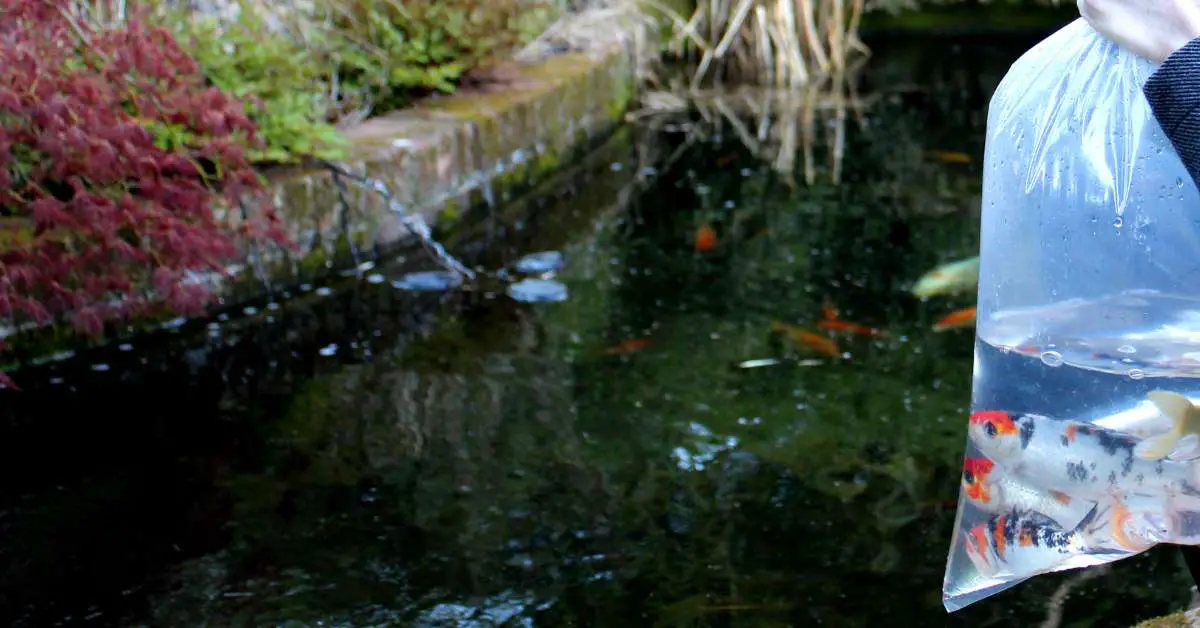
Choosing the appropriate depth for a koi pond is a fundamental aspect of creating a healthy and sustainable environment for these vibrant fish. The depth not only influences the overall health of the koi but also impacts the delicate balance of the pond ecosystem. An adequately designed depth ensures that koi can thrive, reduces stress, and supports their natural behaviors, leading to a more enjoyable and manageable pond setup for enthusiasts and caretakers alike.
The significance of pond depth extends beyond just providing space; it affects water temperature regulation, predator protection, and the fish’s ability to exhibit natural behaviors such as breeding and resting. Understanding these factors helps pond owners make informed decisions that promote longevity and vitality of their koi populations while maintaining a balanced pond ecosystem.
Impact of Pond Depth on Koi Behavior and Stress Levels
Proper pond depth plays a crucial role in minimizing stress and encouraging natural behaviors in koi. Shallow ponds, typically less than 3 feet deep, can cause koi to become overly exposed to environmental fluctuations, such as sudden temperature changes or predators, which heightens their stress levels. Elevated stress can suppress immune function, making koi more susceptible to diseases and reducing their lifespan.
Conversely, ponds with adequate depth, generally between 3 to 4 feet, provide koi with a sense of security and stable environmental conditions. Deeper areas serve as refuges where koi can retreat when threatened or when environmental conditions become unfavorable, such as during extreme weather. This natural behavior is essential for reducing stress and promoting overall health.
Benefits of Appropriate Pond Depth for Koi Maintenance and Growth
Maintaining an optimal pond depth offers multiple advantages that facilitate easier care and foster the growth of healthy koi. Deeper ponds create more stable water temperatures, which are vital for metabolic processes and immune functions. They also help in maintaining better oxygen levels, especially during hot summer months when oxygen depletion is common in shallower ponds.
Furthermore, appropriate depth supports the biological filtration process by allowing the development of beneficial bacteria that decompose waste products, thereby keeping water quality high. It also minimizes the chances of koi injuring themselves against shallow pond surfaces and reduces the likelihood of predation, particularly by birds or other terrestrial predators that might hunt in shallow waters.
From a practical standpoint, a well-designed depth simplifies pond maintenance. For instance, deeper sections prevent rapid temperature swings that can stress fish and reduce algae blooms, leading to clearer water and healthier koi. Overall, suitable pond depth is a cornerstone of successful koi keeping, promoting a balanced environment conducive to their health and growth.
Factors Influencing Koi Pond Depth Selection
Choosing the appropriate depth for a koi pond involves careful consideration of various environmental and design factors. These elements ensure that the pond provides a healthy, stable environment for koi to thrive while aligning with practical maintenance and aesthetic goals. Understanding these influences helps pond owners tailor their setup to achieve optimal results across different conditions.
Several key factors significantly impact the decision-making process for pond depth, including climate conditions, seasonal temperature variations, pond size and volume needs, as well as design components like filtration and aeration systems. Additionally, the specific koi species being kept play a crucial role, as their biological requirements vary. Addressing each of these aspects ensures a well-balanced pond environment suitable for the health and longevity of koi fish.
Climate Considerations and Seasonal Temperature Variations
The climate where the pond is situated profoundly affects the necessary depth to safeguard koi during temperature fluctuations throughout the year. In regions with harsh winter conditions, a deeper pond is vital to prevent the water from freezing completely, which can threaten koi survival. Conversely, in warmer climates, shallower ponds may suffice but still require depth considerations for temperature stability.
The depth must be sufficient to maintain a stable temperature environment, minimizing thermal shock during seasonal transitions. For example, in temperate zones experiencing cold winters, a minimum depth of 3 to 4 feet (0.9 to 1.2 meters) is often recommended to ensure the pond’s core remains unfrozen. This depth facilitates thermal insulation, helping koi survive cold months. In tropical climates, where temperature variability is minimal, pond depth requirements may be less stringent but should still consider heat retention during hotter months.
Impact of Pond Size and Volume Requirements
The overall size and volume of the pond directly influence the optimal depth to support a healthy ecosystem. Larger ponds with substantial water volume provide better thermal stability and dilute pollutants more effectively, but they also require appropriate depth to maintain ecological balance.
For a standard koi pond, it is advisable to aim for a depth that allows at least 50% of the pond to be at or below 3 feet (0.9 meters), ensuring sufficient volume to support biological filtration and oxygenation. For example, a pond measuring 10 feet by 15 feet (3 by 4.5 meters) with an average depth of 3 feet will hold approximately 4,500 gallons (17,000 liters), which is generally suitable for a small to medium-sized koi collection.
Increasing pond volume and depth enhances water stability, but it also increases maintenance requirements and costs.
Role of Pond Design Elements: Filtration and Aeration Systems
Effective pond design incorporates filtration and aeration components that influence the recommended depth for optimal operation. These systems are essential for maintaining water quality, oxygen levels, and overall pond health, and their effectiveness can vary depending on pond depth.
Filtration systems, including mechanical and biological filters, rely on proper water flow and surface area, which are affected by pond depth. Deeper ponds tend to create stratification, where oxygen levels may vary with depth, making strategic placement of aerators critical. Aeration systems improve oxygen exchange, especially in deeper zones where natural oxygen transfer might be limited. For instance, installing bottom aerators or diffusers at the pond’s deepest points ensures uniform oxygen distribution, promoting healthy koi development.
Comparison of Different Koi Species and Their Depth Preferences
Different koi varieties exhibit varying biological and behavioral traits that influence their preferred pond depth. Understanding these preferences helps in creating environments that cater specifically to each species’ needs, thereby enhancing their health and growth potential.
Most common koi breeds, such as Kohaku, Sanke, and Showa, thrive in depths ranging from 3 to 4 feet (0.9 to 1.2 meters). Deeper ponds offer better protection from predators and temperature extremes, which are vital for delicate or high-value koi. Some ornamental varieties, like Asagi or Hi Utsuri, also benefit from deeper zones that simulate their natural habitat conditions.
Conversely, certain smaller or more tolerant strains, such as common or mirror koi, may adapt well to shallower areas of the pond, but overall, maintaining a depth of at least 3 feet is recommended for most species to ensure a stable and secure environment.
Recommended Depth Ranges for Koi Ponds
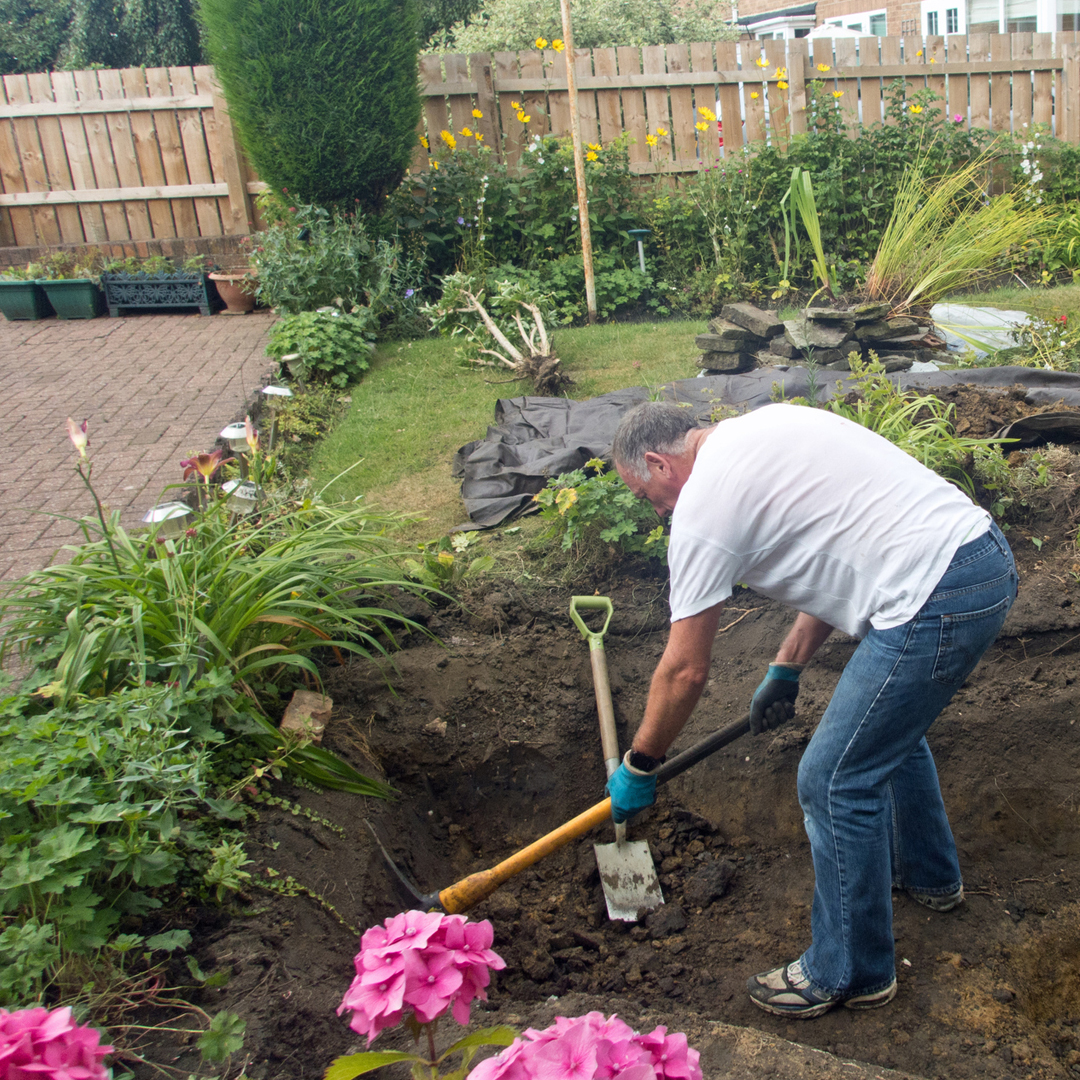
Establishing the appropriate depth for a koi pond is essential to promote healthy koi growth, maintain water quality, and ensure the pond’s longevity. While general guidelines exist, specific recommendations vary based on pond size, koi age, and regional climatic conditions. Knowing the optimal depth ranges tailored to different setups helps pond enthusiasts create a suitable environment that supports vibrant koi and sustainable pond management.
This section offers detailed guidelines for beginner, intermediate, and advanced pond setups, providing clarity on ideal depths for various scenarios. These recommendations aim to assist hobbyists and professionals alike in designing ponds that foster healthy koi development and resilience across diverse environments.
Standard Depth Guidelines Based on Pond Size, Koi Age, and Climate Zones
Understanding typical depth recommendations for different pond configurations helps in making informed decisions during pond construction. These guidelines account for the importance of temperature stability, predator protection, and overall pond health. The following table summarizes the recommended depth ranges categorized by pond size, koi age, and climate zone, providing practical examples for common scenarios.
| Pond Size | Koi Age | Climate Zone | Recommended Depth Range |
|---|---|---|---|
| Small pond (up to 1000 gallons) | Juvenile koi (0-2 years) | Temperate | 2 to 3 feet (0.6 to 0.9 meters) |
| Small pond | Juvenile koi | Cold climates | 3 to 4 feet (0.9 to 1.2 meters) |
| Medium pond (1000–3000 gallons) | Adult koi (2+ years) | Temperate | 4 to 5 feet (1.2 to 1.5 meters) |
| Medium pond | Adult koi | Cold climates | 5 to 6 feet (1.5 to 1.8 meters) |
| Large pond (over 3000 gallons) | Breeding maturity or professional setups | Temperate to tropical | 5 to 6 feet (1.5 to 1.8 meters) |
| Large pond | Breeding maturity | Cold climates | 6 to 8 feet (1.8 to 2.4 meters) |
Example: A beginner setting up a small pond with juvenile koi in a temperate zone should aim for a depth of approximately 2 to 3 feet to ensure proper temperature regulation and predator protection.
Example: For an advanced koi breeding setup in a cold climate, a pond depth of 6 to 8 feet provides sufficient insulation against freezing temperatures and supports mature koi health.
These recommended depth ranges serve as practical benchmarks, guiding pond owners in creating environments suited to their koi’s needs and regional conditions. Adjustments can be made based on specific pond features, local weather patterns, and personal preferences to optimize koi welfare and pond stability.
Designing a Koi Pond for Optimal Depth
Creating a well-designed koi pond requires careful planning of the depth to ensure a healthy environment for your koi fish while maintaining aesthetic appeal and safety. Proper depth planning during construction sets the foundation for a durable, safe, and thriving pond ecosystem. This section provides detailed procedures for measuring and planning pond depth, methods for creating variable depth zones, techniques to ensure safety and stability, and how to incorporate essential features such as depth markers and maintenance access points.
Measuring and Planning Pond Depth During Construction
Accurate measurement and strategic planning are crucial steps before excavation begins. Begin by evaluating the available space and considering the koi’s size, behavior, and environmental needs. Use a reliable measuring tape or laser distance meter to map out the pond’s dimensions on the site plan. Establish a baseline at the shallow end and determine the maximum depth based on koi comfort and growth potential, typically between 3 to 4 feet for most adult koi.
Mark these measurements clearly on the ground or using stakes and spray paint, ensuring consistency across the construction process. Employ a level or a transit to verify that the planned depths are uniform and that slope gradients are gentle enough to facilitate safe entry and exit for the koi and maintenance personnel. Proper measurement and planning reduce the risk of uneven surfaces, unstable slopes, or insufficient depth, which can compromise the pond’s health and safety over time.
Creating Variable Depth Zones Within the Pond
Integrating variable depth zones enhances the pond’s ecological complexity and provides different environments for koi to thrive. These zones can include shallow basking areas, deeper refuges, and transitional slopes that mimic natural pond terrains. During the planning phase, decide on the distribution of these zones based on the pond’s size and the desired aesthetic. Use a combination of excavation techniques and natural shaping to create gentle slopes, ideally with a gradient of 1:12 or less, ensuring that koi can easily move between depths.
For example, a shallow zone of 1.5 to 2 feet can serve as a warm, sunlit area for basking, while deeper sections of 3 to 4 feet offer protection from predators and temperature fluctuations. Incorporate naturalistic contours using soil or liner to avoid sharp edges and create seamless transitions between different depths. This approach not only benefits the health of the koi but also enhances the visual appeal of the pond.
Ensuring Safety and Stability at Different Depths
Safety and stability are paramount when designing varying depths within a koi pond. To ensure this, incorporate gradual slopes rather than abrupt drops, which reduces the risk of injury for both koi and maintenance staff. Use stable, well-compacted soil or reinforced liner systems to prevent erosion and collapse at the edges, especially in deeper zones. Reinforce structural stability by installing retaining walls where necessary, particularly along steep slopes or around deep zones, to prevent soil or liner failure.
For added safety, consider installing gentle steps or ramped entry points at different depths to facilitate safe access for cleaning or koi rescue. Regularly assess the stability of the pond’s edges and slopes during construction and after filling, making adjustments as needed to maintain structural integrity and safety.
Incorporating Depth Markers and Maintenance Access Points
Effective management of a koi pond relies on clear identification of different depths and accessible maintenance points. Install durable, weather-resistant depth markers at key locations around the pond perimeter, indicating the current water level and corresponding depth zones. These markers help monitor water levels during operation and assist in maintenance routines. Additionally, designate specific access points for cleaning, inspection, and repair activities.
These should include shallow entry steps, walk-in platforms, or inspection ports at various depths, constructed with slip-resistant materials. Position these access points strategically to allow easy entry into deep zones without risk, and ensure they are clearly visible and unobstructed. Proper incorporation of depth markers and access points promotes safe handling, routine maintenance, and long-term health of the koi pond environment.
Common Mistakes and How to Avoid Them
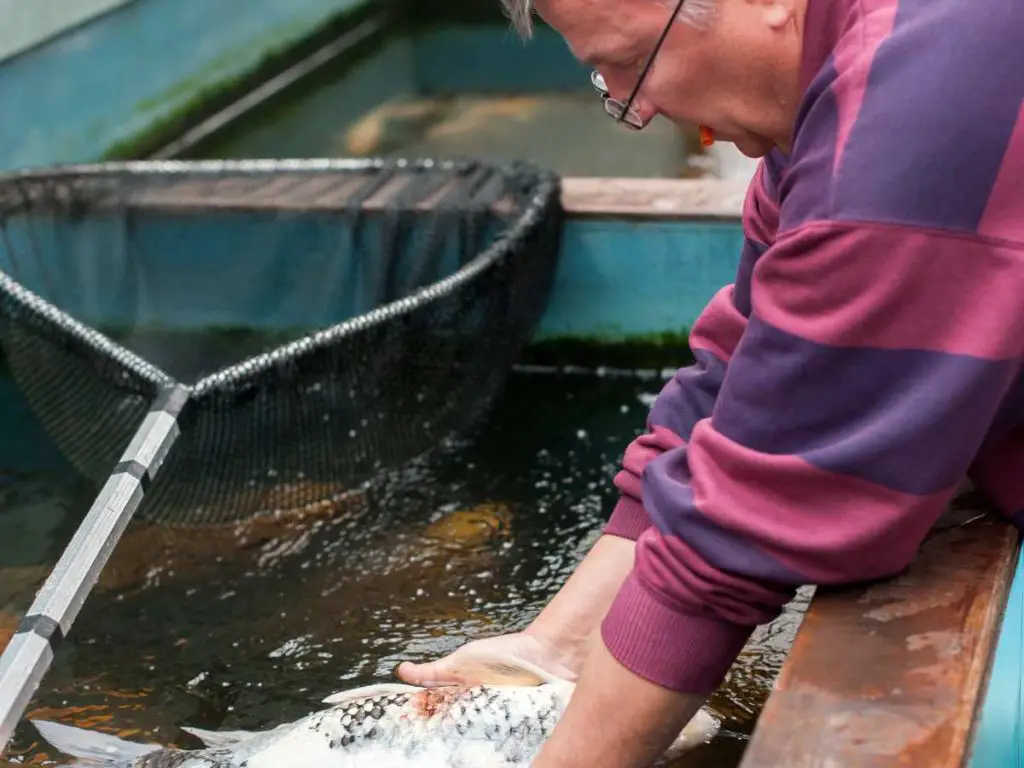
Choosing the correct pond depth is essential for maintaining healthy koi and ensuring a sustainable pond environment. However, several common mistakes can undermine these objectives if not identified and corrected early. Recognizing these errors and understanding their implications can significantly enhance pond success and koi vitality.An improperly designed pond depth—whether too shallow or excessively deep—can lead to issues such as poor water quality, increased stress on koi, and costly renovations.
Addressing these concerns proactively allows pond owners to create a balanced environment that promotes koi health and minimizes maintenance challenges.
Overly Shallow Ponds
While shallow ponds may be easier to construct and maintain, they often fail to provide the thermal stability necessary for koi health. Shallow depths tend to heat up quickly during summer, causing temperature fluctuations that stress fish and may promote algae overgrowth. Conversely, during colder months, shallow ponds may freeze solid, risking koi mortality unless extra measures are taken. Common consequences of shallow ponds include:
- Temperature swings that alter metabolic rates and immune responses in koi
- Increased susceptibility to algae blooms due to inadequate depth for proper filtration and circulation
- Difficulty in maintaining consistent water quality, leading to deteriorating pond conditions
Best practices to avoid shallow pond issues include:
- Designing the pond with a minimum depth of at least 3 feet in the main swimming area to ensure thermal stability
- Incorporating deeper zones (4-5 feet) in parts of the pond for koi to retreat during extreme weather
- Using aeration and circulation systems to mitigate temperature fluctuations and improve water quality in shallow regions
Excessively Deep Ponds
While a deep pond can provide thermal buffer zones and reduce algae growth, overly deep ponds present their own set of challenges. Very deep ponds—exceeding 6-8 feet—may be difficult to maintain, require more extensive excavation, and pose safety concerns for pond owners and visitors. Impacts of overly deep ponds include:
- Higher construction and maintenance costs due to increased excavation and structural requirements
- Difficulty in monitoring and managing water quality at greater depths
- Limited access for pond cleaning, koi observation, and emergency interventions
Strategies to prevent issues related to excessive depth:
- Adopt a balanced approach by designing the pond with a depth range of 4-6 feet, providing thermal stability and accessibility
- Implement multi-level zones with varying depths to optimize koi behavior and water quality management
- Install appropriate lighting and underwater viewing panels to facilitate regular monitoring of koi and pond health
Adjusting Pond Depth Post-Construction
Modifying pond depth after initial construction can be complex but sometimes necessary due to unforeseen circumstances or evolving pond requirements. Proper planning and execution are essential to ensure the health of koi and the integrity of the pond structure. Best practices for adjusting pond depth include:
- Carefully planning modifications to prevent destabilizing the existing pond structure or filtration systems
- Gradually increasing or decreasing depth to allow koi to adapt to environmental changes
- Consulting with pond construction professionals to design safe and effective modifications, such as partial excavation or filling
Troubleshooting tips for managing depth-related issues:
- Monitor water temperature and quality closely after any modification to ensure koi are not stressed
- Adjust aeration and filtration systems to accommodate new pond dimensions and circulation patterns
- Gradually introduce changes to minimize koi stress, observing their behavior and health throughout the process
Enhancing Pond Depth for Ecosystem Sustainability
![What'S The Best Depth For A Koi Pond? [2025 Guide] - Gold Koi Fish](https://teknologia.web.id/wp-content/uploads/2025/09/WhatS-The-Best-Depth-For-A-Koi-Pond.jpg "What'S The Best Depth For A Koi Pond? [2025 Guide] - Gold Koi Fish")
Creating a sustainable and thriving koi pond involves thoughtful consideration of depth modifications to support a balanced ecosystem. By integrating diverse aquatic plants, biological filters, and habitat zones at varying depths, pond owners can foster a dynamic environment that benefits koi health, water quality, and overall pond biodiversity. Adjusting pond depth over time and designing multi-depth zones not only enhance aesthetic appeal but also promote natural processes that sustain a healthy pond ecosystem.Integrating plants and biological filters at different depths plays a crucial role in maintaining water clarity and promoting biological balance.
Shallow zones support floating and marginal plants, which provide shade, oxygen, and natural filtration. Deeper areas enable the growth of submerged plants such as hornwort or eelgrass, which absorb nutrients and stabilize sediment. Biological filters, often placed at intermediate depths, harbor beneficial bacteria that break down waste products, transforming toxic substances into harmless compounds, thereby supporting koi health and water quality.
Balancing Koi Comfort with Natural Habitat Features
Achieving harmony between koi comfort and natural pond features requires precise depth management. Koi thrive in areas where they can comfortably swim and find refuge, typically at depths of 3 to 4 feet, which also protect them from predators and temperature fluctuations. However, incorporating zones with varied depths enhances the pond’s ecological functions and aesthetic appeal. Shallow margins allow for plant growth and ease of maintenance, while deeper sections create refuge areas for koi during extreme weather.
Guidelines for balancing these needs include:
- Designing shallow zones around 1 to 2 feet deep for planting and viewing purposes
- Maintaining central deeper zones of 4 to 6 feet to provide safe retreats for adult koi and temperature stability
- Ensuring gradual slope transitions between zones to prevent stress and facilitate natural movement
This balanced approach supports koi well-being while fostering a self-sustaining ecosystem, accommodating both practical and aesthetic considerations.
Modifying Pond Depth Over Time for Changing Conditions
Pond conditions are dynamic, and over time, certain zones may require adjustments to sustain ecological health. For instance, sediment accumulation in shallow areas can reduce effective depth, limiting plant growth and habitat space. Conversely, seasonal temperature variations might necessitate deeper zones to provide stable environments. Guidelines for modifying pond depth include:
- Regularly inspecting sediment levels and removing accumulated debris to maintain desired depths
- Adding or reshaping sections with additional soil or liner adjustments to deepen or shallow specific zones
- Implementing adjustable features such as removable barriers or floating platforms to alter depths temporarily or seasonally
Adjustments should be made gradually to allow aquatic life to adapt, preserving the pond’s ecological balance.
Creating Zones with Different Depths for Aesthetic and Functional Benefits
Designing a pond with distinct depth zones enhances visual interest while serving functional purposes like filtration, habitat diversity, and koi management. Multi-level zones can be crafted through careful landscape planning, incorporating terraces, shelves, and gradual slopes.Ideas for creating such zones include:
- Designing shallow margins of 1 to 2 feet for aquatic plants and easy access for pond maintenance
- Constructing intermediate zones of 2 to 3 feet where biological filters or aeration devices can be installed without disrupting koi movement
- Developing central deeper areas of 4 to 6 feet for koi refuge and temperature regulation during seasonal extremes
This zoned approach not only enhances the pond’s aesthetic appeal but also promotes a resilient and self-sustaining ecosystem, supporting the health of koi and aquatic life. Creating diverse zones allows for visual layering, mimicking natural pond environments, and encourages biodiversity, vital for long-term ecological stability.
Final Wrap-Up
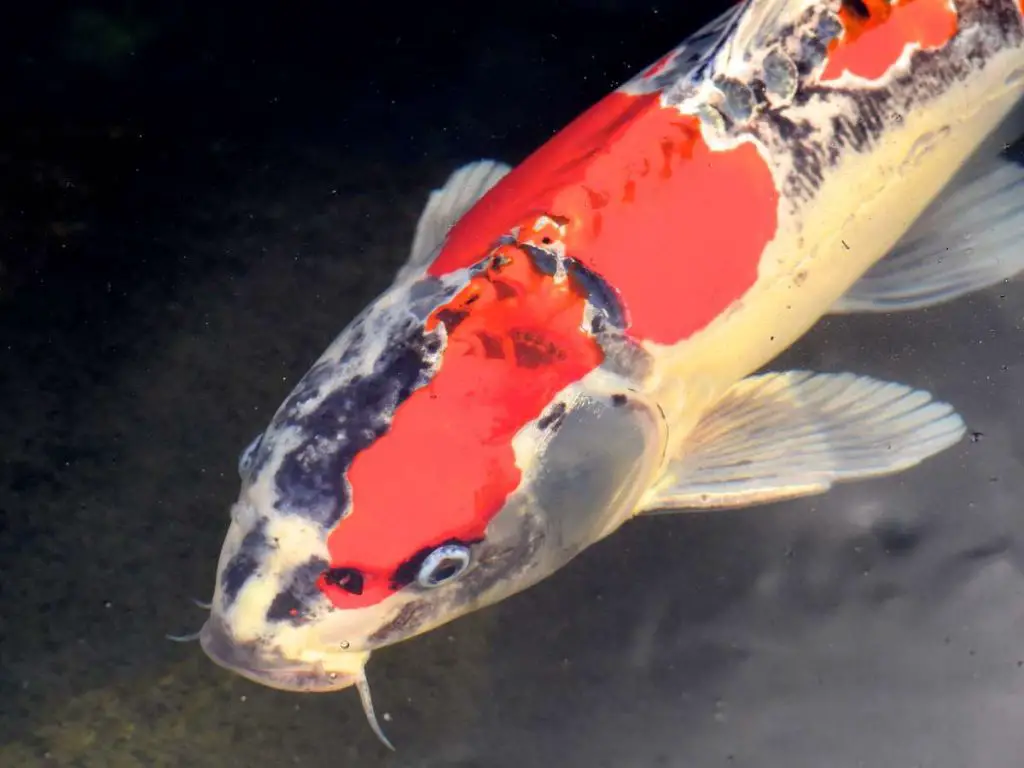
In summary, choosing the right pond depth is essential for fostering a healthy environment for your koi and sustaining a balanced ecosystem. Thoughtful planning and awareness of key influencing factors will help you avoid common mistakes and create a pond that thrives over time. Proper depth design not only benefits your koi but also enhances the overall beauty and functionality of your pond.