Creating effective shade for a koi pond is essential to maintaining a healthy environment for your aquatic life. Proper shading not only protects your koi from excessive sunlight and temperature fluctuations but also helps regulate algae growth and water quality, ensuring a vibrant and balanced pond ecosystem.
This guide explores various natural and artificial shade options, planning considerations, and maintenance tips to help you design a shaded koi pond tailored to your environment and aesthetic preferences.
Understanding the Importance of Shade in a Koi Pond
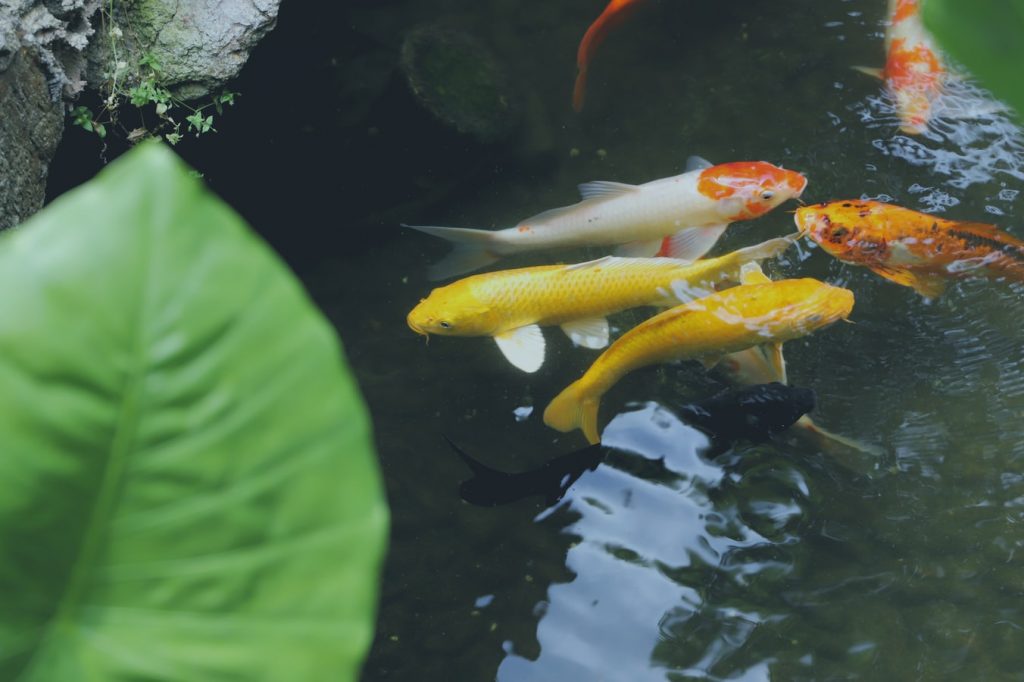
![How Do You Make A Koi Pond Shade? [2025 Guide] - Gold Koi Fish](https://teknologia.web.id/wp-content/uploads/2025/09/How-to-Shade-a-Koi-Pond-6.jpg "How Do You Make A Koi Pond Shade? [2025 Guide] - Gold Koi Fish")
Providing adequate shade for a koi pond is a crucial aspect of maintaining a healthy and balanced aquatic environment. Shade influences water temperature, controls algae growth, and creates a comfortable habitat for koi fish, ensuring their well-being and the longevity of the pond ecosystem.
Without proper shading, koi ponds are vulnerable to the negative effects of direct sunlight, which can lead to increased water temperatures and excessive algae proliferation. These conditions can cause stress to the koi, reduce oxygen levels, and disrupt the biological balance essential for a thriving pond. Implementing effective shading strategies not only benefits the health of the koi but also enhances the overall stability and aesthetic appeal of the pond environment.
Impact of Sunlight Exposure on Water Temperature and Algae Growth
Sunlight is a primary factor influencing the thermal dynamics and biological activity within a koi pond. While sunlight is beneficial in moderation, excessive exposure can lead to undesirable consequences. The following points detail how sunlight affects pond conditions:
- Increase in Water Temperature: Prolonged exposure to direct sunlight raises the water temperature, which can stress koi fish. Temperatures above 75°F (24°C) typically cause increased metabolic rates in koi, making them more susceptible to diseases and reducing their lifespan. Elevated temperatures also accelerate the evaporation process, necessitating more frequent water top-ups and maintenance.
- Promotion of Algae Blooms: Sunlight stimulates algae growth through photosynthesis. In unshaded ponds, rapid algae proliferation can result in water turning green, reducing light penetration and oxygen exchange. Excessive algae can create anoxic conditions upon decay, threatening koi health and disrupting the pond’s ecological balance.
“Optimal pond health is achieved when sunlight is balanced to promote beneficial biological activity while preventing excessive heat and algae growth.”
Environmental Benefits of Shaded Versus Unshaded Koi Ponds
Comparing shaded and unshaded koi ponds highlights the significant environmental advantages of incorporating shade structures. These benefits extend beyond koi health, impacting the pond’s ecosystem stability and maintenance needs:
- Temperature Regulation: Shaded ponds maintain more consistent and cooler water temperatures, reducing thermal stress on koi and encouraging a stable environment for aquatic plants and beneficial bacteria.
- Algae Control: Shade limits sunlight penetration, thereby suppressing excessive algae growth. This results in clearer water, decreased maintenance efforts, and a healthier aquatic ecosystem.
- Energy and Cost Efficiency: With controlled water temperatures and less algae, shaded ponds require less aeration and chemical intervention, leading to reduced energy consumption and lower operational costs.
- Enhanced Biodiversity: A more balanced environment supports a diverse range of aquatic life, including beneficial plants, microfauna, and beneficial bacteria, which contribute to natural filtration and water quality improvement.
In conclusion, integrating shade in a koi pond scheme offers vital environmental benefits, safeguarding koi health, reducing maintenance efforts, and promoting a sustainable ecosystem. Proper shading strategies create a more resilient pond environment capable of supporting healthy aquatic life with minimal intervention.
Planning Your Koi Pond Shade
Effective shading is essential for maintaining a healthy and vibrant koi pond. Proper planning ensures that the shade structures you select will provide adequate protection from harmful UV rays, reduce temperature fluctuations, and create a comfortable environment for both the koi and the pond ecosystem. This stage involves careful assessment of your pond’s location, sunlight exposure, and design considerations to determine the most suitable shading options.
By systematically evaluating your pond’s environment and understanding various shading solutions, you can optimize the health and aesthetic appeal of your koi pond while minimizing maintenance needs and ensuring long-term durability.
Assessing Pond Location and Sunlight Patterns
Understanding how sunlight interacts with your pond throughout the day is crucial for selecting appropriate shading. The goal is to identify periods of peak sunlight and determine how shadows cast by surrounding structures or vegetation change over time. This assessment helps in designing shade solutions that are both functional and unobtrusive.
Begin by observing your pond at different times—early morning, midday, and late afternoon—to note the intensity and direction of sunlight. Use a simple sun path diagram or a sunlight tracking app to visualize the sun’s movement across your property. Record the duration and angle of sunlight exposure during different seasons, especially if your location experiences significant seasonal variation.
Factors such as nearby trees, structures, or topography can influence sunlight patterns, creating natural shade or areas of intense sun. Taking these into account allows for a tailored approach that enhances the pond’s ecosystem while avoiding excessive shading that could hinder plant growth or aeration systems.
Shade Structure Selection Checklist
Choosing the right shade structures involves considering the pond’s size, shape, aesthetic preferences, and environmental factors. The following checklist helps streamline decision-making to identify the most effective shading options:
- Assess the pond’s surface area and depth to determine shade coverage requirements.
- Evaluate the existing environment, including nearby trees, buildings, and natural features.
- Define the desired permanence—temporary or permanent shading solutions.
- Consider maintenance needs and durability of potential materials.
- Match the shade type with your pond design for aesthetic harmony.
- Ensure that the shading solution allows adequate light penetration for aquatic plants if present.
- Evaluate budget constraints and installation complexities.
Comparison of Shade Options: Natural, Artificial, Temporary, and Permanent
This table provides a clear comparison of different shade options, highlighting their characteristics, advantages, and considerations based on pond size and design preferences:
| Shade Type | Description | Advantages | Considerations |
|---|---|---|---|
| Natural Shade | Shade provided by trees, shrubs, or other vegetation. |
|
|
| Artificial Permanent | Fixed structures such as shade sails, pergolas, or permanent canopies. |
|
|
| Artificial Temporary | Removable structures like portable shade sails, umbrellas, or fabric canopies. |
|
|
“Selecting an appropriate shade structure hinges on balancing durability, aesthetics, budget, and the specific environmental conditions of your koi pond.”
Natural Shade Solutions for Koi Ponds
Implementing natural shade solutions enhances the health and aesthetic appeal of your koi pond while providing a sustainable and environmentally friendly way to regulate water temperature and reduce algae growth. Utilizing plants, trees, and natural overhangs creates a harmonious environment that benefits both the koi and the pond ecosystem.
These natural shaded areas not only contribute to a cooler, more stable pond environment, but also add visual interest and biodiversity. Incorporating organic elements requires thoughtful planning to ensure safety for the koi and maintain the pond’s overall health. The following strategies detail effective ways to establish natural shading in your pond setting.
Plants That Provide Effective Natural Shade and Placement Tips
The selection of aquatic and marginal plants that offer shade is crucial for creating a natural canopy while maintaining pond balance. These plants help reduce direct sunlight penetration, thus controlling algae growth and maintaining water quality. Proper placement ensures that shade is distributed evenly without overcrowding or disrupting pond circulation.
- Water Lilies (Nymphaea spp.): Floating plants that provide surface shade, reduce temperature, and shelter koi from direct sunlight. Place them towards the pond’s center, where they can spread without obstructing pathways or aeration devices.
- Lotus (Nymphaea spp. and Nelumbo spp.): Similar to water lilies but with larger leaves and striking flowers. Position these at the deeper sections for optimal growth and shade coverage.
- Marginal Plants (e.g., Cattails, Rushes): Plant along the edges to create shaded zones and natural barriers. Keep them in shallow zones to prevent root rot and ensure koi safety.
- Submerged Plants (e.g., Hornwort, Anacharis): Help oxygenate water while providing shaded refuges beneath the surface. Distribute these throughout the pond to promote healthy aquatic life.
Strategic placement of these plants around the pond’s perimeter and within the water body maximizes shade coverage and benefits koi by offering shaded hiding spots and reducing stress during hot periods.
Incorporating Trees and Shrubs for Pond Shade with Safety Considerations
Surrounding the pond with trees and shrubs creates a natural overhang and enhances shade, making the environment more inviting and cooler for koi. However, careful selection and placement are essential to prevent potential issues such as leaf debris, root intrusion, and water quality deterioration.
- Tree Selection: Opt for non-fruiting, deciduous trees with dense foliage such as Japanese maples, dogwoods, or weeping willows. These trees provide substantial shade during the summer while shedding leaves in autumn, which can be managed to prevent clogging filters.
- Placement Tips: Position trees at a safe distance from the pond—generally at least 10-15 feet—to prevent root intrusion and falling leaves. Prune regularly to maintain canopy height and prevent excessive debris falling into the water.
- Shrubs and Bushes: Incorporate dense, low-growing shrubs such as boxwoods or holly along the pond edges. They provide partial shade and act as a buffer against wind and predators, while their roots are less invasive.
Integrating trees and shrubs requires ongoing maintenance to manage leaf and branch fall. Installing leaf netting or pond covers during peak foliage seasons can help keep the pond clean and safe for koi. Proper placement ensures that the natural shade benefits are maximized without compromising water quality or koi safety.
Creating Natural Overhangs and Floating Plant Covers
Natural overhangs and floating plants serve as dynamic shade sources that adapt to changing sunlight patterns, providing continuous protection for koi. These methods mimic natural aquatic environments and contribute to a thriving pond ecosystem.
- Overhangs from Vegetation: Use established trees and shrubs with sprawling branches that naturally overhang the pond’s edge. These overhangs create shaded zones and can be enhanced with trailing plants like ivy or creeping Jenny to extend canopy coverage.
- Floating Plant Covers: Employ dense mats of floating plants such as water lettuce or duckweed. These can be freely moved or thinned out to regulate shade intensity. They provide a floating canopy that moderates sunlight exposure and offers koi refuge from direct rays.
- Constructed Natural Overhangs: Build perches or platforms with overhanging vegetation intentionally placed above the pond to promote shade. Over time, encourage native plants to root and grow along these structures for a natural look and function.
Utilizing floating plants and natural overhangs offers flexibility and aesthetic appeal. They can be adjusted seasonally or as needed, ensuring that koi receive consistent shade while maintaining water quality and ecosystem health.
Comparison of Plant Species, Growth Habits, and Shading Capacity
| Plant Species | Growth Habit | Shading Capacity | Additional Notes |
|---|---|---|---|
| Water Lily (Nymphaea spp.) | Floating | High – covers significant surface area | Provides floatation and shade, blooms add aesthetic value |
| Lotus (Nelumbo spp.) | Emergent, Floating | High – large leaves create extensive shade | Requires deeper water, striking flowers |
| Cattails (Typha spp.) | Marginal, Emergent | Moderate – dense foliage along pond edges | Good for pond margins, can be invasive if unmanaged |
| Hornwort (Ceratophyllum spp.) | Submerged | Moderate – provides shaded zones underwater | Helps oxygenate water, easy to control |
| Japanese Maple (Acer palmatum) | Deciduous Tree | High during summer; seasonal variation | Elegant foliage, sheds leaves in autumn |
Choosing the appropriate plants based on growth habits and shading capacity ensures a balanced, sustainable, and visually appealing natural shade solution. Regular maintenance and strategic placement will maximize benefits for your koi pond environment.
Artificial Shade Structures
Artificial shade structures offer versatile and effective solutions for providing shade to your koi pond, especially in areas where natural shade options may be limited or inconsistent. These structures not only enhance the aesthetic appeal of your pond but also ensure consistent protection from harsh sunlight, helping to maintain optimal water quality and koi health throughout the year.
Proper construction and installation of artificial shading elements, such as shade sails, pergolas, or shade cloths, require careful planning, selection of durable materials, and secure anchoring methods. Employing best practices ensures longevity and stability of these structures, even under adverse weather conditions, thus safeguarding your pond and its inhabitants effectively.
Construction and Installation of Shade Sails, Pergolas, and Shade Cloths
When establishing artificial shade solutions, choosing the appropriate structure type depends on your pond size, aesthetic preferences, and environmental factors. Construction involves precise planning, material selection, and secure installation techniques to withstand wind, rain, and UV exposure.
For shade sails, a durable fabric is stretched between anchor points, typically using tensioning devices to prevent sagging and ensure a taut surface. Pergolas are constructed with sturdy posts, beams, and cross-lattices, often made of wood or metal, designed to support shade cloth or climbing plants. Shade cloths are usually installed over existing structures or free-standing frames, providing adjustable or permanent shading options.
Installation procedures include selecting appropriate anchoring points, such as concrete or heavy-duty ground anchors, and employing hardware like eye bolts, turnbuckles, or tensioners. Ensuring proper angles and tensioning is critical for preventing damage and maintaining the structure’s integrity over time.
Best Practices for Selecting Durable Materials
Choosing weather-resistant and koi-safe materials is vital for the longevity and effectiveness of artificial shade structures. Durable materials resist UV degradation, moisture, and mechanical stress, reducing maintenance needs and replacement costs.
Materials such as high-density polyethylene (HDPE) fabrics, galvanized steel or aluminum for framing, and weather-treated wood are ideal choices for outdoor koi pond shading structures.
For shade sails, fabrics like HDPE with a UV-stabilized coating offer excellent sun protection and resistance to tearing. Pergola frames should be made of corrosion-resistant metals or treated wood with weatherproof finishes. Shade cloths should be sourced from reputable manufacturers that specify UV resistance and waterproof capabilities.
Procedural Steps for Secure Anchoring and Maintenance
To ensure the stability and durability of your artificial shade structures, following proper anchoring and maintenance procedures is essential:
- Assess the site to identify optimal anchor points with solid ground or structural support.
- Use high-quality hardware, such as stainless steel eye bolts, turnbuckles, and tensioners, to secure the structure firmly.
- Install anchors at appropriate angles to resist wind uplift and lateral forces, ensuring even tension across the shade surface.
- Regularly inspect the physical condition of fabrics and hardware, tightening tensioners as needed to prevent sagging.
- Clean fabrics periodically with mild soap and water, avoiding harsh chemicals that could degrade materials.
- Replace worn or damaged components promptly to maintain structural integrity and protection level.
Maintaining proper tension and structural stability will prolong the lifespan of your artificial shade and help safeguard your koi pond against the elements effectively.
Material Features, Benefits, and Cost Considerations
| Material | Features | Benefits | Cost Considerations |
|---|---|---|---|
| High-Density Polyethylene (HDPE) Fabric | UV-stabilized, breathable, waterproof, resistant to tearing | Provides effective sun protection, durable in outdoor conditions, reduces water temperature | Moderate; typically $3–$8 per square foot, depending on thickness and UV stability |
| Galvanized Steel Frame | Corrosion-resistant, strong, long-lasting | Offers sturdy support for large or heavy shade structures, minimal maintenance | Higher initial investment; approximately $10–$20 per linear foot |
| Weather-Treated Wood | Naturally aesthetic, treated for rot and insect resistance | Suitable for aesthetic designs, easier to work with for DIY projects | Lower to moderate; about $5–$15 per linear foot, depending on wood type and treatment |
| Aluminum Frame | Lightweight, corrosion-resistant, easy to install | Cost-effective and durable alternative to steel, suitable for smaller structures | Approximately $8–$15 per linear foot |
DIY Shade Solutions
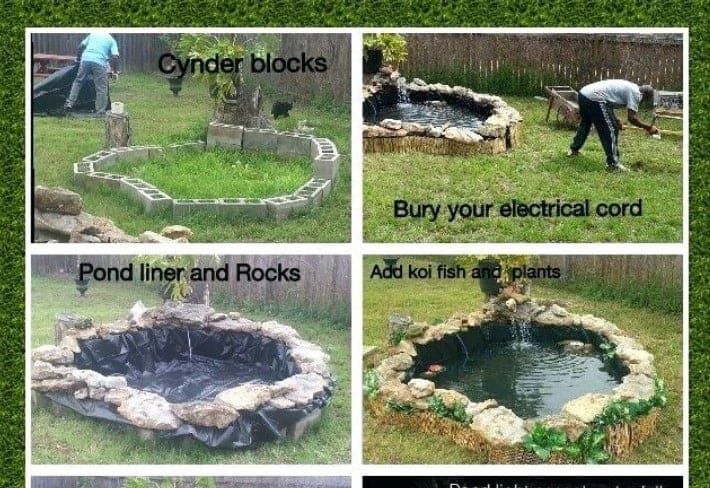
Creating your own shade options for a koi pond can be an effective and environmentally friendly way to provide necessary protection for your aquatic life. DIY solutions not only offer customization to fit your specific pond setup but also reduce costs and promote sustainable practices. Crafting homemade shade structures allows pond owners to experiment with different materials and designs, ensuring optimal shading tailored to their garden’s unique conditions.
Implementing DIY shade solutions requires careful planning and execution to ensure safety, durability, and environmental responsibility. From simple bamboo screens to innovative use of recycled materials, these projects can be both rewarding and functional, enhancing the aesthetic appeal of your pond while safeguarding your koi from harsh sunlight and temperature fluctuations.
Bamboo Screens and Driftwood Overhangs
Building natural and elegant shading structures such as bamboo screens or driftwood overhangs provides both functionality and visual appeal. These structures mimic natural environments, offering filtered sunlight and creating a tranquil, harmonious setting for your pond.
- Gather materials: Select sturdy bamboo poles, strong twine or wire, and driftwood pieces with suitable size and shape.
- Construct the frame: Arrange bamboo poles vertically around the pond edge or over the desired shaded area, securing them with twine or wire tightly at the top and middle. Ensure the structure is stable and able to withstand wind or weather elements.
- Install driftwood overhangs: Place large driftwood pieces across the bamboo framework or suspend them using sturdy hooks or cables. Position the driftwood at angles to optimize shade coverage while maintaining aesthetic appeal.
- Secure the structure: Use additional twine, stakes, or weights to anchor the bamboo and driftwood, preventing movement or collapse.
These natural structures blend seamlessly into garden environments and can be customized in size, shape, and density to control the amount of sunlight reaching your koi pond.
Integrating Recycled Materials for Eco-Friendly Shading
Using recycled and repurposed materials for DIY pond shading promotes environmental sustainability and cost savings. Items such as old pallets, discarded pallets, metal sheets, or fabric remnants can be transformed into functional shade structures that serve your pond effectively.
- Reclaimed wood: Old wooden pallets or scrap lumber can be assembled into pergolas or shelter covers. Sand and treat the wood for durability and safety before installation.
- Repurposed fabric or canvas: Use weather-resistant fabric from old tents, umbrellas, or curtains to create movable shade sails or drapes. Reinforce the edges with heavy-duty stitching or grommets.
- Metal or plastic sheets: Salvaged metal roofing or plastic panels can be cut and mounted onto frames to provide robust, long-lasting shade structures.
Repurposing these materials not only minimizes waste but also results in unique and personalized shade solutions that blend well with natural pond surroundings. Always ensure that recycled materials are free from harmful chemicals or residues that could leach into the pond ecosystem.
Safety Tips for Installing Temporary or Flexible Shade Devices
Installing shade devices requires attention to safety procedures to protect both the pond environment and the installer. Proper safety measures ensure the stability of the structures and prevent accidents during installation or adverse weather conditions.
- Use appropriate tools and protective gear: Always wear gloves, safety glasses, and sturdy footwear when handling sharp or heavy materials.
- Secure structures firmly: Ensure that any frames, poles, or overhangs are anchored securely, especially if using lightweight or flexible materials that could become airborne in high winds.
- Check for electrical hazards: Avoid installing structures near power lines or electrical outlets. If using electric tools, ensure they are properly grounded and in good condition.
- Plan for weather conditions: Schedule installation during calm weather to reduce risks associated with wind or rain. Regularly inspect structures for stability after storms or heavy winds.
- Maintain clear pathways: Keep walkways and work areas free of obstructions to prevent trips or falls during assembly and installation.
Safety should always be the top priority to ensure that DIY shade solutions are both effective and secure for long-term use around your koi pond.
Tools and Materials Needed for Common DIY Projects
Gathering the right tools and materials simplifies the construction process and ensures a successful project. Below is a list of essentials typically required for creating bamboo screens, driftwood overhangs, or recycled material shades:
| Tools | Materials |
|---|---|
| Pruning shears or saw | Bamboo poles or stalks |
| Drill and screws or nails | Driftwood pieces or reclaimed wood |
| Wire cutters or pliers | Strong twine, wire, or zip ties |
| Hammer or screw gun | Weather-resistant fabric or canvas |
| Measuring tape and level | Recycled metal or plastic panels (optional) |
| Ladder or scaffolding | Protective gloves and safety glasses |
Having these tools and materials at hand promotes efficiency and safety during your DIY shading projects, resulting in durable and eco-friendly solutions that enhance your koi pond environment.
Balancing Shade and Sunlight for Optimal Koi Health
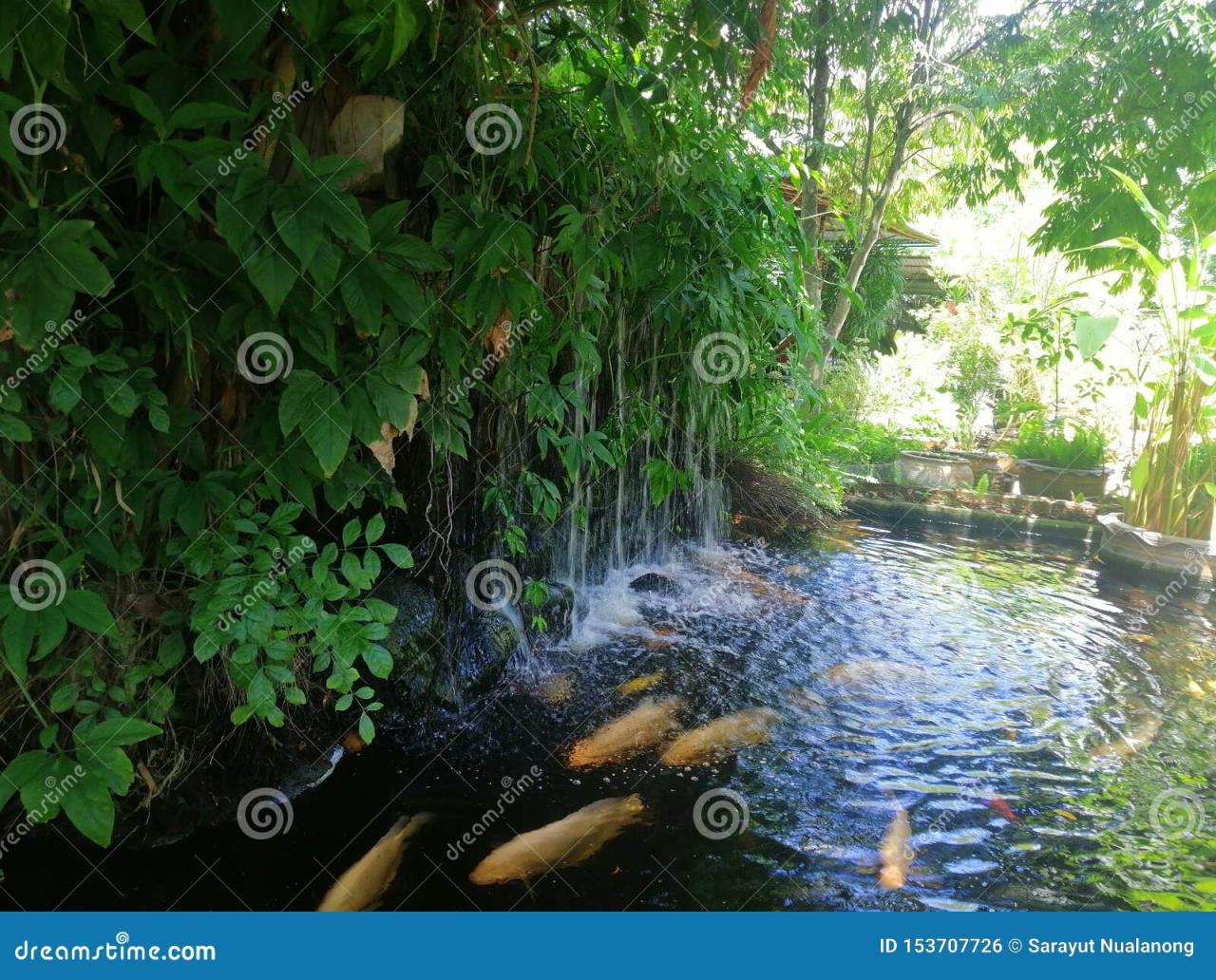
Maintaining the correct balance between shaded and sunlit areas in a koi pond is essential for promoting the health and vitality of both koi fish and aquatic plants. Proper shading prevents overheating during hot summer months, which can cause stress and illness in koi, while also supporting the growth of beneficial pond plants that require adequate sunlight for photosynthesis. Achieving this balance requires careful planning and ongoing adjustments to ensure the pond environment remains within optimal conditions year-round.
Effective management of shade levels involves understanding the dynamic nature of sunlight exposure across seasons and daily hours. Too much shade can lead to insufficient oxygen production and hinder plant growth, whereas excessive sunlight can increase water temperatures to harmful levels and promote algae overgrowth. Regular monitoring and adaptable shading strategies are key to creating a healthy, stable pond ecosystem.
Adjusting Shade Structures Seasonally and as Needed
Seasonal adjustments to shade structures are vital in responding to changing sunlight intensity, temperature fluctuations, and koi behavior. During summer months, additional shading may be required to prevent overheating, while in cooler seasons, reducing shade can maximize solar heating. Installing adjustable or movable shade solutions, such as retractable canopies or floating shade nets, allows pond owners to fine-tune shade levels with ease.
Monitoring environmental conditions is critical for determining when and how to adjust shading. Visual cues like koi behavior—such as seeking shade or surfacing more frequently—can indicate temperature stress. Additionally, water temperature readings should be taken regularly, especially during peak sunlight hours, to assess if the current shading provides adequate thermal regulation. Adjustments should be made proactively rather than reactively to maintain consistent water quality and koi health.
Monitoring Methods for Water Temperature and Koi Behavior
Implementing effective monitoring techniques enables pond owners to evaluate the success of their shading strategies continuously. Digital thermometers and submerged temperature sensors provide real-time data on water temperature, allowing for precise adjustments. Ideally, water temperatures should be maintained between 59°F and 77°F (15°C to 25°C), which is optimal for koi health and growth.
Koi behavior serves as an immediate and natural indicator of pond conditions. Observations of koi swimming near the surface or hiding beneath shade structures can signal thermal stress or discomfort. Conversely, active and evenly distributed koi suggest a well-balanced environment. Regular behavioral assessments, combined with temperature monitoring, help identify the need for shade modifications to ensure the pond remains a safe and thriving habitat.
| Shade Type | Advantages | Disadvantages | Best Use Cases |
|---|---|---|---|
| Natural Shade (Trees, Bushes) | Provides natural cooling, enhances aesthetic appeal, supports biodiversity | Can drop leaves and debris into pond, roots may disturb pond structure, unpredictable shade levels | Large outdoor ponds with space for vegetation, aesthetic pond designs, environmentally friendly setups |
| Artificial Canopies or Pergolas | Customizable shade coverage, durable, adjustable in height and angle | Higher initial cost, requires maintenance, may obstruct sunlight during winter | Pond areas needing flexible shade, patios adjacent to the pond, where aesthetic control is desired |
| Floating Shade Nets | Easy to install and remove, lightweight, cost-effective | Limited lifespan, may require frequent replacement, less effective in very windy conditions | Seasonal shading, small to medium ponds, temporary shading needs |
| Shade Cloths or Fabrics | Wide range of densities available, adjustable, easy to install | Can block too much sunlight if not chosen correctly, may need securing against wind | Customizable shading solutions for various pond sizes, adaptable to seasonal changes |
Maintenance and Adjustments of Pond Shade
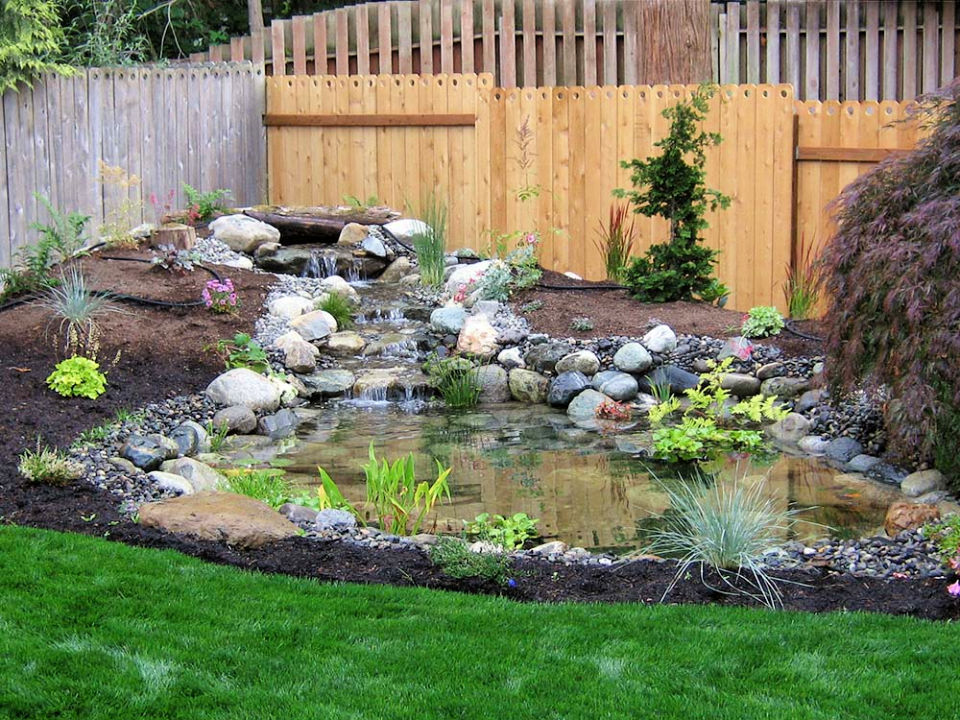
Creating a durable and effective shade for your koi pond requires ongoing maintenance and periodic adjustments to ensure it continues to serve its purpose effectively. Proper upkeep not only extends the lifespan of your shade structures but also guarantees that your koi enjoy a safe and healthy environment throughout the year. Regular inspections and timely modifications are essential components of responsible pond management, especially as seasons change and pond conditions evolve.Maintaining your pond shade involves routine checks to confirm structural stability and cleanliness, preventing potential hazards while ensuring optimal shading.
Environmental factors such as wind, heavy rain, or snow can impact the integrity of artificial structures or the growth of natural vegetation used for shading. Additionally, seasonal variations may necessitate adjustments in shading levels to accommodate shifts in sunlight, pond temperature, and plant growth. Implementing a comprehensive maintenance schedule helps in proactively addressing these concerns, minimizing long-term damage, and maintaining a balanced pond ecosystem.
Routine Checks for Shade Structure Stability and Cleanliness
A structured maintenance routine ensures that your pond shade remains secure and functional. Regularly inspecting the physical integrity of shade structures, whether artificial or natural, is vital to prevent accidents or damage that could harm your koi or the environment.
- Inspect support posts, beams, or frames for signs of rust, rot, or corrosion, especially after severe weather events.
- Check the tension and attachment points of shade fabrics, tarps, or netting to ensure they are tight and properly secured.
- Remove accumulated debris such as leaves, twigs, or dirt from shade surfaces to prevent unnecessary weight or deterioration.
- Ensure drainage paths are clear to avoid water pooling that could weaken structures or promote mold growth.
Strategies for Modifying Shading as Vegetation Grows or Seasons Change
As pond vegetation matures or seasonal sunlight patterns shift, adjustments in shading may be necessary to maintain optimal conditions for koi health and pond aesthetics. This involves evaluating current shading effectiveness and making modifications that respond to environmental changes.
- Prune overgrown trees or plants to prevent excessive shade that might hinder plant health or pond aeration.
- Install adjustable shading devices or movable plant screens that can be repositioned as needed during different seasons.
- Incorporate seasonal plantings that provide natural shade during peak summer months and allow more sunlight in colder periods.
- Use lightweight fabrics or retractable structures that can be easily extended or retracted to adapt to changing sunlight intensity.
Tips for Preventing Damage from Weather Conditions
Weather events pose significant risks to pond shade stability. Implementing protective measures minimizes damage and prolongs the lifespan of your shading solutions.
“Secure all shade structures with heavy-duty anchors, especially before storms or high-wind conditions, to prevent displacement or collapse.”
- Install storm ties or guy wires to reinforce shade structures during storms or high winds.
- Use weather-resistant materials such as galvanized metal, treated wood, or UV-stabilized fabrics to withstand harsh conditions.
- Schedule periodic inspections after severe weather to assess and repair any damage promptly.
- Consider removing or temporarily dismantling removable shade components during extreme weather events to prevent damage.
Examples of Maintenance Schedules
Adopting organized maintenance schedules ensures that shade adjustments and repairs are performed systematically and timely. An effective schedule depends on local climate, pond size, and the type of shade installed.
- Monthly: Conduct visual inspections of support structures, clean shade surfaces, and check for wear or damage.
- Seasonally: Prune surrounding vegetation, adjust shading levels, and replace or repair damaged parts.
- Annually: Perform comprehensive structural assessments, replace worn fabrics or materials, and update protective measures for adverse weather.
Regular maintenance and thoughtful adjustments not only preserve the aesthetic appeal of your koi pond but also enhance the health and safety of your aquatic life. Taking proactive steps ensures your pond remains a serene and thriving environment for years to come.
Last Point
Implementing the right shading solutions for your koi pond enhances the overall health and beauty of your aquatic environment. By thoughtfully selecting and maintaining your shade structures, you can enjoy a thriving pond that remains visually appealing and environmentally sustainable throughout the seasons.