Maintaining the proper temperature in a koi pond is essential for ensuring the health and vitality of your fish. Fluctuations in water temperature can significantly influence koi behavior, immune response, and susceptibility to diseases. Understanding effective methods to regulate pond temperature allows pond owners to create a stable environment that promotes the well-being of these beautiful aquatic creatures.
This guide explores various factors affecting pond temperature, including environmental influences and pond design, as well as practical techniques for heating and cooling. Additionally, it covers insulation strategies, monitoring tools, and troubleshooting tips to help you achieve optimal water conditions year-round.
Introduction to controlling koi pond temperature
Maintaining an optimal temperature in a koi pond is essential for fostering healthy growth, vibrant coloration, and robust immune systems among koi fish. Fluctuations in pond temperature can significantly influence their behavior, feeding habits, and overall wellbeing. Proper temperature regulation not only enhances the aesthetic appeal of the pond but also plays a vital role in disease prevention and stress reduction.
Temperature variations in outdoor ponds are often inevitable due to seasonal changes, weather patterns, and environmental factors. Without effective management, sudden drops or rises can cause koi to become stressed, reduce their immune response, and increase susceptibility to illnesses such as parasitic infections or bacterial diseases. Hence, understanding and implementing reliable methods of temperature control is crucial for serious koi enthusiasts and pond owners alike.
Overview of methods to regulate pond temperature effectively
Effective regulation of koi pond temperature involves a combination of passive and active techniques, tailored to the specific climate and pond characteristics. These methods aim to stabilize water temperature, minimize fluctuations, and create a conducive environment for koi health throughout the year.
- Using pond covers or nets during extreme weather conditions to insulate the pond and reduce heat loss during cold seasons or shield from excessive sunlight in summer.
- Installing pond heaters, such as submersible or floating heaters, to maintain a steady temperature during colder months, preventing the water from dropping below the species-specific minimums.
- Implementing aeration and circulation systems, like fountains or aerators, which not only oxygenate the water but also help distribute heat evenly across the pond surface.
- Incorporating insulation materials around pond edges or beneath the pond liner to reduce heat exchange with the environment, especially in outdoor settings.
- Monitoring water temperature regularly using reliable thermometers, enabling timely adjustments to heating or cooling mechanisms to prevent stress and health issues among koi.
Combining these strategies allows pond owners to create a stable thermal environment that supports the vitality and longevity of koi fish, regardless of external environmental changes.
Factors Influencing Koi Pond Temperature
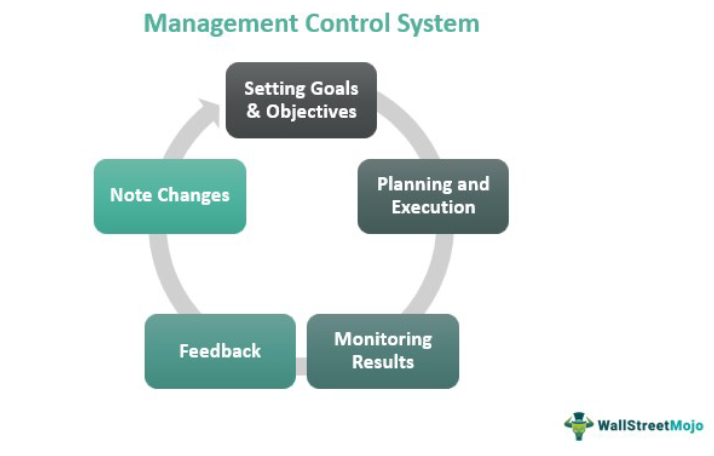
Understanding the various elements that affect the temperature of a koi pond is essential for maintaining a stable and healthy environment for the fish. The temperature influences koi behavior, growth rates, and overall health. Several environmental and pond-specific factors play vital roles in determining the temperature dynamics within the pond ecosystem.
Both external environmental conditions and the physical characteristics of the pond contribute to how temperature fluctuates throughout the year. Recognizing these factors allows pond owners to implement appropriate controls and modifications to sustain optimal conditions for koi health and activity.
Environmental Elements Impacting Pond Temperature
The surrounding environment exerts significant influence over the thermal state of a koi pond. Elements such as climate, sunlight exposure, and air temperature are primary determinants that can cause seasonal and daily variations in water temperature.
- Climate: The regional climate dictates the baseline temperature range of the pond. Tropical regions experience minimal temperature fluctuations, whereas temperate zones see significant seasonal changes, requiring different management strategies.
- Sunlight Exposure: Direct sunlight heats the water surface, raising temperature levels during the day. Factors like the pond’s orientation, presence of shade trees, or artificial shading modify the amount of solar radiation received.
- Air Temperature: Ambient air temperature directly impacts water cooling and heating. During colder months, low air temperatures can cause water to cool rapidly, whereas warmer air temperatures can help maintain or raise pond temperatures.
In addition, weather patterns such as wind, humidity, and cloud cover can influence how quickly water temperatures change. For example, overcast days reduce solar heating, helping to moderate temperature peaks, while windy conditions can increase evaporation and cooling effects.
Pond-Specific Features Affecting Temperature Stability
The physical design and capacity of the pond play critical roles in how it responds to environmental changes. Elements like depth, size, and water volume determine the pond’s ability to retain heat and resist temperature fluctuations.
- Depth: Deeper ponds tend to have more stable temperatures due to the thermal inertia of larger water volumes. The deeper zones are less affected by surface temperature swings, offering a refuge during extreme weather conditions.
- Size and Surface Area: Larger ponds with greater surface areas are more susceptible to temperature changes because they have more exposure to sunlight and air contact. Smaller ponds, while easier to manage, can experience rapid temperature shifts.
- Water Volume: The total volume of water influences how quickly the pond heats or cools. Larger volumes require more energy input to change temperature but maintain stability once achieved.
Seasonal variations significantly impact pond temperature management. During winter, ponds may require heating measures to prevent koi from experiencing dangerously low temperatures. Conversely, in summer, cooling methods may be necessary to avoid excessive heat stress. Understanding the interplay of these physical features helps in designing effective temperature control strategies tailored to specific pond conditions.
Methods for Heating Koi Ponds
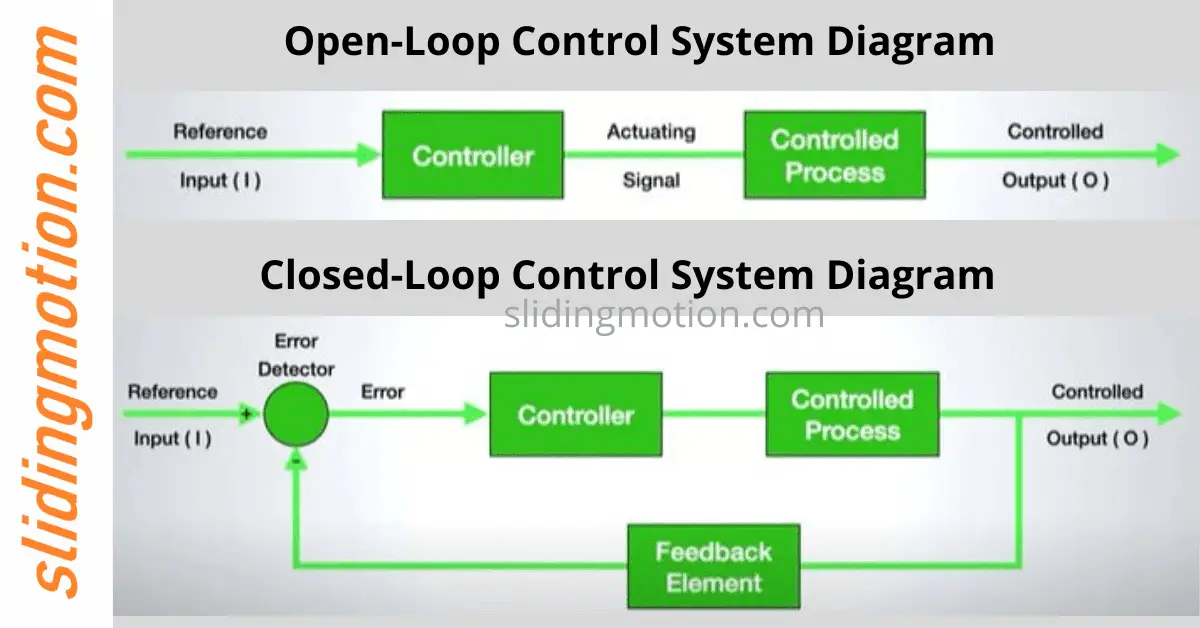
Maintaining a stable and appropriate temperature in a koi pond is essential for the health and well-being of the fish, especially during colder months. External pond heaters provide an effective way to regulate water temperature, ensuring that koi can thrive throughout the year. Selecting the right heating method involves understanding various options, installation procedures, and ongoing maintenance considerations.
Properly installing and operating external heaters not only prolongs their lifespan but also guarantees safety and efficiency. It is crucial to choose a heater suitable for the specific pond size and environmental conditions to achieve optimal results. Regular monitoring of heater performance helps prevent malfunctions and ensures the koi pond remains within the desired temperature range.
External Pond Heaters: Electric and Gas Options
External pond heaters come primarily in electric and gas-powered models. Each type offers unique advantages and considerations, making them suitable for different pond sizes, climates, and user preferences.
Electric Pond Heaters
Electric pond heaters are popular because of their ease of installation, precise temperature control, and relatively low operating costs. They are ideal for small to medium-sized ponds and can be easily integrated with existing electrical systems. These heaters typically include thermostats for automatic temperature regulation, reducing the risk of overheating or under-heating.
Electric heaters are generally compact, require minimal maintenance, and are safer for indoor or sheltered pond locations. However, they should be installed with proper waterproofing and electrical safety measures to prevent accidental shocks or damage from water exposure.
Gas Pond Heaters
Gas-powered heaters, often fueled by propane or natural gas, provide robust heating solutions suitable for larger ponds or colder climates. They are capable of rapidly raising water temperature and can operate independently of electrical sources, which is advantageous in areas with unreliable power supply.
Gas heaters require correct ventilation and professional installation to ensure safe operation. They are typically more expensive to operate due to fuel costs but offer high thermal output, making them suitable for maintaining warmth during extended cold spells.
Installation and Operation of Submersible Heaters
Submersible heaters are designed to be immersed directly in the pond water, providing efficient and uniform heating. Correct installation and operation are vital to maximize performance and safety.
- Choose a heater with a capacity appropriate for the pond size, considering volume and fish population.
- Install the heater at a depth where it is fully submerged and away from high-traffic fish areas to prevent accidental damage.
- Secure the heater using the provided mounting brackets or suction cups to prevent movement.
- Ensure the power cord is waterproof and protected from mechanical damage.
Operation involves setting the thermostat to the desired temperature, regularly inspecting the device for signs of wear or malfunction, and ensuring that the power supply remains stable. During colder months, monitor the heater’s performance at least once daily to maintain consistent water temperature and prevent overheating or failure.
Heater Types, Capacities, and Suitable Pond Sizes
| Heater Type | Capacity (Watts or BTU) | Suitable Pond Size | Notes |
|---|---|---|---|
| Electric Submersible | 300W – 1500W | Up to 2000 gallons | Adjustable thermostat, easy installation |
| Gas Heater | 10,000 – 50,000 BTU | More than 2000 gallons | Requires ventilation, suitable for large ponds |
| External Electric Heaters | Up to 5 kW | Small to medium ponds (up to 3000 gallons) | Connected via waterproof electrical systems |
| Inline Heaters | Variable, often 1-10 kW | Large ponds or koi ponds integrated with filtration systems | Requires professional installation |
Setting Thermostat Controls
Properly configuring thermostat controls ensures that the pond water remains within the optimal temperature range for koi health. Follow these steps for accurate setup:
- Identify the thermostat dial or digital control panel on the heater.
- Refer to the recommended temperature range for koi, typically between 65°F and 75°F (18°C – 24°C).
- Set the thermostat to the lower end of this range to prevent over-warming during winter or in warmer climates.
- If the heater features a digital display, input the desired temperature precisely, and enable any automatic or timer functions if available.
- Test the thermostat by adjusting it slightly and observing the heater’s response over a few hours.
- Confirm that the heater cycles on and off appropriately, maintaining a stable water temperature.
Importance of Regular Monitoring
Monitoring heater performance regularly is vital to ensure reliable operation and safeguard koi health. Key considerations include:
- Inspecting electrical connections and cords for damage or corrosion.
- Verifying that the thermostat maintains the set temperature without frequent cycling, which indicates proper functioning.
- Cleaning the heater to remove debris, algae, or mineral buildup that may hinder performance.
- Checking for signs of overheating, such as discoloration or unusual noises.
- Recording water temperatures periodically to identify any fluctuations or malfunctions early.
Consistent vigilance helps prevent heater failure during cold snaps, avoiding sudden drops in water temperature that could stress or harm koi. Implementing a routine for inspection and maintenance ensures the longevity of the heating system and the ongoing health of your pond ecosystem.
Methods for Cooling Koi Ponds
Cooling koi ponds becomes essential during hot weather conditions to maintain a healthy aquatic environment for the fish. Effective cooling methods help prevent stress, disease, and oxygen depletion caused by elevated water temperatures. Both passive and active cooling techniques can be employed depending on the climate, pond size, and budget. Implementing appropriate cooling strategies ensures the longevity and well-being of your koi, especially in regions experiencing heatwaves or consistently high temperatures.Cooling methods for koi ponds range from simple passive techniques to advanced mechanical systems.
Passive methods rely on natural processes and landscape management, while active systems use technology to directly lower water temperature. The selection of the most suitable approach depends on climate conditions, pond design, and available resources.
Passive Cooling Techniques
Passive cooling strategies utilize natural elements to reduce water temperature without significant energy consumption. These methods often integrate seamlessly into existing pond setups and provide sustainable options for maintaining cooler water during hot periods.Planting shade trees or installing shade sails over the pond reduces direct sunlight exposure, which is a primary factor contributing to heat accumulation. Trees like willows, maples, or eucalyptus provide natural shade and also contribute to evapotranspiration, which helps lower ambient temperature around the pond.
Additionally, planting aquatic and marginal plants around the pond’s edges creates a cooling microclimate. Vegetation also provides shade for water surfaces, minimizing the heat absorbed during peak sunlight hours.Creating shaded areas with structures such as pergolas or umbrellas can effectively block direct sunlight, especially during the hottest parts of the day. These passive techniques are cost-effective, environmentally friendly, and can be easily tailored to specific pond layouts.
Aerators and Fountains for Water Evaporation
Mechanical devices like aerators and fountains serve as active cooling methods by increasing water surface agitation, which accelerates evaporation and consequently lowers water temperature. These devices are widely used due to their ease of installation and immediate cooling effects.Aerators introduce bubbles or streams of air into the pond, increasing surface agitation and promoting gas exchange. Fountains, on the other hand, spray water into the air, creating a cooling effect through evaporation.
The increased evaporation not only reduces water temperature but also improves oxygen levels, benefiting koi health during hot weather.Proper placement of aerators and fountains ensures optimal coverage of the pond surface, maximizing the cooling effect. Additionally, these devices can be combined with decorative features, adding aesthetic value to the pond while serving functional purposes.
Active Cooling Systems
Active cooling systems are mechanical solutions designed to precisely control water temperature in ponds experiencing extreme heat. The most effective of these systems are chillers, which operate similarly to air conditioning units but are specially designed for aquatic environments.Chillers work by circulating water through a cooling unit, extracting heat, and returning cooled water to the pond. Installation requires appropriate sizing based on pond volume, heat load, and climate conditions.
They should be positioned in well-ventilated areas, and electrical safety measures are crucial due to the equipment’s power requirements.While chillers provide rapid and reliable temperature control, they involve higher upfront costs, energy consumption, and maintenance requirements. In regions with prolonged heatwaves or high ambient temperatures, chillers can be invaluable for maintaining optimal koi health.
Cooling Options: Natural and Mechanical
A comprehensive cooling strategy often involves a combination of natural and mechanical methods. Here is a summarized overview:
- Natural Cooling Options
- Shade installation
- Vegetation and aquatic plants around the pond
- Creating shaded structures
- Mechanical Cooling Options
- Aerators and fountains to promote evaporation
- Water chillers designed for ponds
- Circulation pumps with cooling attachments
Each method has specific advantages and limitations. Natural techniques are environmentally sustainable, cost-effective, and visually appealing but may have limited cooling capacity in extreme heat. Mechanical options offer precise temperature control and higher effectiveness but involve greater initial investment and ongoing energy costs. Combining these approaches can provide a balanced and efficient cooling system tailored to local climatic conditions and pond specifications.
Implementing Cooling Methods in Different Climates
The effectiveness of cooling techniques varies significantly across different climatic zones. In temperate regions, passive methods such as shading and planting may suffice during summer months, reducing reliance on mechanical systems. In contrast, tropical or arid environments with consistently high temperatures may necessitate active cooling solutions like chillers for optimal koi health.In colder climates, cooling methods should be carefully managed to prevent unnecessary temperature drops during winter.
For example, shading structures should be designed to allow sunlight penetration during the day to prevent pond freezing, while aerators can be used to maintain oxygen levels without significantly impacting temperature.During heatwaves or unseasonably hot periods, it is advisable to implement a combination of passive and active cooling techniques. For instance, installing shade fabrics and strategically placing aerators can provide immediate relief, while a chiller system can be employed for sustained temperature regulation.
Regular monitoring of water temperature and environmental conditions is essential for adjusting cooling strategies effectively.
Insulation and Pond Design Considerations
Effective insulation and thoughtful pond design are essential components in maintaining stable water temperatures in a koi pond. Properly designed features minimize heat loss during cold periods and reduce excessive heat gain during warmer months, ensuring a healthy environment for the koi and reducing the need for additional heating or cooling systems. Integrating insulation and strategic design elements contributes significantly to thermal regulation, promoting a consistent and optimal habitat for your pond inhabitants.
Incorporating insulation into pond construction and considering shape and depth are vital steps toward achieving temperature stability. Material selection, pond geometry, and construction techniques all influence how well the pond retains or dissipates heat. By paying close attention to these factors, pond owners can create a more energy-efficient and environmentally stable environment that supports koi health throughout the year.
Insulating Pond Edges and Covers
Insulating pond edges and covers plays a crucial role in controlling heat exchange with the environment. Insulation around the edges minimizes heat loss during cold weather and prevents heat intrusion during hot periods. Covering the pond surface with insulating materials, such as pond covers or floating sheets, further reduces evaporation and thermal exchange, maintaining more consistent water temperatures.
- Insulating pond edges with materials such as foam boards or rubber linings creates a thermal barrier, safeguarding against rapid temperature fluctuations.
- Floating pond covers or shade cloths can be used to reduce heat loss at night and limit heat gain during sunny days.
- A well-insulated pond cover also diminishes moisture evaporation, which can lead to temperature instability and water quality issues.
Pond Shape and Depth Design Features
The design of the pond’s shape and depth directly impacts its thermal stability. Deeper ponds tend to experience less fluctuation in temperature due to their greater volume and thermal mass, providing a more consistent environment for koi. Additionally, irregular or rounded shapes reduce surface area exposure, minimizing heat exchange with the environment.
- Deep zones, typically exceeding 4 feet, are preferable in colder climates to preserve warmth during winter months.
- Designing the pond with multiple depths allows for better temperature stratification, offering favorable zones for koi at different times of the year.
- Shallow areas heat up quickly but also cool down faster, so strategically placing these zones can optimize overall temperature regulation.
Materials Used for Pond Insulation
Choosing appropriate insulation materials is fundamental for effective thermal management. The materials should have high insulation properties, durability, and suitability for aquatic environments. Below are some common insulation options with their descriptions:
| Material | Description | Effectiveness | Additional Notes |
|---|---|---|---|
| Extruded Polystyrene (XPS) Foam Board | Rigid foam boards with closed-cell structure, resistant to moisture and compression. | High; excellent thermal resistance with R-values typically between 4 and 5 per inch. | Ideal for pond edges and underneath pond liners; long-lasting and easy to cut. |
| Polyisocyanurate Foam | High-performance foam with superior R-value, often used in building insulation. | Very high; R-values up to 7 per inch. | Needs to be protected from moisture; suitable for insulating pond covers. |
| Rubber or EPDM Pond Liners with Insulation Layer | Flexible liners with integrated insulation; sometimes layered with foam pads. | Moderate; effective for lining and insulating pond surfaces simultaneously. | Durable and waterproof; supports thermal stability without sacrificing flexibility. |
| Cellular Glass Insulation | Rigid and non-combustible material with low water absorption. | High; R-values around 4.5 per inch. | Very durable; suitable for long-term pond insulation applications. |
Construction Tips for Optimizing Thermal Regulation
Implementing proper construction techniques enhances the effectiveness of insulation and pond design for thermal stability. These tips help ensure that the pond maintains a consistent temperature throughout the year, ultimately promoting the health and vitality of koi fish.
- Incorporate insulation layers beneath the pond liner to reduce heat loss from the bottom and sides of the pond.
- Use a combination of insulation materials, such as foam boards coupled with pond covers, to maximize thermal retention.
- Design the pond with naturally sheltered areas, such as positioned near structures or trees, to provide windbreaks that reduce heat loss.
- Ensure that pond covers or floating insulation are securely anchored to withstand weather conditions, preventing displacement that could compromise insulation.
- Implement a layered approach with insulation and reflective materials to bounce back radiant heat and improve temperature stability.
Monitoring and maintaining optimal temperature

Consistent monitoring and diligent maintenance of water temperature are vital for the health and vitality of koi fish. Proper temperature management ensures that koi remain comfortable, active, and resilient against disease. Implementing reliable tools and establishing effective routines for temperature tracking can make a significant difference in creating a stable environment for your pond inhabitants.
Maintaining precise water temperature reduces stress on koi, supports their immune systems, and promotes optimal growth. It also helps prevent issues such as thermal shock, which can be detrimental to fish health. Regularly assessing pond temperature allows for timely adjustments, ensuring that the pond environment remains within the ideal range throughout seasonal fluctuations.
Tools and Devices for Measuring Water Temperature Accurately
Accurate temperature measurement is fundamental to effective pond management. Several tools and devices are available to help pond owners monitor water temperature with precision:
- Digital Waterproof Thermometers: These devices provide quick readings and often include features such as maximum/minimum temperature tracking and data logging. They are durable and suitable for outdoor pond environments.
- Infrared Thermometers: Non-contact devices that measure surface water temperature by detecting infrared radiation, offering rapid readings without direct contact. Useful for spot checks and quick assessments.
- Submersible Temperature Loggers: Advanced devices that can be submerged for extended periods, recording temperature data at set intervals. Ideal for long-term monitoring and analysis.
- Analog Thermometers: Traditional mercury or alcohol thermometers designed for aquatic use. Though less precise, they can serve as reliable backup tools.
Choosing the right tool depends on the pond size, budget, and the level of monitoring required. Ensure that devices are calibrated regularly to maintain measurement accuracy.
Guidelines for Setting Temperature Thresholds Suitable for Koi Health
Establishing optimal temperature thresholds is crucial for maintaining koi health, especially during seasonal changes. The general ideal temperature range for koi is between 59°F and 77°F (15°C to 25°C). Temperatures outside this range can cause stress or health issues.
In colder months, maintaining a minimum of 50°F (10°C) is essential to prevent hypothermia. During warmer periods, avoid exceeding 77°F (25°C) to prevent oxygen depletion and stress.
Adjust thresholds based on specific koi breeds and environmental conditions. For instance, tropical koi varieties may tolerate slightly higher temperatures, while temperate breeds require more careful regulation during winter.
Creating a Maintenance Schedule for Temperature Checks
Consistency in monitoring is key to effective temperature management. Establishing a routine schedule ensures early detection of undesirable fluctuations. An effective schedule might include:
- Daily temperature checks during seasonal transition periods, when environmental conditions change rapidly.
- Weekly assessments during stable seasons to confirm consistent temperature levels.
- More frequent checks following weather events such as storms or cold snaps, to respond quickly to sudden temperature drops or rises.
Use a logbook or digital record to document each reading, noting the date, time, and any adjustments made. This practice helps identify patterns and anticipate seasonal shifts, enabling proactive system adjustments.
Adjusting Heating or Cooling Systems Based on Seasonal Changes
Seasonal variations require careful calibration of heating and cooling systems to sustain optimal temperatures. During colder months, supplemental heaters such as submersible pond heaters or inline heating systems can be employed to prevent water from dropping below safe levels. In summer, shade structures, aeration devices, or evaporative cooling methods help regulate excessive heat.
Adjustments should be based on recorded temperature data and forecasted weather conditions. For instance, if winter temperatures are forecasted to fall below 50°F (10°C), increasing heater output or using insulation can prevent temperature drops. Conversely, during heatwaves, activating cooling systems early can stabilize the pond temperature and prevent koi stress.
Recording and Analyzing Temperature Data Over Time
Maintaining detailed records of water temperature provides valuable insights into the pond’s thermal behavior and system effectiveness. Regular data analysis enables pond owners to identify trends, anticipate seasonal changes, and fine-tune heating and cooling strategies accordingly.
Utilize spreadsheet software or dedicated pond management apps to chart temperature readings over days, weeks, and months. Look for patterns such as gradual temperature drops in autumn or peaks during summer, and correlate these with environmental factors and system adjustments.
Reviewing historical data can reveal the effectiveness of insulation, the performance of heating/cooling devices, and the impact of external weather events. This proactive approach ensures a stable aquatic environment, supporting koi health and longevity throughout the year.
Troubleshooting Temperature Issues
Maintaining a stable temperature in a koi pond is essential for the health and well-being of the fish. Despite best efforts, temperature fluctuations can occur due to various factors, leading to potential stress or health risks for the koi. Identifying and resolving these issues promptly is crucial to ensuring a balanced aquatic environment and preventing long-term problems.Understanding common temperature-related problems enables pond owners to act swiftly and effectively.
From overheating during warm months to excessively cold water in winter, each issue requires specific strategies for resolution. Proper troubleshooting not only restores optimal conditions but also enhances the pond’s resilience against future fluctuations.
Common Problems with Koi Pond Temperature
The most frequent temperature issues faced by koi pond owners include water overheating and water becoming too cold. Recognizing the symptoms of these problems early can prevent severe health consequences for the fish, such as stress, immune suppression, or disease susceptibility.Overheating often occurs during peak summer months or heatwaves when pond temperatures surpass the ideal range of 59-77°F (15-25°C). Conversely, overly cold water is typical in winter or in unheated ponds, where temperatures drop below the optimal range.
Other issues may include uneven temperature distribution, where certain areas of the pond are warmer or colder than others, creating stress zones for the koi.
Action Plans for Resolving Temperature Inconsistencies
Implementing effective action plans depends on accurately diagnosing the specific problem and understanding the underlying causes. Here are detailed steps to address common temperature issues:
- Overheating: If the pond water exceeds safe temperatures, immediately reduce heat buildup by shading the pond with aquatic-safe covers or by planting water-compatible shading plants such as water lilies or reeds. Turn off or reduce the operation of pond heaters and consider increasing aeration to enhance cooling through evaporation. If necessary, temporarily introduce cooler water via controlled water exchanges, ensuring the temperature difference isn’t stressful to the koi.
- Overly Cold Water: To warm the pond, activate pond heaters designed for aquatic environments, or install submersible heating elements with thermostatic controls. Ensure that heating equipment is functioning correctly and has safety features such as automatic shutoff in case of faults. For quick warmth, add water at a controlled, warm temperature, avoiding sudden changes that could shock the koi.
- Uneven Temperatures: Distribute heat or cool air evenly across the pond by adjusting aeration and circulation devices. Use water features such as fountains or waterfalls to promote water movement, preventing thermal stratification. Conduct regular temperature checks at various points in the pond to identify and address cold or hot spots promptly.
Safety Measures for Handling Heating and Cooling Equipment Faults
Ensuring safety during maintenance or troubleshooting of heating and cooling systems is vital to prevent accidents, equipment damage, or koi harm. Always follow manufacturer instructions carefully, and adhere to best practices for pond equipment safety.
- Before performing any maintenance, disconnect electrical power sources to prevent shocks.
- Regularly inspect wiring, thermostats, and connection points for signs of wear, corrosion, or damage. Replace faulty components immediately.
- Use equipment specifically designed for aquatic environments, and ensure all devices are grounded properly to prevent electrical hazards.
- Maintain a safe distance when testing or adjusting heating elements, especially those that operate at high temperatures.
- Have a fire extinguisher suitable for electrical fires nearby, and never attempt repairs in wet or damp conditions.
Case Examples of Temperature Management Challenges and Solutions
Real-world cases highlight common issues and effective responses:
In one instance, a pond located in a region experiencing an unexpected heatwave saw temperatures rise above 85°F (29°C). The pond owner rapidly installed shade sails and increased aeration with high-capacity diffusers, which promoted evaporation and cooling. Additionally, they temporarily reduced the operation of pond heaters to prevent further temperature escalation. The koi showed signs of stress initially but recovered quickly once conditions stabilized.
In another case, a pond in a colder climate faced winter temperatures dropping below 40°F (4°C). The owner installed a thermostatically controlled submersible heater, ensuring constant warmth. They also added a floating de-icer designed for ponds, which prevented ice formation and maintained a safe temperature range for the koi. Regular monitoring confirmed stable temperatures, allowing the fish to overwinter safely.
By following structured troubleshooting steps and implementing reliable safety measures, pond owners can effectively manage and resolve temperature issues, creating a healthy environment for their koi throughout the year.
Summary
In conclusion, controlling the temperature of your koi pond is a vital aspect of pond management that directly impacts fish health and pond longevity. By applying appropriate heating, cooling, insulation, and monitoring methods, you can maintain a stable environment that supports the thriving life of your koi. Regular attention and proper system maintenance will ensure your pond remains a healthy and beautiful aquatic habitat in every season.