Maintaining the correct pH level in a koi pond is essential for the health and vitality of your aquatic inhabitants. Proper pH balances support biological processes, prevent stress, and promote overall pond stability. Understanding how to effectively manage these levels ensures your koi thrive in a safe and harmonious environment.
This guide explores the importance of pH levels, factors influencing pH fluctuations, methods for testing and balancing pH, natural strategies for stability, troubleshooting common issues, and long-term management practices. By mastering these techniques, pond owners can foster a thriving ecosystem that sustains their koi for years to come.
Understanding Koi Pond pH Levels

Maintaining the appropriate pH level in a koi pond is fundamental to ensuring the health, vitality, and longevity of the fish. The pH level signifies the acidity or alkalinity of the water, directly influencing the biological and chemical processes within the pond ecosystem. Proper pH management supports optimal metabolic functions, enhances immune responses, and promotes the stability of essential beneficial bacteria that facilitate biological filtration.
In a koi pond, the pH scale ranges from 0 to 14, with 7 being neutral. Slight deviations in pH can have profound effects on koi health, impacting everything from respiration to immune function. Understanding the significance of maintaining a balanced pH allows pond owners to implement effective strategies to prevent stress, disease outbreaks, and environmental imbalance.
The Suitable pH Range for Koi Fish and Pond Ecosystems
The ideal pH range for a healthy koi pond is typically between 6.8 and 8.2. Within this window, koi fish can thrive without undue stress or risk of health complications. This range supports the enzymatic and metabolic functions of koi, aiding in digestion, immune response, and overall well-being.
Maintaining a stable pH within this range is crucial because fluctuations can trigger stress responses or make the pond environment conducive to harmful algae growth or pathogenic bacteria. Consistent testing and adjustments are necessary to ensure the pH remains within this optimal zone, especially during seasonal changes or after chemical treatments.
Comparison of pH Levels: Acidic, Neutral, and Alkaline Conditions
Understanding the effects of various pH levels on a pond ecosystem helps in managing water quality effectively. Here is a comparative analysis of different pH conditions:
| pH Level | State of Water | Impact on Koi and Pond Environment |
|---|---|---|
| Below 6.8 (Acidic) | Highly acidic |
|
| 6.8 to 8.2 (Neutral to Slightly Alkaline) | Optimal range |
|
| Above 8.2 (Alkaline) | Highly alkaline |
|
Maintaining pH within the optimal range ensures biological stability, supports fish health, and prevents detrimental environmental effects, making it a cornerstone of effective koi pond management.
Factors Influencing pH in a Koi Pond
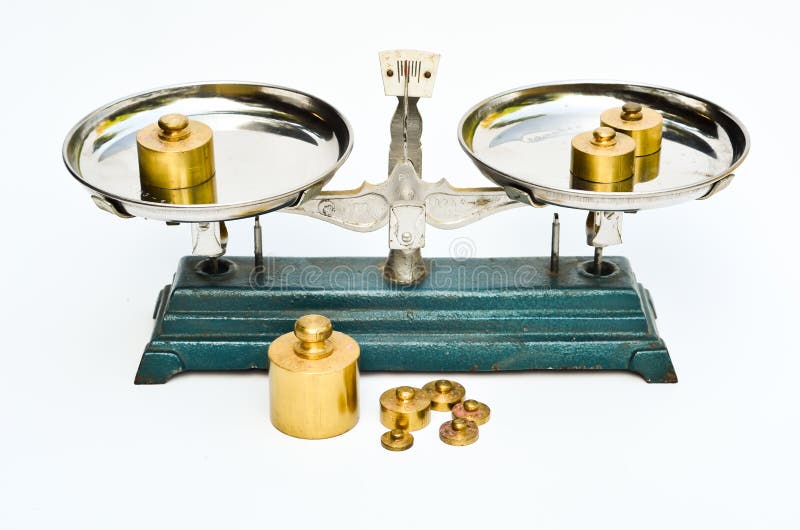
Maintaining a stable pH level in a koi pond is vital for the health and vitality of the fish. Various environmental and biological factors can cause fluctuations in pH, affecting the overall pond ecosystem. Understanding these influences enables pond owners to anticipate changes and implement strategies to sustain optimal pH conditions, ensuring a thriving environment for koi and aquatic plants alike.
Multiple elements, from weather patterns to biological activity, play a role in shaping the pH balance within a pond. Recognizing the impact of these factors allows for more effective management practices tailored to the specific conditions of each pond. By addressing these influences, pond keepers can maintain a steady pH, preventing stress and disease in koi populations while supporting healthy biological processes.
Environmental Factors Affecting pH
The environment surrounding a koi pond significantly impacts its pH stability. External conditions such as weather, pond size, and water source contribute to fluctuations that can challenge maintaining an ideal pH range.
- Weather Conditions: Rainfall and temperature changes are primary drivers of pH variation. Heavy rains can introduce acidic or alkaline substances, temporarily lowering or raising pH levels. Conversely, hot, sunny weather accelerates evaporation, concentrating minerals and potentially increasing pH, while cold weather can slow biological activity, causing pH instability.
- Pond Size and Water Volume: Larger ponds tend to exhibit more stable pH levels due to their higher water volume, which buffers against rapid changes. Smaller ponds are more susceptible to pH swings because even minor biological or chemical inputs can significantly impact the overall balance.
- Water Source and Quality: The mineral content and pH of incoming water sources, such as tap water or natural springs, influence pond chemistry. Hard water, rich in calcium and magnesium, can elevate pH, while softer, acidic water may lower it. Regular testing of inflow water helps predict and manage potential impacts on pond pH.
Materials and Decorations Impacting pH
The materials used in pond construction and the decorations added can alter pH levels over time. These elements often interact chemically with the water, either buffering or destabilizing pH balance.
- Pond Liners and Construction Materials: Some liners, especially those made of concrete or certain plastics, can leach substances that influence pH. For example, concrete naturally contains calcium carbonate, which can help buffer acidity and cause a gradual increase in pH.
- Decorative Rocks and Substrate: Limestone or coral-based decorations release calcium carbonate, which can raise water pH and provide natural buffering capacity. Conversely, materials like volcanic rocks or certain gravels may not significantly impact pH but can contribute to biological filtration processes.
- Additional Accessories: Items such as ceramic ornaments, plant containers, or artificial decorations generally do not alter pH unless they contain reactive substances. It is essential to select materials compatible with aquatic life and chemical stability to prevent unwanted pH shifts.
Biological Activity and pH Fluctuations
Biological processes within the pond, including koi metabolism and plant activity, are primary contributors to pH variability. These natural biological functions influence the chemical composition of the water, requiring careful observation and management.
- Koi Metabolism and Waste Production: Koi produce ammonia through metabolic waste, which is converted by beneficial bacteria into nitrites and then nitrates. During this process, acids can be produced, leading to pH drops, especially if biological filtration is overwhelmed or ineffective.
- Plant Photosynthesis and Respiration: Aquatic plants play a dual role by absorbing CO₂ during photosynthesis, which increases pH by reducing carbonic acid. However, at night or during periods of low sunlight, respiration dominates, releasing CO₂ and lowering pH. Heavy plant growth can stabilize pH during the day but cause fluctuations at night.
- Organic Decomposition: Accumulation of decaying organic matter, such as fallen leaves or uneaten food, releases organic acids during decomposition, potentially decreasing pH. Regular cleaning and maintenance mitigate these effects, preserving a stable pH environment.
Testing and Monitoring pH Levels

Maintaining stable pH levels in a koi pond is essential for the health and vitality of the fish. Regular testing and monitoring allow pond owners to detect fluctuations early and take corrective actions promptly. Accurate assessment of pH not only helps in preventing stress and disease among koi but also ensures the effectiveness of any pH balancing treatments applied. Implementing a reliable testing routine is therefore a cornerstone of good pond management.
There are various methods available for testing pH levels, each with its own advantages and limitations. Choosing the appropriate testing kit or digital meter depends on factors such as accuracy, ease of use, and cost. Regular monitoring, organized according to a consistent schedule, plays a crucial role in maintaining the pond’s ecological balance. Establishing a structured approach to testing ensures that pH remains within the optimal range for koi health, typically between 7.0 and 8.0.
Procedures for Testing Pond pH
Accurate testing involves following specific procedures tailored to the type of testing method selected. Below are common methods used by pond keepers to measure pH levels:
- Liquid Test Kits: These kits usually involve adding a few drops of a reagent solution to a water sample, which then changes color according to the pH level. The color is compared against a color chart included with the kit for an approximate pH reading. Liquid test kits are affordable and simple to use, making them popular among hobbyists.
- Test Strips: pH test strips are dipped into the pond water and then removed, with the resulting color compared to a chart. They are quick and easy but generally less precise than liquid kits or digital meters, making them suitable for regular, routine checks rather than detailed analysis.
- Digital pH Meters: These electronic devices provide immediate and highly accurate pH readings. To use, the electrode is immersed in a water sample, and the measurement is displayed on the screen. Digital meters require calibration with standard solutions and careful maintenance but offer superior precision and repeatability, especially valuable in sensitive aquatic environments.
Comparison of Testing Methods
Understanding the benefits and drawbacks of each testing method helps in selecting the most suitable approach for your koi pond management:
| Testing Method | Benefits | Drawbacks |
|---|---|---|
| Liquid Test Kits | Affordable, straightforward, good for occasional testing | Lower precision, subjective color comparison, reagents may expire |
| Test Strips | Very quick, easy to use, minimal equipment required | Less accurate, limited sensitivity, may fade over time |
| Digital pH Meters | High accuracy, rapid results, consistent readings, suitable for frequent testing | Higher initial cost, requires calibration and maintenance, electrodes can degrade |
Schedule for Regular pH Monitoring
Establishing a consistent testing routine is vital to maintaining stable pH levels in the pond. The frequency of monitoring depends on factors such as pond size, stocking density, and recent interventions like adding pH adjusters. Generally, it is recommended to:
- Conduct weekly pH tests during normal conditions to establish baseline stability.
- Increase testing frequency to two or three times per week during periods of chemical adjustments or after heavy rainfall or algae blooms, which can cause pH fluctuations.
- Perform immediate testing following any significant changes in pond chemistry, such as water additions or filtration system modifications.
Consistent monitoring allows for early detection of pH shifts, enabling timely interventions that safeguard koi health and pond stability.
Methods to Balance pH Levels
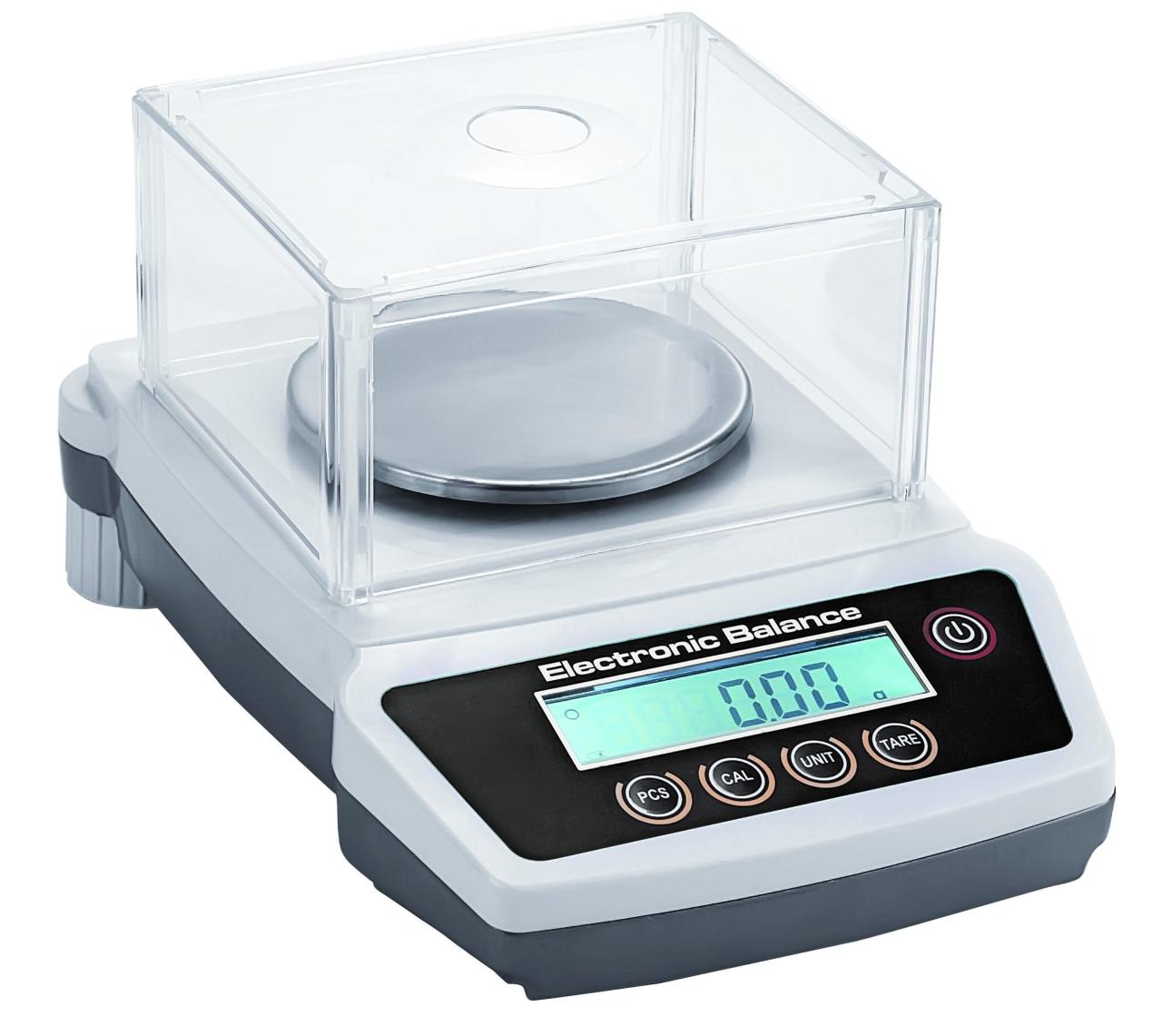
Maintaining a stable pH level in a koi pond is essential for the health and vibrancy of the fish, as well as the overall pond ecosystem. When pH drifts outside the ideal range of 7.0 to 8.0, it becomes necessary to adjust it through safe and effective methods. This section provides a comprehensive overview of both natural and chemical approaches to balancing pond pH, along with essential safety considerations.
Adjusting pH involves either increasing or decreasing the water’s alkalinity, and selecting the appropriate method depends on the current pH level, pond size, and specific environmental factors. Utilizing proper techniques helps prevent stress or harm to the koi and ensures the biological balance within the pond is maintained.
Increasing or Decreasing pH Using Natural and Chemical Methods
There are several strategies for adjusting pond pH, which can be broadly categorized into natural methods, such as water changes and aeration, and chemical treatments involving buffering agents or pH adjusters. Understanding the step-by-step procedures for each method helps pond owners decide on the most suitable approach for their specific situation.
| Method | Materials Needed | Steps | Safety Precautions |
|---|---|---|---|
| Natural Water Changes | Fresh, dechlorinated water, testing kit |
|
|
| Aeration and Water Movement | Aerators, pond pumps |
|
|
| Adding Buffering Agents | Crushed coral, limestone, or commercial pH buffers |
|
|
| Using pH Decreasing Agents | pH reducers such as muriatic acid or commercial pH reducers |
|
Role of aeration, water changes, and buffering agents in pH regulation:
Aeration promotes oxygen exchange and supports beneficial bacterial activity, which naturally stabilizes pH by facilitating biological processes. Regular aeration helps prevent pH from becoming too acidic or alkaline due to metabolic waste accumulation.
Water Changes introduce new water with stable pH levels, diluting accumulated acids or bases. Incremental water replacements are crucial for gradual pH correction without stressing the koi.
Buffering Agents serve to resist pH fluctuations by neutralizing acids or bases. Natural buffers like crushed coral release calcium carbonate, which gradually raises pH, while commercial buffers are formulated for precise adjustments.
Natural Ways to Maintain pH Stability
Maintaining a stable pH level in a koi pond is essential for the health and vitality of your koi fish. While chemical treatments can be effective, many pond owners prefer natural methods that support a healthy ecosystem without introducing potentially harmful substances. Utilizing natural substances and practices not only helps buffer pH fluctuations but also promotes a balanced and thriving pond environment.A variety of natural remedies and approaches can be employed to stabilize pH levels safely and sustainably.
These methods work harmoniously with the pond’s ecosystem, improving water quality and supporting the overall health of your koi and aquatic plants. Incorporating these practices can lead to a more resilient pond, reducing the need for frequent interventions and chemical adjustments.
Beneficial Substances and Practices for pH Buffering
Incorporating natural substances into your pond management routine provides an effective way to buffer pH levels without causing stress or harm to koi. These substances enhance the pond’s buffering capacity, ensuring pH remains within an optimal range.
- Crushed Coral: Adding crushed coral to the pond or filter media gradually releases calcium carbonate, which naturally raises and stabilizes pH. Coral acts as a long-term buffer and is especially useful in ponds with acidic or fluctuating pH levels. It also supports healthy shell formation for marine life and benefits the overall mineral balance.
- Beneficial Bacteria: Introducing specific strains of beneficial bacteria can help break down organic waste and maintain a balanced biological environment. These bacteria consume ammonia and nitrites, reducing acid formation and helping stabilize pH naturally. Regular addition of bacteria can create a self-regulating system that promotes water clarity and stability.
Natural Remedies That Buffer pH Without Harming Koi
Certain natural remedies are particularly effective in buffering pH while ensuring the safety of your koi. These remedies work by neutralizing acids or releasing alkaline substances gradually.
Calcium-rich limestone or limestone chips: Similar to crushed coral, limestone slowly dissolves, releasing calcium carbonate that buffers pH and supports the pond’s mineral content.
Sea shells or oyster shells: These natural materials release calcium and carbonate ions, which help elevate and stabilize pH levels over time.
Benefits of Aquatic Plants in pH Stabilization
Aquatic plants play a vital role in maintaining water quality and pH balance. Their natural biological processes contribute significantly to a stable pond environment.
- Photosynthesis by aquatic plants consumes carbon dioxide (CO2), which can lower pH when accumulated in the water. During daylight, this process raises pH, creating a natural buffer against drops in acidity.
- Plants such as water lilies, hornwort, and anacharis absorb nutrients and organic waste, reducing the production of acids that cause pH fluctuations. Their roots provide surface area for beneficial bacteria colonization, further enhancing biological filtration.
- Healthy aquatic vegetation creates a more stable environment by maintaining consistent oxygen levels and reducing the intensity of pH swings caused by organic decay or external influences.
Troubleshooting pH Imbalance
Maintaining stable pH levels in a koi pond is crucial for the health and well-being of the fish. Sudden pH fluctuations can cause stress, reduce immunity, and even lead to disease or mortality among koi. Recognizing the signs of pH imbalance and understanding the potential causes are essential steps in effective pond management. Addressing pH issues promptly helps ensure a healthy aquatic environment and prevents long-term problems that can be costly and challenging to rectify.
pH imbalance can manifest through observable symptoms such as erratic swimming behavior, rapid breathing, increased mucus production, or visible distress among koi. These signs often indicate that the pond’s water chemistry is out of balance, typically caused by factors like organic overload, algae blooms, or improper filtration. Correcting these imbalances requires a combination of immediate interventions and ongoing preventive measures to stabilize the water chemistry and promote a thriving pond ecosystem.
Common Signs of pH Imbalance and Potential Causes
Understanding the symptoms that indicate pH imbalance helps in diagnosing issues early, preventing severe health problems for koi. The most frequent signs include:
- Erratic swimming or lethargy: Koi may become disoriented or sluggish, indicating discomfort due to water chemistry stress.
- Gasping at the surface: A sign of oxygen deprivation often linked to pH imbalances affecting gas exchange.
- Increased mucus or lesions: Skin irritation or infections might arise from pH fluctuations weakening koi’s immune defenses.
- Algae overgrowth: Elevated pH levels can foster excessive algae blooms, further destabilizing water quality.
Common causes of pH imbalance include:
- Organic waste buildup: Accumulation of fish waste, uneaten food, and decaying plant matter releases acids or alkalis, leading to pH swings.
- Algae blooms: Photosynthesis during daylight raises pH, which can suddenly spike if algae proliferate excessively.
- Inadequate filtration or aeration: Poor water circulation prevents the removal of excess acids or bases, allowing pH to drift.
- Environmental factors: Rainfall, runoff containing fertilizers or pollutants, and temperature fluctuations influence pH stability.
Approaches to Correct Sudden pH Drops or Rises
Addressing rapid pH changes necessitates immediate and effective interventions. Different situations call for specific correction methods, which are summarized below in an organized table for clarity:
| Cause | Solution | Preventive Measures |
|---|---|---|
| Sudden pH spike due to algae bloom | Reduce light exposure, introduce aeration, and apply algaecides if necessary while adjusting pH gradually with pH buffers. | Maintain proper shading, control nutrient levels, and regular water changes to prevent algae overgrowth. |
| Rapid pH decline caused by organic overload | Cease feeding temporarily, perform partial water changes, and add pH stabilizers designed for koi ponds. | Implement routine cleaning, avoid overfeeding, and ensure adequate filtration to minimize organic buildup. |
| pH drift due to environmental runoff | Install pond barriers or barriers to runoff, and buffer the pond water with natural mineral additives. | Regularly monitor water sources and manage pond location to reduce exposure to external pollutants. |
All interventions should be gradual, avoiding rapid pH shifts that can stress or harm koi. Consistent monitoring and proactive management form the cornerstone of stable pond ecology.
Preventing pH Swings through Pond Maintenance and Water Quality Management
Consistent pond maintenance plays a vital role in preventing dangerous pH fluctuations. Regular testing, cleaning, and water management help maintain a stable and balanced environment for koi. Key practices include:
- Frequent testing: Use reliable test kits to monitor pH and other water parameters at least once a week.
- Water changes: Perform partial water exchanges to dilute accumulated waste and buffer capacity, especially after heavy feeding or algae blooms.
- Proper filtration and aeration: Ensure sufficient biological, mechanical, and aeration systems are in place to keep water moving and oxygen levels high.
- Manage organic load: Remove decaying plant matter, uneaten food, and fish waste promptly to prevent acid buildup.
- Use natural buffers: Incorporate crushed coral or limestone to naturally stabilize pH over time.
Implementing these practices reduces the likelihood of sudden pH swings, fostering a stable environment where koi can thrive healthily and happily.
Long-term pH Management Strategies
Maintaining a stable and optimal pH level in a koi pond over the long term requires careful planning, consistent monitoring, and proactive management practices. Implementing a sustainable routine helps prevent pH fluctuations that can stress koi, promote healthy growth, and ensure the overall stability of the pond ecosystem. Developing a well-structured long-term strategy involves understanding seasonal variations, adopting best practices, and integrating natural methods to support pH balance continuously.Effective long-term pH management hinges on establishing a routine that combines regular testing, environmental adjustments, and preventive measures.
It is essential to adapt these practices according to seasonal changes, as temperature and biological activity significantly influence pH levels. A consistent approach minimizes sudden fluctuations, reduces stress on the fish, and promotes a thriving pond environment for years to come.
Ongoing Practices for Preserving pH Stability
Maintaining a consistent pH level requires diligent, ongoing efforts. The following checklist offers a structured approach to sustain optimal conditions:
- Regularly test pond water pH at least once weekly, increasing frequency during seasonal transitions or after significant weather events.
- Record pH readings systematically to identify trends and anticipate potential fluctuations.
- Maintain proper biological filtration to promote beneficial bacteria that help buffer pH and break down waste products.
- Manage pond stocking levels to prevent overpopulation, which can lead to excess waste and pH instability.
- Perform routine partial water changes, especially if tests indicate pH drift or increased acidity/basicity.
- Remove debris, algae, and organic matter regularly, as decay can produce acids or alkalines affecting pH.
- Monitor and control feeding practices to prevent overfeeding, which can increase waste and alter pH levels.
- Use natural materials such as crushed limestone or shells in the pond to provide a buffering effect, stabilizing pH over time.
- Implement aeration and water circulation systems to enhance oxygen exchange and reduce pH swings caused by stagnation.
Seasonal Adjustments and Monitoring
Seasonal changes significantly influence pond chemistry, necessitating adjustments in management practices. During spring and summer, increased biological activity and warmer temperatures can cause pH to rise, while autumn and winter may lead to lower pH levels due to decreased photosynthesis and biological processes.To accommodate these variations, it is crucial to:
- Adjust feeding schedules and quantities in accordance with seasonal metabolic rates of koi, reducing feed during colder months to minimize waste production.
- Enhance aeration in summer to prevent excessive pH spikes caused by algae blooms and increased photosynthesis, which can raise oxygen and pH levels.
- Prepare for pH dips in winter by ensuring that pond insulation and heaters maintain stable temperatures, reducing stress on koi and preventing acidification.
- Conduct more frequent monitoring during seasonal transitions to promptly identify and address any pH deviations.
- Incorporate seasonal natural additives, such as peat moss in winter, which can help buffer the water and prevent drastic pH drops.
Seasonal adjustments are integral to long-term pH stability, requiring vigilance and adaptability. By aligning routine practices with the changing conditions throughout the year, pond keepers can foster a resilient environment that supports healthy koi and a balanced pond ecosystem.
Final Conclusion
In conclusion, maintaining optimal pH levels in a koi pond is a continuous process that requires careful monitoring and thoughtful intervention. Implementing natural methods, regular testing, and strategic adjustments can help prevent imbalance and promote a healthy aquatic environment. With diligent care, your koi pond can remain a vibrant, balanced habitat that offers beauty and vitality for years ahead.