Discover effective methods to naturally aerate your koi pond, ensuring a healthy and vibrant aquatic environment without relying on mechanical equipment. Proper aeration is essential for maintaining optimal oxygen levels, promoting beneficial aquatic life, and enhancing the overall water quality of your pond.
This guide explores the science behind natural aeration, design considerations, the role of aquatic plants, natural water flow techniques, and environmental elements that contribute to a balanced and thriving pond ecosystem. Embracing these natural strategies can lead to sustainable and low-maintenance pond management.
Introduction to natural aeration in koi ponds
Maintaining optimal oxygen levels is crucial for the health and vitality of koi fish, as well as for the overall balance of the pond ecosystem. Natural aeration methods promote a sustainable environment by encouraging oxygen exchange without relying on mechanical devices, thus preserving the natural beauty and tranquility of the pond setting.
Compared to mechanical aeration systems, natural methods offer numerous benefits, including reduced energy consumption, lower maintenance requirements, and a more harmonious interaction with the pond’s natural processes. These methods often enhance the biological filtration and help in fostering a balanced aquatic habitat, which is essential for healthy koi populations.
Challenges faced in natural aeration of koi ponds without equipment
Implementing natural aeration techniques requires understanding the potential challenges that can arise in maintaining consistent oxygen levels. Without mechanical aids, pond owners often encounter issues such as inadequate oxygen distribution during hot weather or periods of stagnation, which can threaten koi health and water quality.
Other common challenges include ensuring sufficient water movement to prevent stagnation, managing algae growth that can impede oxygen exchange, and maintaining proper pond depth and design to facilitate natural aeration processes. Overcoming these obstacles involves strategic planning and ongoing management to foster a healthy and balanced pond environment.
Understanding the science behind natural aeration
Natural aeration in a koi pond is a vital process that ensures a healthy aquatic environment. It involves the exchange of gases, particularly oxygen, between the water and the surrounding atmosphere, supporting fish health, beneficial bacteria, and overall water quality. Comprehending the mechanisms behind this process allows pond owners to optimize their methods for maintaining a balanced and thriving ecosystem.
At its core, natural aeration relies on physical and biological processes that promote oxygen diffusion and water movement. These processes are influenced by surface agitation, water circulation, and the presence of aquatic plants that facilitate oxygen production. Unlike mechanical aeration systems, natural methods harness the pond’s environment to sustain oxygen levels, often leading to sustainable and energy-efficient solutions.
Water movement and surface agitation increase oxygen exchange
Water movement plays a crucial role in enhancing oxygen exchange at the water’s surface. When water is agitated, either through wave action, flowing streams, or splashing, it exposes a larger surface area to atmospheric air. This increased surface contact accelerates the diffusion of oxygen from the atmosphere into the water, benefiting all aquatic life within the pond.
Surface agitation also prevents stratification, a condition where water layers with differing temperatures and oxygen levels form, which can hinder aeration. Gentle ripples or surface disturbances created by natural features such as waterfalls, fountains, or flowing streams effectively facilitate continuous oxygen replenishment, especially during warmer months when oxygen levels tend to decrease.
The role of aquatic plants in oxygen production and water circulation
Aquatic plants are fundamental to natural aeration processes, serving both as oxygen producers during photosynthesis and as water circulators. During daylight, submerged and emergent plants absorb carbon dioxide and release oxygen, enriching the water with vital gases. Their roots and stems also create micro-currents that promote water movement, aiding in the distribution of oxygen throughout the pond.
Additionally, healthy aquatic plant populations help stabilize water quality by absorbing excess nutrients, which can otherwise lead to algae blooms that deplete oxygen. Their presence contributes to a balanced ecosystem, supporting beneficial microorganisms that assist in breaking down organic matter and maintaining clear, oxygen-rich water.
Comparison of natural aeration processes with mechanical methods
Understanding the differences between natural and mechanical aeration methods helps pond owners make informed decisions suitable for their specific environments. The following table summarizes key aspects of each approach:
| Method | Advantages | Disadvantages | Suitable Conditions |
|---|---|---|---|
| Natural Aeration |
|
|
|
| Mechanical Aeration |
|
|
|
Selecting Ideal Locations and Pond Design Features
Creating a naturally aerated koi pond begins with thoughtful planning of its location and design features. Proper placement and structural considerations significantly influence water circulation, oxygen levels, and overall pond health. Selecting the right site and incorporating effective design elements can greatly enhance natural aeration processes, leading to a healthier environment for koi fish and aquatic plants alike.
Optimal pond placement and design leverage natural environmental factors such as airflow, sunlight, and terrain to promote consistent water movement. By understanding how to align these factors with pond features like shape, depth, and plant placement, pond owners can minimize the need for mechanical aeration methods, reducing maintenance costs and ecological impact.
Choosing Pond Shapes and Features that Promote Natural Water Circulation
Shape and structural features directly impact water movement and sediment distribution. A well-designed pond encourages continuous circulation, prevents stagnation, and supports oxygen exchange naturally. The shape should facilitate water flow from inlet to outlet points, creating a dynamic environment that supports aeration.
Some effective pond shapes include irregular, freeform designs that mimic natural water bodies, which promote turbulence and mixing. Linear or elongated ponds with gentle curves facilitate consistent flow paths, while multiple inlets and outlets can stimulate circulation. Incorporating features such as submerged rocks, ledges, and varied depths further enhance water movement by creating turbulence and reducing stratification.
Positioning Ponds Near Natural Airflow Sources
Placement relative to prevailing winds and natural airflow pathways is crucial for maximizing passive aeration. Positioning the pond in an open area where breezes regularly pass over the water surface enhances oxygen exchange through increased surface agitation. Avoid obstructions like dense trees, buildings, or fences that may block airflow and diminish natural aeration benefits.
For example, situating the pond on the side of a property facing prevailing winds—such as the west or southwest in many regions—can significantly improve water aeration during windy seasons. In addition, aligning the pond to allow air movement across its longest axis ensures more uniform exposure to airflow, aiding in maintaining consistent oxygen levels throughout the pond.
Design Elements that Enhance Natural Aeration
Specific structural features and plant placements can serve as passive aeration mechanisms by promoting water movement and surface exposure. Sloping pond beds, strategic depths, and the use of aquatic plants work synergistically to foster a healthy, aerated environment.
Implementing gentle slopes from the shoreline toward the center creates natural currents as water flows from shallow to deeper regions. Deeper zones—typically 3 to 6 feet—help with thermal stratification and oxygen retention, especially during warmer months. Shallow margins with submerged and emergent plants increase surface agitation and facilitate oxygen transfer.
Aeration benefits further from plant placement; floating plants such as water lilies and emergent plants like reeds and bulrushes not only provide shade and habitat but also promote surface turbulence through their roots and foliage. These plants foster micro-circulations that contribute to overall water movement without mechanical intervention.
Designing a koi pond with these features ensures that natural processes work harmoniously, maintaining optimal oxygen levels and supporting the pond’s ecological balance.
Utilizing Aquatic Plants to Enhance Oxygenation
Aquatic plants play a vital role in maintaining healthy oxygen levels within a koi pond. By naturally producing oxygen through photosynthesis and facilitating water movement, these plants contribute to a balanced aquatic ecosystem. Proper integration and care of aquatic vegetation can significantly improve water quality, support beneficial bacteria, and reduce the need for mechanical aeration systems.
Understanding how to effectively utilize aquatic plants for oxygenation involves selecting the right species, strategic placement within the pond, and maintaining proper care routines. These practices ensure optimal water circulation and oxygen distribution, fostering a thriving environment for koi and aquatic life.
Specific Plants that Improve Oxygen Levels and Water Movement
Some aquatic plants are especially effective at increasing oxygenation and promoting water movement naturally. These plants not only produce oxygen during daylight hours but also help circulate the water, preventing stagnation and promoting a healthy pond ecosystem.
| Plant Species | Notable Features | Benefits for Oxygenation |
|---|---|---|
| Hornwort (Ceratophyllum demersum) | Submerged, free-floating plant with feathery foliage | Rapid oxygen production and dense growth that aids water movement |
| Anacharis (Elodea canadensis) | Submerged plant with bright green, elongated leaves | Enhances oxygen levels and helps absorb excess nutrients |
| Water Lettuce (Pistia stratiotes) | Floating plant with rosette of soft, velvety leaves | Provides shade and oxygenates during daylight, moderating temperature |
| Water Hyacinth (Eichhornia crassipes) | Floating plant with bulbous base and lavender flowers | Highly efficient oxygenator; promotes water circulation when well maintained |
How Plant Placement Influences Natural Circulation
Strategic placement of aquatic plants within the pond significantly influences natural water circulation and oxygen distribution. Positioning plants thoughtfully can create gentle currents, distribute oxygen evenly, and prevent dead zones where stagnation might occur. Placing floating plants like water hyacinth or water lettuce near inlets or at the pond’s center encourages upward water movement and surface agitation. Submerged plants should be evenly distributed along the pond’s periphery and deeper regions to maximize oxygen production and water mixing.
In addition, arranging plants to form natural barriers or zones can direct water flow, enhance circulation, and create microhabitats that benefit koi and other aquatic organisms. Proper placement minimizes stagnation and ensures a consistent supply of oxygen throughout the pond.
Plant Care Routines Supporting Aeration
Consistent and proper care of aquatic plants is essential to maintain their oxygenating benefits and overall health. Routine management prevents overgrowth, decay, and the potential decline of water quality. The following care practices help sustain effective natural aeration:
- Regular Pruning: Remove dead or decaying plant material to prevent decomposition that can reduce oxygen levels and promote algae growth.
- Monitoring Nutrients: Control nutrient levels through appropriate fertilization or nutrient balancing to promote healthy, vigorous growth without encouraging excessive algae.
- Controlling Plant Density: Avoid overplanting, which can lead to overcrowding and competition for resources, diminishing oxygen output.
- Managing Plant Health: Check for pests or diseases regularly and address issues promptly to maintain robust, oxygen-producing plants.
- Ensuring Proper Placement: Adjust plant locations seasonally or as needed to optimize water flow and oxygen distribution.
Implementing these routines ensures aquatic plants continue to contribute effectively to oxygenation, water circulation, and overall pond health, reducing reliance on mechanical aeration methods and fostering a natural, thriving koi pond environment.
Incorporating natural water flow techniques
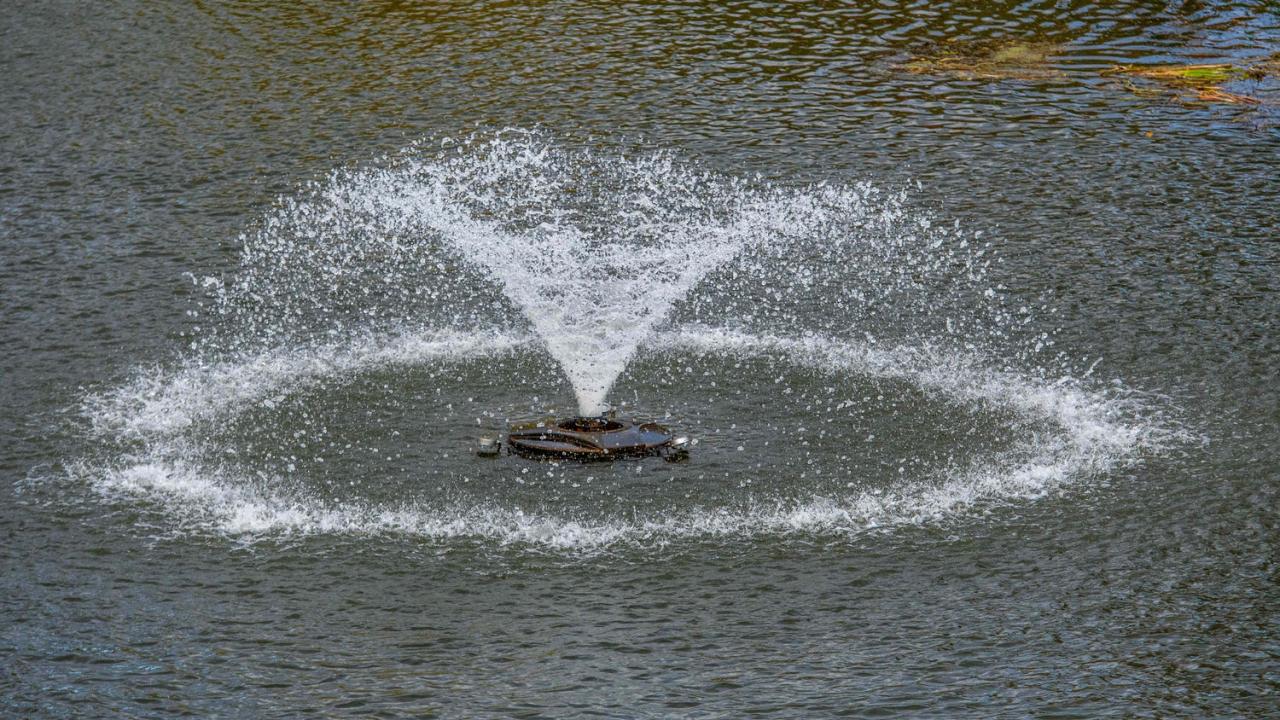
Creating natural water movement within a koi pond enhances oxygenation, promotes healthy circulation, and contributes to a balanced aquatic ecosystem. Utilizing features such as waterfalls, streams, or fountains that operate without mechanical pumps not only reduces energy consumption but also maintains a more organic and harmonious environment. Designing these features thoughtfully ensures that water flow is maximized, improving overall pond health and aesthetics.Natural water flow techniques involve the strategic placement and construction of features that leverage gravity and natural topography to circulate water efficiently.
These methods can emulate natural streams and waterfalls found in the wild, providing vital oxygenation and improving water quality. Proper design and implementation require understanding the principles of fluid dynamics and integrating them with the pond’s landscape.
Designing and Building Natural Flow Features
Constructing effective natural flow features entails a series of carefully planned steps, focusing on location, materials, and construction techniques that promote optimal water movement without relying on mechanical devices. The following procedures highlight best practices for creating sustainable, natural water features:
- Assess the Site and Topography: Begin by evaluating the pond’s existing landscape to identify natural slopes or elevations that can facilitate water movement. A slight gradient is ideal for gravity-driven flow, enabling water to circulate naturally from higher to lower points.
- Plan the Water Path: Design pathways for water to flow through the pond, incorporating features such as small waterfalls or cascades. Ensure the flow direction aligns with the overall landscape, enhancing both function and visual appeal.
- Choose Appropriate Materials: Select natural, durable materials like stacked stones, rocks, and gravel to construct waterfalls and stream beds. These materials not only blend seamlessly into the environment but also withstand continuous water contact.
- Construct the Waterfall or Stream Bed: Excavate a shallow channel along the designated pathway, lining it with a flexible pond liner to prevent leaks. Arrange rocks and stones to form a natural-looking waterfall or stream bed, ensuring stability and creating turbulence to aerate water.
- Implement Water Flow Control: Incorporate simple, gravity-based flow control elements such as gravel-filled trenches or weirs. These features help regulate water volume and prevent erosion, maintaining consistent flow over time.
- Ensure Proper Drainage and Outlet: Design an outlet or drainage point that directs excess water back into the pond or to a designated wetland area. This maintains a continuous cycle and prevents water stagnation.
- Test and Adjust: After construction, observe water flow and make adjustments to the positioning of rocks or flow pathways as needed to optimize movement and aeration. Regular maintenance ensures sustained performance and aesthetic appeal.
Creating these natural water movement features not only enhances oxygenation and water quality but also contributes to a more aesthetically pleasing and ecologically balanced koi pond. When designed thoughtfully, waterfalls, streams, and fountains become integral parts of a harmonious aquatic environment that supports healthy koi and promotes sustainable pond management.
Using Landscape and Environmental Elements to Promote Aeration
Optimizing the natural landscape and surrounding environmental features plays a crucial role in enhancing oxygen levels within a koi pond. By strategically designing and managing these elements, pond owners can achieve improved water circulation, increased oxygenation, and a healthier aquatic ecosystem without relying heavily on mechanical aeration systems.
Landscaping choices, wind patterns, and vegetation not only contribute to aesthetic appeal but also actively facilitate water movement and oxygen exchange. Understanding how these natural factors influence pond dynamics allows for informed modifications that support sustainable pond health and vitality.
Wind Exposure and Surrounding Vegetation
Wind acts as a natural aerator by generating surface movement on the pond, which promotes gas exchange and prevents stagnation. The exposure to consistent breezes ensures that oxygen-rich air contacts the water surface regularly, enhancing oxygen diffusion. Surrounding vegetation, such as trees and shrubs, can influence wind flow, either directing breezes toward the pond or creating sheltered zones. Properly positioned vegetation can channel wind currents effectively, maximizing their aeration benefits while also providing shade and habitat benefits.
Strategic placement of windbreaks and open areas can significantly amplify natural water movement, leading to healthier koi populations and improved water quality.
Impact of Pond Orientation and Shading
The orientation of a pond in relation to prevailing wind directions and sunlight exposure influences water movement and temperature regulation. Ponds aligned perpendicular to prevailing winds tend to experience more uniform water surface agitation, fostering better oxygen exchange. Additionally, shading from surrounding trees or structures helps regulate water temperature, preventing overheating and oxygen depletion during hot months. Proper orientation also reduces sunlight-induced algae blooms, which can deplete oxygen levels during decay.
Shading can also protect aquatic plants and fish from excessive heat stress, maintaining a stable environment conducive to natural aeration processes.
Landscape Modifications to Improve Natural Aeration Effectiveness
Implementing landscape modifications can significantly enhance the effectiveness of natural aeration strategies. These adjustments should focus on creating a balanced environment that encourages water movement and oxygen diffusion:
- Position open areas or clearings to maximize wind exposure over the pond surface.
- Plant native, wind-penetrable trees and shrubs around the pond perimeter to direct breezes while avoiding excessive shading.
- Design gentle slopes or terraced features that facilitate water runoff and circulation into the pond, especially during rainfall.
- Incorporate rocks and natural barriers strategically placed to break wind flow and create localized turbulence, enhancing oxygen transfer.
- Ensure the pond’s orientation aligns with prevailing winds and sun paths to optimize natural flow patterns and temperature regulation.
By integrating these landscape elements thoughtfully, pond owners can foster a dynamic environment where natural aeration processes thrive, supporting the health and vitality of koi and aquatic plants alike.
Monitoring and maintaining natural aeration
Effective natural aeration in a koi pond requires ongoing observation and proper maintenance to ensure that oxygen levels remain optimal for the health of the aquatic ecosystem. Regular monitoring helps detect issues early, allowing for timely interventions that sustain a balanced and thriving pond environment. Proper maintenance routines preserve the integrity of natural aerating features, preventing deterioration and ensuring long-term success.
Understanding the signs of adequate and inadequate oxygenation, along with implementing systematic observation and maintenance practices, is essential for pond owners committed to fostering a healthy habitat for koi and other aquatic life.
Signs of Adequate and Inadequate Oxygenation
Recognizing the indicators of oxygen levels in a koi pond is critical to maintaining a healthy environment. Adequate oxygenation supports vibrant koi activity, clear water, and balanced biological processes. Conversely, signs of oxygen deficiency can lead to stress, disease, and poor water quality, making early detection vital.
The following points Artikel the key signs to observe:
- Adequate oxygenation:
- Active, energetic koi swimming near the water surface or throughout the pond.
- Clear water with minimal algae blooms or foul odors.
- Healthy growth and vibrant coloration of koi.
- Steady and regular movement of water, indicating good circulation.
- Inadequate oxygenation:
- Gasping or frantic movement of koi at the water’s surface, often referred to as surface breathing.
- Stagnant water with a foul smell, often described as rotten or musty.
- Algae overgrowth, especially green water or filamentous algae, which can deplete oxygen during decay.
- Reduced koi activity or lethargy, along with pale coloration or stress signs.
- Formation of a layer of scum or foam on the pond surface, indicating low oxygen levels and high organic material.
Consistent observation of these signs, combined with water testing, allows pond owners to assess oxygen levels effectively and take corrective actions if needed.
Techniques for Observing Water Quality and Flow Patterns
Maintaining natural aeration depends heavily on understanding water quality parameters and flow dynamics within the pond. Regular assessment helps identify potential issues before they escalate, ensuring sustained oxygenation.
Here are practical techniques for monitoring water quality and flow patterns:
- Visual Inspection: Observe water clarity, surface movement, and the presence of algae or debris. Clear, flowing water indicates good circulation and oxygen exchange.
- Use of Water Test Kits: Regularly test parameters such as dissolved oxygen (DO), pH, ammonia, nitrites, and nitrates. Maintaining DO above 5 mg/L is generally considered healthy for koi.
- Flow Pattern Assessment: Use floating objects, such as lightweight balls or leaves, to visualize water movement. Consistent flow throughout the pond ensures uniform oxygen distribution.
- Thermometer Readings: Record temperature variations, as warmer water holds less oxygen. Sudden temperature changes can influence oxygen levels.
- Monitoring Devices: For more precise data, employ digital DO meters and flow sensors, which provide real-time readings and help track long-term trends.
Combining visual cues with regular testing provides a comprehensive overview of the pond’s health, supporting decisions on necessary adjustments or interventions.
Organizing Maintenance Routines to Sustain Natural Aerating Features
Consistent maintenance routines are essential to preserve and enhance natural aeration methods over time. Proper upkeep ensures that biological, physical, and vegetative features function optimally, fostering a stable environment for koi.
The following strategies streamline maintenance efforts:
- Scheduling Regular Water Quality Testing: Conduct tests weekly or biweekly, particularly during seasonal transitions or periods of increased biological activity. Record results to track trends and identify anomalies.
- Inspecting and Pruning Aquatic Plants: Regularly check aquatic vegetation for overgrowth or decay. Healthy plants should be trimmed to prevent excessive organic matter that can deplete oxygen during decomposition.
- Cleaning Water Circulation Features: Remove debris from waterfalls, streams, and spillways. Ensure that natural water flow features are unobstructed and functioning properly.
- Managing Organic Debris and Sediment: Remove fallen leaves, algae blooms, and organic waste that can accumulate and cause oxygen depletion. Use appropriate pond vacuuming or skimming tools.
- Monitoring and Repairing Structural Features: Check the stability of pond edges, plant supports, and natural flow channels. Address erosion or damages promptly to maintain efficient water movement.
- Seasonal Adjustments: Adapt maintenance routines to seasonal changes, increasing vigilance during warm months when oxygen levels tend to drop. Consider supplemental aeration during extreme conditions.
Establishing a routine schedule and adhering to it ensures the longevity and effectiveness of natural aeration systems, fostering a healthy environment for koi and aquatic plants alike.
Last Point
In conclusion, naturally aerating your koi pond involves thoughtful planning, the integration of aquatic plants, strategic pond design, and leveraging environmental factors. These methods foster a healthy habitat for your koi and reduce the need for mechanical interventions. By implementing these natural techniques, you can enjoy a vibrant pond ecosystem that sustains itself beautifully over time.