Understanding how to waterproof a koi pond is essential for ensuring its durability, maintaining a healthy environment for your fish, and preventing costly repairs. Proper waterproofing not only extends the lifespan of the pond but also safeguards the aquatic ecosystem from water seepage and environmental damage.
This comprehensive guide explores the importance of effective waterproofing, the preparation steps necessary for success, the selection of suitable materials, and best practices for application and maintenance, all designed to help you create a secure and lasting koi pond.
Understanding the Importance of Waterproofing a Koi Pond
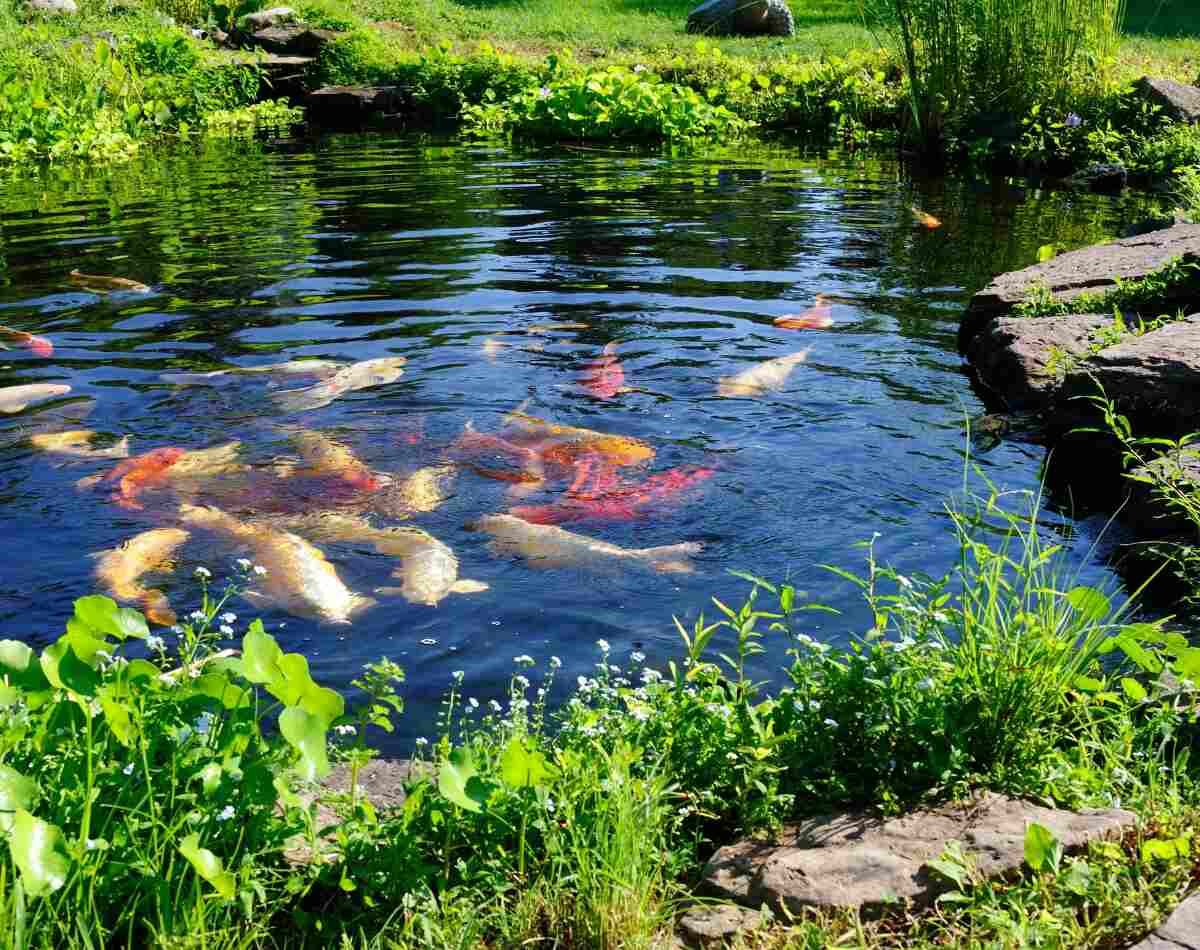
Establishing a well-waterproofed koi pond is fundamental not only for maintaining the aesthetic appeal of your outdoor space but also for ensuring the health and longevity of your aquatic inhabitants. The process of waterproofing plays a critical role in preventing water loss, structural deterioration, and environmental contamination, all of which can significantly impact the vitality of your koi fish and the overall sustainability of your pond ecosystem.
Proper waterproofing acts as a protective barrier, safeguarding the pond’s structural integrity against natural elements, while also creating a stable environment conducive to the thriving of koi fish. Addressing waterproofing concerns early can save considerable time and resources, and it contributes to a healthier, more resilient pond environment that can withstand seasonal changes and unforeseen environmental stresses.
Benefits of Waterproofing a Koi Pond for Longevity and Fish Health
Ensuring your koi pond is adequately waterproofed offers numerous advantages that directly influence both its lifespan and the well-being of its aquatic inhabitants. It minimizes maintenance needs, reduces water consumption, and prevents costly repairs caused by water seepage or structural failure.
Specifically, waterproofing enhances the durability of pond materials, protecting against cracks, erosion, and corrosion, which can be accelerated by exposure to water, sunlight, and fluctuating temperatures. A secure waterproof barrier maintains a consistent water level, promotes healthy water quality, and prevents the entry of contaminants or pollutants that could harm koi fish.
“Waterproofing is a vital investment in the safety and functionality of your koi pond, directly influencing the health of your fish and the longevity of the pond structure.”
Common Issues Caused by Water Leakage or Seepage in Koi Ponds
Water leakage and seepage pose significant challenges to maintaining a stable and safe environment for koi fish. These issues can lead to several problems that compromise pond integrity and aquatic health.
Leaking water can cause the pond’s water level to drop unexpectedly, stressing the fish and disrupting filtration and aeration systems. Persistent seepage can weaken the pond’s structural materials, leading to cracks, erosion, or even collapse in severe cases. Additionally, water leaks can result in soil erosion around the pond, increased sedimentation, and the potential for groundwater contamination, which can introduce harmful substances into the pond ecosystem.
Environmental Factors Influencing Pond Waterproofing Success
The effectiveness of waterproofing measures depends heavily on environmental conditions that the pond is exposed to. Variations in climate, temperature, and local soil composition can all impact the longevity and performance of waterproofing solutions.
High temperatures and direct sunlight can accelerate the deterioration of waterproof membranes, especially if UV-resistant materials are not used. Heavy rainfall and fluctuating water tables may increase the risk of seepage and require more robust waterproofing systems. Additionally, soil with high permeability or expansive clay can exert pressure on pond walls, necessitating specialized waterproofing techniques to ensure a durable seal.
Understanding these environmental factors allows pond owners to select appropriate waterproofing materials and maintenance schedules, thereby enhancing the pond’s resilience to natural stresses and extending its operational lifespan.
Preparing the Pond Surface Before Waterproofing
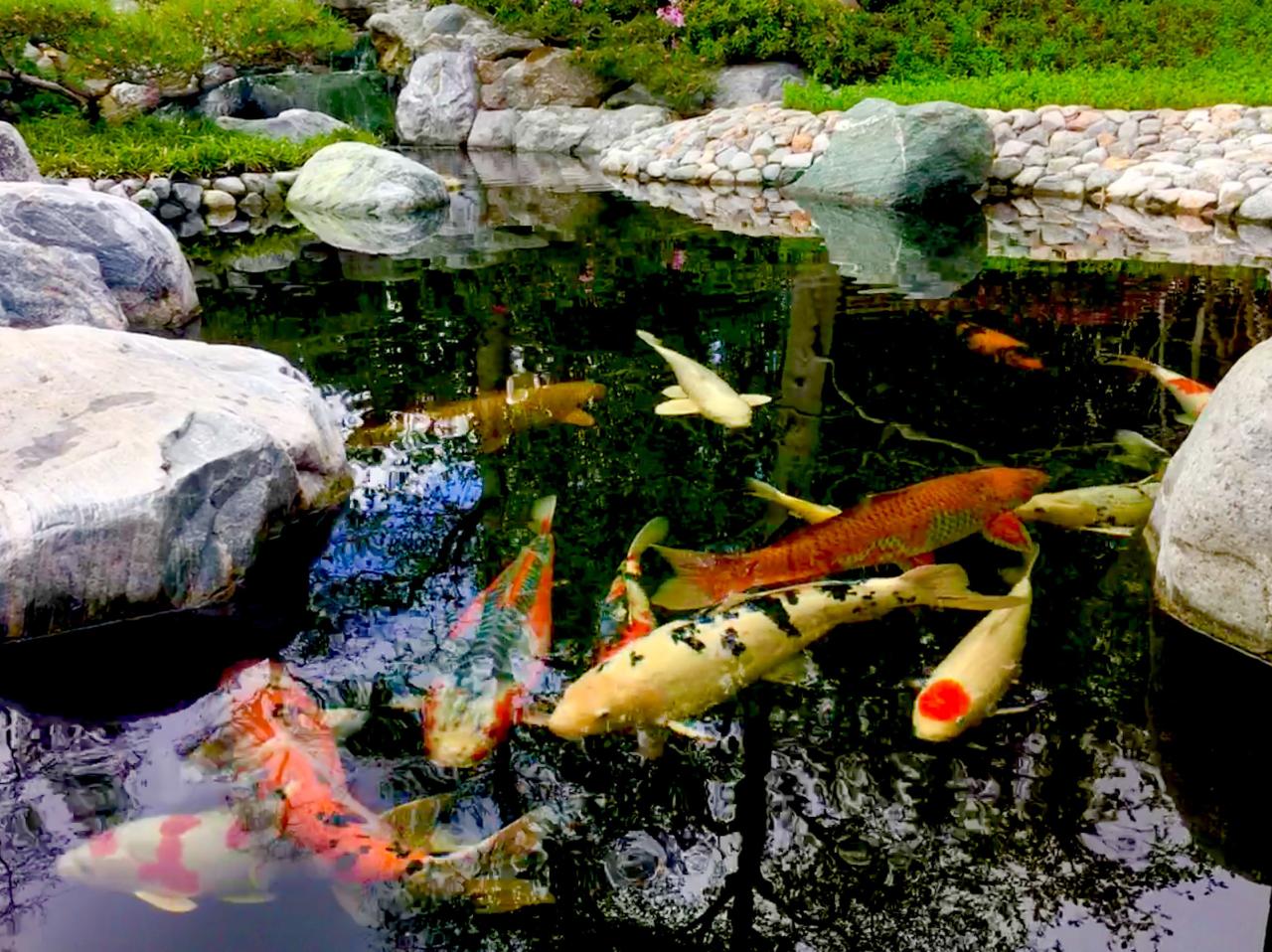
Proper preparation of the pond surface is a crucial step to ensure the effectiveness and longevity of the waterproofing layer. A clean, intact, and well-inspected surface provides a solid foundation for waterproof materials, preventing future leaks and damage. Investing time in thorough cleaning and inspection minimizes the risk of faults that could compromise the pond’s integrity over time.
Careful preparation involves systematic removal of debris, dirt, algae, and any surface irregularities. It also requires a detailed inspection for cracks, leaks, or structural damage that could hinder the waterproofing process. Adequate tools and materials are essential to perform these tasks efficiently and accurately, setting the stage for a successful waterproofing application.
Cleaning and Removing Debris from the Pond Surface
Effective cleaning is the foundation of a successful waterproofing project. Begin by removing all visible debris such as leaves, twigs, and dirt that have accumulated on the pond surface. This can be achieved using a pond net or skimmer, which allows for quick and gentle removal without disturbing the pond’s ecosystem.
Next, clear away algae, biofilms, and pond sludge that may have formed on the surface or along the walls. Employ a soft brush or sponge to scrub these areas gently, avoiding abrasive tools that could scratch or damage the pond liner or surface material.
To ensure thorough cleaning, consider draining a portion of the pond if necessary, especially when dealing with stubborn algae or accumulated debris. After cleaning, rinse the surface with clean water to remove residual dirt or cleaning agents, allowing it to dry completely before proceeding.
Inspecting the Pond for Cracks, Leaks, or Damage
Prior to waterproofing, a detailed inspection of the pond’s surface is vital for identifying potential problems that could undermine the waterproofing layer. Begin by visually examining the entire pond surface, including the walls, floor, and edges, for visible cracks, holes, or signs of deterioration.
Use a flashlight or mirror to inspect hard-to-see areas, especially along seams or joints where leaks are more likely to develop. Tap gently around the surface with a rubber mallet to listen for hollow sounds indicating underlying voids or delamination.
Perform a leak test by filling the pond with water and observing for areas where water drops or levels decrease unexpectedly. Mark any visible cracks or leak points with a waterproof marker for easy identification and repair prior to applying the waterproofing layer.
Address minor cracks by cleaning and applying a suitable pond epoxy or sealant. For larger or structural damages, consult a professional to perform necessary repairs, ensuring the surface is fully sound before waterproofing.
Tools and Materials Checklist for Surface Preparation
Preparing the pond surface efficiently requires gathering specific tools and materials. The following checklist includes essential items to facilitate a comprehensive cleaning and inspection process:
| Tools | Materials |
|---|---|
| Skimmer net or pond rake | Algae scraper or soft brush |
| Rubber mallet | Waterproof marker |
| Flashlight or inspection mirror | Cleaning cloths or sponges |
| Garden hose or pressure washer (optional) | Pond epoxy or sealant for repairs |
| Drainage equipment (if draining is necessary) | Water testing kit (for leak detection) |
Additional supplies such as protective gloves, safety goggles, and appropriate clothing are recommended to ensure safety during the cleaning and inspection process. Having these tools and materials ready before starting will streamline the preparation phase, leading to a more effective waterproofing outcome.
Selecting Suitable Waterproofing Materials
Ensuring the longevity and safety of a koi pond depends heavily on choosing the appropriate waterproofing materials. Different ponds require different solutions based on their size, construction materials, and the climate conditions of the location. Selecting the right material not only provides an effective barrier against water leakage but also contributes to the pond’s overall ecological balance and aesthetic appeal.
By understanding the strengths and limitations of various waterproofing options, pond owners can make informed decisions that enhance the durability and performance of their pond systems.Choosing suitable waterproofing materials involves evaluating factors such as pond dimensions, the material used in construction, and environmental conditions. Each waterproofing method offers unique benefits and challenges, making it essential to match the material with the specific requirements of the pond project.
The following comparison table summarizes the key features, advantages, and disadvantages of common waterproofing options, aiding in selecting the optimal solution for your koi pond.
Comparison of Waterproofing Methods
| Waterproofing Method | Features | Advantages | Disadvantages |
|---|---|---|---|
| Bentonite Clay | A natural, swelling clay applied as a layer beneath or within the pond liner or soil. | – Eco-friendly and non-toxic – Very effective in sealing small to medium ponds – Cost-efficient for large-scale applications |
– Sensitive to soil interference and compaction – Requires proper installation for optimal performance – Less effective in fluctuating water levels |
| Epoxy Coatings | Two-part chemical resin that creates a seamless, waterproof surface on pond walls and floors. | – Provides durable, chemical-resistant coating – Ideal for concrete and stone surfaces – Long-lasting when applied correctly |
– Application requires expertise – Less flexible; may crack with ground movement – Suitable mainly for small to medium ponds |
| Pond Liners | Flexible sheets made from materials like EPDM rubber, PVC, or butyl, designed to line pond basins. | – Highly adaptable to shape and size – Easy to install and repair – Excellent for irregular or complex pond shapes |
– Potentially susceptible to UV damage if not UV-stabilized – May require additional protection against punctures – Generally higher initial cost depending on material |
When selecting waterproofing materials, consider the size and shape of your pond, the construction material, and the local climate conditions. For example, larger ponds with irregular shapes might benefit from flexible pond liners, while concrete ponds could be better suited for epoxy coatings. In regions with extreme temperature fluctuations or high UV exposure, more durable and UV-resistant liners or coatings are recommended.
Consulting with a professional can help determine the best waterproofing solution that aligns with your pond’s specific requirements, ensuring long-term functionality and aesthetic appeal.
Applying Waterproofing Solutions Effectively
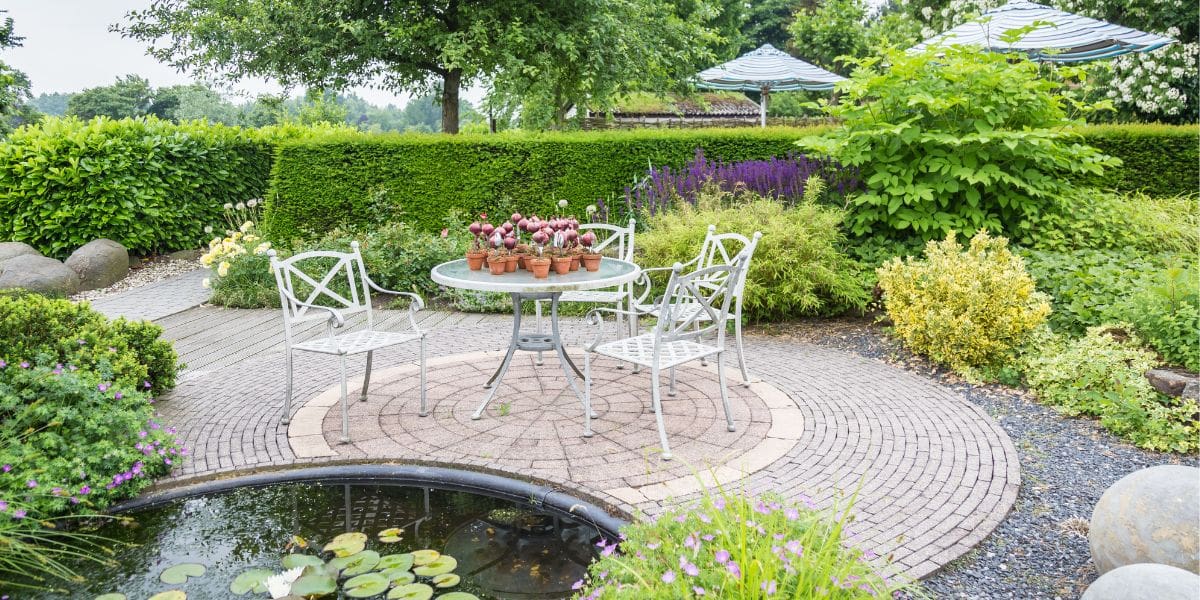
Once the appropriate waterproofing materials have been selected for your koi pond, the next crucial step involves their proper application. This process ensures a durable, seamless barrier that prevents water leaks and maintains the pond’s integrity over time. Effective application requires attention to detail, adherence to manufacturer instructions, and environmental considerations to achieve the best results.
A meticulous application process not only maximizes the lifespan of the waterproofing system but also ensures the safety of your aquatic life and the longevity of your pond. Below are detailed procedures and essential tips to guide you through this critical stage.
Preparing the Area and Applying Waterproofing Materials
Achieving a uniform and reliable waterproof barrier involves careful preparation and precise application techniques. The following steps Artikel the key procedures to follow:
- Surface cleaning and preparation: Before applying any waterproofing solution, thoroughly clean the pond surface to remove debris, algae, oils, and loose particles. Use a stiff brush and water, and allow the surface to dry completely to ensure optimal adhesion.
- Primer application (if necessary): Some waterproofing coatings or liners require a primer to enhance adhesion. Follow manufacturer instructions regarding primer choice and application method. Apply the primer evenly using a brush or roller and allow it to cure as specified.
- Material mixing and preparation: For liquid coatings or sealants, ensure thorough mixing to achieve a uniform consistency. Use clean tools and containers, and adhere to mixing ratios provided by the manufacturer.
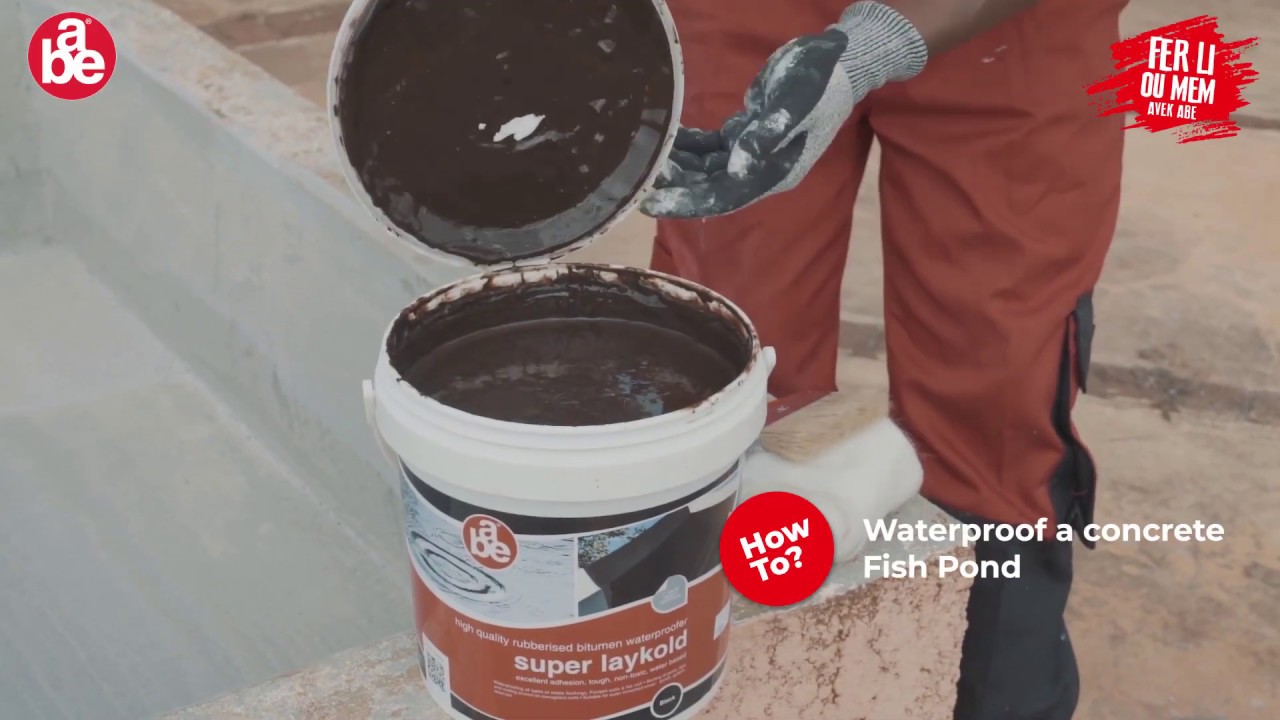
- Applying the waterproofing material: Use appropriate tools such as brushes, rollers, or spray equipment based on the type of waterproofing solution. Begin at one corner and work systematically across the surface to ensure full coverage.
- Multiple coats for enhanced protection: Apply additional coats as recommended, allowing adequate drying time between layers. Each subsequent coat should be applied perpendicular to the previous one to improve coverage and adhesion.
Ensuring Even Coverage and Proper Adhesion
Achieving a consistent, seamless waterproof barrier depends on uniform application and thorough adhesion. Consider the following tips:
- Maintain consistent application techniques: Use the same brush, roller, or spray settings throughout the process to prevent uneven thicknesses.
- Monitor material thickness: Use a wet film gauge or follow manufacturer guidance to ensure each layer meets the recommended thickness, typically specified in millimeters or mils.
- Work in optimal environmental conditions: Apply waterproofing materials during dry, mild weather, avoiding high humidity, rain, or extreme temperatures. Cold weather can delay curing, while excessive heat can cause rapid drying, leading to cracks.
- Check for coverage gaps: Regularly inspect the applied surface for missed spots or thin areas. Use a light-colored coating or a contrasting primer to detect inconsistencies.
- Use proper tools and techniques: High-quality brushes, rollers, or spray equipment help achieve even coverage. Maintain the tools clean and in good condition throughout application.
Curing and Safety Precautions
Correct curing ensures that the waterproofing layer attains maximum strength and durability. Consider these factors:
| Aspect | Details |
|---|---|
| Curing Time | Allow the waterproofing layer to cure fully as per manufacturer instructions, typically ranging from 24 to 72 hours. Avoid ponding water or heavy use during this period. |
| Environmental Conditions | Ensure the application occurs in ambient temperatures generally between 10°C and 30°C, with low humidity. Avoid application during rain or wind to prevent contamination and uneven curing. |
| Safety Precautions | Use personal protective equipment such as gloves, masks, and eye protection when handling chemicals. Work in well-ventilated areas to avoid inhalation of fumes. Follow all safety guidelines provided by the product manufacturer. |
Proper curing and safety measures are vital for achieving a long-lasting waterproof barrier and ensuring the well-being of pond maintenance personnel.
Maintaining Waterproof Integrity Over Time
Ensuring the long-term durability of your koi pond’s waterproofing system is essential to prevent costly repairs and to safeguard the health of your aquatic life. Proper maintenance and vigilant monitoring can identify early signs of deterioration, allowing for timely interventions that preserve the pond’s structural integrity and water containment capabilities. Consistent upkeep not only extends the life of waterproofing materials but also sustains a healthy environment for your koi fish and aquatic plants.Over time, waterproof layers are subjected to environmental stresses such as temperature fluctuations, exposure to UV rays, biological activity, and chemical interactions from pond water.
These factors can lead to degradation, cracks, or minor damages that, if left unaddressed, may escalate into significant leaks. Regular maintenance—comprising inspections, prompt repairs, and seasonal adjustments—is vital to maintaining waterproof integrity. Implementing systematic routines and understanding how to detect early issues can save time, money, and resources while ensuring your pond remains secure and functional for years to come.
Routine Inspection Techniques for Detecting Early Signs of Leaks or Deterioration
Regular inspections are crucial for early detection of potential waterproofing issues, enabling prompt corrective actions. Conducting visual and practical assessments helps identify signs of wear and tear before they develop into serious problems.Use visual inspections to examine the pond’s surface and surrounding areas for:
- Cracks, blisters, or bubbling on the waterproof layer, indicating possible adhesion failure or material degradation.
- Discoloration, mold, or algae growth, which may point to moisture seepage or compromised waterproofing.
- Uneven pond surface or areas where water appears to be pooling, suggesting structural issues or leaks.
Conduct practical checks by:
- Monitoring water levels consistently; unexplained drops could indicate leaks.
- Using dye testing by adding non-toxic, water-soluble dye near suspected leak points to observe if the dye escapes through cracks or damaged areas.
- Performing pressure or air tests if accessible, especially in hidden or underground sections, to detect leaks in sealed environments.
Document findings during each inspection to track changes over time and determine whether repairs are necessary, ensuring issues are addressed early to prevent further damage.
Best Practices for Repairing Minor Damages to the Waterproof Layer
Addressing minor damages promptly can prevent larger problems and extend the lifespan of your pond’s waterproofing system. Small issues can often be repaired effectively using appropriate materials and techniques, minimizing the need for extensive interventions.Begin repairs by:
- Cleaning the damaged area thoroughly, removing dirt, algae, and loose particles to ensure proper adhesion of repair materials.
- Drying the surface completely to facilitate optimal bonding of patching compounds or sealants.
- Applying a compatible waterproofing patch or sealant designed specifically for pond liners or waterproof membranes, following manufacturer instructions precisely.
- Using a roller or brush to ensure even application and good adhesion, avoiding air pockets or bubbles that could compromise waterproofing.
For cracks or small punctures, consider:
Using flexible, waterproof sealants that can expand and contract with pond movements, preventing future cracking or separation.
Regularly inspecting repaired areas ensures the integrity of the fix and helps catch any subsequent issues early. Keep repair materials readily available for quick response, reducing the risk of leaks and maintaining pond health.
Seasonal Maintenance Strategies to Preserve Waterproofing Effectiveness
Seasonal changes profoundly impact the durability and performance of your pond’s waterproof layer. Implementing specific maintenance strategies aligned with seasonal variations ensures continued protection and minimizes damage caused by environmental factors.In spring, focus on:
- Removing debris accumulated over winter, such as leaves and algae, which can trap moisture and exert pressure on waterproof layers.
- Inspecting and repairing any damage caused by ice expansion or snow load during winter.
- Applying a fresh coat of waterproof sealant if needed, especially after winter stressors.
During summer, prioritize:
- Monitoring for UV damage and applying protective coatings if necessary, as high sun exposure accelerates deterioration.
- Checking for algae growth, which can harbor moisture and compromise waterproofing if unchecked.
- Ensuring proper pond circulation and filtration to reduce biological buildup on waterproof surfaces.
In autumn, conduct comprehensive inspections in preparation for winter:
- Address any minor damages identified during summer to prevent freeze-thaw cycles from worsening issues.
- Adjust pond water levels appropriately, maintaining a balance that prevents pond liner stress from shifting ice or water weight.
Throughout winter, protect the pond by:
Covering exposed areas with insulation or pond covers to shield the waterproof layer from frost damage and ice expansion.
Adopting these seasonal strategies promotes the longevity of your pond’s waterproofing system, ensuring continuous protection and a thriving aquatic environment across all seasons.
Additional Tips and Common Challenges
Effective waterproofing of a koi pond requires careful attention to detail, especially when dealing with challenging environments such as fluctuating temperatures, uneven surfaces, or large-scale installations. Recognizing potential pitfalls and implementing expert strategies can significantly enhance the longevity and performance of your pond’s waterproofing system. This section aims to highlight practical tips, common mistakes to avoid, and innovative solutions to address complex or large pond projects.A comprehensive understanding of these factors ensures that your koi pond remains secure against water leaks, structural damage, and maintenance issues over time.
Whether you are working with a small decorative pond or a large, intricate water feature, applying these insights will help you achieve optimal waterproofing results and minimize costly repairs in the future.
Expert Tips for Successful Waterproofing in Challenging Environments
Challenging environments require adapted techniques and meticulous planning to ensure waterproofing effectiveness. The following tips are based on expert practices for managing difficult conditions:
- Assess Environmental Factors Thoroughly: Evaluate local climate patterns, soil stability, and water table levels before beginning waterproofing. For instance, ponds situated in areas with high water tables or frequent freeze-thaw cycles demand more resilient materials and detailed installation procedures.
- Use Reinforced Waterproofing Membranes: Incorporate reinforced membranes or multi-layer systems in environments prone to movement or ground shifts. These solutions provide extra durability and flexibility, reducing the risk of cracks or punctures.
- Ensure Proper Drainage and Slope Design: Properly designed drainage systems prevent water accumulation around the pond’s perimeter, which can compromise waterproof integrity. Slight slopes away from the pond help manage runoff and prevent water ingress through unexpected pathways.
- Implement Temperature-Resistant Materials: In regions with temperature extremes, select waterproofing products formulated to withstand expansion and contraction without losing adhesion or forming cracks.
Common Mistakes During Waterproofing and How to Avoid Them
Avoiding common errors is crucial for achieving a durable waterproof barrier. These mistakes often compromise the pond’s integrity and lead to costly repairs:
- Insufficient Surface Preparation: Failing to properly clean, dry, and repair the surface before applying waterproofing solutions can prevent proper adhesion. Always remove debris, loose materials, and moisture to ensure a solid foundation for coatings or membranes.
- Neglecting Detailed Sealing of Joints and Penetrations: Joints, seams, and pipe penetrations are potential weak points. Use specialized sealants or reinforcing tapes designed for waterproofing membranes to secure these areas effectively.
- Applying Waterproofing Materials in Inappropriate Weather Conditions: Temperature and humidity significantly influence the curing process. Avoid application during rain, direct sunlight, or extreme cold, which can result in poor adhesion or incomplete curing.
- Overlooking Inspection and Testing: Conduct thorough inspections and water tests after application to identify potential leaks or weak spots. Early detection allows for prompt repairs and ensures long-term success.
Innovative Waterproofing Solutions for Large or Complex Koi Ponds
Large or complex ponds, especially those with intricate shapes, multiple levels, or heavy use, benefit from advanced waterproofing techniques:
| Solution | Description | Benefits |
|---|---|---|
| Spray-On Liquid Membranes | Polyurethane or elastomeric coatings applied via spraying, providing seamless, flexible coverage over irregular surfaces. | High adaptability, rapid application, and excellent adhesion to diverse substrates. |
| Pre-formed EPDM or PVC Liners | Custom-fitted sheets that are welded or sealed along seams for a continuous, waterproof barrier. | Ideal for large areas, minimization of joint leaks, and durability under temperature variations. |
| Geosynthetic Clay Liners (GCLs) | Composite materials combining bentonite clay with synthetic fabrics, which expand when wet to seal gaps. | Suitable for environmentally sensitive sites and areas requiring natural adherence without chemical bonding. |
| Hybrid Systems | Combining multiple waterproofing methods, such as spray coatings over pre-lined surfaces, to enhance redundancy and performance. | Provides added security against failure points, especially in complex geometries or high-stress zones. |
Innovative solutions should be selected based on the specific characteristics of the pond, environmental conditions, and budget considerations. Consulting with waterproofing specialists can assist in designing a system tailored to the particular demands of large or intricate koi ponds.
End of Discussion
In summary, proper waterproofing is a vital component of maintaining a beautiful and functional koi pond. By following the recommended steps and choosing the right materials, you can ensure a healthy environment for your fish while preventing future issues. Consistent inspection and maintenance further guarantee the pond’s integrity over time, allowing you to enjoy a vibrant aquatic space for years to come.