Learning how to landscape koi pond edges involves understanding the principles of creating a harmonious and durable boundary that enhances the pond’s aesthetic appeal. Proper edging not only defines the pond’s shape but also contributes to its overall safety and environmental integration.
This guide covers essential aspects such as selecting suitable materials, planning and designing the edges, installation techniques, incorporating decorative elements, and maintenance tips to ensure your koi pond remains beautiful and functional for years to come.
Understanding the Basics of Landscaping Koi Pond Edges
Designing the edges of a koi pond requires a thoughtful approach that balances aesthetics, durability, and harmony with the surrounding landscape. A well-crafted pond edge not only enhances the visual appeal of the koi habitat but also ensures the safety of the fish and longevity of the pond structure. Grasping the foundational principles behind effective pond edging is essential for creating a sustainable and natural-looking environment.
The selection of appropriate materials and adherence to design principles contribute significantly to establishing a seamless transition between the pond and its environment. Achieving a natural aesthetic involves integrating elements that mimic the pond’s natural surroundings, fostering a tranquil and inviting atmosphere. This section explores the core concepts necessary for designing resilient and visually pleasing koi pond edges.
Fundamental Principles of Designing Natural and Durable Pond Edges
Creating pond edges that are both natural-looking and long-lasting involves understanding key design principles that guide material selection, structural stability, and visual harmony. Durability ensures the edge withstands environmental factors such as water contact, weather fluctuations, and biological activity, while a natural appearance maintains the pond’s aesthetic integration with the landscape.
Core principles include:
- Stability and Erosion Control: The edge must resist shifting or erosion caused by water movement and weather. Proper foundational layering and anchoring methods help maintain shape and prevent collapse.
- Natural Integration: The design should blend seamlessly with natural elements, using materials and shapes that resemble natural terrain to avoid artificial or overly rigid structures.
- Accessibility and Maintenance: Edges should allow easy access for cleaning, plant placement, and fish care without compromising stability or aesthetics.
- Safety Considerations: The transition from land to water should be gentle, especially in koi ponds, to prevent injury to fish and promote healthy growth.
Suitable Materials for Koi Pond Edging and Their Properties
The selection of materials for pond edges influences both the durability and visual appeal of the landscape. Different materials possess unique properties that make them suitable for various design goals, environmental conditions, and maintenance requirements.
Common materials include:
| Material | Properties | Advantages | Considerations |
|---|---|---|---|
| Natural Stone (e.g., flagstone, river rocks) | Organic appearance, resistant to water and weather | Enhances natural aesthetic; durable and low maintenance | Can be heavy; installation requires proper anchoring |
| Concrete | Customizable shape and texture, weather-resistant | Versatile design options; durable when reinforced | May look artificial if not textured suitably; potential for cracking |
| Brick or Paver Blocks | Consistent shape, strong, easy to install | Neat, structured appearance; good erosion control | Limited natural look; may require joint filling for stability |
| Wood (e.g., cedar, pressure-treated lumber) | Warm, natural appearance; biodegradable options | Easy to work with; blends well with natural landscapes | Less resistant to water; requires regular maintenance to prevent rot |
| Livings Edging (e.g., aquatic plants, grasses) | Natural, soft edges that support ecosystems | Enhances biodiversity; softens transition to water | Requires maintenance; may not provide as much structural support |
“Choosing the right material hinges on balancing durability, aesthetic harmony, and ease of maintenance to achieve a natural yet resilient pond edge.”
Maintaining a Natural Aesthetic in Pond Edge Design
Achieving a natural aesthetic involves thoughtful selection and placement of materials, plants, and structural elements to mimic the organic forms found in nature. This approach enhances the visual harmony between the pond and its surroundings, creating a peaceful environment that feels intrinsic to the landscape.
Key strategies include:
- Using Organic Shapes: Avoid rigid, straight lines; instead, incorporate curves and irregular contours that mirror natural terrain.
- Incorporating Native Vegetation: Planting native grasses, mosses, and aquatic plants along the edges fosters ecological balance and visual authenticity.
- Combining Materials: Mixing stones, soil, and plants creates layered textures and colors, further enhancing the natural look.
- Creating Gradual Transitions: Gentle slopes from land to water prevent abrupt changes, supporting both aesthetics and fish safety.
By adhering to these principles, landscape designers can craft pond edges that are both visually appealing and ecologically harmonious, ensuring the koi pond integrates seamlessly into the natural landscape while maintaining structural integrity over time.
Planning and Designing Koi Pond Edges

Careful planning and thoughtful design of the pond edges are crucial steps in creating a visually appealing, functional, and environmentally harmonious koi pond. An effective design not only enhances the aesthetic appeal but also ensures safety, accessibility, and ecological health. By establishing clear plans early, pond owners can achieve a balanced integration of natural beauty and practicality.
Developing a detailed layout involves precise measurements, consideration of various stylistic choices, and an awareness of environmental factors. The process begins with assessing the available space, defining the shape and size of the pond, and then translating these ideas into a comprehensive blueprint that guides construction and landscaping efforts. Whether opting for a naturalistic, formal, or Japanese-inspired edge, the planning phase sets the foundation for a successful and enduring pond environment.
Creating a Detailed Layout and Measurements
Accurate measurements and a well-thought-out layout form the backbone of effective koi pond edge landscaping. The initial step involves measuring the area designated for the pond, taking note of existing features such as trees, pathways, and structures to ensure seamless integration. Establishing the pond’s shape should be based on aesthetic preferences and site conditions, like sunlight exposure and wind patterns.
Using graph paper or digital design tools helps in visualizing different configurations and scales. Marking out the proposed pond’s perimeter with stakes and string allows for real-world visualization and adjustments before construction begins. The plan should include detailed measurements of the pond’s length, width, and depth at various points, as well as the width of the edges or margins, to facilitate material selection and placement.
Design Styles for Pond Edges
Choosing a design style for the pond edges influences the overall ambiance and harmony of the landscape. Each style offers unique characteristics and visual appeal, suited for different garden themes and personal preferences.
Naturalistic edges emulate a wild, untouched shoreline, incorporating irregular shapes, rocks, and native plants to create a seamless blend with the surrounding environment.
Formal edges feature symmetrical, clean lines with neatly arranged stones, paved walkways, or manicured plantings, offering an elegant and structured appearance.
Japanese-inspired edges emphasize simplicity and tranquility, often using rounded stones, bamboo, and minimalistic plantings to evoke a Zen garden atmosphere.
Visual examples of each style include:
- Naturalistic: A pond with irregular, gently sloping banks lined with native grasses, large smooth stones, and submerged aquatic plants that mimic a natural shoreline.
- Formal: Straight-edged borders with uniform stone paving, geometric plant arrangements, and symmetrical plantings framing the pond for a refined look.
- Japanese-inspired: Curved edges lined with rounded river stones, with small, ornamental plants such as moss and dwarf trees, creating a peaceful, minimalistic setting.
Safety, Accessibility, and Environmental Considerations
Integrating safety, accessibility, and environmental harmony into the pond edge design enhances usability and ecological sustainability. It is vital to plan for secure, non-slip surfaces along walkways, especially in areas prone to moisture. Edging materials should be stable and durable to prevent shifting or erosion, reducing hazards for visitors and pond inhabitants.
Accessibility features include gentle slopes or ramps for easy entry and exit, especially for children, elderly visitors, or individuals with mobility challenges. Ensuring pathways are wide enough and unobstructed supports safe movement around the pond.
Environmental harmony involves selecting native plants that promote local biodiversity and using natural materials that blend seamlessly with the landscape. Incorporating habitats such as submerged rocks and aquatic plants supports the ecosystem, enhances water quality, and stabilizes the pond edges against erosion.
Furthermore, considering wildlife corridors and avoiding harmful chemicals in landscaping materials contribute to a sustainable and thriving pond environment. Thoughtful planning in these areas creates an inviting, secure, and ecologically balanced space for both humans and aquatic life.
Selecting Materials for Koi Pond Edging
The choice of edging materials plays a crucial role in both the aesthetic appeal and functional durability of your koi pond. Selecting appropriate materials ensures safety for the fish, ease of maintenance, and harmony with the overall landscape design. It is essential to understand the characteristics, benefits, and limitations of various edging options to make an informed decision that aligns with environmental considerations and your budget.
When choosing materials for koi pond edges, factors such as durability, cost, visual compatibility, and environmental safety must be carefully evaluated. The right material not only enhances the pond’s appearance but also provides a secure boundary that prevents erosion, protects aquatic life, and minimizes chemical leaching into the water.
Natural Stone
Natural stone is a popular choice for koi pond edges due to its timeless appeal and natural integration into garden landscapes. It offers a rugged, organic look that complements aquatic environments and can be sourced locally or imported for diverse textures and colors.
- Advantages: Highly durable, weather-resistant, and environmentally friendly when sourced responsibly. Natural stones can develop a pleasing patina over time and provide a stable, slip-resistant surface.
- Disadvantages: Can be heavy and expensive, especially for large installations. Uneven surfaces may pose a tripping hazard if not properly shaped or installed. Sourcing eco-friendly stones requires careful selection to avoid environmental degradation.
Pavers
Pavers are manufactured stones designed specifically for landscaping, including pond edging. Available in various shapes, sizes, and colors, they offer versatility and ease of installation for DIY projects or professional landscaping.
- Advantages: Consistent shapes and sizes facilitate a uniform appearance; easy to install; wide selection of styles; reasonably durable with proper maintenance.
- Disadvantages: Can be susceptible to cracking under extreme weather conditions; higher initial cost depending on material choice; may require sealing to prevent weed growth and staining.
Concrete
Concrete provides a highly customizable edging option, allowing for seamless, smooth, or textured finishes. It is favored for its strength and longevity, making it suitable for large or high-traffic pond edges.
- Advantages: Extremely durable and adaptable in shape and color; cost-effective for large-scale projects; resistant to weathering when properly sealed.
- Disadvantages: Can appear artificial if not textured or colored appropriately; prone to cracking without proper control joints; installation requires skill to achieve a natural look.
Aquatic Plants
Incorporating aquatic plants into pond edges provides a natural, eco-friendly alternative or supplement to hard materials. They help stabilize the soil, improve water quality, and enhance habitat complexity for koi and other aquatic creatures.
- Advantages: Environmentally sustainable; promote biological filtration; aesthetically pleasing with lush greenery; provide shade and cover for fish.
- Disadvantages: Require regular maintenance and harvesting; may not provide a well-defined boundary; potential for overgrowth if not managed properly.
Comparison Table of Edging Materials
Material Durability Cost Aesthetic Appeal Natural Stone High Moderate to High Excellent, natural look Pavers Moderate to High Moderate Good, customizable styles Concrete Very High Low to Moderate Variable, can be natural or artificial Aquatic Plants Moderate (depends on species) Low to Moderate Excellent, lush green appearance
Eco-Friendly and Koi-Safe Edging Options
Choosing environmentally friendly and koi-safe materials is vital to maintaining a healthy pond ecosystem. Organic and natural options such as locally sourced stones, biodegradable edging, and native aquatic plants minimize chemical leaching and ecological disruption. Avoid materials treated with toxic sealants, paints, or chemicals that can leach into the water and harm koi or other aquatic life.
To ensure safety and sustainability, prioritize materials that are non-toxic, biodegradable, and sourced responsibly. Consulting with local suppliers about eco-friendly options and verifying that materials meet environmental standards can significantly contribute to the pond’s longevity and ecological balance.
Techniques for Installing Pond Edges
Proper installation of pond edges is essential for the aesthetic appeal, structural integrity, and ecological balance of a koi pond. Implementing effective techniques ensures the edges are stable, resistant to erosion, and seamlessly transition from water to landscaped areas. Careful planning and execution can prevent future issues like shifting, cracking, or water seepage, thereby maintaining the pond’s health and visual harmony over time.
The following step-by-step procedures Artikel various methods for installing different types of pond edges, along with best practices for stability and seamless integration with surrounding landscapes.
Preparing the Site and Foundation
Successful pond edge installation begins with meticulous site preparation. Clearing debris, leveling the area, and excavating the boundary zone ensure a solid foundation. The bedding material, typically compacted gravel or sand, provides a stable base that distributes weight evenly and reduces shifting. Proper foundation preparation is especially critical when installing heavier materials such as stone or concrete edging.
Installing Different Types of Pond Edges
The choice of edging material influences the installation method. Here, we detail procedures for common types, including natural stone, concrete, and flexible rubber or liner borders.
Natural Stone Edges
- Lay a bed of compacted gravel or crushed stone along the prepared trench to serve as a stable base.
- Position each stone carefully, ensuring they sit flush with each other and the surrounding landscape.
- Use a rubber mallet to gently tap stones into place, maintaining levelness and alignment.
- Secure stones with additional gravel if necessary to prevent movement over time.
Ensure that large stones are anchored sufficiently and that the top surface is smooth to facilitate seamless water entry and prevent tripping hazards.
Concrete or Masonry Edging
- Construct formwork along the pond perimeter to shape the concrete or mortar.
- Pour or lay the material, working from one end to the other to maintain consistency.
- Use a trowel to smooth the surface, creating a gentle slope from water to land for easy transition.
- Allow curing time as specified in the product instructions to achieve maximum strength.
Incorporate drainage channels or weep holes within the concrete structure to prevent water buildup behind the edging.
Flexible or Liner-Based Edges
- Lay the pond liner over the prepared edge, extending it beyond the perimeter for anchoring.
- Use a roller to smooth out wrinkles and secure the liner in place with rocks or edging strips.
- Install an edging strip or flexible material, such as rubber or plastic, along the liner edge to contain the water and create a neat border.
- Backfill with soil or gravel to stabilize the liner and provide a natural look.
Ensure that the liner transitions gradually into the landscaped area to avoid abrupt edges that can disturb koi or cause debris accumulation.
Securing and Anchoring the Edges for Stability
Achieving long-term stability requires proper anchoring techniques that prevent erosion, shifting, or displacement. The methods vary depending on the material used but share common principles of lateral support and erosion control.
- Use heavy, natural materials like large stones or concrete blocks at the base to anchor the edges firmly against the soil and water movement.
- Employ geotextile fabrics behind rock or concrete structures to reinforce soil stability and prevent soil erosion from water flow.
- Incorporate erosion control measures such as planting ground cover or installing small retaining walls to protect softer landscaped areas adjacent to the pond.
- Adjust the slope of the pond edge to be gentle (about 3:1 ratio), reducing the impact of water flow and facilitating debris removal.
Regular inspection and maintenance of the edges, especially after heavy rain or seasonal changes, help catch and repair potential issues before they escalate.
Creating Seamless Transitions between Water and Landscaped Areas
For aesthetic appeal and functional performance, transitions between pond water and landscaped zones should be smooth and natural. Proper technique involves careful grading, choice of materials, and attention to detail during installation.
- Design the edge with a gentle slope, aiming for a transition of no more than 3 inches per foot, which is safe for koi and visually pleasing.
- Use materials that blend naturally with the surrounding landscape, such as river rocks, pebbles, or shrubbery, to soften the boundary.
- Lay the pond liner or edging material with a slight outward curve where it meets the landscape, avoiding abrupt vertical drops.
- Implement mulch or planting beds immediately adjacent to the water’s edge to obscure the transition line and promote natural growth.
Seamless transitions contribute to the overall harmony of the pond environment, supporting both aesthetic beauty and ecological health by reducing debris trapping and facilitating maintenance.
Incorporating Plants and Decorative Elements
Creating a harmonious and visually appealing koi pond edge involves thoughtful integration of plants and decorative features. These elements not only enhance the aesthetic appeal but also contribute to the pond’s ecological balance, providing shelter for aquatic life and creating a natural ambiance around the pond. Proper selection and placement of plants, along with well-chosen decorative pieces, can transform an ordinary pond into a captivating garden centerpiece that invites tranquility and admiration.Integrating plants and decorative elements requires an understanding of the specific needs of aquatic and terrestrial plants, as well as how decorative features complement the overall landscape design.
The right combination of greenery and ornaments can soften hard edges, add texture, and introduce focal points that draw the eye. When selecting these components, it is essential to consider maintenance, growth habits, and how they interact with the pond environment to ensure long-term beauty and functionality.
Selecting Aquatic and Terrestrial Plants to Enhance Pond Edges
Choosing appropriate plants for the pond edges is crucial for creating a balanced and natural look while supporting pond health. Aquatic plants such as water lilies, lotus, and floating plants like duckweed or water hyacinth help shade the water, reduce algae growth, and provide habitat for pond fauna. Terrestrial plants, including ornamental grasses, sedges, and marsh-loving perennials, can be planted along the perimeter to create a seamless transition between land and water.When placing plants, consider their sunlight requirements, growth habits, and water needs.
Aquatic plants should be positioned where they can anchor securely and receive adequate sunlight to thrive. Terrestrial plants benefit from areas with good drainage and protection from strong winds. Grouping plants with similar needs simplifies maintenance and enhances visual cohesion. For example, clustering tall grasses at the back of the pond edge creates natural screening, while low-growing groundcovers add softness to the foreground.
Integrating Decorative Stones, Wood, and Sculptures for Visual Interest
Decorative elements such as stones, wood, and sculptures serve as focal points and accents that elevate the pond’s aesthetic appeal. Natural stones can be used to create stepping stones, border features, or small waterfalls, adding texture and contrast to the greenery. Driftwood or reclaimed wood pieces introduce rustic charm and can be positioned as natural sculptures or integrated into plant arrangements, providing shelter for small aquatic creatures.Sculptures and artistic ornaments should be chosen to match the style of the landscape, whether modern, rustic, or traditional.
Placing sculptures near the pond edges draws attention and creates a sense of depth. When using decorative stones or sculptures, ensure they are stable and securely anchored to withstand weather conditions. Combining these elements thoughtfully results in a balanced composition that invites exploration and enjoyment.
Examples of Plant Arrangements with Benefits and Maintenance
| Plant Type | Description | Benefits | Maintenance Needs |
|---|---|---|---|
| Water Lily (Nymphaea) | Floating aquatic plant with colorful flowers and broad leaves | Provides shade, reduces algae, and offers cover for pond wildlife | Requires regular fertilization, pruning of old leaves, and winter protection in colder climates |
| Reedgrass (Phragmites australis) | Tall grass with feathery plumes, grows along pond edges | Filters water, stabilizes pond banks, and attracts birds | Moderate maintenance; periodic trimming to prevent overgrowth |
| Marsh Marigold (Caltha palustris) | Terrestrial perennial with bright yellow flowers, thrives in moist soils | Adds vibrant color, stabilizes soil, and attracts pollinators | Low to moderate; prefers consistent moisture, timely pruning after flowering |
| Ornamental Grass (Miscanthus sinensis) | Decorative grass with arching leaves and feathery plumes | Provides movement and texture, masks pond edges, and requires minimal upkeep | Low; occasional cutting back in late winter or early spring |
Troubleshooting Common Issues
Erosion of Pond Edges
To effectively manage erosion, follow these step-by-step solutions:
- Inspect the affected areas to assess the extent of soil displacement and structural instability.
- Reinforce the edging by adding a layer of compacted gravel or soil stabilized with geotextile fabric beneath the edging materials.
- Replace or repair damaged edging components, ensuring they are securely anchored into the ground.
- Implement a gentle slope at the pond perimeter to minimize water runoff velocity and soil displacement.
- Establish a protective barrier such as a rock or concrete curb to shield the edges from direct water impact.
Preventative measures include regular maintenance of the landscaping, ensuring proper drainage around the pond, and selecting resilient edging materials like concrete or treated stone that resist water erosion effectively.
Algae Growth on Pond Edges
The following steps help mitigate algae proliferation:
- Reduce sunlight exposure by incorporating shading elements like aquatic plants or pond covers over shallow edges.
- Perform regular removal of organic debris, such as fallen leaves or algae mats, from the pond edges.
- Ensure proper filtration and aeration to keep nutrient levels in check and inhibit algae blooms.
- Limit the introduction of excess nutrients, such as fertilizers or runoff containing phosphates, near the pond.
- Consider applying environmentally safe algaecides or natural treatments like barley straw to control algae growth, following manufacturer guidelines.
Consistent monitoring of water quality parameters such as nitrate, phosphate, and pH levels can help prevent algae overgrowth. Incorporating beneficial bacteria can also establish a balanced pond ecosystem that naturally suppresses algae development.
Overgrowth of Pondside Plants
Effective management involves strategic trimming and control measures:
- Regularly prune excess growth of pondside plants to maintain a balanced and healthy environment.
- Remove dead or decaying foliage promptly to prevent organic matter buildup.
- Implement planting schedules that promote diversity and prevent dominance by a single species.
- Use physical barriers or root control fabrics to contain aggressive plants and prevent them from spreading uncontrollably.
- Replace invasive or overly vigorous species with native or less invasive alternatives suited for pond edges.
Preventative strategies include designing plant zones based on growth habits and maintenance capacity, as well as educating oneself on the specific needs and behaviors of pond plants to avoid overplanting.
Final Review
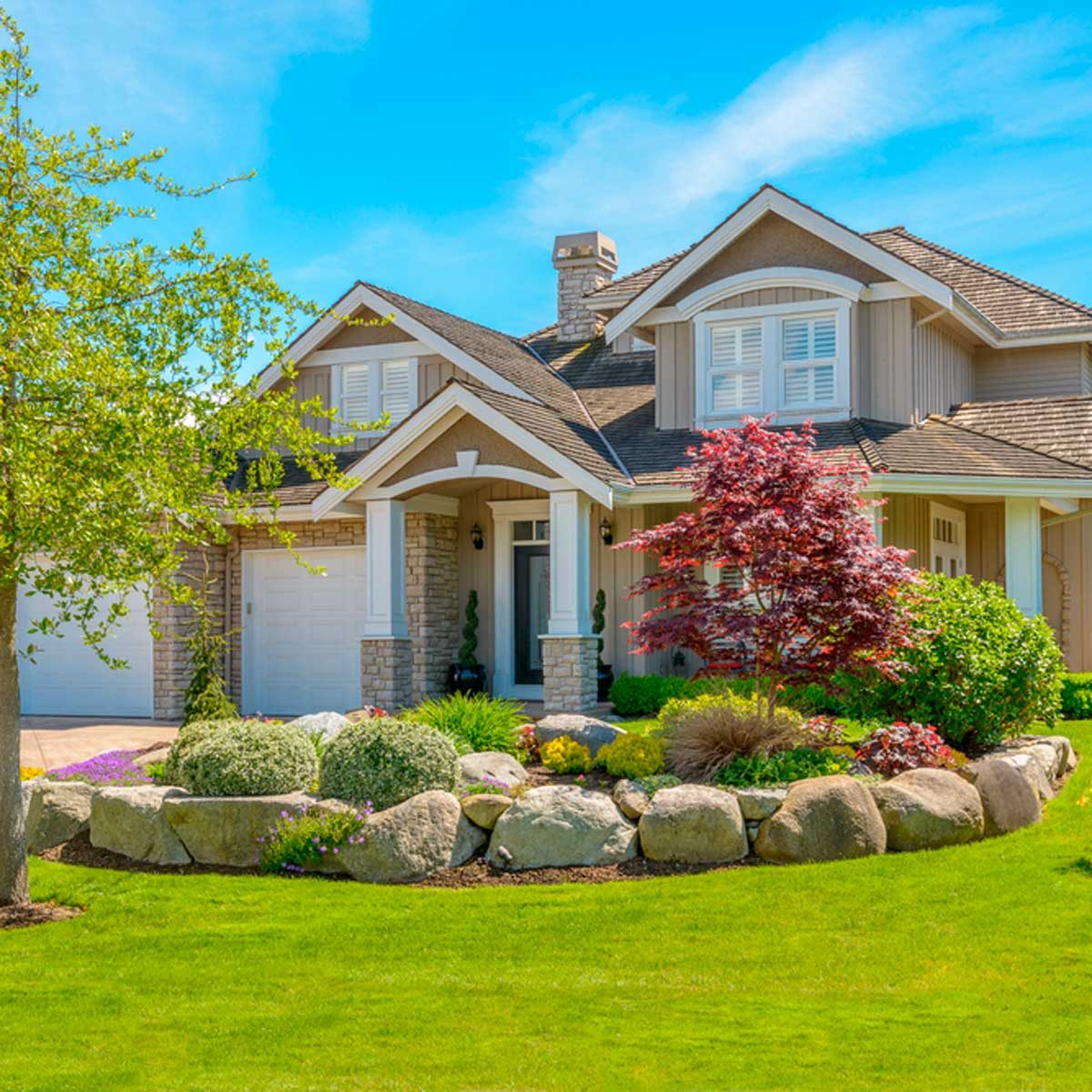
In conclusion, mastering the art of landscaping koi pond edges combines thoughtful planning, careful material selection, and skilled installation. When executed effectively, it transforms your pond into a stunning and sustainable feature that complements your outdoor space while providing a safe haven for your koi and aquatic plants.