Covering a koi pond with netting is an essential practice to ensure the safety and health of your aquatic environment. Proper netting not only safeguards your koi from predators but also prevents debris accumulation, helping maintain water quality and clarity. Understanding the best methods and materials for net installation can significantly enhance the longevity and effectiveness of your pond covering.
This comprehensive guide explores the key considerations for selecting suitable netting materials, precise measurement and preparation steps, effective installation techniques, and maintenance routines. By implementing these strategies, pond owners can create a secure and visually appealing environment for their koi while minimizing potential threats.
Understanding the Importance of Covering a Koi Pond with Netting
Covering a koi pond with netting is a vital practice for maintaining a healthy and secure environment for your aquatic inhabitants. It serves as a physical barrier that safeguards the koi from numerous external threats, ensuring their safety and well-being while also protecting the pond’s ecosystem from debris and contaminants. Implementing netting is a proactive step to prevent preventable issues that can compromise the vitality of your koi and the overall pond health.
Netting enhances pond safety by creating a protective shield that minimizes risks posed by predators, falling debris, and invasive plants. It also plays a crucial role in maintaining water quality by preventing leaves, twigs, and other refuse from contaminating the pond. This simple yet effective measure reduces the need for frequent cleaning and intervention, allowing pond owners to enjoy a pristine and stable aquatic environment.
The benefits of netting extend beyond protection, fostering a balanced habitat where koi can thrive free from undue stress or danger.
Protection from Predators and External Threats
Open ponds are vulnerable to a variety of predators that can threaten the health and safety of koi. Birds such as herons, kingfishers, and cormorants are common predators that can swoop down rapidly, capturing koi for food. Small mammals like raccoons, otters, or even cats may also pose a threat by attempting to access the pond and disturb the fish or cause damage to the pond structure.
In addition to predation, external threats include falling debris, leaves, and insects that can introduce contaminants or disrupt water quality.
Using netting as a protective barrier significantly reduces these risks, creating a physical obstacle that predators cannot breach. The netting also prevents debris from entering the pond, which can lead to water quality issues such as increased nitrate levels, algae blooms, or oxygen depletion. Thus, netting acts as a first line of defense that preserves the pond’s integrity and the health of its inhabitants, ensuring koi remain safe and stress-free.
Effective pond netting not only blocks physical threats but also contributes to a more stable and balanced aquatic ecosystem, promoting the longevity and vitality of your koi.
Selecting the Right Netting Material for a Koi Pond
Choosing the appropriate netting material for a koi pond is a vital step in ensuring the safety and health of your aquatic inhabitants. The right netting not only prevents debris and predators from entering the pond but also minimizes potential stress to the koi. It is essential to consider factors such as mesh size, durability, UV resistance, and the environmental conditions your pond will face throughout the year to make an informed decision.
Different netting materials come with their unique advantages and limitations. Understanding their properties helps in selecting the most suitable option that balances cost, longevity, ease of installation, and protective capabilities. Whether you opt for natural or synthetic materials, making an educated choice will enhance the longevity of the pond cover and ensure the well-being of your koi.
Types of Netting Materials Suitable for Koi Ponds
When selecting netting for a koi pond, the material’s mesh size, strength, and resistance to environmental factors are paramount. The common options include polypropylene, polyethylene, nylon, and natural fiber nets, each with distinctive features. The mesh size must be small enough to prevent entry of predators like herons and cats, yet allow sufficient airflow and light penetration for the pond’s ecosystem.
Durability is crucial, especially in outdoor settings where exposure to sunlight, rain, and wind can degrade weaker materials over time. UV resistance is a significant consideration, as prolonged sun exposure can cause some synthetic nets to weaken, become brittle, or fade, affecting their protective functions.
Natural fiber nets, such as jute or cotton, may appeal due to their biodegradability but often lack longevity and resistance to weathering, making them less practical for long-term pond covering. Synthetic nets, on the other hand, generally provide superior durability and UV resistance, although they might come at a higher initial cost. The choice ultimately depends on balancing the initial investment with the desired lifespan and maintenance requirements.
Comparison of Various Netting Materials
Below is a comprehensive comparison table highlighting the key aspects of popular netting materials used for koi pond covers. This information assists pond owners in selecting a material that aligns with their specific needs, environmental exposure, and maintenance preferences.
| Material | Weight | Lifespan | Cost | Ease of Installation | Additional Features |
|---|---|---|---|---|---|
| Polypropylene | Lightweight | 3-5 years | Moderate | Easy | Good UV resistance, resistant to rot and chemicals |
| Polyethylene | Moderate | 5-7 years | Moderate | Easy | Excellent UV stability, weather-resistant, durable |
| Nylon | Light to moderate | 2-4 years | Higher | Moderate | High tensile strength, susceptible to UV degradation if not treated |
| Natural Fiber (Jute, Cotton) | Light | 1-2 years | Low | Moderate to difficult, depending on installation method | Biodegradable, environmentally friendly, low initial cost |
Note: When selecting a material, consider the specific environmental conditions of your location, such as exposure to intense sunlight, wind, and potential predator activity. The durability and lifespan of netting can vary significantly based on these factors, influencing long-term costs and maintenance requirements.
Measuring and Preparing the Koi Pond for Netting Installation
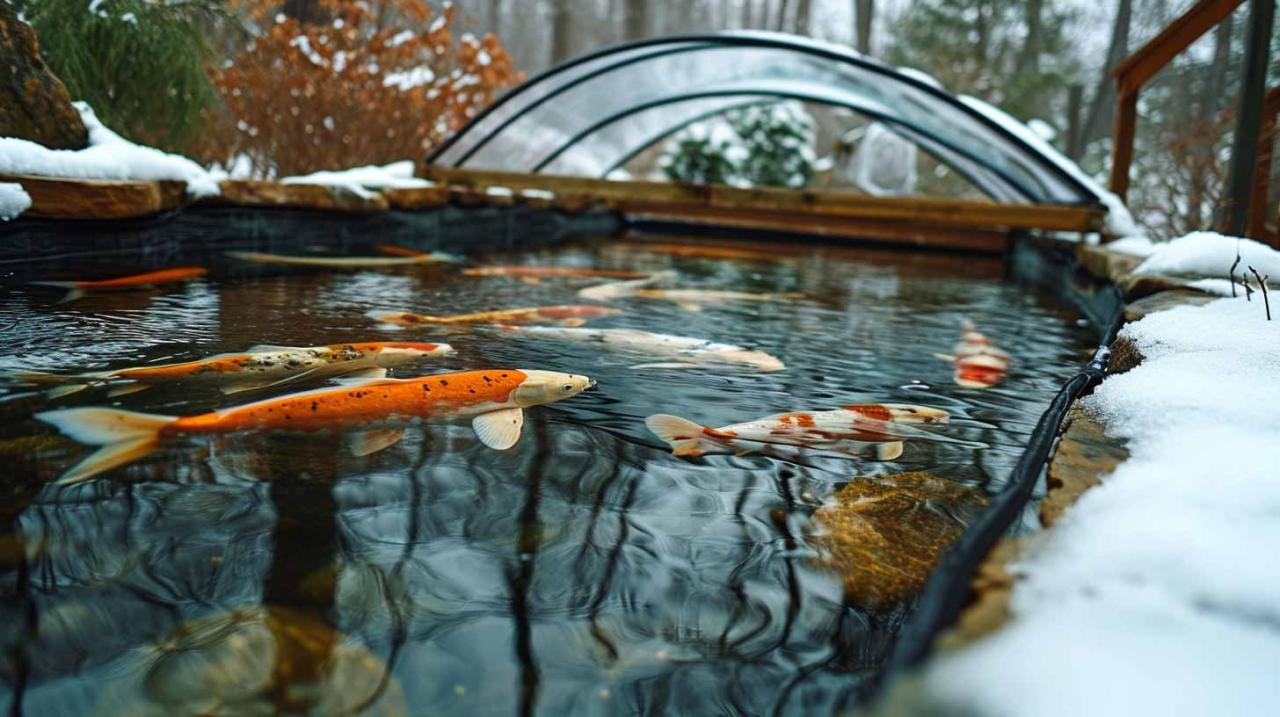
Accurate measurement and thorough preparation of the koi pond are essential steps to ensure that the netting fits properly and offers optimal protection. Proper planning minimizes potential gaps and weaknesses in the coverage, safeguarding the koi from predators, debris, and environmental hazards. This process involves precise dimension assessments, cleaning the pond area, and organizing necessary tools to facilitate a smooth installation process.
Meticulous measurement and cleaning lay the foundation for a successful netting setup, reducing the risk of damaging the net or compromising its effectiveness. Attention to detail during these initial steps enhances the overall durability and functionality of the cover, ensuring the health and safety of the koi pond inhabitants.
Accurate Measurement of Pond Dimensions
Obtaining precise measurements of the pond’s length, width, and depth is critical to custom-fit the netting. Using accurate tools helps prevent sizing errors that could result in gaps or overly tight coverage, which might stress the pond structure or hinder maintenance. Proper measurement ensures the netting will adequately cover the entire surface area and edges, providing comprehensive protection for the koi.
- Use a durable measuring tape to determine the length and width of the pond at its widest points. Measure from one edge to the opposite edge along both axes.
- Measure the depth at multiple points across the pond, especially if the bottom is uneven or sloped. Record the maximum depth to ensure full coverage.
- For irregularly shaped ponds, sketch a scaled diagram to help visualize the dimensions and identify the most comprehensive points for measurement.
- Consider adding an extra margin of 6-12 inches to the measured dimensions to accommodate overlaps, securing edges, and potential shrinkage of the netting material over time.
Proper measurement ensures a custom fit, which is vital for preventing predators from entering and debris from accumulating.
Cleaning and Clearing the Pond Area
Before installing the netting, the pond area must be thoroughly cleaned and cleared of debris to facilitate secure attachment and prevent damage to the net. A clean and organized surroundings improve visibility and access, making the installation process safer and more efficient. Clearing the area also minimizes the risk of pests and predators that could exploit any gaps or weaknesses in the netting.
- Remove large debris such as leaves, branches, and trash using nets, rakes, or skimmers to ensure the surface is clear.
- Inspect the pond for algae buildup, sludge, or algae that may indicate poor water quality. Perform necessary water treatments or partial water changes prior to net installation.
- Trim or remove aquatic plants near the edges if they obstruct the installation process or create gaps in the netting coverage.
- Clear the surrounding area of objects that could interfere with net attachment, such as rocks or garden tools.
- Inspect the pond’s edges for any sharp or uneven spots that could damage the netting or pose a risk to the koi.
Tools and Supplies Checklist for Measuring and Preparation
Gathering the right tools and supplies before commencing measurement and cleaning tasks streamlines the process and prevents interruptions. Having everything ready ensures a seamless transition from preparation to installation, saving time and reducing potential errors.
| Tool/Supply | Purpose |
|---|---|
| Measuring tape | To measure pond dimensions accurately |
| Notebook and pen | To record measurements and notes |
| Scaled sketch pad | To visualize irregular shapes and plan net coverage |
| Garden gloves | To protect hands during cleaning and clearing tasks |
| Skimmer or net | To remove surface debris and leaves |
| Water testing kit | To assess water quality before net installation |
| Aquatic plant trimmers | To trim plants near pond edges |
| Cleaning rags or brushes | To scrub algae or residue from pond surfaces |
| Ladder or step stool | To access higher or difficult-to-reach areas safely |
| Additional supplies such as stakes, clips, or weights | To secure the netting firmly after installation |
Methods for Installing Netting Over a Koi Pond
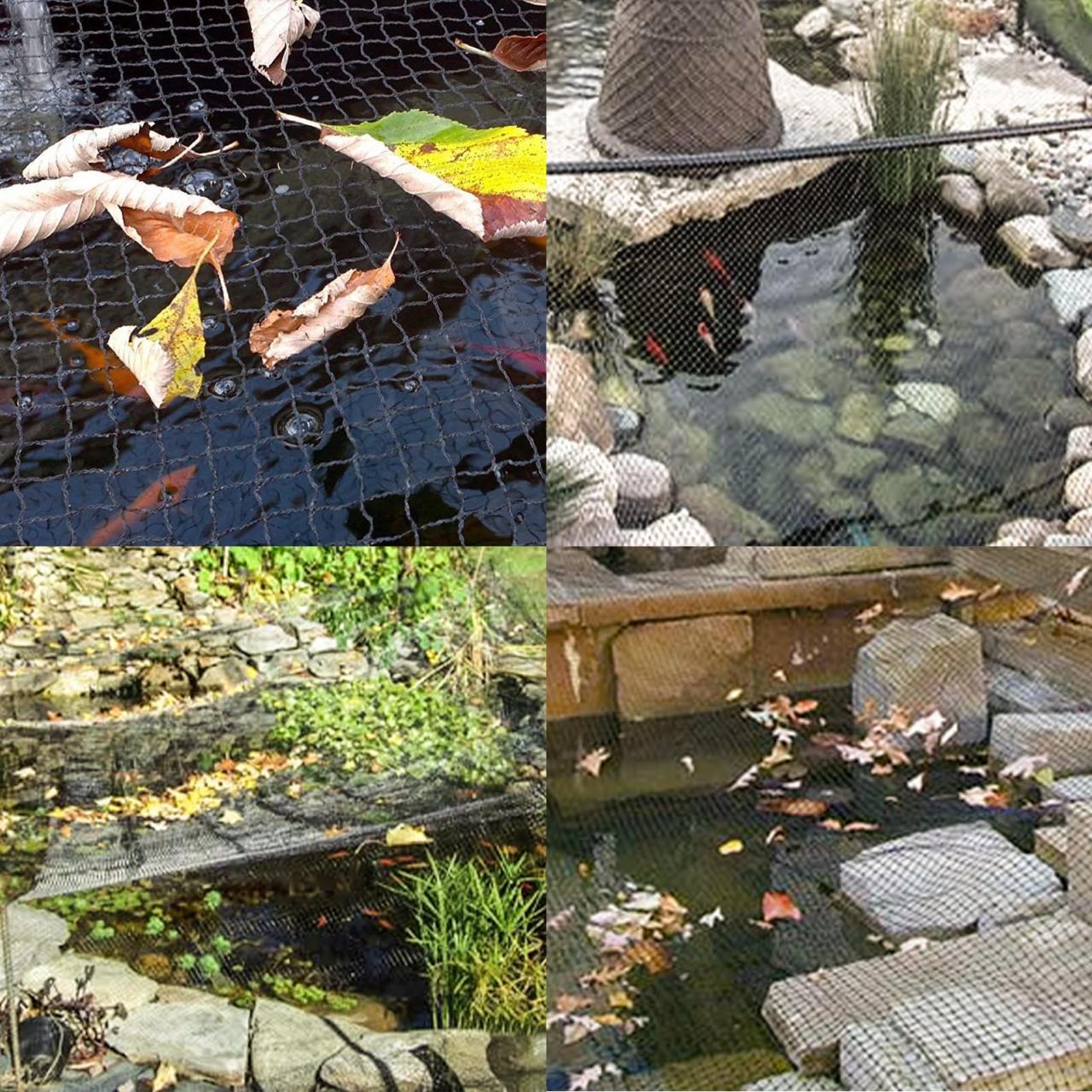
Effective installation of netting over a koi pond is essential to safeguard the aquatic life from predators, debris, and unwanted pests. Choosing the appropriate method depends on pond size, location, budget, and the level of protection needed. The following installation techniques—floating, anchored, and supported netting systems—offer diverse solutions tailored to different pond configurations and user preferences. Each method involves specific steps and safety considerations to ensure a secure and durable setup that preserves the health and safety of the koi pond environment.
Floating Netting System
The floating netting method is ideal for small to medium-sized ponds where ease of installation and flexibility are priorities. This approach allows the net to drift gently on the water surface, mimicking natural conditions while providing a barrier against predators and debris. Proper tension and buoyancy adjustments are crucial to prevent sagging or displacement during weather changes.
- Prepare the netting material, ensuring it is UV-resistant and suitable for aquatic environments.
- Attach lightweight flotation devices—such as foam floats or plastic balls—along the perimeter edges of the netting using strong, waterproof ties or clips.
- Position the net over the pond, ensuring it covers the entire surface area with an appropriate overhang beyond the pond edges.
- Adjust the buoyancy components to maintain a taut surface, preventing water or debris from slipping underneath.
- Periodically inspect the netting for displacement, especially after storms or heavy winds, and readjust the floats as necessary.
Ensure that the net is not overly tight, allowing some movement to avoid stress on the material, but tight enough to prevent predators from slipping underneath.
Anchored Netting System
The anchored netting system provides a stable, secure cover suitable for larger ponds or areas with frequent wildlife activity. This method involves fixing the net firmly to the pond edges or surrounding structures, providing excellent protection against both aerial and terrestrial predators.
- Measure the pond dimensions carefully and select a netting material with appropriate mesh size and durability.
- Install sturdy stakes, hooks, or eye bolts along the pond perimeter at regular intervals, considering accessibility and safety.
- Secure the netting to these anchors using clips, zip ties, or heavy-duty fasteners, ensuring the net is evenly stretched without sagging.
- For added security, install tensioning devices such as turnbuckles or bungee cords between stakes to maintain consistent tautness over time.
- Cover any gaps or corners with additional fasteners or smaller nets to prevent predator intrusion.
Use weather-resistant fasteners and regularly check for rust or corrosion to maintain the integrity of the anchoring system.
Supported Netting System
The supported netting system is suitable for ponds with irregular shapes or where a more rigid, structured cover is desired. This approach involves building a frame or support structure that holds the net in place, allowing for easy access and additional protection features.
- Design a frame using materials such as PVC pipes, metal rods, or wooden beams, ensuring they are treated for outdoor use.
- Construct the frame around the pond perimeter or create a canopy structure that spans across the pond surface.
- Secure the frame firmly into the ground or pond edges with appropriate anchors or base supports.
- Stretch the netting material over the frame, attaching it with clips, hooks, or zip ties to maintain tension.
- Adjust the tension periodically to account for weather conditions and material stretching, ensuring the net remains taut.
Materials should be corrosion-resistant and strong enough to withstand environmental stressors, preventing collapse or damage over time.
Comparison of Installation Methods
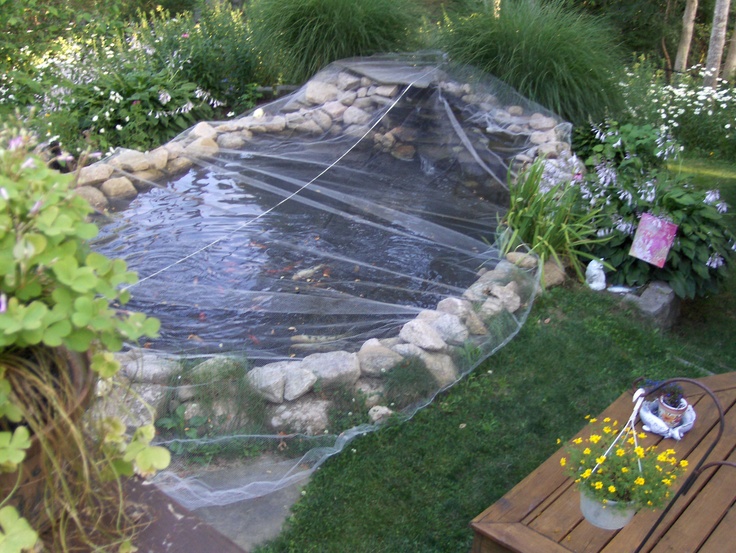
| Method | Complexity | Cost | Effectiveness |
|---|---|---|---|
| Floating Netting System | Low to Moderate | Low | Moderate; suitable for smaller ponds and light protection needs |
| Anchored Netting System | Moderate | Moderate; depends on materials used | High; provides a secure, durable barrier against predators and debris |
| Supported Netting System | High | High; due to structural materials and installation effort | Very High; ideal for irregular ponds requiring robust protection and easy access |
Securing and Maintaining the Netting for Long-Term Use
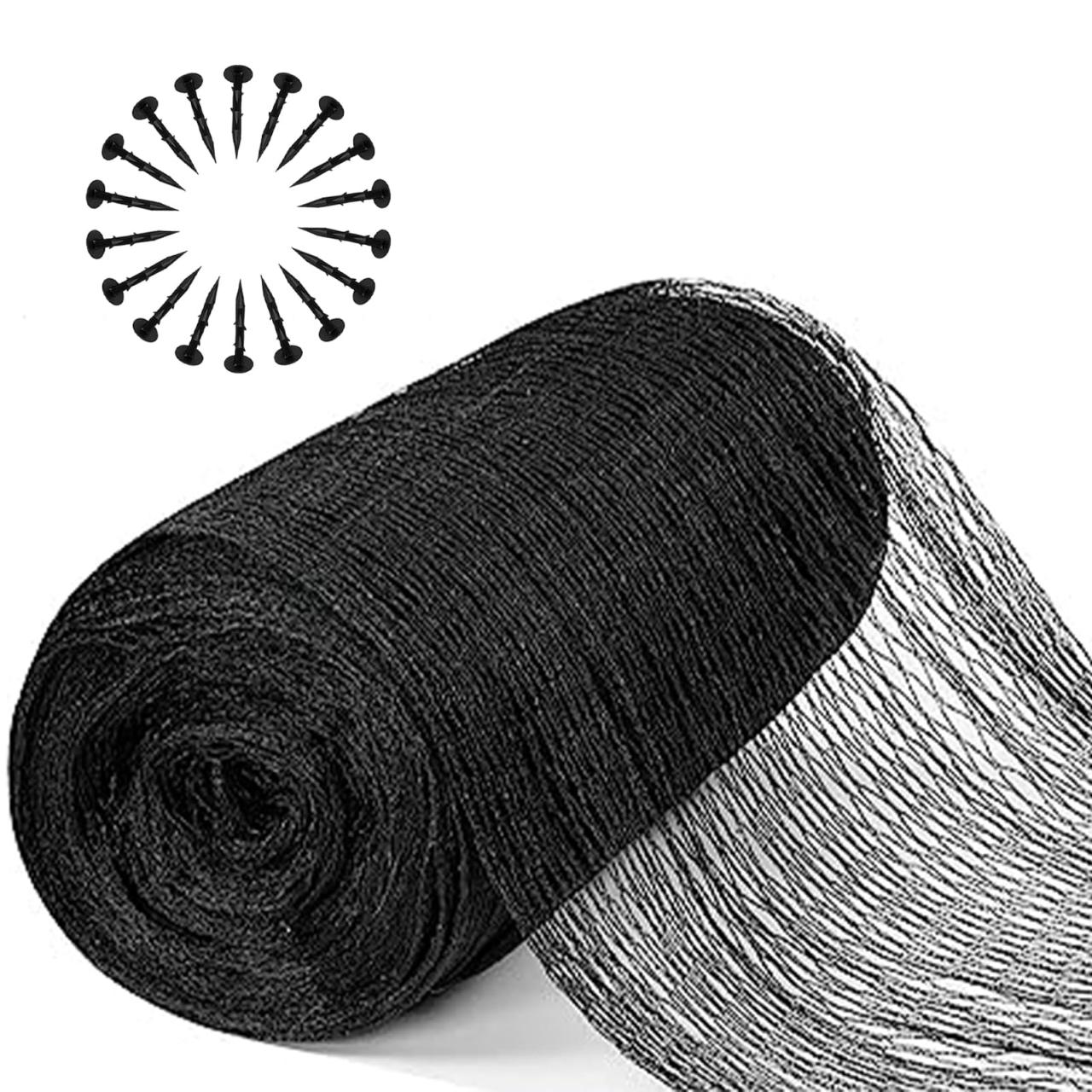
Effective securing and ongoing maintenance of netting are essential to ensure the durability and continued protection of your koi pond. Properly installed and well-maintained netting not only guards against predators, debris, and falling leaves but also extends the lifespan of the protective covering, reducing the need for frequent replacements. Implementing robust securing methods and routine inspection routines can prevent issues caused by environmental factors and animal interference, ultimately safeguarding the health of your koi and the clarity of your pond environment.Securing netting tightly over a koi pond is crucial to prevent displacement caused by wind gusts, heavy rain, or curious animals.
Over time, loose or poorly attached netting can slip or become torn, exposing the pond to potential threats or debris intrusion. Maintenance routines—such as regular checks, cleaning, and re-tightening—are vital to address wear and tear, ensuring the netting remains effective throughout its lifespan. Seasonal considerations, including storage during winter or off-season periods, help preserve the netting material, preventing damage from prolonged exposure to harsh weather conditions.
Common issues like tears, sagging, or build-up of debris can be effectively managed through troubleshooting methods to sustain optimal protection for your koi pond.
Proper Methods for Securing Netting
To firmly secure netting, use a combination of sturdy anchoring points around the pond perimeter, such as heavy-duty landscape staples, stakes, or specially designed netting clips. Attach the netting to these anchors at regular intervals to distribute tension evenly, reducing the risk of sagging or displacement. It is advisable to create a slight tension along the net to keep it taut, which discourages animals from lifting or tearing at the edges.
Additionally, installing weighted weights or bricks along the bottom edge of the net can prevent wind from lifting the covering and deter small animals from slipping underneath.
Routine Maintenance and Inspection
Maintenance routines should be scheduled at least monthly, especially during peak seasons when debris accumulation and animal activity are higher. These routines include removing leaves, twigs, and other debris from the net surface to prevent sagging and decay. Inspect the net for tears, holes, or weakened areas caused by sharp objects or animal attacks, and repair any damage promptly using appropriate patches or ties.
Re-tightening the netting ensures consistent tension, which maintains its protective effectiveness. If the netting has become loose or saggy over time, adjusting the securing points is necessary to restore proper tension.
Seasonal Considerations and Storage Tips
During colder months or periods when the pond is not in active use, removing and storing the netting can prolong its lifespan. Before storage, thoroughly clean the netting to remove dirt, algae, or organic material that could cause deterioration. Fold or roll the net carefully to avoid creases or tears, and store it in a cool, dry place away from direct sunlight, which can weaken the material.
If leaving the net in place during winter, consider adding extra anchoring to withstand snow accumulation or ice formation, which can add weight and stress to the netting.
Addressing Common Issues and Troubleshooting Solutions
Even with proper installation and maintenance, issues may occasionally arise. Tears or holes can develop from animals or environmental factors; patch these promptly using waterproof netting repair kits or strong adhesive patches designed for outdoor use. Sagging netting often results from loose securing points or accumulated debris; tightening the tension and clearing debris can resolve this. Wind damage is a frequent concern, which can be mitigated by adding weights along the net’s edges or installing windbreakers around the pond perimeter.
Persistent problems such as netting deterioration from UV exposure can be mitigated by selecting UV-resistant materials or applying protective coatings.
Regular inspection and proactive maintenance are key to ensuring your koi pond netting remains a reliable barrier, providing long-term protection and peace of mind.
Additional Tips for Effective Pond Covering and Predator Deterrence
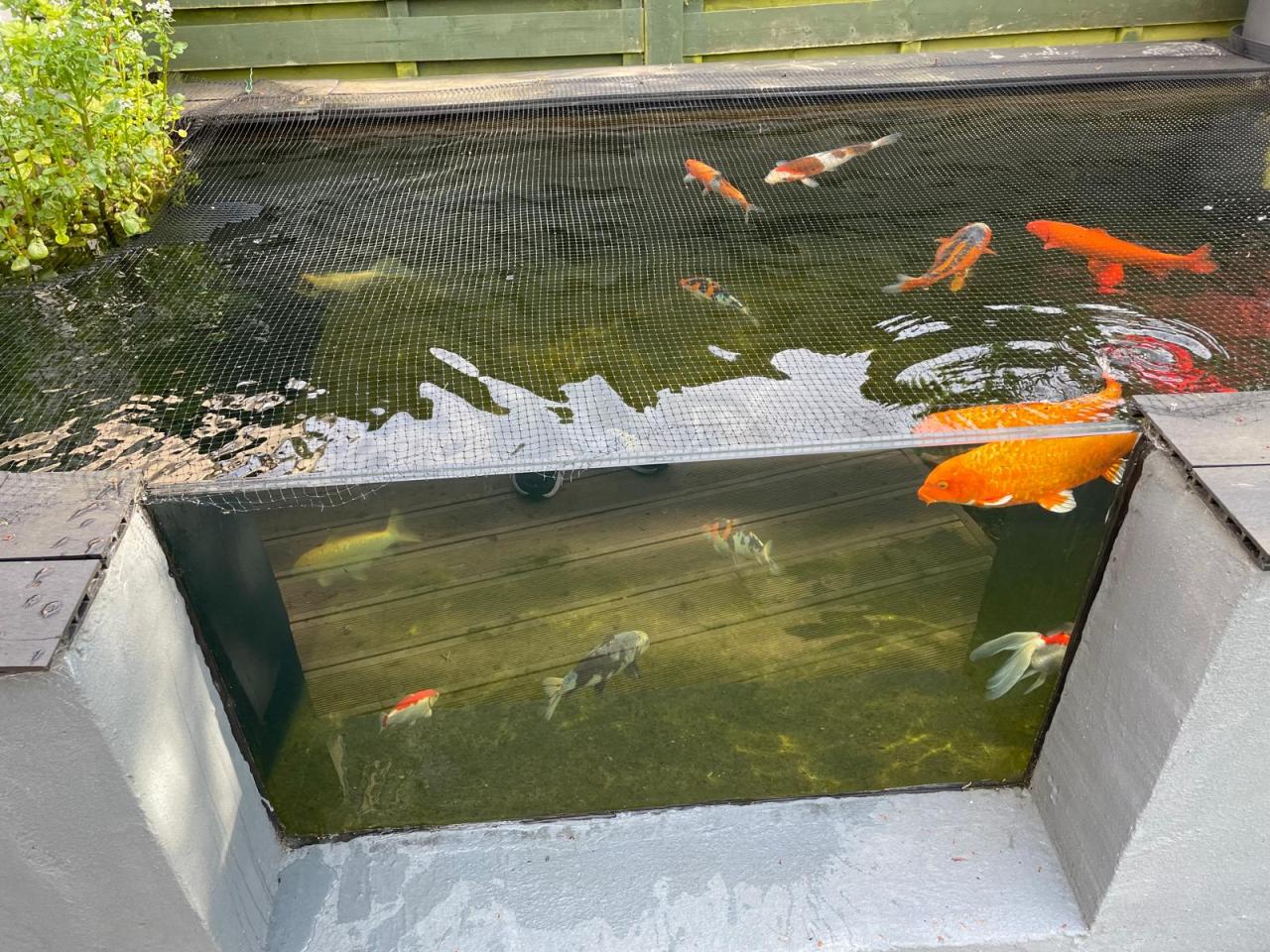
Protecting your koi pond from predators and ensuring the longevity of your covering solutions is essential for maintaining a healthy aquatic environment. Beyond standard netting installations, implementing supplementary deterrent measures and creating a secure, visually appealing setup can significantly enhance your pond’s safety. These strategies not only prevent unwanted visits from predators but also contribute to a more harmonious pond landscape.Creating a predator-proof pond environment involves a combination of visual deterrents, technological devices, and sturdy netting configurations.
Combining these elements can maximize security, making it difficult for predators such as herons, raccoons, or cats to access your koi. Additionally, selecting netting that seamlessly integrates with the surroundings ensures your pond remains aesthetically pleasing while remaining protected.Implementing innovative netting solutions tailored to different pond sizes and shapes can optimize coverage without compromising the natural beauty of your outdoor space.
Whether you have a small ornamental pond or a large backyard koi exhibit, adopting these additional measures will help safeguard your aquatic residents effectively.
Using Pond Lighting, Decoys, and Motion Sensors for Deterrence
Effective predator deterrence extends beyond physical barriers. Incorporating pond lighting, visual decoys, and motion-sensitive devices can create an environment that discourages predator activity through psychological cues and unexpected stimuli.
- Pond Lighting: Installing soft, strategically positioned lighting around the pond perimeter can deter nocturnal predators. Lights that mimic natural daylight or flickering effects can make predators uncomfortable or visible from a distance, reducing their desire to approach.
- Decoys: Placing life-like decoys such as heron statues, predator eyes, or reflective objects in prominent locations can deceive predators into believing the area is already occupied or watched. Regularly moving or changing the position of decoys prevents predators from becoming accustomed to them.
- Motion Sensors: Installing motion-activated sprinklers or alarms near the pond can startle and deter animals attempting to access the water. These devices are highly effective because they respond dynamically to movement, providing an unpredictable obstacle for predators.
Designing a Predator-Proof Netting Setup for Maximum Security
Achieving a predator-proof netting system requires a combination of proper netting material, secure anchoring, and strategic installation techniques. The goal is to prevent predators from breaching the net while allowing sufficient airflow and light for the pond ecosystem.
- Overlapping and Caging: Use overlapping net panels and consider installing a secondary cage or frame within the netting to add an extra layer of protection. This approach minimizes gaps and weak points where predators could exploit.
- High-Tension Installation: Tension the netting tightly over the pond surface using sturdy posts and tensioning devices. A taut net leaves fewer slack areas and reduces the risk of sagging or tearing.
- Extended Edges and Buried Components: Extend net edges beneath the pond’s edge or bury them a few inches underground to prevent predators from digging underneath. Secure the netting to surrounding structures such as rocks or fencing for added stability.
Achieving Visually Unobtrusive Netting That Blends with the Environment
Maintaining an aesthetically pleasing pond while providing protection calls for carefully selected netting that harmonizes with natural surroundings. Such solutions ensure wildlife and visitors enjoy a beautiful landscape without compromising security.
- Color Selection: Choose netting in neutral or natural hues like green, brown, or dark gray to blend seamlessly with vegetation and pond features. This reduces visual impact from a distance.
- Low-Profile Design: Opt for lightweight, fine-mesh netting with a low profile that does not cast prominent shadows or obstruct views. Installing the netting flush with the pond surface minimizes its visual footprint.
- Integrated Landscaping: Conceal netting edges behind plants, shrubs, or decorative rocks. Growing aquatic or marginal plants along the pond edges can further obscure the netting while providing additional habitat for pond life.
Innovative Netting Solutions for Different Pond Sizes
Adapting netting designs to fit various pond sizes enhances both security and aesthetics. Custom solutions can be tailored to specific needs, ensuring effective coverage regardless of pond dimensions.
| Pond Size | Recommended Netting Solution | Features |
|---|---|---|
| Small Ponds (up to 100 sq ft) | Fine-mesh, lightweight netting with suction cups or small stakes for quick installation | Easy to remove for maintenance, minimal visual impact |
| Medium Ponds (100-500 sq ft) | Sturdy nylon or polyethylene netting with perimeter framing and tensioning cables | Enhanced durability, secure anchoring, and better wind resistance |
| Large Ponds (>500 sq ft) | Custom-engineered netting with metal or wooden frameworks, incorporating retractable or modular panels | Flexibility for access, high security, and integration with landscape design |
Tailoring netting solutions to the specific pond size ensures optimal balance between protection, visual appeal, and ease of maintenance, fostering a safe environment for your koi and enhancing the overall landscape.
Final Conclusion
In conclusion, properly covering a koi pond with netting is a vital aspect of pond management that combines safety, protection, and aesthetic appeal. By choosing the right materials, ensuring accurate installation, and maintaining the netting regularly, you can enjoy a healthy and thriving pond ecosystem for years to come. Implementing these practices offers peace of mind and a beautiful habitat for your beloved koi.