Relocating a koi pond is a complex process that requires careful planning and execution to ensure the safety of your aquatic life and the stability of the new environment. Properly managing this transition helps preserve the health of your koi and maintains the aesthetic and functional aspects of your pond.
This guide provides comprehensive steps from assessing the current site to reestablishing the pond in its new location, emphasizing best practices to minimize stress on the fish and ensure a smooth transition.
Understanding the Reasons for Relocating a Koi Pond
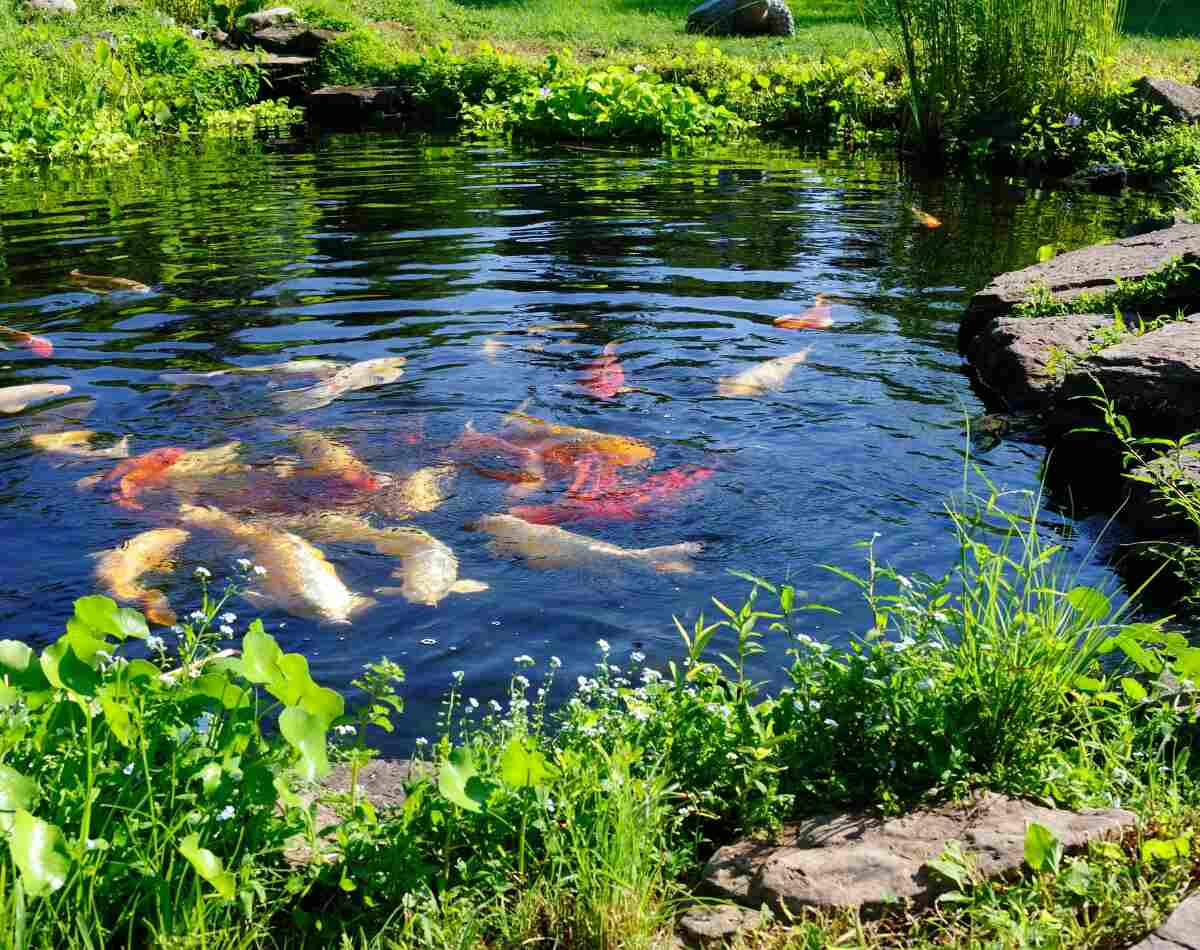
Relocating a koi pond is a significant decision that often stems from various practical considerations. Whether driven by construction projects, landscape redesigns, or safety concerns, understanding the underlying reasons helps in planning an effective and safe move for your aquatic residents. Properly addressing these motivations ensures that the transition minimizes stress for the koi and preserves the pond’s ecosystem.Relocating a koi pond typically arises due to changes in property layout, utility installations, or environmental safety issues.
For instance, ongoing or upcoming construction work nearby might encroach upon the current pond location, risking damage or contamination. Landscape modifications, such as creating additional garden features or altering drainage patterns, may necessitate relocating the pond to an area better suited for aesthetics or functionality. Safety concerns, including proximity to trees with invasive roots or unstable ground, can also prompt a move to protect the koi from potential hazards.During a pond relocation, koi fish are vulnerable to stress, injury, and disease if not handled carefully.
Sudden changes in water chemistry, temperature fluctuations, and physical disturbance can compromise their health. To mitigate these risks, it is essential to plan the move meticulously, ensuring minimal exposure to stressors. Using oxygenated holding tanks, maintaining consistent water temperatures, and handling the fish gently are critical steps. Additionally, timing the move during favorable weather conditions and ensuring the new pond site is stable and suitable are best practices to safeguard the well-being of your koi.A well-structured planning process includes assessing the new location, preparing the necessary equipment, and coordinating the logistics of the move.
Establishing a contingency plan for potential complications further ensures a smooth transition. When executed thoughtfully, relocating a koi pond can be a successful endeavor that results in a healthier environment for your aquatic life while accommodating changes to your landscape or property.
Draining and Removing Water and Fish

Relocating a koi pond requires meticulous planning to ensure the safety of the aquatic life and the integrity of the pond environment. Proper methods for draining water and handling koi fish are essential components of a successful relocation process. These procedures help prevent stress and injury to the fish, as well as maintain water quality during the transition.Draining the pond water carefully and efficiently minimizes environmental impact and preserves the water’s chemical balance.
Simultaneously, temporarily relocating koi fish to aerated holding tanks safeguards their health and reduces stress. Additionally, cleaning the pond liner and removing debris without harming aquatic creatures ensures a clean and healthy environment for the pond’s reinstallation.
Safely Draining Pond Water While Maintaining Water Quality
Proper water drainage involves more than simply opening a drain; it requires a controlled approach to preserve water quality and prevent debris from contaminating surrounding areas. The aim is to gradually lower the water level while maintaining an optimal environment for the fish and minimizing negative impacts.Start by turning off all pond equipment such as pumps, filters, and aerators to prevent disturbance of sediment and debris.
Use a submersible pump or a siphon hose, which allows precise control over flow rate. Position the pump at the deepest point of the pond to facilitate even drainage, avoiding stagnant pockets where debris could accumulate. When draining, keep the water level above the fish’s habitat zone to prevent exposing or stressing them.To protect water quality during removal, consider temporarily holding the drained water in a large container or tank if reuse or disposal is necessary.
Regularly monitor water parameters such as pH, ammonia, and nitrite levels if the water will be reused or if it needs to be disposed of responsibly.
Relocating Koi Fish to Aerated Holding Tanks
The health and safety of koi fish during pond relocation depend on prompt and careful transfer to suitable holding environments. Using aerated tanks ensures the fish receive adequate oxygen levels, reducing stress and preventing suffocation.First, prepare the holding tanks by filling them with clean, dechlorinated water that matches the pond’s temperature and parameters. Oxygenate the water using aerators or air stones to maintain high dissolved oxygen levels.
When capturing the koi, use a soft mesh net to gently scoop the fish, minimizing injury. Handle the fish with wet hands or gloves to protect their slime coat, which is vital for their immune defense.Once transferred, immediately place the koi into the prepared tanks, ensuring minimal air exposure. Continuously monitor water quality and fish behavior, adjusting aeration and temperature as needed.
Conduct health checks for signs of stress or injury, and keep the fish in these tanks until it is time for reinstallation in the new pond location.
Cleaning Pond Liner and Removing Debris Without Harming Aquatic Creatures
A clean pond environment promotes the health of koi and prevents the spread of disease during the relocation process. Proper cleaning involves removing debris and algae carefully to avoid harming aquatic life or damaging pond materials.Begin by removing large debris such as leaves, twigs, and algae using a soft pond net or a gentle vacuum designed for aquatic environments. For stubborn algae or biofilm, use a soft brush or sponge and a mild, pond-safe cleaning solution.
It is crucial to avoid using harsh chemicals, as these can linger in the liner and harm fish when they are reintroduced.When cleaning the pond liner, work systematically to prevent disturbing the substrate or causing unnecessary stress to the fish. Use a gentle spray of water to rinse debris from the liner, ensuring that all residues are removed without abrasion.
If the pond contains plants or sensitive biological filters, remove and clean them separately or rinse with pond water to preserve beneficial microorganisms.Careful handling during cleaning helps maintain the pond’s ecological balance, ensuring a healthy environment for koi once they are relocated back into their new habitat.
Removing and Transporting Pond Structures
Successfully relocating a koi pond involves careful disassembly and transportation of all its structural components. This process is essential to prevent damage, ensure safety, and facilitate easy reassembly at the new site. Proper handling of pond equipment, liners, and decorative features minimizes stress on the fish and preserves the longevity of the pond infrastructure.
During removal and transit, attention to detail is critical to maintain the integrity of pond components. Each element must be carefully dismantled, securely packed, and transported with measures to prevent shifting, cracking, or other forms of damage. This section provides guidance on dismantling pond features, best practices for packaging, and methods to ensure stability during transit.
Disassembly of Pond Features
Disassembling pond features such as pumps, filters, and decorative elements involves systematic steps to prevent damage and facilitate reinstallation. Pumps and filters are essential for maintaining water quality and must be carefully removed, cleaned, and stored in a safe environment. Decorative elements, including rocks, statues, or aquatic plants, should be gently detached and packed separately to avoid breakage. Documentation or photographs of the setup can assist in reassembling the pond accurately at the new location.
Best Practices for Packaging and Transporting Pond Components
Transporting pond structures requires adherence to proven packaging techniques to protect fragile and heavy components. Below is a table outlining recommended practices for packaging and transporting pond liners and structures:
| Component | Packaging Method | Transport Tips |
|---|---|---|
| Pond Liner | Roll or fold carefully, wrapping with thick, protective padding such as bubble wrap or foam sheets to prevent creases or punctures. | Secure with strong straps or bands to prevent unrolling or shifting during transit. Label as fragile and ensure it lies flat when possible. |
| Pumps and Filters | Drain all water, clean thoroughly, and then place in sturdy boxes with cushioning material like foam or packing peanuts to absorb shocks. | Attach labels indicating electrical components and handling instructions to avoid damage or mishandling. |
| Decorative Elements | Wrap individually with bubble wrap or soft cloths, then pack in reinforced boxes with padding to prevent chipping or cracking. | Secure in position to prevent movement; consider using custom crates for larger or heavier pieces. |
| Rocks and Landscaping Materials | Transport separately in sturdy containers or buckets, ensuring they are clean and dry to avoid mold or damage. | Use straps or ties to keep them stable during transit, especially for larger rocks. |
Ensuring Stability and Security During Transit
Maintaining the stability of pond components during transportation is vital to prevent damage and facilitate efficient reinstallation. Techniques include properly securing items within their packaging and utilizing appropriate transport vehicles. Heavy or bulky items, such as large rocks or pond structures, should be evenly distributed to balance the load and prevent shifting. Strapping and padding are essential to minimize movement, especially during long journeys or bumpy roads.
Secure all items with high-quality straps, and double-check the placement before departure to ensure nothing shifts or falls during transit. Additionally, transporting delicate components such as liners and electrical equipment in upright or flat positions according to manufacturer instructions helps preserve their integrity.
For larger ponds or extensive disassembly, utilizing a flatbed truck or a vehicle with securing points is advisable. Employing padding and cushioning materials around each component further safeguards against impact and vibrations. Planning the route in advance, avoiding rough roads and ensuring timely stops for checks, can significantly reduce the risk of damage during the move.
Preparing the New Site
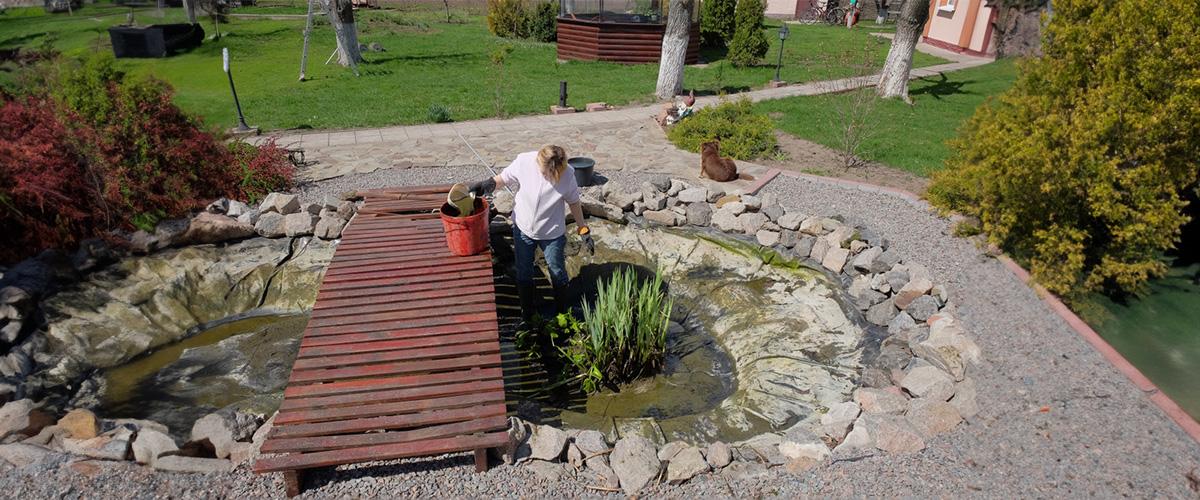
Choosing and preparing the optimal location for the relocated koi pond is a critical step to ensure the health of the fish and the longevity of the pond. Proper site selection and ground preparation lay the foundation for a successful and sustainable pond environment. Attention to sunlight, shade, soil conditions, and correct installation techniques will contribute significantly to the pond’s overall stability and clarity.
Thorough preparation of the new site involves careful assessment of environmental factors and meticulous groundwork. This process includes selecting the most suitable location, excavating and leveling the ground, installing appropriate pond lining, and ensuring that all necessary systems such as filtration, aeration, and electrical connections are properly set up to support the pond’s ecosystem.
Criteria for Selecting an Optimal New Location
Choosing a suitable site requires evaluating specific environmental and structural factors to promote healthy koi growth and simplify maintenance tasks. Considerations should include sunlight exposure, shade availability, soil stability, drainage, and proximity to electrical sources. An ideal location offers a balance of sunlight and shade, preventing excessive algae growth while maintaining adequate warmth. Soil conditions should favor stability and low permeability, ensuring the pond structure remains intact over time.
- Sunlight and Shade: Aim for a site that receives partial sunlight throughout the day, ideally 4–6 hours of direct sun, with shaded periods to prevent overheating and algae proliferation. Mature trees nearby can provide shade, but roots should be monitored to avoid damage to pond structures.
- Soil Conditions: Conduct soil testing to determine drainage capacity and stability. Sandy or loamy soils are preferable for their drainage qualities, reducing waterlogging risks. Avoid sites with clay-heavy soils that retain water excessively or areas prone to flooding.
- Accessibility and Safety: Near electrical outlets and convenient for maintenance tasks. Ensure the site is accessible and secure from potential predators or vandalism.
Ground Preparation and Installation Steps
Proper ground preparation is essential to creating a durable and leak-proof pond environment. The process involves excavation, leveling, and lining installation, each critical to the pond’s structural integrity and water retention capabilities. Following a systematic sequence ensures efficiency and quality in construction.
- Excavation: Mark the pond Artikel on the ground using stakes and string, then excavate the soil to the desired depth and shape. Dig slightly deeper than the final pond depth to accommodate the liner and any bedding material.
- Leveling: Use a spirit level or laser leveling device to ensure the pond bottom is even. Consistent depth promotes uniform water distribution and simplifies filtration system setup. Create gentle slopes on the sides if desired, for fish access and aesthetic appeal.
- Sub-base and Liner Installation: Lay down a protective layer of geotextile fabric or sand to cushion the liner and prevent punctures. Carefully spread the pond liner over the entire excavation, smoothing out wrinkles and securing edges to prevent shifting.
Setup of Filtration, Aeration, and Electrical Connections
Establishing reliable filtration, aeration, and electrical support at the new site is fundamental for maintaining water quality and system functionality. A logical sequence in installing these components ensures seamless operation and minimizes future disruptions.
- Filtration System: Position the biological and mechanical filters near the pond, ensuring access for maintenance. Connect the inlet and outlet pipes securely, and verify proper water flow to keep the pond water clear and healthy.
- Aeration Equipment: Place air pumps and diffusers in locations that maximize oxygen dispersion throughout the pond. Elevated placement may reduce noise and vibration, enhancing the environment for koi and other aquatic life.
- Electrical Connections: Install waterproof electrical outlets and cords, following local electrical codes. Use GFCI outlets for safety, and ensure cords are secured away from water splashes or pond edges. Conduct testing of all electrical systems before filling the pond with water.
Proper site selection and thorough preparation are vital to establishing a thriving pond environment, reducing future maintenance issues, and ensuring the health and happiness of your koi.
Reinstalling the Pond and Ecosystem
Reinstalling a koi pond in a new location involves meticulous assembly of pond structures, careful refilling and treatment of water, and the gradual re-establishment of the pond’s biological balance. Proper execution of these steps ensures the health of the koi and the stability of the aquatic ecosystem, providing a safe and thriving environment for your fish and plants.
This process requires attention to detail, patience, and adherence to best practices to prevent stress or harm to the koi and to restore the pond’s ecological integrity effectively.
Assembling Pond Structures in the New Location
Proper installation of pond structures is essential for creating a stable environment that mimics the pond’s original ecosystem. The assembly process involves careful placement of the pond liner, installation of filtration and aeration systems, and positioning of decorative or functional elements such as rocks, plants, and ledges. Precise positioning and secure fastening of components prevent leaks, structural instability, and future maintenance issues.
- Lay out the pond liner over the prepared excavation site, ensuring it extends beyond the pond’s perimeter for secure anchoring. Smooth out wrinkles and folds to prevent damage or punctures.
- Secure the liner edges with rocks, bricks, or specialized pond liner adhesive, especially around the edges and corners, to prevent shifting during water filling.
- Install filtration systems, including biological filters, mechanical filters, and UV clarifiers, ensuring they are positioned to maximize efficiency and ease of maintenance.
- Position aeration devices such as air stones or diffusers to promote oxygen exchange, vital for fish health and overall ecosystem stability.
- Arrange decorative elements, rocks, aquatic plants, and hiding spots thoughtfully, considering koi behavior and ecological functions to promote natural interactions and shelter.
The stability of the assembled pond structures directly impacts water quality and the health of the aquatic life, making precision and care paramount during this stage.
Refilling the Pond with Water and Restoring Biological Balance
Refilling the pond with water is a critical step that requires careful planning to prevent stress on the koi and to restore water quality. The process includes selecting appropriate water sources, treating the water to remove harmful substances, and establishing a biological balance that supports healthy aquatic life.
- Fill the pond gradually using a garden hose or a water delivery system, avoiding rapid filling that can disturb newly installed structures and harm fish.
- Test the water parameters regularly during the filling process, focusing on pH, ammonia, nitrite, and nitrate levels to ensure they remain within safe ranges for koi.
- Introduce dechlorination agents, such as sodium thiosulfate or commercial dechlor products, if using tap water, to neutralize chlorine and chloramine compounds harmful to fish and beneficial bacteria.
- Monitor water temperature closely, particularly in colder climates, to prevent temperature shocks that could affect koi health.
- Establish biological filtration by adding beneficial bacteria cultures to expedite the development of a healthy microbial community. These bacteria break down fish waste and organic matter, maintaining water clarity and quality.
“A stable biological environment relies on a balanced microbial ecosystem that can efficiently process waste, preventing toxic build-up and promoting koi vitality.”
Reintroducing Koi Fish to the New Pond Environment
Reintroducing koi to the newly established pond environment must be done gradually to minimize stress and ensure their adaptation. The process involves acclimating the fish to the new water parameters and monitoring their health closely during the transition period.
- Begin by floating sealed bags containing koi in the new pond for 15-30 minutes, allowing the temperature to equalize and reducing shock risk.
- Gradually mix small amounts of pond water into the bag over a period of 30-60 minutes, increasing the water volume to help koi acclimate to the new water chemistry.
- Gently net the koi and release them into the pond, avoiding introducing them directly from the bag to prevent contamination or sudden environmental changes.
- Observe the koi closely for signs of stress or illness during the first days, and ensure they are swimming actively and eating normally.
- Maintain optimal water quality, temperature, and oxygen levels throughout the acclimation process, and limit disturbances to support koi recovery and integration into their new habitat.
Consistent monitoring and gentle handling during reintroduction are essential for establishing a healthy, balanced pond ecosystem that sustains vibrant koi populations for years to come.
Post-Relocation Care and Monitoring
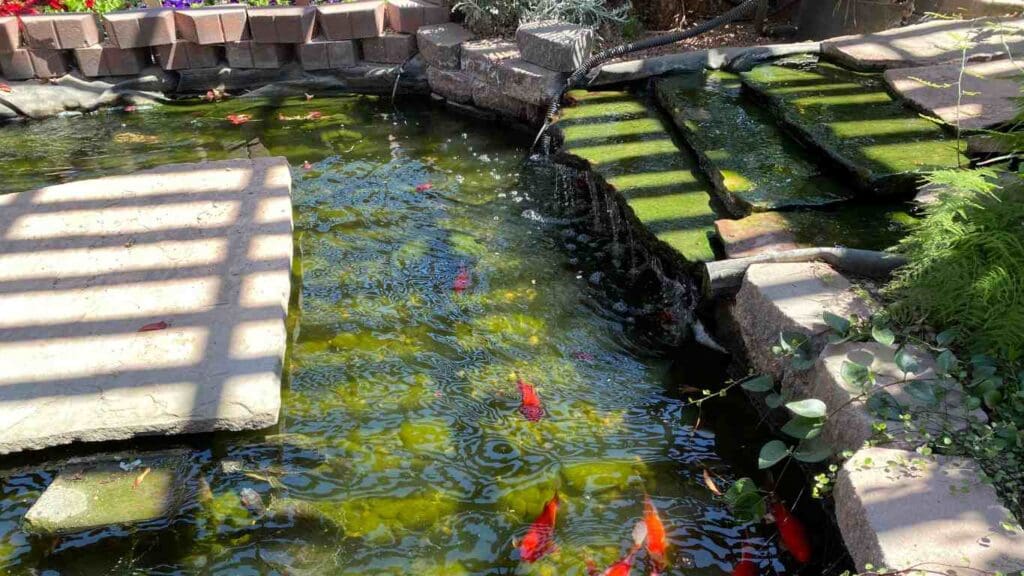
Relocating a koi pond is a significant undertaking that requires ongoing attention to ensure the health of the fish and the stability of the new environment. Proper post-relocation care and diligent monitoring help establish a thriving pond ecosystem and prevent potential issues from escalating. This phase is critical for acclimating koi to their new surroundings and ensuring the long-term success of the relocation process.Effective post-relocation management involves regular maintenance routines that support water quality, plant health, and pond stability.
Monitoring the koi closely allows you to detect early signs of stress or illness, enabling prompt intervention. Additionally, implementing a gradual acclimation process for the koi helps them adjust smoothly to changes in water temperature, chemistry, and overall environment, minimizing shock and promoting recovery.
Ongoing Maintenance Routines for the Newly Relocated Pond
Maintaining a clean, balanced pond environment is vital for the health of the koi and the longevity of the pond structure. Regular routines should include:
- Testing Water Parameters: Conduct weekly tests for pH, ammonia, nitrites, nitrates, and oxygen levels using reliable test kits. Maintaining optimal parameters—pH between 7.0 and 8.0, ammonia and nitrites at zero, and nitrates below 20 ppm—supports koi health and biological stability.
- Water Quality Management: Perform partial water changes of approximately 10-15% weekly to dilute accumulated toxins. Use dechlorinated water to prevent harm to fish and beneficial bacteria.
- Filter Inspection and Cleaning: Check filtration systems monthly to ensure proper operation. Clean filter media gently to preserve beneficial bacteria colonies while removing debris and excess waste.
- Vegetation and Debris Removal: Regularly remove fallen leaves, algae, and organic matter from the pond surface and bottom to prevent decomposition and water quality deterioration.
- Monitoring and Adjustments: Record water parameter readings and fish behavior to detect trends. Adjust aeration and filtration as needed to maintain optimal oxygen levels, especially during warmer months.
Signs of Stress or Health Issues in Koi and How to Address Them
Post-relocation, it is essential to observe koi for any signs of stress or health problems that might arise from environmental changes. Recognizable indicators include:
- Erratic Swimming: Koi swimming aimlessly or staying near the surface or bottom may indicate stress, oxygen deficiency, or water quality issues.
- Loss of Appetite: A sudden decrease in feeding behavior suggests discomfort, illness, or poor water conditions.
- Physical Changes: Presence of white spots, ulcers, frayed fins, or unusual discoloration can be signs of parasitic, bacterial, or fungal infections.
- Gasping at Surface: Indicates oxygen deficiency, often due to inadequate aeration or poor water quality.
Addressing these issues involves:
- Improving Water Quality: Conduct immediate water tests and perform partial water changes if parameters are outside optimal ranges.
- Enhancing Aeration: Increase oxygen levels with additional aerators or air stones, especially during hot weather when oxygen levels tend to drop.
- Isolating Affected Fish: Quarantine koi exhibiting signs of illness to prevent spread and facilitate targeted treatment.
- Consulting a Specialist: Seek advice from aquatic veterinarians or experienced koi keepers for diagnosis and treatment plans tailored to specific ailments.
Tips for Gradual Acclimation and Ensuring Pond Stability
A successful transition for koi involves a gradual acclimation process that minimizes stress and promotes adaptation to the new environment. Key tips include:
- Temperature Adjustment: Slowly introduce pond water into transport containers over several hours or days, gradually matching the temperature of the new pond to prevent thermal shock.
- Water Chemistry Equilibration: Mix small amounts of pond water with transport water to help koi adjust to water chemistry differences, especially pH and mineral content.
- Limited Feeding: Withhold feeding for the first 24-48 hours after introducing koi to reduce metabolic stress and prevent water quality issues from excess waste.
- Monitoring and Patience: Observe koi behavior closely during the first weeks, noting any signs of stress or illness, and avoid making sudden changes to pond conditions.
Stability in the pond environment is achieved through consistent maintenance, balanced biological processes, and patience. Establishing a stable ecosystem allows beneficial bacteria to flourish, supporting natural filtration and nutrient cycling. Regularly reviewing water quality data and adjusting maintenance routines accordingly will help maintain a healthy, vibrant pond where koi can thrive long-term.
Conclusion
In conclusion, relocating a koi pond is a meticulous task that, when done correctly, can rejuvenate your outdoor space and ensure the well-being of your koi. Following systematic procedures and attentive care will guarantee a successful move and a thriving pond environment.