Properly winterizing a koi pond is essential to maintaining the health of your koi and ensuring the longevity of your pond infrastructure through the colder months. This process involves careful preparation, assessment, and protective measures to safeguard your aquatic environment against harsh winter conditions.
By understanding the key steps involved—from evaluating water quality and managing pond equipment to creating a safe habitat for koi—you can prevent common winter challenges and promote a healthy pond ready to withstand the winter season with minimal stress and risk.
Introduction to Winterizing a Koi Pond
Winterizing a koi pond is a vital process that helps protect both the aquatic life and the structural integrity of the pond during the colder months. Proper preparation ensures that koi fish remain healthy, preventing stress and disease caused by temperature fluctuations and oxygen depletion. Additionally, safeguarding pond equipment and the pond’s physical features from winter damage preserves the pond’s longevity and reduces maintenance challenges come spring.
The winterization process involves a series of systematic steps designed to mitigate the impacts of freezing temperatures, maintain water quality, and create a safe environment for koi throughout the winter. These steps include adjusting pond conditions, managing filtration systems, and implementing protective measures for plants and pond structures.
Common Challenges Faced When Preparing a Pond for Winter
Preparing a koi pond for winter presents several challenges that require careful planning and execution. One primary concern is preventing the pond water from freezing completely, which can suffocate koi by cutting off oxygen supply. Maintaining adequate aeration while avoiding damage to delicate pond equipment often proves complex. Additionally, managing debris and organic matter buildup during fall months is crucial to prevent decomposition and water quality deterioration.
Another challenge involves protecting pond liners and pond edges from frost-related cracking or shifting. Balancing the need for insulation with sufficient oxygen exchange is essential, especially in regions with extreme cold. Cost-effective yet effective solutions must be selected to ensure long-term pond health without excessive expense. Recognizing these potential hurdles allows pond owners to develop comprehensive winterization strategies that promote pond stability and koi well-being during the cold season.
Assessing Pond Conditions Before Winter
Proper evaluation of your koi pond prior to winter is essential to ensure a smooth transition into the colder months. This assessment helps identify potential issues that could jeopardize fish health or pond integrity during winter. By thoroughly inspecting water quality, temperature, pond depth, and equipment, pond owners can implement targeted winterization measures that safeguard their aquatic ecosystem.
Understanding the current state of your pond allows for proactive management, minimizing risks such as fish stress, disease outbreaks, or equipment failure. This process involves detailed testing and visual inspections, ensuring that the pond is prepared to withstand the challenges of winter conditions.
Evaluating Water Quality
Maintaining optimal water quality is critical for koi health during winter. Elevated levels of ammonia, nitrites, or nitrates can cause stress or harm to fish, especially when their metabolic processes slow down in colder temperatures. Testing water parameters regularly provides insight into the pond’s current condition and indicates whether adjustments are needed before winter sets in.
Ideal water conditions for overwintering koi include ammonia and nitrite levels at zero, nitrate levels below 40 ppm, and stable pH between 7.0 and 8.0.
Utilize reliable water testing kits to measure these parameters accurately. If tests reveal high ammonia or nitrite levels, partial water changes—replacing 10-20% of the pond water—can help reduce toxic substances. Additionally, removing debris and excess organic matter minimizes biological load, preventing deterioration of water quality through decomposition.
Monitoring Water Temperature and Pond Depth
Determining the pond’s depth and water temperature is vital to establish whether it can support overwintering fish and to decide on suitable winter strategies. Koi typically enter a state of dormancy when water temperatures drop below 50°F (10°C), but sudden temperature fluctuations can stress or kill fish if not managed properly.
Regularly measure water temperature at multiple points within the pond to identify uniformity. If the pond is shallow—less than 3 feet deep—it may not provide sufficient thermal insulation, increasing the risk of freezing solid or temperature fluctuations that impact koi health. Deeper ponds tend to retain heat better and offer more stable conditions during winter.
If the pond’s depth is inadequate, consider installing temporary insulation or aeration devices to prevent freezing and maintain a more consistent temperature. Ensuring the pond is at least 3 feet deep in the critical overwintering zones can significantly improve fish survival prospects.
Inspecting Pond Equipment for Winter Support
Efficient functioning of pond equipment—such as filters, pumps, and aerators—is essential for maintaining water quality and oxygen levels during winter. Equipment that is in good condition ensures proper circulation, prevents stagnation, and reduces the risk of ice formation that can damage pond surfaces or equipment components.
Conduct a thorough visual inspection of all mechanical devices to identify signs of wear, corrosion, or damage. Pay special attention to seals, electrical components, and moving parts. Remove any debris or obstructions that could impair equipment performance during the colder months.
Ensure that pumps are capable of operating at low temperatures without freezing or malfunctioning. Consider switching to winter-grade lubricants if applicable, and drain or disconnect equipment that is not designed for winter operation.
Test equipment functionality by running systems briefly to confirm proper operation. For aerators and water circulators, verify that they can operate continuously or intermittently to prevent ice buildup, especially in regions prone to freezing temperatures. Proper equipment assessment minimizes the risk of failure and helps maintain a healthy pond environment through winter.
Signs Indicating the Need for Specific Winterization Actions
Observing specific signs in your pond can indicate whether additional winterization measures are necessary. These signs include the presence of ice forming on the pond’s surface, declining water clarity, increased algae growth, or fish exhibiting signs of stress such as lethargy or gasping at the surface. Recognizing these indicators allows pond owners to act promptly, implementing appropriate solutions like installing covers, aeration, or heater systems.
Furthermore, if pond equipment shows signs of corrosion, blockage, or reduced efficiency, immediate maintenance or replacement may be required to ensure continued functionality during winter. Conducting a comprehensive assessment based on these signs facilitates targeted interventions, increasing the likelihood of a healthy, thriving pond come spring.
Preparing Pond Water for Winter
As winter approaches, it is crucial to prepare your koi pond to ensure the health and safety of your fish through the colder months. Properly adjusting water chemistry and cleaning the pond of debris and harmful substances help create a stable environment, minimizing stress and preventing potential health issues for your koi during winter.
This process involves balancing the pond’s water chemistry to reduce stress, removing debris that can decompose and pollute the water, and applying treatments that eliminate excess nutrients and bacteria that could harm the fish or disrupt the pond’s ecosystem during dormancy.
Adjusting Water Chemistry to Prevent Koi Stress
The first step in winter preparation is to ensure the pond’s water chemistry is optimal for koi health. Koi are sensitive to fluctuations in pH, ammonia, nitrite, and nitrate levels. During winter, maintaining stable and appropriate levels becomes even more critical as biological activity slows down.
Begin by testing the current water parameters using a reliable water testing kit. Ideal winter parameters typically include a pH of 7.0–8.0, ammonia and nitrite levels close to zero, and nitrates kept below 50 mg/L. If adjustments are needed, use pond-safe pH buffers to stabilize acidity or alkalinity, and consider partial water changes with dechlorinated, temperature-matched water to dilute harmful substances.
Tip: Avoid sudden chemical changes; make adjustments gradually over several days to reduce koi stress.
Removing Debris, Excess Nutrients, and Harmful Bacteria
Accumulated debris such as fallen leaves, algae, and uneaten fish food can decompose over winter, releasing harmful substances that deteriorate water quality. Clearing these materials prevents oxygen depletion and reduces the risk of bacterial blooms that could be fatal to koi.
Use a pond net or a skimmer to remove surface debris, and vacuum the pond bottom to extract sludge and organic matter. Additionally, reducing excess nutrients helps prevent algae overgrowth once warmer conditions return. Employing beneficial bacteria treatments during this process can help establish a healthy microbial balance, breaking down organic waste and limiting harmful bacteria buildup.
Water Treatment Options for Winter Months
When selecting water treatment methods during winter, it is important to choose options that are safe for koi and effective in maintaining water quality without causing stress or harm. The following table compares common treatments suitable for winter use:
| Method | Benefits | Precautions |
|---|---|---|
| Partial Water Changes | Reduces toxins, replenishes minerals, and stabilizes water chemistry | Use dechlorinated, temperature-matched water; avoid large changes in a short period |
| Beneficial Bacteria Additives | Enhances biological filtration, reduces organic waste, and prevents harmful bacterial growth | Choose products specifically formulated for winter use; follow manufacturer instructions carefully |
| Algaecides | Controls algae growth, maintaining water clarity | Use with caution; select koi-safe formulations and dose carefully to avoid stressing fish |
| pH Buffers | Maintains stable pH levels, reducing stress during temperature fluctuations | Apply gradually and measure regularly to prevent overcorrection |
| Oxidizing Agents (e.g., hydrogen peroxide) | Breaks down organic matter and reduces bacterial populations | Use sparingly; ensure proper dosing to prevent oxygen depletion or koi stress |
Managing Pond Equipment for Winter

Proper management of pond equipment during the winter months is essential to ensure the safety of your koi and the integrity of your pond system. This involves careful cleaning, thoughtful relocation or shutdown of equipment, and protective measures to prevent damage from cold temperatures.
Effective management minimizes the risk of equipment failure, prevents safety hazards, and helps maintain optimal pond conditions for your koi throughout the winter season.
Cleaning, Relocating, or Shutting Down Filtration and Aeration Systems
Before winter fully sets in, it is crucial to evaluate and prepare your pond’s mechanical systems to withstand cold conditions. This process involves cleaning, adjusting, or temporarily shutting down equipment to avoid damage and ensure proper function when reactivated in spring.
Follow these steps for optimal equipment management:
- Thorough Cleaning: Remove debris, algae, and sediment from filters, skimmers, and pumps. Use a gentle brush and water to clean filters, avoiding harsh chemicals that could harm your pond’s ecosystem.
- Relocation of Equipment: For pumps and filters that are not designed for sub-zero temperatures, relocate them to a heated garage, shed, or indoors. Ensure the relocation site is dry and protected from freezing conditions.
- Shutdown Procedure: If your system is not frost-proof, turn off and disconnect pumps, UV sterilizers, and aerators. Drain water from these components to prevent freezing and cracking.
- Documentation and Labeling: Clearly label all disconnected equipment to facilitate easy reassembly in spring, reducing confusion and errors.
Insulating or Removing Pond Equipment to Prevent Damage
Protection of pond equipment from freezing temperatures is vital to prevent costly repairs or replacements. Insulation and removal strategies are key components of winter management.
Consider these methods:
- Insulating Pumps and Filters: Wrap outdoor equipment with foam insulation sleeves or blankets designed for outdoor use. Secure these coverings with waterproof tape to prevent moisture ingress.
- Removing Sensitive Components: For equipment that cannot be effectively insulated, remove and store them indoors. This includes small pumps, UV sterilizers, and aeration devices.
- Protecting Cables and Wires: Elevate and insulate electrical cords and connections to prevent damage from frost and moisture. Use weatherproof covers and surge protectors where necessary.
Proper insulation and removal of equipment mitigate the risk of freezing damage, extending the lifespan of your pond components and ensuring smoother operation in spring.
Installing Winter Covers or Netting to Keep Debris and Predators Out
To maintain a clean pond environment and protect your koi from potential predators, installing covers or netting is highly recommended during the winter months. These coverings also help prevent leaves, twigs, and other debris from accumulating, which could decompose and affect water quality.
Implement these protective measures:
- Winter Pond Covers: Use floating or fixed pond covers made of durable, UV-resistant materials. Ensure they are securely anchored around the pond’s perimeter to withstand winter storms and wind.
- Netting for Debris and Predators: Cover the pond with fine mesh netting to keep out falling leaves and prevent access by predators such as raccoons or herons. Tightly secure the netting at the edges and check regularly for tears.
- Accessibility and Safety: Design covers to allow safe access for maintenance inspections and koi care, such as installing removable sections or access points.
Installing effective covers and netting not only preserves water quality but also provides peace of mind by minimizing predator threats and debris buildup over the winter period.
Techniques for Maintaining Adequate Oxygen Levels
Maintaining sufficient oxygen levels in a koi pond during the winter months is essential for the health and vitality of the aquatic life. As temperatures drop, oxygen diffusion into the water diminishes, increasing the risk of oxygen depletion, which can lead to stress or even mortality among koi. Proper aeration strategies and devices are crucial in preventing these issues, ensuring a safe and healthy environment throughout the cold season.
Implementing effective aeration techniques involves understanding the roles of various devices such as aerators and de-icers. These tools help to keep the water oxygenated, promote gas exchange, and prevent ice formation on the pond surface, safeguarding the well-being of your koi. Selecting appropriate devices and installing them safely are vital steps in winter pond management, contributing to a stable aquatic ecosystem despite the challenges posed by cold weather.
Role of Aerators and De-icers in Preventing Oxygen Depletion
Aerators and de-icers serve as essential components in maintaining oxygen levels during winter. Aerators introduce air into the water, enhancing oxygen saturation and facilitating the removal of harmful gases like carbon dioxide. They also help in circulating water, preventing stratification and stagnation, which can be detrimental to fish health.
De-icers primarily function by preventing the formation of a thick ice layer on the pond surface. This ice layer can hinder gas exchange, leading to oxygen depletion beneath the ice. By maintaining a break in the ice, de-icers allow oxygen-rich air to enter the water and facilitate the release of gases, thus supporting a healthy environment for koi over winter.
Oxygenation Devices: Specifications and Usage Scenarios
Choosing the right oxygenation device depends on pond size, depth, and specific environmental conditions. The following table summarizes common devices, their specifications, and ideal usage scenarios to assist in effective winter pond management:
| Device Type | Specifications | Ideal Usage Scenarios |
|---|---|---|
| Aerator | Submersible or surface-mounted; 1-5 horsepower; adjustable flow rates; oxygen output varies based on size | Ponds larger than 500 gallons; deep ponds; areas needing enhanced water circulation and oxygenation |
| De-icer | Floating or submersible; typically 1500-3000 watts; designed to prevent ice formation; thermostatically controlled | Ponds with surface area up to 1000 square feet; regions with ice cover lasting more than a few days |
| Air Pump with Diffuser | Electric; variable flow; outputs fine bubbles for maximum oxygen transfer | Smaller ponds or koi tanks; supplemental aeration in combination with other devices |
Proper installation and operation of these devices are critical in ensuring their effectiveness. Aerators should be positioned to promote uniform water movement throughout the pond, avoiding dead zones where oxygen levels could become stagnant. De-icers must be placed securely on the water surface, ensuring they are stable and do not pose safety hazards. Regular monitoring and maintenance, such as cleaning diffusers and checking power connections, help sustain optimal performance during the winter months.
Protecting Koi During Winter

Winter presents unique challenges for koi pond owners, particularly in safeguarding their aquatic inhabitants from harsh environmental conditions. Proper protection techniques ensure that koi remain healthy and stress-free throughout the colder months. Implementing effective protective measures is essential to prevent cold-related injuries, illness, or mortality among your koi. In this section, we explore the best practices for feeding adjustments, creating safe environments through pond covers and insulation, and designing protective setups that promote koi well-being during winter.
By understanding and applying these strategies, pond owners can maintain a stable, secure habitat that minimizes winter stressors, supports koi health, and simplifies winter management tasks. A combination of appropriate feeding routines and physical protective structures creates an ideal environment that balances natural behaviors with necessary winter precautions.
Feeding Adjustments and Cessation During Cold Temperatures
In winter, koi metabolism slows significantly due to lower water temperatures. Overfeeding during this period can lead to uneaten food decaying in the pond, which promotes poor water quality and potentially harmful ammonia buildup. Therefore, adjusting feeding routines is crucial for maintaining water health and koi vitality. When water temperatures drop below approximately 50°F (10°C), it is recommended to cease feeding altogether, as koi enter a state of torpor and consume minimal food.
If feeding is still necessary at higher temperatures, use high-quality, easily digestible foods in very small quantities, and observe the koi for signs of hunger or stress.
Creating a Safe Environment with Pond Covers, Insulation, and Shelter
Protecting koi from the cold wind, ice formation, and fluctuating temperatures is vital for their survival. Constructing physical barriers and insulative structures helps maintain more stable water temperatures and prevents dangerous ice buildup. These measures not only shield koi from temperature extremes but also reduce stress and potential injuries caused by ice or debris.
Effective winter protection combines physical covers, insulation, and shelter to create a microenvironment that mitigates the cold’s impact on koi and pond conditions.
Properly designed covers and shelters can significantly improve winter survivability by trapping heat, reducing heat loss, and preventing debris and predators from entering the pond. Insulation materials help retain heat in the pond’s water, while shelters provide a safe refuge for koi during especially cold spells.
Examples of Protective Setups
Below are effective protective setups that pond owners can implement, depending on pond size, location, and climate:
- Floating Pond Covers: Made from durable, UV-resistant polyethylene or polypropylene fabric, these covers float directly on the pond surface, creating a barrier against cold air, debris, and ice formation. They allow sunlight penetration while providing insulation.
- Greenhouse-style Enclosures: Constructed with a sturdy frame using PVC pipes or metal, covered with clear polyethylene or acrylic panels. These enclosures trap heat and facilitate light penetration, effectively turning the pond into a controlled environment.
- Insulated Pond Shelters: Semi-permanent or permanent structures built around the pond, utilizing materials like foam panels, straw bales, or insulated panels to surround the pond edges, reducing heat loss and offering wind protection.
- Bubble Wrap or Aerogel Insulation: Applying insulating materials directly to pond sides or over the surface can help conserve heat. Bubble wrap with air pockets provides a lightweight insulation layer, while specialized aerogel blankets offer superior thermal resistance.
- Under-pond Heating Systems: For high-value koi or ponds in particularly cold climates, installing submersible heaters or pond heaters with thermostats can maintain safe water temperatures, preventing freezing and ensuring oxygen levels remain stable.
Each protective measure can be tailored to the specific needs of your pond, taking into account size, local climate, and budget considerations. Combining these techniques ensures that koi remain protected from the severe conditions of winter, promoting health and longevity.
Emergency Measures for Harsh Winter Conditions
Winter can present challenging and unpredictable conditions for koi ponds, especially during severe cold snaps or storms. Recognizing signs of koi distress and implementing emergency protocols are crucial to preserving the health of your fish and maintaining pond stability during such times. Proper preparedness can make the difference between survival and loss in extreme winter scenarios.In harsh winter conditions, koi may exhibit signs of stress or illness that require immediate attention.
These signs often include lethargy, diminished swimming activity, gasping at the water surface, or abnormal coloration. Occasionally, koi might cluster near the surface or the pond’s edges, indicating difficulty in breathing or oxygen deficiency. Monitoring your koi regularly during winter is essential to catch these indicators early, as untreated distress can quickly lead to fatalities.
Recognizing Signs of Koi Distress or Illness During Winter
Recognizing early signs of koi distress allows for prompt intervention, which is vital during winter when conditions are less forgiving. Signs to watch for include:
- Persistent lethargy or refusal to move, especially when the fish remains inactive for extended periods.
- Gasping at the surface or rapid breathing, often indicating low oxygen levels.
- Abnormal swimming patterns, such as darting or circling, which may suggest internal issues or cold stress.
- Changes in coloration, like pale or discolored patches, potentially signaling illness or stress.
- Visible signs of injury or abnormal growths, which may become more problematic in cold conditions.
Continuous observation helps identify these symptoms early and ensures timely emergency responses.
Steps for Emergency Oxygen Supplementation or Koi Rescue
In severe winter conditions, oxygen depletion in the pond can lead to koi suffocation. Emergency oxygen supplementation is a critical measure to alleviate oxygen stress. Follow these steps:
- Immediately introduce supplemental oxygen using portable aerators or oxygen tanks designed for aquatic systems.
- If available, use a commercial oxygen diffuser to ensure even distribution throughout the pond, especially near the bottom where oxygen levels are typically lowest.
- Reduce fish activity by temporarily dimming lighting or minimizing disturbances to decrease oxygen demand.
- Gently net distressed koi and transfer them to a temporary, ventilated holding tank with aeration, if pond conditions are critically poor.
- Ensure the water in the rescue tank is maintained at the same temperature as the pond to prevent additional stress.
- Consult with a veterinarian specializing in aquatic life if koi show signs of severe illness, such as erratic swimming, bleeding, or abnormal growths.
Addressing Pond Ice Build-up and Preventing Water Stagnation
Ice formation can create dangerous conditions by trapping gases and limiting oxygen exchange. Managing ice and water flow is essential for a safe winter environment:
Ice build-up prevents gas exchange and can trap harmful gases under the surface, increasing the risk of koi suffocation.
- Use pond heaters, de-icers, or floating devices designed to break or melt ice safely, ensuring the surface remains partially open to gas exchange.
- Install a pond aerator or fountain with a floating diffuser to keep a portion of the pond’s surface ice-free, facilitating oxygen exchange.
- Regularly check for ice formation, especially during prolonged cold spells, and act promptly to prevent complete freezing of the pond surface.
- Ensure water circulation by adjusting pond equipment to avoid stagnant areas, which can become breeding grounds for harmful bacteria or algae.
- Remove any thick ice layers carefully, avoiding sudden temperature changes that could stress or injure koi.
Implementing these methods helps maintain adequate oxygen levels and prevents the buildup of toxic gases, safeguarding koi health during extreme winter episodes.
Spring Reopening Procedures
As winter concludes and temperatures begin to rise, it is essential to carefully reintroduce your koi pond to active life. The process involves systematically restarting pond systems, restoring water chemistry, and safely reintroducing koi to ensure their health and the pond’s stability throughout the warmer months. Proper execution of these steps promotes a healthy environment and prevents stress or disease among your koi.
Implementing a structured approach during spring reopening minimizes risks associated with sudden changes in pond conditions. It allows you to monitor the pond’s health, adjust parameters appropriately, and create an optimal habitat for your koi. The following procedures provide guidance to achieve a seamless transition from winter rest to full operational status.
Gradual Reactivation of Pond Systems
Reactivating pond equipment and systems gradually is crucial to avoid overwhelming the aquatic ecosystem. As temperatures increase, pond filters, UV sterilizers, and aeration devices should be powered back on incrementally. This process helps prevent sudden fluctuations in water flow and temperature that can stress koi or cause mechanical failures.
Begin by turning on essential equipment for short periods, then gradually extend operational durations over several days. For example, start with the filter running for a few hours daily, monitoring water clarity and flow rates. Incrementally increase to full-time operation over a week, ensuring all components function correctly and there are no leaks or malfunctions.
Testing and Balancing Water Chemistry
After winter, pond water chemistry often requires adjustment to achieve optimal conditions for koi health. Testing key parameters—including pH, ammonia, nitrite, nitrate, and dissolved oxygen—provides insight into the current state of the pond. Balancing these factors prevents toxicity, promotes beneficial biological activity, and supports koi recovery from winter dormancy.
Use high-quality test kits to obtain accurate readings. Adjust pH gradually to a neutral or slightly alkaline level (around 7.2 to 7.6). If ammonia or nitrite levels are elevated, activate biological filtration and consider partial water changes to dilute harmful substances. Nitrate levels can be managed through regular water exchanges or planting aquatic plants that consume nitrates. Ensuring adequate dissolved oxygen is vital; supplement with aeration if necessary to support biological processes and koi respiration.
Important: Always make incremental adjustments to water chemistry, avoiding sudden changes that could stress your koi or destabilize the pond ecosystem.
Reintroducing Koi and Cleaning Winter Residues
As the pond environment stabilizes, careful reintroduction of koi minimizes stress and prevents health issues. Before rejoining the koi to the pond, inspect them for signs of illness or injury acquired during winter. Acclimate koi to the pond water gradually by floating their transport containers in the pond, slowly mixing pond water with the container water over an hour or more.
Once acclimated, gently release koi into the pond, ensuring they are not overwhelmed by sudden changes in water temperature or chemistry. Simultaneously, perform a thorough cleaning of the pond to remove any residual debris, fallen leaves, or algae that accumulated over winter. Use a pond vacuum or net to clear the bottom and sides, and perform a partial water exchange if necessary to improve water quality.
Review and clean all pond filters, skimmers, and pumps before restarting them. Ensure that any winter residues, such as algae or organic debris, are removed to prevent deterioration of water quality and to promote a healthy environment for the reembarked koi.
Ending Remarks
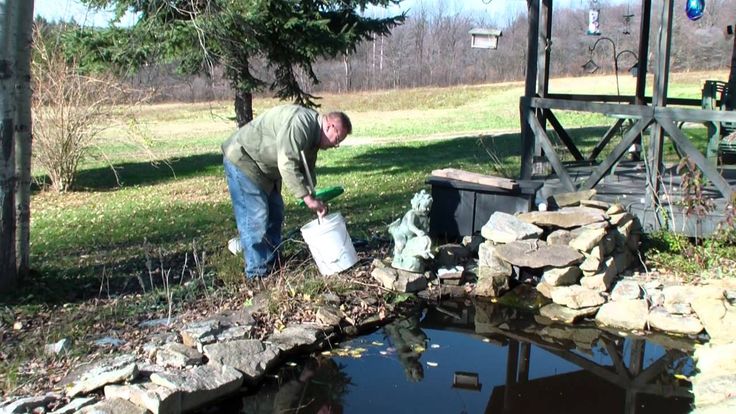
In conclusion, effective winterization of your koi pond combines thorough preparation, proper equipment management, and vigilant monitoring to ensure your koi remain healthy and your pond remains intact during winter. Implementing these practices will help you enjoy a vibrant pond landscape year-round with confidence and peace of mind.