Learning how to cycle a koi pond is essential for establishing a healthy aquatic environment that supports vibrant koi and clear water. Proper cycling ensures beneficial bacteria develop to break down harmful waste products, creating a balanced ecosystem that promotes the well-being of your fish from the outset.
This process involves preparing the pond correctly, selecting appropriate methods to initiate cycling, and diligently monitoring water quality. Understanding these steps will help you create a thriving habitat where your koi can flourish with minimal issues and maintenance.
Understanding the Importance of Cycling a Koi Pond
Properly cycling a koi pond is a fundamental step in establishing a healthy aquatic environment that supports the well-being of koi fish and maintains optimal water quality. The process involves preparing the pond to naturally handle waste and nutrient levels, laying the foundation for a balanced ecosystem.
By initiating the cycle correctly, pond owners can prevent common issues such as ammonia spikes, cloudy water, and disease outbreaks. This proactive approach ensures that the biological filtration system is effectively established, enabling koi to thrive in a clean and safe habitat. Recognizing the vital role of pond cycling underscores its significance in long-term pond management and fish health.
The Biological Processes Behind Pond Cycling
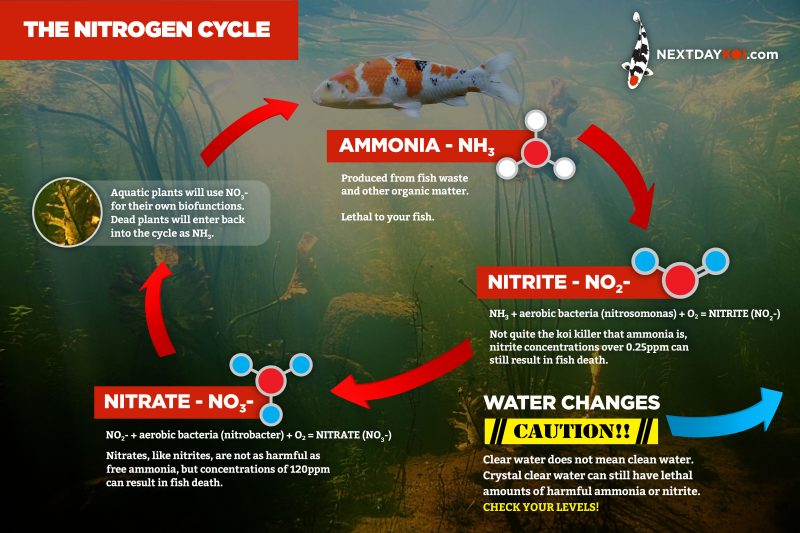
At the core of pond cycling is the development of beneficial bacteria that convert harmful substances into less toxic compounds. These bacteria form the biological filtration that keeps water parameters stable. The main processes involved are nitrification and ammonification, which transform fish waste and organic matter into benign substances that support a healthy pond environment.
Understanding these biological processes aids pond owners in managing the cycling stages effectively, ensuring a steady and safe maturation of the pond’s biological system. Establishing a robust bacterial colony is crucial for maintaining water clarity, reducing harmful toxins, and promoting the overall health of koi fish.
Stages of Pond Cycling, Methods, and Expected Outcomes
The process of cycling a koi pond proceeds through specific stages, each with distinct methods and expected outcomes. Recognizing these stages helps in monitoring progress and ensuring a successful setup.
| Stage | Methods | Expected Outcomes |
|---|---|---|
| Initial Setup | Fill the pond with dechlorinated water; add a source of ammonia or fish food to introduce organic waste; install biological media such as biofilters or filters with media | Introduction of organic matter; early bacterial colonization begins; water tests may show low or undetectable ammonia and nitrite levels |
| Establishment of Beneficial Bacteria | Allow time for bacteria populations to grow; add commercial bacterial supplements if necessary; maintain consistent water temperature and aeration | Ammonia and nitrite levels decrease as bacteria convert these substances; nitrate levels increase; water begins to stabilize |
| Cycle Completion | Monitor water parameters regularly; ensure ammonia and nitrite levels remain at zero; nitrates are present but controlled | The pond reaches a stable biological balance, ready for fish introduction; water quality is suitable for koi health |
“In a fully cycled pond, beneficial bacteria perform the vital role of transforming toxic waste products into harmless compounds, ensuring a safe habitat for koi and maintaining water clarity.”
Preparing the Koi Pond for Cycling
Proper preparation of the koi pond prior to cycling is a vital step to ensure a healthy environment for your koi fish and to facilitate an effective biological filter establishment. This process involves thorough cleaning, equipment setup, and organizing necessary materials to create an optimal starting point for the cycling process. A well-prepared pond minimizes potential issues such as algae overgrowth, debris accumulation, and unbalanced water chemistry, setting the stage for a successful and efficient cycle.
Taking the time to prepare your pond carefully ensures that the beneficial bacteria can establish quickly and maintain a stable environment, leading to healthier koi and reduced maintenance in the long run. The following guidelines Artikel essential steps, equipment, and a checklist to streamline your pond setup before initiating cycling.
Cleaning and Setting Up the Pond
Before beginning the cycling process, it is crucial to eliminate any debris, algae, and residues that may interfere with water quality or bacterial colonization. Proper setup involves arranging filtration systems, aeration devices, and ensuring the pond’s physical structure is sound. This preparation helps create a balanced ecosystem that supports biological filtration and minimizes stress on your koi fish.
Begin by removing any leaves, dirt, or leftover organic matter from the pond bottom and sides. Scrubbing the pond surfaces with a gentle brush or algae scraper helps prevent excessive algae growth during cycling. Check all plumbing and filtration components for cleanliness and proper functioning, replacing or repairing any damaged parts. Installing or verifying aeration equipment ensures sufficient oxygen levels, which are essential for beneficial bacteria and koi health.
Lastly, adjust the water level to the recommended height, typically about 2/3 full, to allow proper filtration flow and prevent overflow.
Equipment and Materials Needed for Initial Pond Preparation
An organized approach to setting up your pond includes gathering all necessary equipment and materials beforehand. This ensures a smooth and efficient preparation process, reducing the risk of overlooking critical components.
- High-quality pond netting or skimmer net for debris removal
- Garden hose with a spray nozzle for cleaning and water filling
- Algae scraper or pond brush for cleaning surfaces
- Water testing kits for pH, ammonia, nitrite, and nitrate levels
- Biological filtration system (e.g., biofilter, bio-balls, or ceramic media)
- Aeration devices such as air pumps and diffusers
- Replacement pond liner or pond paint (if needed for repairs)
- Items for pond decorations or plants, if desired
- Safe dechlorinator to treat tap water (if using city water)
- Water conditioner to neutralize harmful substances
Preparation Checklist for Pond Cycling
To streamline your pond setup, follow this organized checklist to ensure all critical steps are completed before initiating the cycling process.
- Inspect the pond structure for cracks, leaks, and damage, and perform repairs as necessary.
- Remove all debris, fallen leaves, and organic matter from the pond bottom and surfaces.
- Clean pond walls and any existing algae using appropriate tools; avoid harsh chemicals.
- Ensure the pond liner or sides are secure and in good condition to prevent leaks.
- Install or verify the functioning of filtration and aeration systems, making sure they are clean and properly connected.
- Fill the pond with water, using a garden hose, and treat with a dechlorinator if tap water is used.
- Test water parameters—pH, ammonia, nitrite, and nitrate—to establish baseline conditions.
- Adjust the water chemistry to optimal levels for koi, typically pH between 7.0 and 8.2.
- Set up additional biological media within the filter system to promote bacterial colonization.
- Introduce any aquatic plants or decorations, ensuring they are clean and safe for koi.
- Allow the pond environment to stabilize for at least 24-48 hours before introducing koi or starting the cycling process.
Methods to Initiate Pond Cycling
Establishing beneficial biological activity in a koi pond is essential for maintaining a healthy aquatic environment. Choosing the appropriate method to initiate pond cycling can influence the speed of establishing a stable ecosystem and impact the health of your koi. There are several approaches available, each with its unique benefits and considerations. Understanding these methods enables pond owners to select the most suitable approach based on their resources, time frame, and preference for natural or accelerated cycling processes.
In this section, we explore the primary methods used to initiate pond cycling, including fishless cycling, using live koi, and adding beneficial bacteria. Each method has distinct procedures, advantages, and disadvantages that influence the overall success and efficiency of establishing a thriving koi pond.
Fishless Cycling
Fishless cycling involves establishing beneficial bacteria in the pond without introducing any fish initially. This method is considered one of the safest approaches since it prevents stress or harm to koi during the initial cycling phase. It typically accelerates the process of building a stable biological filter, especially when using commercial bacterial products. Fishless cycling is particularly suitable for new pond setups or when introducing fish into an uncycled environment.
- Fill the pond with dechlorinated water and ensure proper filtration and aeration are in place.
- Add a source of ammonia, such as household ammonia or ammonium chloride, following the recommended dosage based on pond volume.
- Introduce a commercial bacterial product formulated for pond cycling, if desired, to boost bacterial colonies.
- Monitor ammonia, nitrite, and nitrate levels regularly using water testing kits.
- Once ammonia and nitrite levels spike and then decline to zero, and nitrates are present, the pond has completed its cycle.
Advantages: Faster establishment of beneficial bacteria, no risk to fish, more control over ammonia levels.
Disadvantages: Requires careful monitoring of ammonia levels, may need chemical supplementation, and some pond owners prefer a fishless environment for initial setup.
Using Koi for Pond Cycling
Introducing koi directly into a new pond can help naturally develop beneficial bacteria, mimicking a mature pond environment. This method is often preferred by hobbyists who wish to create a biologically active pond with their existing fish. It relies on the koi’s waste to supply ammonia, which bacteria convert into nitrites and nitrates, completing the cycling process over time.
- Set up the pond with proper filtration, aeration, and dechlorinated water.
- Add a small number of koi, ideally healthy and quarantined, to the pond.
- Monitor water parameters daily, focusing on ammonia, nitrite, and nitrate levels.
- Perform partial water changes if ammonia or nitrite levels become dangerously high to protect the koi.
- Allow the biological filter to establish naturally over several weeks, observing a decrease in ammonia and nitrites.
Advantages: Natural process, beneficial for experienced hobbyists, minimal chemical use.
Disadvantages: Risk of koi stress or health issues if ammonia or nitrite spikes become severe, longer cycle duration, potential loss of koi if not properly managed.
Adding Beneficial Bacteria
Utilizing commercial beneficial bacteria products accelerates pond cycling by introducing a concentrated culture of bacteria directly to the pond. This method offers a compromise between fishless cycling and using koi, providing a quick boost to bacterial colonies without the need for fish or chemical ammonia sources.
- Fill the pond with dechlorinated water and set up filtration and aeration systems.
- Add the recommended amount of beneficial bacteria product according to the manufacturer’s instructions.
- Mix the bacteria into the water evenly, ensuring good circulation.
- Monitor water parameters regularly, observing ammonia and nitrite levels.
- Repeat bacterial doses if instructed, particularly in the first few weeks, to maintain bacterial populations.
- Once ammonia and nitrite levels stabilize at zero and nitrates appear, the pond is ready for fish.
Advantages: Rapid bacterial establishment, safer for pond inhabitants, easy for beginners.
Disadvantages: Cost of bacterial products, requires ongoing monitoring, may not fully replicate mature biological cycles without additional steps.
Comparison Table of Pond Cycling Methods
| Method | Speed | Risk to Fish | Control Over Process | Ease of Use | Cost |
|---|---|---|---|---|---|
| Fishless Cycling | Fast | None | High | Moderate | Moderate |
| Using Koi | Moderate to Slow | Potential stress or harm if not managed | Low | Moderate | Low to Moderate (cost of fish) |
| Adding Beneficial Bacteria | Fast | None | Moderate to High | High | Variable (product cost) |
Monitoring Water Quality During Cycling
Effective monitoring of water quality is essential during the cycling process of a koi pond. It ensures that the biological filtration is progressing correctly and helps prevent the buildup of toxic substances that can harm your koi and compromise water clarity. Regular testing allows for timely interventions, maintaining a safe environment as beneficial bacteria establish and mature.
Understanding the key parameters—ammonia, nitrite, nitrate, and pH—provides insights into the biological balance within the pond. Tracking these levels consistently enables pond keepers to evaluate the progress of the cycling process accurately and determine when the pond has fully cycled and is safe for koi habitation.
Parameters to Track
Monitoring specific water quality parameters during pond cycling provides vital data on the biological filtration process. Each parameter reflects a different aspect of water chemistry and biological activity, guiding adjustments to maintain optimal conditions.
- Ammonia (NH₃/NH₄⁺): This is the initial waste product from fish and decomposing organic matter. Elevated ammonia levels indicate insufficient bacterial colonies to convert waste. During cycling, ammonia levels should gradually decrease to near zero.
- Nitrite (NO₂⁻): Produced when ammonia is converted by Nitrosomonas bacteria. Elevated nitrite is toxic to koi. Monitoring allows you to observe the establishment of nitrite-consuming bacteria.
- Nitrate (NO₃⁻): The final product of the nitrogen cycle, less toxic but indicative of biological activity. Nitrate levels typically increase over time; maintaining appropriate levels through water changes is essential.
- pH Level: Indicates acidity or alkalinity of the water. Stable pH (around 7.0–8.0) is important for bacterial efficiency and koi health. Fluctuations should be minimized during cycling.
Water Testing Record Template
Consistent documentation of water parameters helps track the progress of pond cycling and identify potential issues early. A standardized recording table simplifies data interpretation and provides a clear overview of trends over time.
| Date | Ammonia (ppm) | Nitrite (ppm) | Nitrate (ppm) | pH | Notes |
|---|---|---|---|---|---|
| 2024-10-01 | 2.0 | 0.0 | 10 | 7.4 | Initial test, ammonia high, nitrite absent |
| 2024-10-02 | 1.5 | 0.2 | 12 | 7.5 | Ammonia decreasing, nitrite rising |
| 2024-10-03 | 1.0 | 0.5 | 15 | 7.5 | Progressing, nitrite approaching peak |
| 2024-10-04 | 0.5 | 1.0 | 20 | 7.6 | Ammonia low, nitrite high, nitrate increasing |
Interpreting test results involves observing trends over time. A successful cycle typically shows ammonia and nitrite levels dropping to zero, with nitrate accumulating gradually. When ammonia and nitrite remain consistently at zero across multiple days, and nitrate levels are rising steadily, the pond has likely completed cycling.
Once ammonia and nitrite levels stabilize at zero and nitrate remains within acceptable ranges (generally below 50 ppm for koi ponds), it indicates that the biological filtration is fully established. Maintaining stable pH levels throughout this process is equally crucial, as fluctuations can hinder bacterial activity and prolong cycling.
Maintaining Proper Conditions During Cycling
Ensuring optimal environmental conditions during pond cycling is critical for establishing a healthy biological filter and supporting the growth of beneficial bacteria. Proper temperature, adequate aeration, and appropriate light exposure create an environment conducive to bacterial colonization, ultimately leading to a stable and balanced koi pond ecosystem. Maintaining these conditions throughout the cycling process helps prevent common issues such as ammonia spikes, oxygen depletion, and bacterial die-off, ensuring a smoother transition to a fully cycled pond.
By carefully managing these parameters and employing effective water treatment methods, pond keepers can significantly enhance the efficiency and success rate of the cycling process. Consistent monitoring and adjustments are essential for fostering a thriving biological environment that supports healthy koi and water quality over the long term.
Guidelines for Temperature, Aeration, and Light Exposure
Optimal cycling conditions depend heavily on maintaining the right temperature, sufficient aeration, and appropriate light exposure, all of which influence bacterial activity and growth. The key is to create a stable environment that promotes rapid bacterial colonization while preventing stress on the pond’s aquatic life.
- Temperature: Maintain water temperatures between 68°F and 77°F (20°C to 25°C). Bacteria responsible for biological filtration are most active within this range. Temperatures below 60°F (15°C) slow bacterial growth, while temperatures above 85°F (29°C) can stress koi and other aquatic organisms.
- Aeration: Ensure continuous oxygen supply using aerators, air stones, or waterfalls. Adequate oxygen levels are vital for bacteria metabolism and to prevent oxygen depletion, especially during initial cycling when bacterial populations are establishing.
- Light Exposure: Moderate light exposure supports photosynthesis necessary for plant life and aids in maintaining oxygen levels. However, excessive direct sunlight can lead to algae blooms and temperature fluctuations, so providing shaded areas or partial shading is beneficial.
Methods to Optimize Water Conditions
Implementing practical methods to improve water conditions enhances bacterial development and overall pond health during cycling. These methods help maintain consistent water quality and prevent common issues that may arise during this delicate phase.
- Aerators and Air Stones: Use high-quality aerators to increase dissolved oxygen levels, which is essential for bacterial growth and koi respiration. Position air stones strategically to maximize oxygen dispersion throughout the pond.
- Biofilters: Incorporate biofilters designed to facilitate bacterial colonization. These filters provide a large surface area for bacteria to attach and thrive, accelerating the cycling process.
- Water Movement: Gentle water circulation created by pumps or waterfalls prevents stagnation, promotes oxygen exchange, and supports uniform bacterial distribution.
- Partial Water Changes: Regularly replace a small portion of pond water with dechlorinated fresh water to dilute toxins and support stable water parameters, especially if ammonia or nitrite levels rise unexpectedly.
Common Issues During Cycling and Troubleshooting Tips
The cycling process can sometimes encounter challenges that impede progress or threaten pond stability. Recognizing these issues early enables effective intervention to maintain optimal conditions and ensure successful pond maturation.
- Ammonia and Nitrite Spikes: Sudden increases indicate insufficient bacterial activity. Address by increasing aeration, reducing feeding, and ensuring proper filtration.
- Low Oxygen Levels: Signs include surface agitation reduction and fish stress. Enhance aeration, add additional air stones, or increase water movement to boost dissolved oxygen.
- Algae Blooms: Excess sunlight or nutrient buildup can promote algae. Use shading, reduce feeding, and introduce beneficial bacteria to outcompete algae.
- Unpleasant Odors: Foul smells suggest poor water quality or anaerobic conditions. Perform partial water changes and improve aeration to restore balance.
Regular testing of ammonia, nitrite, nitrate, and oxygen levels allows early detection of issues, enabling timely adjustments to maintain proper cycling conditions.
Timeline and Indicators of Successful Pond Cycling
Understanding the typical duration and visual or chemical signals that indicate a pond has successfully cycled is essential for koi pond owners. Properly timed cycling ensures a healthy environment for koi fish, minimizing stress and preventing disease. The following information Artikels expected timeframes based on different cycling methods and highlights key signs that confirm a stable and mature biological balance in the pond.
Monitoring these indicators allows pond owners to determine when their koi pond has reached optimal conditions, ready for fish introduction or continued maintenance. Accurate assessment of cycling progress prevents premature stocking and ensures the pond’s ecosystem is resilient and sustainable in the long term.
Typical Timeframes for Pond Cycling
The duration of pond cycling can vary significantly depending on the method employed, water conditions, and the biological load. The main methods include fishless cycling, fish-in cycling, and the use of biological starters or beneficial bacteria.
| Cycling Method | Expected Timeframe | Notes |
|---|---|---|
| Fishless Cycling | 4 to 8 weeks | Utilizes ammonia addition; generally quicker as it avoids stress on fish. |
| Fish-In Cycling | 6 to 12 weeks | Requires careful ammonia and nitrite monitoring to prevent toxicity to koi. |
| Biological Starters/Bacteria Boost | 3 to 6 weeks | Accelerates the cycling process by introducing established beneficial bacteria. |
Visual and Chemical Indicators of Pond Maturity
Successful pond cycling is characterized by specific visual cues and stable chemical parameters. Recognizing these signs helps confirm that the biological filtration is functioning effectively before adding koi or increasing feeding levels.
Visual Indicators: Clear water, absence of algae blooms, and consistent activity of beneficial bacteria visible as a slight biofilm on surfaces.
Chemical Indicators: Ammonia and nitrite levels consistently at zero, with nitrate levels rising gradually. pH remains stable within the acceptable range (typically 7.0-8.0).
| Sign of Completion | Timeframe | Details |
|---|---|---|
| Ammonia and Nitrite Readings | Zero ppm over several days | Indicates that beneficial bacteria are effectively converting waste products. |
| Nitrate Levels | Gradual increase, stabilizing over time | Signals ongoing biological processing, with levels remaining manageable. |
| Water Clarity | Consistent clarity maintained for at least a week | Reflects a balanced biological and mechanical filtration system. |
| Stable pH | Multiple consecutive days | pH fluctuations should be minimal; stability indicates mature biological activity. |
By closely observing these timeframes and indicators, koi pond owners can ensure their aquatic environment is fully matured and ready to sustain healthy koi populations. Patience during this process is vital for establishing a resilient and thriving pond ecosystem.
Transitioning from Cycling to Koi Introduction
Successfully introducing koi fish into a newly cycled pond is a critical step that ensures the health and well-being of your aquatic inhabitants. Proper handling during this phase minimizes stress, reduces the risk of disease, and promotes a thriving koi environment. It requires careful planning and methodical execution to ensure the transition is smooth and safe for all involved.The process involves gradually acclimating the koi to the pond’s water conditions, especially temperature and water chemistry, to prevent shock and promote swift adaptation.
Equally important is monitoring the koi’s response and maintaining optimal water quality during and after introduction, establishing a foundation for a balanced, healthy pond ecosystem.
Gradual Acclimation of Koi to the Pond Environment
Introducing koi directly into a newly cycled pond without proper acclimation can lead to stress, illness, or mortality. Therefore, implementing a systematic approach to transition is vital. This includes matching water temperature closely, mixing pond water with transportation water, and observing the koi’s behavior during the process.To ensure a safe transition, follow these best practices:
- Start by floating the koi in a properly aerated container within the pond for about 15-20 minutes. This allows the fish to adjust gradually to the pond’s temperature without sudden shocks.
- Slowly add small quantities of pond water to the transport container over a period of 30-60 minutes. This water mixing process helps balance chemical differences and reduces osmotic stress, enabling the koi to acclimate to the pond’s water chemistry.
- Maintain gentle aeration in the transport container during the acclimation period to ensure adequate oxygen levels and reduce stress.
- Use a net to gently transfer koi from the transport container into the pond. Avoid pouring water or fish directly into the pond to prevent introducing potential contaminants or causing stress.
- Observe the koi closely after release for signs of stress, such as rapid gill movement, erratic swimming, or rubbing against surfaces. If such signs occur, provide a calm environment and monitor water parameters closely.
Proper acclimation minimizes the risks of shock and disease, fostering a healthy transition that benefits the koi and the pond ecosystem in the long run.
Ensuring a gradual and gentle introduction process is key to establishing a resilient and thriving koi population in your newly cycled pond.
Ultimate Conclusion
Successfully cycling your koi pond lays the foundation for a beautiful, healthy aquatic environment. By carefully following the right procedures and monitoring key water parameters, you can ensure your koi enjoy a safe and stable habitat. Maintaining patience and consistency during this process will lead to long-term enjoyment and a vibrant pond ecosystem.