Discover the art of seamlessly combining a koi pond with a patio to create a tranquil and visually stunning outdoor environment. This integration not only enhances the aesthetic appeal of your space but also offers functional benefits such as a calming ambiance and a natural habitat for aquatic life. By thoughtfully designing and selecting suitable materials, you can achieve a harmonious balance between water features and outdoor living areas.
Whether you are planning a new installation or renovating an existing space, understanding the key elements involved—from layout planning and material choices to landscaping and lighting—can help you craft a captivating and sustainable outdoor sanctuary that invites relaxation and enjoyment.
Overview of Integrating Koi Ponds with Patios
Combining a koi pond with a patio creates a harmonious outdoor space that enhances both visual appeal and functional usability. This integration offers a seamless transition between aquatic serenity and social comfort, transforming ordinary yards into captivating retreats. When thoughtfully designed, a koi pond becomes a focal point that elevates the overall landscape, providing a tranquil environment for relaxation and entertainment alike.
Blending koi ponds with patios not only boosts aesthetic value but also incorporates practical benefits such as increased property appeal and potential ecological advantages. The presence of water features can help moderate temperature variations, attract beneficial wildlife like birds and butterflies, and create a soothing ambiance with gentle water sounds. Successful integration relies on careful planning, ensuring that the pond complements the patio’s layout while maintaining safety, accessibility, and ease of maintenance.
Benefits of Combining a Koi Pond with a Patio
Integrating a koi pond into a patio setting offers many advantages that contribute to a serene and functional outdoor living space. The aesthetic appeal is significantly enhanced by the vibrant colors of koi fish, lush aquatic plants, and decorative stones that complement outdoor furniture and décor. The reflective water surface adds depth and tranquility, amplifying the visual impact of the surrounding landscape.
Functionally, a koi pond serves as an engaging focal point that encourages outdoor gatherings and leisure activities. The presence of water can also improve the microclimate of the patio, cooling the space during hot weather and providing soothing background sounds that mask urban noise. Additionally, a well-maintained koi pond can become a habitat for beneficial aquatic life, contributing to ecological balance in the garden.
Aesthetic and Functional Advantages of Integration
Designing a koi pond within a patio area allows for a captivating visual centerpiece that seamlessly blends natural elements with built environment features. The aesthetic benefits include the creation of a tranquil vista, the enhancement of landscape textures, and the opportunity to incorporate artistic elements such as waterfalls, lanterns, or decorative sculptures. Such features can be carefully arranged to harmonize with the overall patio layout, creating a cohesive and inviting atmosphere.
From a functional perspective, integrating a koi pond can serve multiple purposes beyond visual delight. It can act as a natural divider, delineating different zones within an outdoor space, or serve as a calming environment for meditation and relaxation. Strategically placed seating areas around the pond offer viewers a close-up experience of the aquatic activity, encouraging mindfulness and stress relief.
Properly designed, the pond can also facilitate easy access for maintenance and feeding, ensuring longevity and ongoing enjoyment.
Examples of Successful Koi Pond and Patio Designs
Many outdoor spaces exemplify the beauty and practicality of integrating koi ponds with patios through innovative design. For instance, a Japanese-inspired garden may feature a koi pond with a small wooden bridge arching over it, surrounded by lush bamboo and stone lanterns, creating an authentic and serene atmosphere. The patio area adjacent to this pond includes comfortable seating and a shaded pergola, encouraging leisurely afternoons spent enjoying the view.
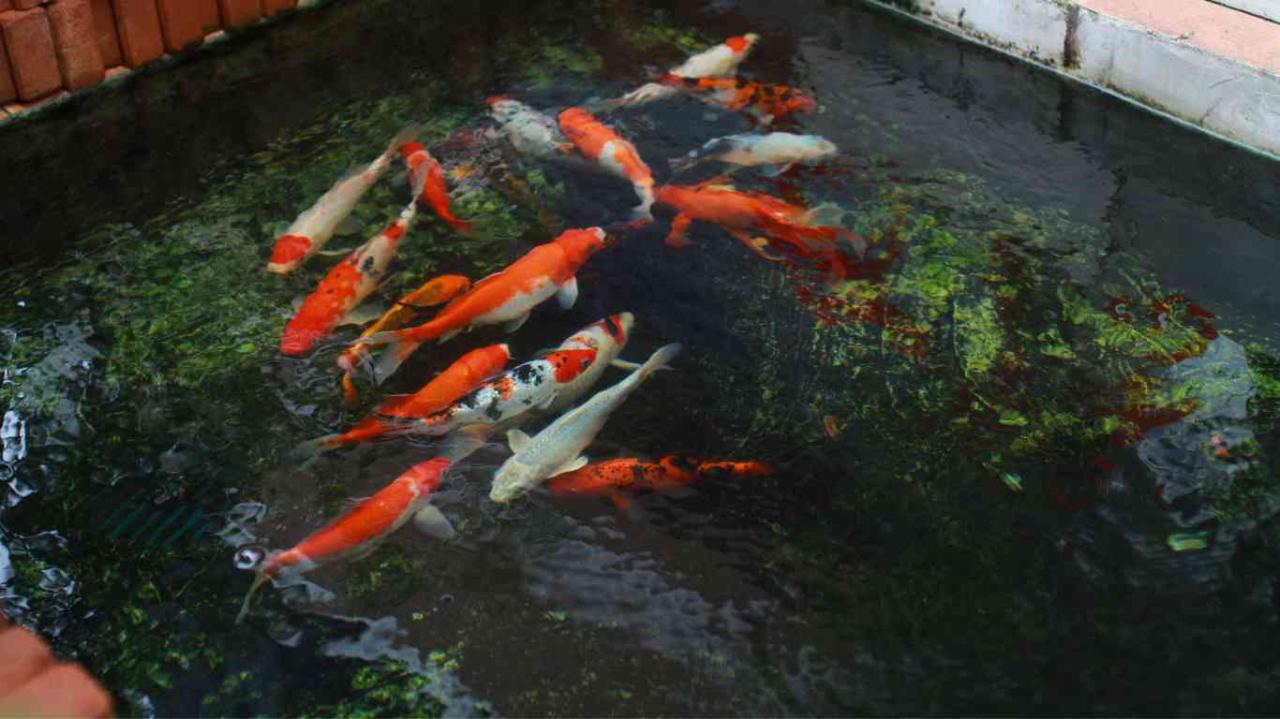
In a contemporary urban backyard, a sleek rectangular koi pond is integrated into a concrete patio with minimalist furniture. The pond is lined with smooth, dark slate tiles that contrast beautifully with the vibrant orange and white koi. An embedded waterfall adds a gentle soundscape, while LED lighting highlights the fish and aquatic plants at night, transforming the space into an elegant outdoor lounge.
Another example involves a rustic patio design where a freeform koi pond is accentuated by natural stones and cascading waterfalls. Surrounding the pond are native plants and a stone pathway, guiding visitors along the water’s edge. This design emphasizes harmony with nature and creates a peaceful retreat that invites relaxation and reflection, blending functional outdoor living with natural beauty.
Planning and Designing the Koi Pond and Patio Layout
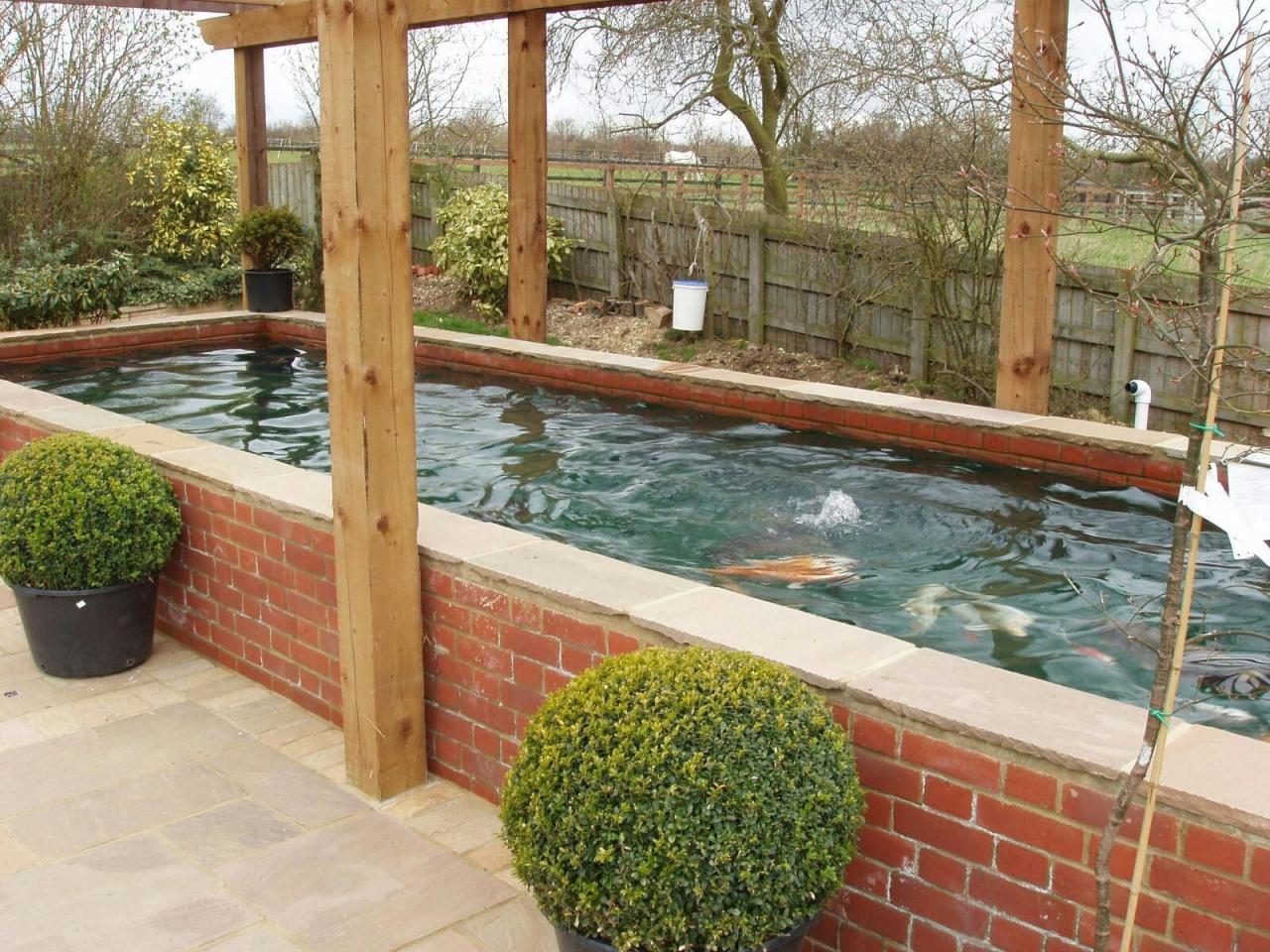
Effective integration of a koi pond with a patio requires meticulous planning and thoughtful design to ensure harmony, functionality, and aesthetic appeal. This process involves balancing visual interest with practicality, creating a seamless transition between water features and outdoor living spaces. Proper planning not only enhances the overall landscape but also promotes the health of aquatic life and comfort for users.
A well-designed layout considers various elements such as location, size, shape, and the interplay of materials. These considerations influence the visual harmony and operational efficiency of the combined features. Establishing a harmonious relationship between the pond and patio fosters a tranquil environment that can be enjoyed throughout the year, encouraging relaxation and socialization.
Designing a Harmonious Layout for Koi Ponds and Patios
Achieving a balanced integration involves several key steps that ensure both features complement each other without overwhelming the space. The initial step is to assess the existing landscape, considering sunlight exposure, proximity to existing structures, and accessibility. It is essential to decide on a layout that allows natural flow and movement, with the pond serving as a focal point or a subtle enhancement, depending on the desired aesthetic.
Next, the layout should prioritize functional zones—such as seating areas, pathways, and plantings—that harmonize around the pond. Factors like ease of maintenance, safety, and accessibility also influence design choices. Incorporating layered plantings around the pond can soften edges, while strategic placement of lighting enhances visual appeal during evening hours. Ultimately, the design must reflect personal preferences, local climate, and landscape conditions to create a cohesive and inviting outdoor space.
Considerations for Location, Size, and Shape
Determining the optimal location, size, and shape of the koi pond relative to the patio is critical for aesthetic harmony and practical functionality. The location should maximize sunlight exposure for aquatic plant growth and fish health, typically requiring at least 4-6 hours of direct sunlight daily. Additionally, proximity to the patio encourages interaction and easy maintenance, but should also consider shade options to prevent excessive algae growth.
Size considerations involve balancing visual impact with available space. Larger ponds offer more habitat for koi and create a striking focal point, yet they require more maintenance and resources. Smaller ponds can still be visually appealing if well-designed, serving as intimate water features to complement smaller patios.
The shape of the pond influences the overall aesthetic. Organic, freeform ponds mimic natural water bodies and blend seamlessly into naturalistic landscapes. Geometric shapes, such as rectangles or circles, lend a modern and structured look, suitable for contemporary patios. The shape should also facilitate easy access for cleaning, fish care, and landscaping elements.
Design Options Comparison Table
The following table provides a comparative overview of different design configurations for koi ponds integrated with patios, highlighting key dimensions, materials, and visual appeal.
| Design Option | Dimensions | Materials | Visual Appeal |
|---|---|---|---|
| Naturalistic Pond | Large, irregular shape, approximately 10-15 ft in length and width | Flagstone or natural slate, pond liner with natural textures | Blends seamlessly into landscape, mimics natural water bodies, offers a tranquil appearance |
| Formal Geometric Pond | Rectangular or circular, 6-10 ft in diameter or length | Concrete or fiberglass with sleek finishes, stone edging | Modern, structured look ideal for contemporary patios, creates a bold statement |
| Stream-Integrated Pond | Variable, typically 8-12 ft long with flowing channels | Concrete or flexible liner with natural stone, small waterfalls included | Dynamic visual movement, enhances soundscape, resemblance to natural streams |
| Container or Modular Pond | Small, 2-4 ft in diameter or length | Fiberglass or portable pond kits, decorative pots or tubs | Flexible placement, ideal for limited spaces, offers a charming and casual appeal |
Selecting Materials for Construction
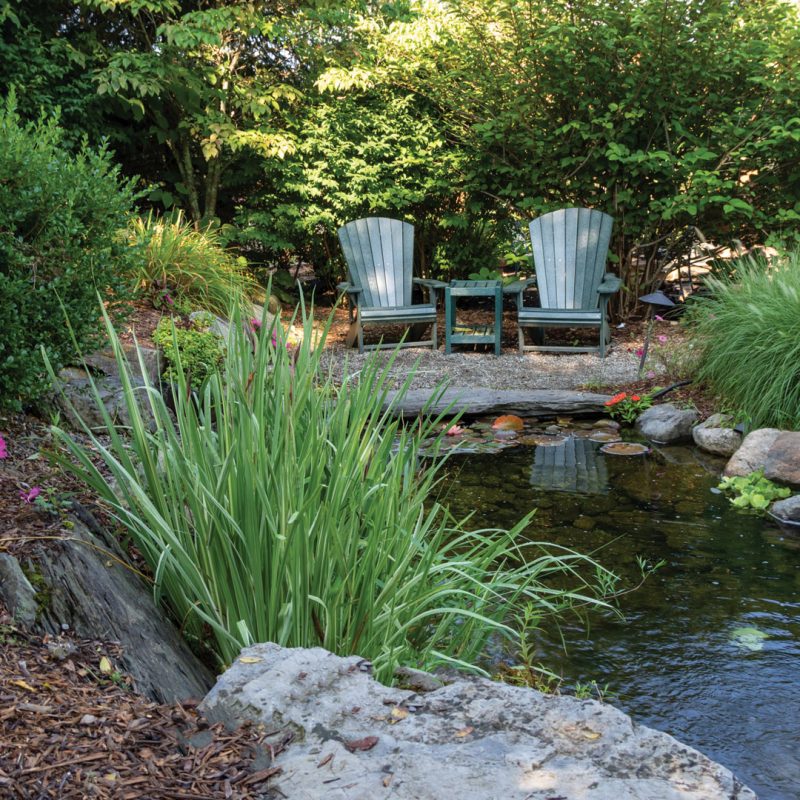
Choosing the right materials for constructing a koi pond and integrating it seamlessly with your patio is essential for durability, aesthetics, and long-term maintenance. The materials must withstand environmental elements while complementing the overall design of your outdoor space. An informed selection process enhances the visual appeal and ensures the longevity of the pond and patio features.
In this section, we will explore suitable materials that balance functionality and style, focusing on those that are weather-resistant, durable, and visually harmonious with various patio surfaces. The goal is to provide options that meet different design preferences and budget considerations, ensuring your koi pond and patio combination remains beautiful and resilient over time.
Materials for Pond Construction and Edging
For the construction of koi ponds, selecting materials that are non-toxic, waterproof, and resistant to algae growth is vital. The pond’s edges and surrounding patio flooring should also be constructed with materials that resist weathering, UV damage, and wear from foot traffic or outdoor elements. The following table presents a variety of material options, highlighting their advantages, disadvantages, and ideal applications.
| Material Options | Pros | Cons | Recommended Uses |
|---|---|---|---|
| Concrete |
|
|
Pond foundations, edging, and integrated patio slabs where durability is prioritized. |
| Natural Stone |
|
|
Edging around the pond and patio surfaces to achieve a natural look with high durability. |
| Interlocking Pavers |
|
|
Patio flooring and edging around pond areas where ease of maintenance and aesthetics are desired. |
| Flexible Vinyl Liners |
|
|
Lining ponds where flexibility and ease of installation are priorities, especially for complex shapes. |
When selecting materials, consider the climate of your location, the size and shape of your pond, as well as your stylistic preferences. Combining robust, weather-resistant materials with aesthetic appeal will ensure your koi pond and patio remain functional and attractive for years to come.
Integrating Water Features with Patio Elements
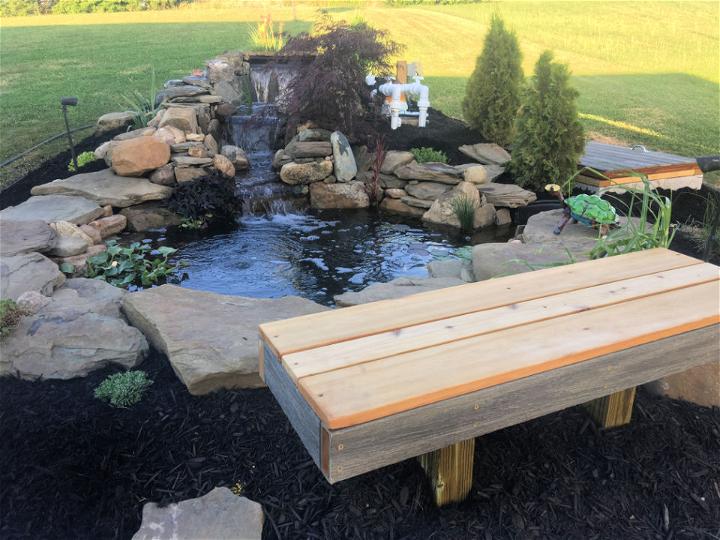
Incorporating water features such as waterfalls, streams, or fountains into your patio design enhances the aesthetic appeal and creates a soothing ambiance that complements a koi pond. Seamlessly blending these elements requires thoughtful planning to ensure both visual harmony and functional efficiency, resulting in a tranquil outdoor space that invites relaxation and enjoyment.
Effective integration involves selecting suitable water features that align with the overall landscape theme, designing installation methods that prioritize safety and durability, and choosing decorative elements that unify the pond with the surrounding patio environment. This comprehensive approach ensures that water features become focal points without disrupting the natural flow of your outdoor living area.
Methods to Incorporate Waterfalls, Streams, or Fountains into the Patio Design
Incorporating waterfalls, streams, or fountains into a patio design involves strategic placement and careful planning to create a naturalistic and harmonious environment. These features can serve as visual focal points, create soothing sounds, and enhance the overall ambiance of the outdoor space.
- Naturalistic Placement: Position waterfalls or streams near the koi pond to mimic natural watercourses. Elevate or lower certain sections of the patio to accommodate the flow, ensuring that water moves naturally and visually integrates with the pond.
- Material Compatibility: Use materials such as natural stone, pebbles, or decorative concrete that complement the patio surface and pond edges, creating a seamless transition between the elements.
- Design Cohesion: Incorporate design features like curved stream beds or tiered waterfalls that echo the shape and style of the patio, fostering visual unity across the space.
- Lighting Integration: Install underwater or landscape lighting to highlight water features during evening hours, adding depth and ambiance to the patio environment.
Procedures for Installing Water Circulation and Filtration Systems Aligned with Patio Aesthetics
Efficient water circulation and filtration are critical for maintaining a healthy koi pond and ensuring longevity of the water features. Proper installation should prioritize both functionality and aesthetic integration, avoiding disruption to the visual harmony of the patio.
- System Selection: Choose compact, energy-efficient pumps and filtration units that can be discreetly installed behind or beneath the water features to minimize visual clutter. For example, submersible pumps can be hidden within rocks or pond linings.
- Placement and Routing: Position pumps and filters to facilitate smooth water flow, routing pipes and cables beneath the patio surface or along designated conduits that blend with the landscape design.
- Aesthetic Concealment: Cover exposed equipment with decorative elements such as stones, plantings, or custom-built enclosures that match the patio’s design palette.
- Maintenance Accessibility: Design access points that allow easy servicing of pumps and filters without compromising the visual appeal. Employ removable panels, concealed hatches, or decorative covers for this purpose.
Decorative Elements to Seamlessly Blend the Pond into the Patio Environment
Decorative elements play a vital role in creating a cohesive look that integrates the koi pond with surrounding patio features. Thoughtful selection and placement of these elements enhance the sense of harmony and elevate the overall aesthetic experience.
- Natural Materials: Use materials such as river rocks, pebbles, or slate around the pond edges to mimic natural environments and soften transitions between the pond and patio surfaces.
- Vegetation: Incorporate lush, low-maintenance plants like aquatic grasses, lilies, or border shrubs that complement the water features and provide visual interest while disguising structural components.
- Lighting Accents: Integrate ambient lighting, such as lanterns or LED fixtures, around the pond perimeter and water features to highlight decorative elements and create a warm, inviting atmosphere at night.
- Furniture and Accessories: Select patio furniture and decorative accessories that reflect natural tones and materials, ensuring they harmonize with the water features and enhance the overall outdoor aesthetic.
Landscaping and Plant Selection Around the Pond and Patio
Creating a harmonious landscape around your koi pond and patio enhances the visual appeal while supporting the ecosystem’s health. Thoughtful plant selection not only adds aesthetic value but also contributes to water quality and habitat diversity. Integrating aquatic and terrestrial plants strategically around the area fosters natural transitions and creates a tranquil environment that complements your outdoor living space.Plants serve multiple functions in this setting, including providing shade to control algae growth, offering shelter for pond inhabitants, and softening hardscape edges to create seamless visual flow.
Selecting the right species and implementing effective planting techniques can transform your backyard into a lush, inviting retreat that balances beauty with ecological benefits.
Suitable Aquatic and Terrestrial Plants for the Area
The success of integrating a koi pond with a patio largely depends on choosing appropriate plants that thrive in their specific environments. Aquatic plants help oxygenate the water, provide cover for fish, and reduce algae, while terrestrial plants enhance landscape aesthetics and stabilize soil around the pond and patio.When selecting plants, consider their growth habits, maintenance needs, and compatibility with local climate conditions.
Native species are often preferable, as they are adapted to the environment and support local wildlife. Incorporating a mix of aquatic and terrestrial plants creates a vibrant, balanced ecosystem that promotes biodiversity and visual harmony.
- Aquatic Plants: Water lilies, lotus, submerged oxygenators like hornwort and elodea, and floating plants such as water hyacinth and duckweed.
- Terrestrial Plants: Grasses like sedges and rushes, ornamental grasses such as fountain grass, shrubs like Japanese pieris, and perennial flowers including hostas and daylilies.
Organizing Planting Strategies for Seamless Transitions
Achieving natural transitions between the pond and patio areas involves strategic placement and layering of plants. Grouping plants based on their water affinity and growth requirements creates a cohesive landscape that appears organic rather than artificially segmented.Design techniques include planting marginal plants along the pond edges to soften the boundary, using taller plants behind shorter ground covers for depth, and incorporating terraced planting beds to elevate terrestrial vegetation around the water feature.
These approaches help create visual flow, making the transition between water and land appear effortless and inviting.
“Layered planting, with taller plants at the back and shorter, ground-hugging species at the front, enhances depth and visual interest in the landscape.”
Examples of Plant Types, Placement Techniques, and Maintenance Tips
Effective plant placement and ongoing care are essential for maintaining a vibrant, healthy pond and patio environment. Proper selection and positioning ensure plants thrive while supporting the overall landscape design.
- Plant Types: Use water lilies and lotus at the pond center for floating displays; marginals like cattails and pickerel rush along the shoreline; terrestrial perennials such as hostas and ferns in shaded patio beds; ornamental grasses like fountain grass to add texture and movement.
- Placement Techniques: Position floating plants on the water surface for shade; install marginal plants in shallow zones with gravel or soil; situate taller shrubs or grasses at the back of the planting beds to frame the space; use natural stones or edging to delineate zones subtly.
- Maintenance Tips: Regularly remove dead or decaying plant matter to prevent water quality issues; prune terrestrial plants to promote healthy growth; ensure aquatic plants don’t overgrow and block sunlight; monitor for pests or diseases, and fertilize appropriately to maintain vigor.
Lighting and Safety Considerations
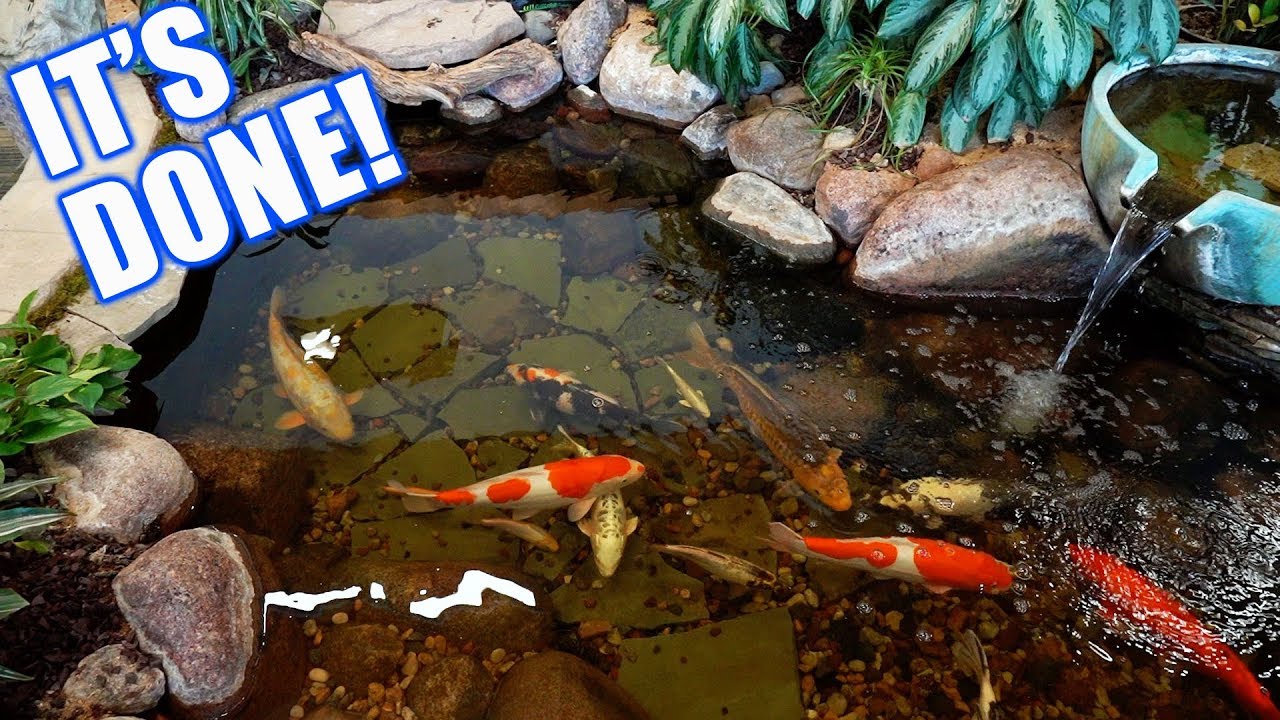
Creating a harmonious and inviting outdoor space that seamlessly integrates a koi pond with a patio requires careful attention to lighting and safety. Proper illumination not only enhances the aesthetic appeal during evening hours but also ensures functionality and security. Equally important are safety measures that prevent accidents and protect electrical components, especially given the proximity of water features. Thoughtful planning in these areas contributes to a safe, visually stunning, and enjoyable outdoor environment for family and guests alike.Effective lighting plays a crucial role in highlighting the pond’s natural beauty, emphasizing water movement, and illuminating key patio features such as seating areas, pathways, and decorative elements.
Properly designed lighting schemes can create a tranquil, enchanting atmosphere after sunset while maintaining safety. Simultaneously, implementing safety protocols minimizes risks associated with water and electrical components, ensuring the longevity of the features and the safety of users.
Lighting Strategies for Pond and Patio Features
Strategic lighting enhances the visual appeal of the pond and patio, creating focal points and mood lighting that accentuate the space’s key elements. The goal is to provide sufficient illumination without causing glare or light pollution, fostering a welcoming ambiance.
- Use underwater LED lights within the pond to illuminate the water and showcase koi fish, creating a captivating glow that highlights water movement and aquatic life.
- Install pathway lighting along patio walkways or deck edges with low-voltage fixtures to guide movement safely and prevent trips.
- Incorporate accent lights on decorative features such as waterfalls, fountains, or sculptures to draw attention and add depth.
- Employ soft, warm-toned lighting around seating areas to promote relaxation, using fixtures like lanterns or string lights.
- Consider dimmable lighting options to adjust brightness based on the time of day or mood desired, enhancing versatility.
Electrical Safety and Water Feature Precautions
Given the presence of water features, rigorous safety measures are essential to prevent electrical hazards and ensure the durability of lighting and equipment. Proper installation, grounding, and maintenance protocols are vital in safeguarding residents and protecting investments.
- All electrical components and fixtures should be rated for outdoor use, with waterproof or water-resistant enclosures that prevent moisture ingress.
- Use low-voltage lighting systems, such as 12V or 24V, which significantly reduce electrical shock risks and comply with safety standards.
- Install Ground Fault Circuit Interrupters (GFCIs) on all outdoor electrical outlets and circuits to automatically disconnect power when detecting leakage, preventing shocks.
- Ensure proper grounding of all fixtures and electrical wiring to reduce the risk of electrical faults.
- Schedule routine inspections of wiring, fixtures, and water features to identify and address wear, corrosion, or damage before they pose safety hazards.
Safety Protocols for Pond Depth, Edge Design, and Electrical Wiring
Implementing safety protocols helps mitigate common risks associated with integrated pond and patio environments, ensuring a secure space for all users.
- Pond Depth: Maintain a depth of no more than 3 feet in accessible areas to reduce drowning risks. Install safety signage indicating pond depth and caution, especially if children or pets are present.
- Edge Design: Design pond edges with gentle slopes rather than steep drops to facilitate safe entry and exit. Incorporate slip-resistant materials along the edge to prevent falls, especially during wet conditions.
- Electrical Wiring: Route wiring away from water runoff areas, using conduit systems to shield cables from damage. Verify all electrical connections are secure and waterproof. Employ certified professionals for installations to ensure compliance with local safety standards and regulations.
“Safety is the foundation of an enjoyable and sustainable outdoor living space. Proper lighting combined with rigorous safety protocols ensures that the beauty of your koi pond and patio can be appreciated without risk.”
Enhancing the Space with Decorative and Functional Accessories
Creating a harmonious and inviting outdoor area involves more than just the essential pond and patio setup. Thoughtfully selected decorative and functional accessories can elevate the aesthetic appeal, improve usability, and create a personalized oasis that reflects your style. Incorporating these elements ensures the space remains both beautiful and practical, encouraging relaxation and enjoyment for years to come.Decorative accessories serve as focal points and add character to your pond and patio.
These elements can highlight the natural beauty of the water feature, introduce artistic flair, and complement the overall design theme. Functional accessories, on the other hand, enhance convenience and comfort, allowing you to enjoy your outdoor space fully while maintaining its visual coherence.
Decorative Options to Enhance the Pond and Patio Area
The right decorative choices can create a captivating ambiance and bring your outdoor vision to life. Sculptures, lighting fixtures, and seating arrangements are popular options that add personality and charm.
- Sculptures and Art Pieces: Incorporate statues or artistic sculptures made from weather-resistant materials such as stone, metal, or ceramic. For example, a serene Buddha statue near the pond can promote tranquility, while abstract metal sculptures can add modern flair.
- Lighting Fixtures: Use diverse lighting options to highlight features and improve safety at night. Subtle underwater LED lights can illuminate the pond, creating a shimmering effect, while pathway lights or lanterns along the patio add warmth and visibility.
- Seating Arrangements: Select comfortable and stylish seating such as weatherproof benches, Adirondack chairs, or built-in stone seats. Arranging these around the pond enhances the space’s inviting nature and provides perfect spots for relaxation or social gatherings.
Incorporating Functional Elements for Practicality
Functional accessories not only complement the aesthetic but also increase the usability of your outdoor space. Thoughtfully designed features can provide shade, storage, and organization, making your patio more versatile and comfortable.
Effective integration of functional components ensures your outdoor area remains clutter-free and adaptable to various needs:
- Shade Features: Incorporate pergolas, umbrellas, or retractable awnings to shield seating areas from harsh sun or unexpected rain, enhancing comfort during outdoor activities.
- Storage Solutions: Include weatherproof storage benches or built-in cabinets for gardening tools, pond maintenance equipment, or cushions. These help keep the space tidy and accessible.
- Multi-Functional Furniture: Use furniture pieces that combine seating with storage or have foldable components to maximize space efficiency, especially in smaller yards.
Examples of Accessories that Complement the Pond and Patio Integration
Combining decorative and functional elements harmoniously enhances both the visual appeal and practicality of your outdoor area. Consider these accessories as part of your design plan:
- Decorative Stone or Pebble Borders: Frame the pond with natural stone edging or colorful pebbles to create a polished look that blends seamlessly with surrounding landscaping.
- Waterproof Outdoor Rugs: Add texture and comfort under seating areas, with designs that resist moisture and enhance the overall aesthetic.
- Ambient Lanterns and String Lights: Hang string lights or place decorative lanterns along pathways and seating zones to create a cozy, inviting atmosphere at dusk.
- Planters and Water-Resistant Pots: Use decorative planters to introduce lush greenery or vibrant flowers around the pond and patio, enriching the natural environment.
- Outdoor Fire Pits or Heaters: Incorporate fire features for warmth during cooler evenings, extending the usability of your outdoor space well into the seasons.
Integrating these accessories thoughtfully ensures your pond and patio area is not only visually stunning but also highly functional, fostering a space of relaxation, entertainment, and natural beauty.
Conclusive Thoughts
Incorporating a koi pond with your patio transforms your outdoor space into a peaceful retreat that marries beauty with functionality. By paying attention to design details, safety, and maintenance, you can enjoy a stunning environment that provides ongoing pleasure and serenity. Thoughtful planning and creative touches will ensure your integrated pond and patio become the highlight of your outdoor living experience.