Maintaining a clean koi pond filter is essential for ensuring the health and vitality of your fish, as well as maintaining clear, vibrant water. Proper filtration supports biological balance, preventing harmful buildup and ensuring a thriving aquatic environment. Understanding the process of cleaning your koi pond filter is vital for both novice and experienced pond owners alike, helping to extend the lifespan of your equipment and promote a healthy pond ecosystem.
This guide provides comprehensive steps on how to effectively clean a koi pond filter, covering everything from preparation and removal to cleaning techniques and reassembly. By following these practices, you can ensure your filtration system functions efficiently, keeping your pond pristine and your koi happy.
Introduction to Koi Pond Filtration

A well-maintained koi pond relies heavily on an effective filtration system to ensure a healthy environment for the fish and to maintain clear, aesthetically pleasing water. The filtration process is fundamental in removing waste, excess nutrients, and debris, which, if left unchecked, can lead to poor water quality and health issues for the koi. Regular cleaning and maintenance of the pond filter are crucial to sustain optimal filtration performance and to prevent potential problems such as algae blooms, foul odors, and disease outbreaks among the fish.
Different types of koi pond filters serve various roles in maintaining water quality. Mechanical filters physically trap debris and particulate matter, preventing clogging and ensuring clear water. Biological filters facilitate the colonization of beneficial bacteria that break down toxic ammonia and nitrites, converting them into less harmful nitrates. Ultraviolet (UV) filters help control algae growth by exposing water to UV light, which kills free-floating algae and bacteria.
Understanding these filtration components enables pond owners to develop a comprehensive maintenance routine that supports the health of their koi and the clarity of their pond.
Signs Indicating the Need for Filter Cleaning
Monitoring the condition of the pond filter is essential for maintaining a healthy aquatic environment. Several signs can indicate that your filter requires cleaning or maintenance:
- Reduced Water Circulation: If the water flow from the filter appears sluggish or the pump is working harder than usual, it may be clogged or dirty, impairing filtration.
- Visible Debris and Particulates: Accumulation of debris, sludge, or floating particles around the filter intake or outflow suggests that it needs cleaning to restore efficiency.
- Unpleasant Odors: A foul smell emanating from the pond or filter area often indicates the buildup of organic waste and the need for cleaning.
- Algae Overgrowth and Water Cloudiness: Excessive algae growth or murky water can result from inadequate filtration due to a dirty filter.
- Increased Fish Stress or Illness: Poor water quality caused by clogged or malfunctioning filters can lead to stressed or sick koi, signaling the importance of regular maintenance.
Preparing to Clean a Koi Pond Filter

Proper preparation before cleaning your koi pond filter ensures that the process is efficient, safe, and environmentally friendly. Gathering the right tools and supplies ahead of time minimizes disruption to your pond’s ecosystem and helps prevent potential damage to the filtration system.
Effective filter maintenance begins with a well-organized approach, including safety measures and scheduling practices that support the health of your pond and its inhabitants. Implementing best practices for routine cleaning can significantly reduce the buildup of debris and contaminants, maintaining optimal water quality and ecosystem stability.
Gathering Necessary Tools and Supplies
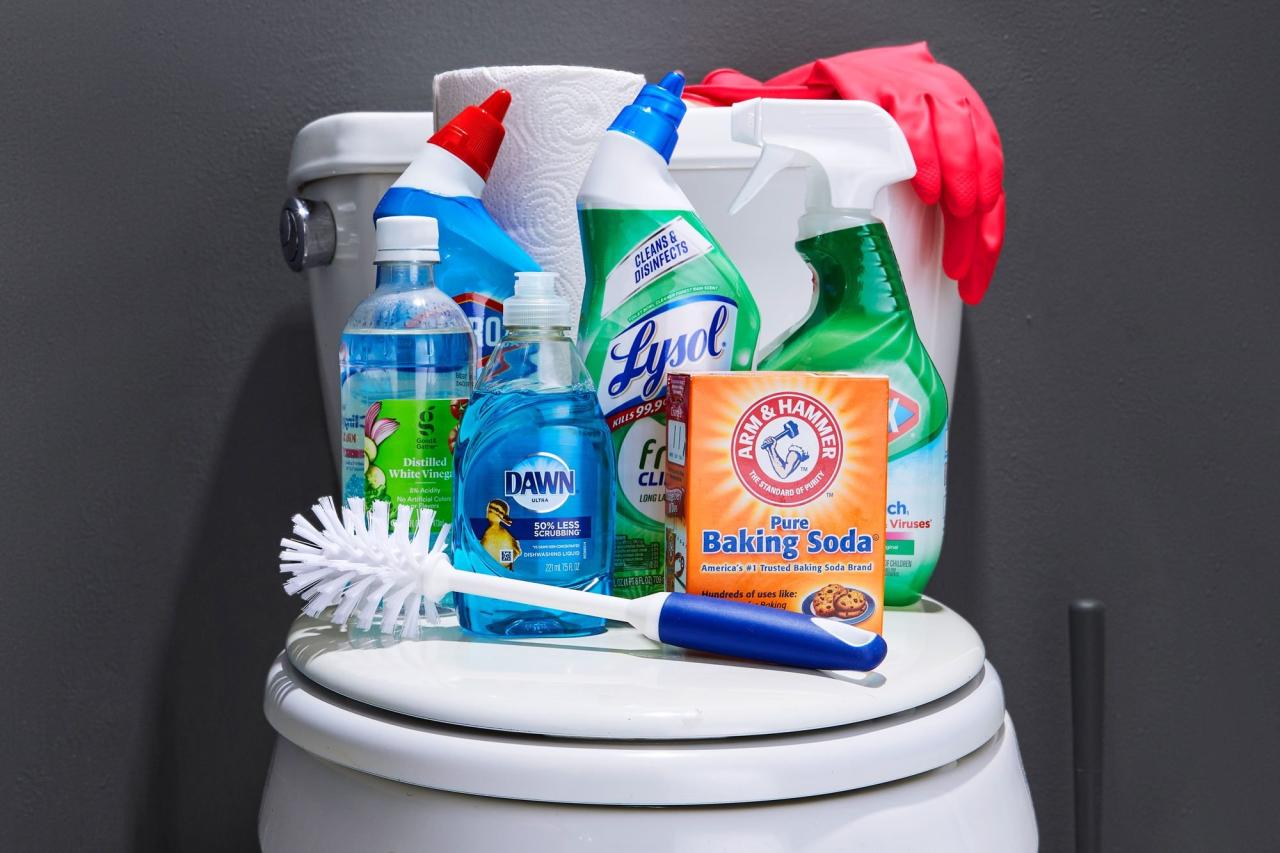
Having the appropriate tools and supplies ready before starting the cleaning process is essential for a smooth and effective operation. It helps avoid unnecessary delays and ensures that each step can be completed thoroughly.
Begin by assembling the key items required for cleaning:
- Soft-bristled brushes and scrubbers: To gently remove algae and debris from filter surfaces without damaging delicate components.
- Buckets or containers: For rinsing filter media and collecting dirty water, preventing cross-contamination.
- Garden hose with adjustable nozzle: To flush out dirt and debris, using a gentle flow to avoid damaging the filter.
- Water conditioning or dechlorination solutions: To treat tap water used in rinsing and prevent harmful chemicals from affecting pond life.
- Cleaning solutions: Environmentally safe and non-toxic cleaners designed specifically for pond filters or biological media.
- Gloves and safety goggles: For personal protection during cleaning, especially when handling chemicals or debris.
- Screwdriver or pliers: For disassembling filter components if necessary, ensuring that parts are properly handled and reassembled.
Preparing these tools and supplies beforehand streamlines the process and promotes a thorough cleaning without missing critical steps.
Safety Precautions and Environmental Considerations
Maintaining safety and environmental responsibility during filter cleaning is crucial for the well-being of both pond inhabitants and the surrounding ecosystem. Implementing proper precautions helps prevent accidents and minimizes ecological impact.
Key safety measures include:
- Turning off the pond pump: Before starting the cleaning, switch off all electrical equipment to prevent electrical hazards or damage to the system.
- Wearing protective gear: Gloves and goggles protect against splashes of dirty water or cleaning solutions.
- Handling chemicals carefully: Use only pond-safe and environmentally friendly cleaning agents, avoiding harsh chemicals that can harm fish or beneficial bacteria.
- Disposing of waste responsibly: Collect debris and used water in containers and dispose of them according to local regulations, preventing contamination of natural water sources.
Environmental considerations also involve using biodegradable cleaning solutions and conserving water during rinsing. Avoid overusing chemicals, and always opt for natural or pond-specific products that support ecological balance.
Scheduling Regular Filter Maintenance
Establishing a consistent schedule for filter cleaning is vital for maintaining crystal-clear water and a healthy pond environment. Regular maintenance prevents excessive buildup, reduces the risk of filter failure, and promotes optimal biological filtration.
Best practices include:
- Creating a maintenance calendar: Based on pond size, fish load, and filter type, typically every 4 to 6 weeks for biological filters and more frequently during peak algae growth periods.
- Monitoring water quality: Regular testing of parameters such as ammonia, nitrite, and nitrate levels helps determine when cleaning is necessary.
- Adjusting frequency based on conditions: During summer months or after heavy rainfall, increased debris may necessitate more frequent cleaning.
- Documenting maintenance activities: Keeping a log helps track patterns and ensures timely interventions, preventing neglect and potential pond issues.
Consistent scheduling not only preserves water clarity but also supports the biological health of your koi pond, ensuring a vibrant and thriving aquatic environment.
Removing the Filter from the Pond System

Safely removing the pond filter is a crucial step to ensure proper cleaning and maintenance without damaging the equipment or disrupting the aquatic environment. Proper procedures help maintain the longevity of the filter media and prevent unnecessary stress on the pond’s ecosystem. Whether dealing with mechanical or biological filters, following a systematic approach ensures efficiency and safety.
Careful disconnection and removal of the filter components help preserve delicate media, reduce the risk of damage, and facilitate thorough cleaning. It’s important to understand the specific type of filter installed in your pond to tailor the removal process effectively and ensure a smooth maintenance routine.
Proper Procedure for Turning Off and Disconnecting the Filter
Before attempting to remove the filter, it is essential to turn off the pond’s filtration system to prevent water flow and avoid damage or injury. This involves shutting down the pump and unplugging it from the electrical source. Disconnecting power first prevents electrical hazards and reduces the risk of the pump cycling on accidentally while handling the filter components. Once powered down, carefully close any valves or disconnect hoses connected to the filter, if applicable.
To prevent damage, ensure that the pump has completely stopped running before proceeding with removal. It is advisable to wait a few minutes after shutting down to allow the system to stabilize and any residual water to settle, making the removal process safer and cleaner.
Safely Removing Different Types of Filters
Different filters have specific handling requirements based on their design and media composition. Understanding these distinctions ensures that each type of filter is removed without causing damage or compromising its functionality.
- Sponge Filters: Typically located inside the pond or connected to the pump, sponge filters are easy to remove. Gently lift the sponge out of the filter chamber or pond. Handle with care to avoid tearing or deforming the sponge, as this material is delicate and vital for biological filtration.
- Cartridge Filters: Usually housed in a filter housing, cartridge filters can be carefully pulled out by grasping the edges. If the cartridge is tightly fitted, gently wiggle it free to prevent tearing. Wearing gloves can help grip the cartridge securely, and handling it gently prolongs its lifespan.
- Biological Filters: Often comprised of media such as bio-balls, ceramic rings, or specialized mats, biological filter media should be handled with care. Remove media components one at a time, supporting their structure to avoid crumbling or breakage. When removing bio-media, avoid excessive squeezing or twisting that might damage the beneficial bacteria colonies.
- Mechanical Filters: These filters trap debris and are usually straightforward to remove. Carefully lift out the debris chamber and rinse the mechanical media under clean water. If the media is integrated with biological media, handle both gently to preserve beneficial bacteria.
In all cases, supporting delicate media with both hands and avoiding abrupt movements helps prevent tearing or dislodging essential components. It is recommended to keep removed media submerged in pond water or a container of water from the pond to preserve the beneficial bacteria during cleaning or maintenance.
Tips for Handling Delicate Filter Media
Prolonging the lifespan of your filter media requires gentle handling and proper storage during cleaning. Biological media, such as ceramic rings or bio-balls, host beneficial bacteria critical for biological filtration. Damage to these components can set back pond health significantly.
- Handle media with damp hands or while submerged in pond water to prevent drying out and bacterial die-off.
- Use soft brushes or sponges to remove debris rather than harsh scrubbing, which can damage porous surfaces.
- Avoid squeezing or twisting biological media, as this can break apart the media and diminish beneficial bacteria populations.
- When rinsing, use pond or dechlorinated water to prevent killing off helpful bacteria. Avoid using tap water that contains chlorine or chloramine unless it has been neutralized.
Preserving beneficial bacteria during cleaning is vital for maintaining a healthy ecosystem and reducing cycle re-establishment time after maintenance.
Cleaning Methods for Various Filter Components
Effective maintenance of a koi pond filter is essential to ensure optimal water quality and a healthy environment for your koi. Different filter components require specific cleaning procedures to preserve their effectiveness and longevity. Proper cleaning techniques help prevent the buildup of debris, algae, and harmful bacteria while safeguarding beneficial microorganisms vital for biological filtration.
The following guidelines detail the appropriate methods for cleaning sponge filters, filter cartridges, and biological media. Emphasizing gentle handling and appropriate cleaning solutions, these procedures aim to maintain the delicate balance of beneficial bacteria and prevent chemical contamination that could harm your aquatic life.
Sponge Filters Cleaning Procedures
Sponge filters are versatile and highly effective in biological filtration. Regular cleaning prevents clogging while ensuring that beneficial bacteria remain active. The cleaning process involves rinsing and squeezing techniques that effectively remove debris without destroying the bacterial colonies attached to the sponge surface.
- Remove the sponge filter from the pond system carefully, avoiding damage to the material. Rinsing should be done in water taken directly from the pond to prevent bacterial die-off.
- Fill a container with pond water or dechlorinated tap water. Do not use soap, detergents, or chemical cleaners, as these can kill beneficial bacteria and introduce harmful residues.
- Submerge the sponge in the water and gently swish it around to dislodge debris. To avoid tearing the sponge, do not wring or squeeze it excessively. Instead, gently squeeze the sponge to expel dirt and excess water, repeating until the water runs clear.
- Return the cleaned sponge to the pond system promptly, ensuring it is properly seated in the filter chamber to resume biological filtration.
Cleaning Filter Cartridges and Biological Media
Filter cartridges and biological media are essential for mechanical filtration and supporting beneficial bacteria. Their cleaning process must be thorough yet gentle enough to preserve bacterial colonies, which are crucial for biological filtration. Using appropriate methods ensures that these media continue to function effectively without losing their beneficial bacterial populations.
- Remove the filter cartridge or biological media from the filtration unit carefully, handling with clean hands or gloves to minimize contamination.
- Rinse the media with pond water or dechlorinated water, avoiding the use of tap water that contains chlorine or chloramine, which can kill bacteria. If necessary, prepare a mixture of pond water and a gentle dechlorinating agent.
- Gently agitate the media to dislodge dirt and debris. For cartridges, lightly rinse the pleats or layers to maximize cleaning without stripping away all beneficial bacteria.
- If significant buildup occurs, soak the media briefly in a vinegar solution diluted with water (about 10%) to dissolve mineral deposits, then rinse thoroughly with pond water.
- Reinstall the cleaned media into the filter system promptly to maintain biological stability.
Safe Cleaning Solutions and Practices
Using safe cleaning solutions is critical to protect your koi and maintain a healthy pond ecosystem. Chemical cleaners or soaps can introduce toxins that harm fish and disturb beneficial bacteria. The most effective cleaning approach involves natural methods that utilize pond water and gentle solutions.
Always prioritize water-based and non-chemical cleaning methods to preserve the biological balance of your koi pond.
For stubborn mineral deposits or buildup, a diluted vinegar solution serves as a safe alternative. Ensure thorough rinsing to eliminate any residual acidity. Additionally, avoid using bleach, detergents, or other harsh chemicals, as these can linger in the media and pose risks to aquatic life. Regular maintenance and gentle cleaning techniques will help sustain a healthy and thriving koi pond environment.
Cleaning Tools, Methods, and Best Practices Summary
| Component | Cleaning Tools | Cleaning Methods | Best Practices |
|---|---|---|---|
| Sponge Filters | Soft brush, pond water, gloves | Rinse in pond water, gently squeeze, avoid wringing | Use pond water, handle gently, clean regularly |
| Filter Cartridges | Garden hose with spray nozzle, vinegar solution, gloves | Rinse with pond water, soak briefly in vinegar if needed, avoid tap water with chlorine | Handle with care, rinse thoroughly, replace if damaged |
| Biological Media | Soft brush, pond water, vinegar solution | Gentle rinsing, soak in diluted vinegar for deposits, avoid harsh chemicals | Clean in moderation to preserve beneficial bacteria, handle gently |
Restoring and Reassembling the Filter

After thoroughly cleaning each component of your koi pond filter, the next essential step is to carefully reassemble the system to ensure optimal performance and longevity. Proper reassembly not only guarantees that the filter functions efficiently but also prevents potential issues such as leaks or reduced water flow. Attention to detail during this process can significantly extend the lifespan of your filtration system and maintain a healthy environment for your koi fish.Reassembling your koi pond filter involves methodically putting each component back in place, ensuring that all parts are correctly aligned and securely fitted.
This process requires patience and precision, especially when handling delicate filter media and fittings. An improper reassembly can lead to malfunctions, compromising water clarity and pond health.
Proper Reassembly of Filter Components
The reassembly process begins with the careful inspection of all cleaned components to confirm they are free of debris or damage. Before starting, gather all parts including the filter media, housing, inlet and outlet fittings, and any additional accessories. Follow these steps to reassemble your filter effectively:
- Replace the filter media in the correct orientation, ensuring that each layer, such as mechanical and biological media, is properly positioned to maximize filtration efficiency.
- Secure the media within the filter housing, making sure that no gaps or misalignments exist that could allow unfiltered water to bypass the media.
- Reattach the housing components, tightening fittings and clamps evenly to prevent leaks while avoiding overtightening, which could crack plastic parts.
- Reconnect inlet and outlet hoses or pipes, ensuring they are firmly attached and sealed to prevent water loss or air leaks.
- Perform a visual check to confirm all parts are correctly positioned and securely fastened.
Inspecting Functionality Before Reinstalling
Prior to reinstalling the filter into the pond system, it’s vital to verify that each component operates correctly. This step minimizes the risk of system failure and ensures your koi pond remains healthy and clear.Begin by checking that all seals, gaskets, and connection points are in good condition and properly seated. Run the filter in a controlled environment, such as a bucket or temporary setup, to observe its operation.
Look for the following indicators:
- Consistent water flow without interruptions or unusual noises.
- Absence of leaks around fittings or seals.
- Proper functioning of any integrated pumps or aerators attached to the filter.
If any irregularities are detected, address them immediately—tighten fittings, replace worn seals, or reposition components as necessary. Ensuring the system is functioning correctly before full reinstallation helps prevent potential damage or pond health issues.
Gradual Reintroduction into the Pond System
Once the filter is confirmed to be functioning properly, reintroduce it into the pond system gradually. This approach protects your fish from sudden changes that could cause stress or shock.Begin by slowly opening valves or reconnecting hoses to allow water flow to resume gradually. Monitor the system closely during this process for any signs of leaks or abnormal operation. It is advisable to run the filter for a few hours in this staged manner, observing water clarity and flow rate.If the filter is part of a multi-component system, consider starting with the main unit and then gradually adding additional components or flow adjustments.
Providing your koi with time to acclimate to the reestablished filtration helps maintain their health and minimizes environmental disturbances.
Epilogue
Regular maintenance and proper cleaning of your koi pond filter are key to sustaining a beautiful and healthy pond. Implementing a consistent cleaning schedule and following best practices will help prevent common issues and keep your aquatic environment in optimal condition. With diligent care, your koi pond will continue to flourish, offering a serene and vibrant aquatic display for years to come.