Understanding how to treat koi fish diseases is essential for maintaining a vibrant and healthy pond ecosystem. Early recognition and appropriate intervention can make the difference between recovery and permanent health issues in your koi. This guide aims to provide comprehensive insights into identifying, preventing, and effectively treating common ailments that affect these cherished aquatic creatures.
From recognizing symptoms to implementing natural remedies or medical treatments, mastering the art of koi disease management ensures your fish thrive and your pond remains a beautiful, balanced environment. Proper care and timely action are key to safeguarding your koi’s health and longevity.
Understanding Common Koi Fish Diseases
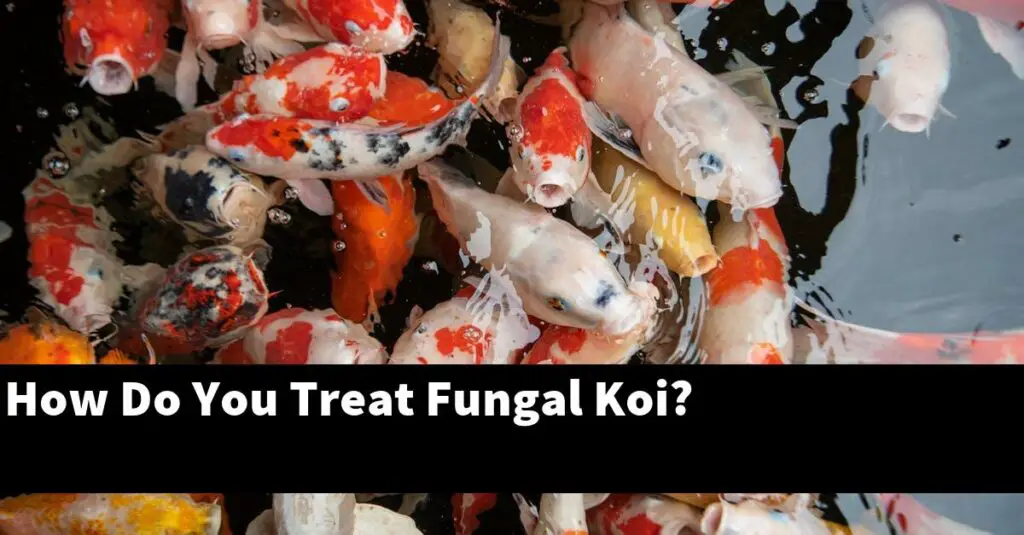
Properly identifying and understanding the primary diseases that afflict koi fish is essential for maintaining their health and ensuring a vibrant, thriving pond environment. Koi are resilient creatures, but like all aquatic animals, they are susceptible to a variety of illnesses that can compromise their well-being if not promptly recognized and treated. Recognizing the early signs of disease and understanding their underlying causes can significantly improve treatment outcomes and prevent widespread health issues among your koi population.
There are several categories of diseases that commonly affect koi fish, each caused by different pathogens such as bacteria, fungi, parasites, or viruses. Distinguishing between these types is crucial because it guides the selection of appropriate treatment strategies. Accurate diagnosis often involves observing specific symptoms, water quality parameters, and sometimes laboratory testing. This knowledge empowers koi owners and hobbyists to respond swiftly and effectively, minimizing stress and potential mortality in their fish.
Primary Illnesses Affecting Koi
Koi fish are prone to several prevalent diseases, each characterized by specific symptoms and causes. Understanding these illnesses helps in early detection and intervention, reducing the risk of severe health decline.
| Illness | Causes | Symptoms |
|---|---|---|
| Fin Rot | Bacterial infection, often due to poor water quality or injury | Frayed or disintegrating fins, red streaks at fin edges, lethargy |
| Ich (Ichthyophthirius multifiliis) | Parasitic protozoan | Small white spots resembling grains of salt on skin and fins, flashing behavior |
| Ulcer Disease | Secondary bacterial infection following injuries or stress | Open sores or ulcers on body, redness, swelling |
| Dropsy | Internal bacterial infection causing fluid retention | Swollen abdomen, raised scales, lethargy |
| Viral Hemorrhagic Septicemia | Viral infection | Hemorrhages, hemorrhagic lesions, rapid death in severe cases |
Signs of Disease or Stress in Koi
Monitoring koi for early signs of illness or stress can be vital for timely intervention. Recognizing these symptoms helps prevent escalation and contributes to maintaining a healthy pond environment.
- Changes in behavior such as lethargy, loss of appetite, or hiding
- Unusual swimming patterns, including erratic or sluggish movement
- Visible physical abnormalities like discoloration, spots, ulcers, or fin damage
- Excess mucus production or frayed fins
- Gasping at the water surface or rapid breathing
- Swelling, bloating, or abnormal body shape
- Redness, bleeding, or other hemorrhagic signs
Differences Between Bacterial, Fungal, Parasitic, and Viral Infections
Understanding the distinct nature of each infection type helps in choosing the appropriate treatment and management strategies. Each category involves different pathogens and manifests with characteristic signs.
- Bacterial Infections: Usually result from opportunistic bacteria taking advantage of poor water quality or injuries. They often cause ulcers, fin rot, or systemic symptoms like lethargy and abnormal swimming. Bacterial infections are generally treatable with antibiotics but require accurate diagnosis to select the correct medication.
- Fungal Infections: Commonly appear as cotton-like growths on the skin or fins. Fungi are secondary invaders, often following skin injuries or infections. Treatment involves antifungal medications and improved water conditions.
- Parasitic Infections: Caused by external parasites like Ich, flukes, or lice. They produce visible signs such as white spots, scratching, or excessive mucus. Parasites are often diagnosed through microscopic examination and treated with antiparasitic agents.
- Viral Infections: Less common but highly contagious, viruses can cause hemorrhages, lethargy, and sudden death. There are no specific antiviral treatments, so management focuses on quarantine, supportive care, and preventing spread.
Accurate identification of the disease type is critical for effective treatment and minimizing the impact on your koi population.
Identification and Diagnosis of Koi Fish Diseases

Accurate identification and diagnosis of koi fish diseases are essential steps toward effective treatment and maintaining a healthy pond environment. Early recognition of symptoms allows for prompt intervention, reducing the risk of disease spreading and improving the chances of recovery for affected koi. Understanding how to observe and interpret physical and behavioral changes is fundamental for koi owners and aquarists alike.
Proper diagnosis involves a combination of visual inspection, behavioral assessment, and sometimes laboratory testing to confirm specific pathogens or conditions. Given the diversity of koi diseases—ranging from parasitic infestations to bacterial infections—developing a systematic approach to observation is crucial. This process not only aids in selecting the most suitable treatment but also helps to prevent misdiagnosis, which could lead to ineffective or harmful interventions.
Methods for Observing and Identifying Disease Symptoms
Effective disease detection begins with regular, attentive observation of koi fish in their habitat. Keeping a close watch on their behavior, physical appearance, and swimming patterns provides vital clues to underlying health issues. Key observation methods include:
- Performing routine visual inspections of each fish, noting any deviations from normal appearance or behavior.
- Monitoring swimming behavior for signs of distress such as erratic movements, lethargy, or inability to maintain proper buoyancy.
- Checking for external signs such as abnormal coloration, lesions, white spots, fin damage, or swelling.
- Assessing feeding behavior—reduced appetite or refusal to eat can signal illness.
- Examining water quality parameters regularly, as poor water conditions often contribute to disease susceptibility.
Encouraging a systematic approach ensures that no symptoms are overlooked, providing a comprehensive understanding of each fish’s health status.
Guide to Diagnosing Koi Diseases Based on Visual Cues and Behaviors
Diagnosing koi diseases requires careful correlation of observed symptoms with known disease profiles. The following guide assists in identifying common conditions based on specific visual and behavioral indicators:
- External Symptoms: Look for visible signs such as white spots (ich), ulcers, or fin rot. The presence of unusual growths or discoloration can indicate bacterial, fungal, or parasitic infections.
- Behavioral Changes: Note signs like flashing (rubbing against objects), swimming in circles, or abnormal surface jumping, which may point to external parasites or gill diseases.
- Physical Abnormalities: Check for abnormal swelling, bloating, or deformities. Swelling around the eyes or along the body could suggest internal infections or tumors.
- Coloration Changes: Fading or darkening of color often signals stress or disease, especially if accompanied by other symptoms.
By systematically comparing symptoms and behaviors with established disease profiles, aquarists can narrow down potential causes and determine appropriate treatment strategies. When in doubt, consulting with aquatic veterinarians or specialists ensures accurate diagnosis and effective management.
Comparison Table: Symptoms, Possible Diseases, and Recommended Actions
This table provides a quick reference to aid in the identification process, highlighting common symptoms, their likely causes, and suggested next steps for treatment or management.
| Symptoms | Possible Diseases | Recommended Actions | Notes |
|---|---|---|---|
| White spots on skin and fins | Ichthyophthirius multifiliis (Ich) | Increase water temperature gradually, administer anti-ich medication, and improve water quality | Regularly monitor for secondary infections |
| Red, ulcerated wounds or lesions | Bacterial infections such as Aeromonas or Pseudomonas | Apply antibacterial treatments, improve water conditions, and isolate affected fish | Seek veterinary advice for persistent cases |
| Excessive rubbing against objects, fin damage | External parasites like flukes or crustaceans | Use appropriate antiparasitic medications and ensure water sanitation | Observe for additional signs like rapid gill movement |
| Swelling or bloating, ascites | Internal infections, organ failure, or poor water quality | Adjust feeding regimen, improve water parameters, and consider specialized treatments | Persistent symptoms may require veterinary diagnostics |
Consistent attention to symptom observation and detailed record-keeping enhance early detection and successful treatment of koi fish diseases, ultimately promoting a thriving aquatic environment.
Preventative Measures to Reduce Koi Fish Diseases
Effective prevention is essential in maintaining a healthy koi pond and minimizing the risk of disease outbreaks. Implementing proactive strategies can significantly enhance koi resilience, reduce the need for treatment, and promote a thriving aquatic environment. Proper quarantine procedures, water quality management, nutritional support, and diligent hygiene practices collectively form the foundation of disease prevention in koi keeping.Maintaining a healthy pond environment and ensuring the overall well-being of koi fish are critical in minimizing susceptibility to infections.
By integrating these preventative measures into regular pond maintenance routines, koi keepers can enjoy vibrant, healthy fish and avoid the stress and costs associated with disease management.
Quarantine Procedures for New Koi
Introducing new koi into an existing pond requires careful quarantine protocols to prevent the introduction of pathogens. Quarantining allows for close observation and health assessment of new arrivals before they share water with established fish populations. The process should typically last at least 2-4 weeks and involve:
- Isolating new koi in a separate, clean quarantine pond or tank with controlled water parameters similar to the main pond.
- Monitoring for signs of illness such as lethargy, abnormal swimming, or visible lesions.
- Administering prophylactic treatments, such as bath dips with medicated solutions, if necessary, to eliminate potential parasites or bacterial infections.
- Conducting thorough visual inspections and, if feasible, diagnostic testing for common koi diseases before introducing them to the main pond.
This process minimizes the risk of disease transmission, ensuring only healthy fish are integrated into the pond system.
Maintaining Optimal Water Quality and Environment
A stable and clean aquatic environment is fundamental in preventing koi diseases. Fluctuations in water parameters or poor water quality create stress, weakening immune responses and fostering pathogen proliferation. Best practices include:
- Regularly testing water parameters such as pH (preferably 7.0–8.0), ammonia, nitrite, nitrate levels, and dissolved oxygen to ensure they are within safe ranges.
- Performing consistent partial water changes—generally 10-20% weekly—to dilute toxins and maintain water freshness.
- Ensuring proper filtration with biological and mechanical systems to remove waste and maintain clarity.
- Controlling pond temperature within suitable ranges (around 59–77°F or 15–25°C) to prevent thermal stress.
- Avoiding overstocking, which can lead to increased waste accumulation and oxygen depletion.
Implementing these practices creates a resilient environment that supports koi health and reduces disease susceptibility.
Nutritional and Health Supplements to Enhance Koi Immunity
Proper nutrition plays a vital role in strengthening koi immune defenses against diseases. A balanced diet rich in essential nutrients, combined with targeted supplements, can improve overall health and disease resistance. Incorporate:
- High-quality koi pellets formulated with appropriate protein levels (30-40%) and added vitamins such as vitamin C, E, and beta-carotene for immune support.
- Natural immune boosters like kelp extracts, which provide antioxidants and trace minerals vital for health.
- Probiotic supplements that support beneficial gut bacteria, enhancing digestion and nutrient absorption.
- Essential fatty acids, particularly omega-3 and omega-6, to promote skin health and reduce inflammation.
- Herbal supplements like garlic or echinacea, which have been traditionally used to enhance immune response.
Regularly providing these nutritional supports can help koi maintain vitality and promptly recover from minor health issues before they escalate.
Consistent, balanced nutrition combined with a stress-minimized environment forms the cornerstone of disease prevention in koi fish.
Hygiene Practices for Pond and Equipment Maintenance
Maintaining a clean environment is crucial in controlling disease agents and preventing infections. Proper hygiene practices include:
- Routine removal of debris such as fallen leaves, uneaten food, and algae from the pond surface and bottom.
- Regular cleaning and disinfection of pond nets, pumps, filters, and other equipment to prevent biofilm buildup and pathogen transmission.
- Using safe, pond-compatible cleaning agents and avoiding harsh chemicals that could harm koi or disrupt beneficial bacteria.
- Implementing a schedule for draining and thoroughly cleaning the pond, especially after an illness or before introducing new fish.
- Practicing good hand hygiene before handling koi or performing maintenance to prevent the transfer of pathogens.
Adhering to these hygiene standards reduces environmental contamination and supports a healthy, disease-resistant pond ecosystem.
Treatments for Bacterial Infections in Koi
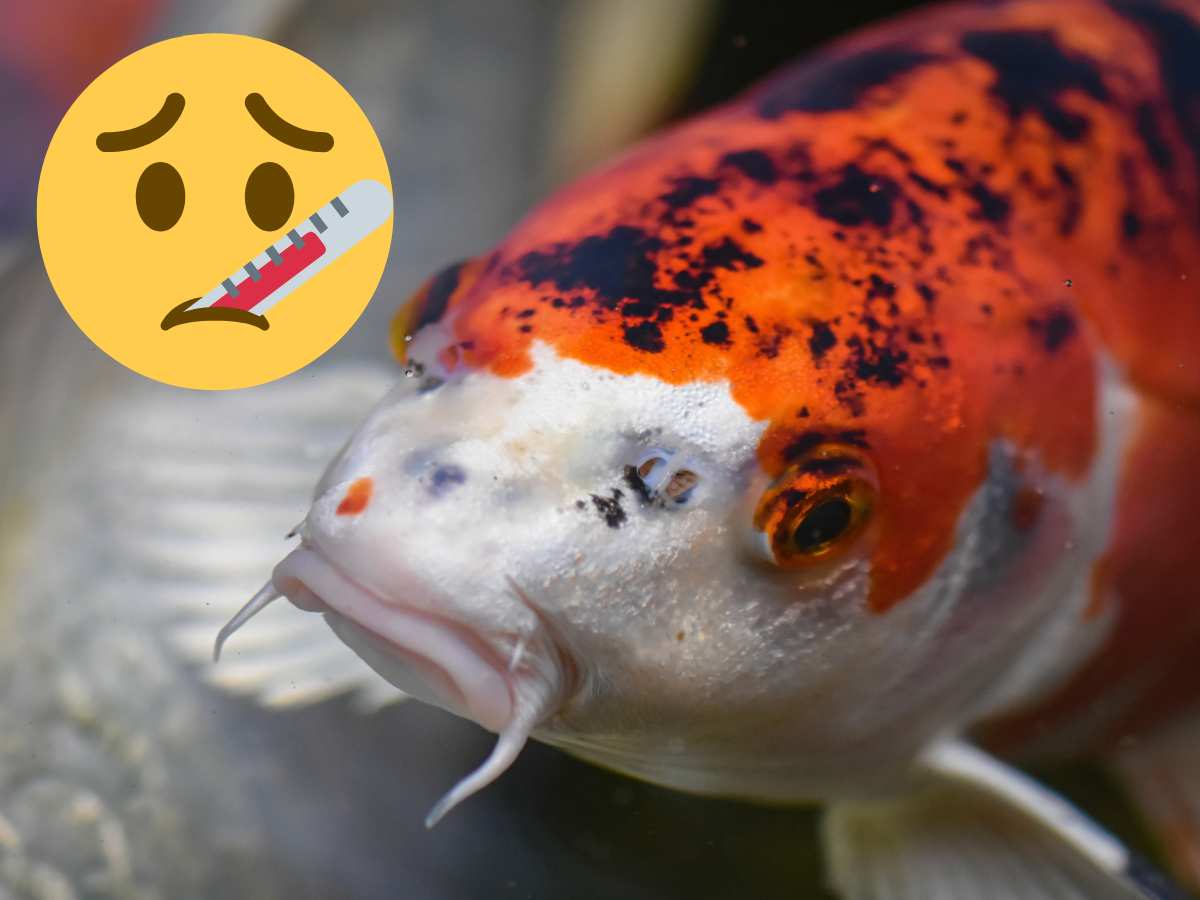
Bacterial infections are common health issues among koi, often resulting from poor water quality, injuries, or stress. Effective treatment requires prompt diagnosis and targeted intervention to prevent the spread and ensure the fish’s recovery. Utilizing appropriate antibiotics and antibacterial agents is essential, alongside careful management of the pond environment during treatment procedures.
Implementing proper treatment protocols not only cures existing infections but also minimizes the risk of recurrence. It is vital for koi keepers and pond managers to understand the correct application methods and environmental considerations to achieve optimal outcomes.
Antibiotics and Antibacterial Agents for Koi
The foundation of bacterial treatment in koi involves selecting appropriate antibiotics that target the specific pathogens responsible for the infection. The choice of medication depends on the suspected bacteria, severity of the infection, and susceptibility testing when available. Commonly used antibiotics include doxycycline, tetracycline, erythromycin, and sulfonamides, each with proven efficacy against various bacterial strains affecting koi.
Antibacterial agents can be administered via medicated baths, oral treatments, or directly into the pond water, depending on the infection’s extent and location. It is crucial to adhere to dosing guidelines, duration of treatment, and withdrawal periods to avoid toxicity and antibiotic resistance.
Note: Always confirm bacterial identification with a professional or diagnostic laboratory before administering antibiotics to ensure targeted and effective treatment.
Steps for Administering Medication in Pond Environments
Administering antibiotics in pond settings requires careful planning to ensure even distribution, maintain water quality, and minimize stress to the koi. The following steps encompass best practices for effective medication administration:
- Preparation: Determine the appropriate antibiotic, dosage, and treatment duration based on the severity of infection and manufacturer guidelines.
- Water Testing: Test water parameters such as pH, ammonia, nitrite, and oxygen levels to ensure they are within suitable ranges, as medications can alter water chemistry.
- Medication Dispersion: For medicated baths, dissolve the appropriate dose in a separate container of pond water and submerge infected koi for specified durations, typically 15–30 minutes, ensuring oxygenation during treatment.
- Pond Treatment: For water treatments, add antibiotics gradually along the water flow or at specific points, monitoring the koi for signs of distress.
- Monitoring: Observe koi closely during and after treatment for adverse reactions, changes in behavior, or improvements in condition.
- Water Management: After treatment, perform partial water changes to remove residual medication and restore optimal water quality.
Maintaining a high level of oxygenation during medication administration is vital, as antibiotics can sometimes reduce dissolved oxygen levels, affecting koi health.
Procedural Flowchart for Managing Bacterial Outbreaks in Koi Populations
A structured approach ensures systematic management of bacterial infections, reducing mortality rates and preventing outbreaks.
Flowchart Overview: The process begins with early detection, followed by diagnosis, treatment, and prevention, with continuous monitoring at each step to adapt strategies as needed.
| Step | Description | Action |
|---|---|---|
| 1. Observation | Monitor koi for signs of distress, lesions, or abnormal behavior. | Record observations and assess severity. |
| 2. Diagnosis | Collect samples or observe symptoms to identify bacterial infection. | Consult with a veterinarian or conduct laboratory testing if necessary. |
| 3. Quarantine | Isolate affected koi to prevent spread. | Set up a separate quarantine tank or pond area. |
| 4. Treatment Initiation | Administer targeted antibiotics based on diagnosis. | Follow dosage instructions carefully, monitor koi closely. |
| 5. Water Management | Maintain optimal water quality during treatment. | Perform partial water changes, increase aeration. |
| 6. Monitoring and Adjustment | Track koi health and response to treatment. | Modify treatment if no improvement or adverse reactions occur. |
| 7. Post-Treatment Care | Complete the full course of antibiotics, observe for recurrence. | Implement preventive measures to avoid future outbreaks. |
| 8. Record Keeping | Document case details, treatment protocols, and outcomes. | Use records to inform future health management strategies. |
This systematic approach helps ensure timely intervention, minimizes koi mortality, and promotes a healthy, resilient koi population.
Managing Fungal and Parasite Infestations
Effective management of fungal and parasitic infestations is crucial for maintaining the health and vitality of koi fish. These issues can rapidly escalate if not identified and treated promptly, leading to severe health complications or even mortality. Understanding appropriate treatment options, diagnostic procedures, and troubleshooting strategies ensures that koi keepers can respond effectively to these common challenges.
Addressing fungal infections and parasitic infestations involves a combination of accurate diagnosis, targeted treatment applications, and ongoing preventive practices. Proper management not only cures existing ailments but also minimizes the risk of recurrence, promoting a healthy and resilient koi population.
Antifungal Treatment Options and Application Methods
Fungal infections in koi often manifest as cotton-like growths on the skin, fins, or gills. Selecting effective antifungal treatments and applying them correctly is essential for resolving these issues. Various medications are available, each suited to specific types of fungal pathogens, and their successful use depends on proper dosage and application techniques.
Common antifungal options include:
- Malachite Green: A potent antifungal agent effective against a wide range of fungal infections. It can be used as a bath or in water treatments but requires careful handling due to its toxicity to plants and humans.
- Formalin: Frequently used in dips or baths to treat fungal infections, especially on the skin and fins. Proper ventilation and dose calibration are vital to prevent stress or harm to the koi.
- Potassium Permanganate: While primarily an oxidizer and disinfectant, it also exhibits antifungal properties. Administered as a bath, it helps control fungal growth but must be used at precise concentrations.
Application methods typically involve:
- Preparing a medicated bath with the appropriate antifungal agent, ensuring the water parameters are suitable for koi (temperature, pH).
- Submerging the koi in the treatment bath for the recommended duration, usually ranging from 30 minutes to an hour, with continuous monitoring.
- Repeating treatments as necessary, following manufacturer guidelines and observing the fish’s response.
Always adhere to safety protocols, including proper handling and disposal of chemicals, to protect both the fish and the environment.
Procedures for Identifying and Eliminating Common Koi Parasites
Parasites pose a significant threat to koi health, often causing stress, secondary infections, or mortality. Accurate identification is vital for effective treatment. Parasites such as Ichthyophthirius (Ich), flukes, anchor worms, and lice can be diagnosed through visual inspection and microscopy.
Identification involves:
- Examining koi closely for visible parasites, abnormal behavior, or skin lesions.
- Using a magnifying glass or microscope to observe skin scrapes or mucus samples for microscopic parasites like Ich or flukes.
- Documenting parasite presence, including size, shape, and location, to determine the specific type.
Elimination strategies depend on the parasite identified:
- Ichthyophthirius (Ich): Treated with formalin, malachite green, or copper-based medications. Maintaining elevated water temperature accelerates life cycle completion, making medication more effective.
- Flukes: Administered with specific antiparasitic drugs such as praziquantel, which is effective against trematodes and other flukes.
- Anchor worms and lice: Physically removing visible parasites with tweezers, followed by treatment with antiparasitic dips or baths.
Ensure treatment is continued until parasites are completely eradicated, and quarantine new koi to prevent reinfestation.
Troubleshooting Guide for Persistent Fungal or Parasitic Issues
Persistent fungal or parasitic problems require systematic assessment and intervention. Several factors may contribute to ongoing issues, including incorrect treatment dosages, reinfection, or environmental stressors.
The troubleshooting process involves:
- Reviewing water quality: Regular testing and maintenance of optimal parameters (ammonia, nitrites, pH, temperature) to reduce stress and enhance immune response.
- Verifying treatment protocols: Ensuring medications are used at correct concentrations and durations. Consult manufacturer instructions or veterinary guidance when necessary.
- Assessing quarantine practices: Isolating infected fish prevents cross-contamination and allows for targeted treatment without affecting the entire pond population.
- Monitoring for reinfection: Cleaning and disinfecting equipment, plants, and pond surfaces to eliminate residual spores or parasites.
- Adjusting environmental conditions: Improving aeration, reducing overcrowding, and providing optimal nutrition to support fish resilience against infections.
Persistent fungal or parasitic infections often indicate underlying issues within the pond ecosystem. Addressing these root causes is essential for long-term health and disease prevention.
Home Remedies and Natural Treatments
Utilizing natural remedies for koi fish diseases offers an eco-friendly and often gentle alternative to chemical treatments. These approaches can be particularly effective when dealing with mild infections or as preventive measures to maintain overall fish health. Many koi enthusiasts and aquarists favor herbal and natural solutions due to their safety profiles and minimal impact on the aquatic environment.
In this section, we explore various herbal remedies, their preparation methods for baths or solutions, and compare the efficacy and safety of natural versus chemical treatments. Understanding these options empowers koi keepers to adopt sustainable and less invasive practices in disease management.
Effective Herbal Remedies for Koi Diseases
Herbal remedies have been used traditionally across cultures to treat various aquatic ailments. These natural solutions often contain compounds with antimicrobial, antifungal, or antiparasitic properties, making them suitable for treating specific koi diseases. It is important to select remedies carefully and observe the fish’s response during treatment.
- Garlic (Allium sativum): Known for its natural antimicrobial and immune-boosting qualities, garlic can be administered through feed or as an immersion. It helps combat bacterial infections and parasite infestations.
- Herbal teas and infusions: Extracts from herbs such as neem, thyme, or basil can be used to create baths that reduce fungal and parasitic loads. Neem oil, in particular, has potent antiparasitic properties.
- Tea Tree Oil: A natural antifungal and antibacterial agent, tea tree oil can be diluted appropriately and added to baths to address fungal infections and external parasites.
- Oregano Oil: Rich in carvacrol, oregano oil exhibits strong antimicrobial activity, effective against bacterial and fungal pathogens when used in diluted form for baths.
Preparation Methods for Herbal Baths and Solutions
Creating effective herbal baths involves proper extraction and dilution to ensure safety and efficacy. These baths are usually used as a supplementary treatment to address external infections or infestations.
- Herbal infusion: Combine dried herbs such as neem leaves, thyme, or basil in boiling water. Allow the mixture to steep for 20-30 minutes, then strain to remove solid particles. Once cooled to room temperature, the herbal infusion can be added to the pond or tank.
- Herbal extract solution: Prepare a concentrated extract by soaking herbs in ethanol or glycerin, then dilute the extract with water before use. This method provides a potent herbal solution that can be added directly to the water or used for spot treatments.
- Essential oils: When using oils like tea tree or oregano, always dilute extensively—generally at a ratio of 1 drop per 10 gallons of water—to prevent toxicity. Mix thoroughly before adding to the pond or tank.
Important: Always perform a small patch test with herbal solutions to observe koi reactions before full application. Regular monitoring during treatments ensures fish comfort and safety.
Natural versus Chemical Treatments: Effectiveness and Safety
The debate between natural and chemical treatments centers around their relative safety, environmental impact, and effectiveness. Both approaches have their merits, but understanding their differences helps in making informed decisions.
| Aspect | Natural Treatments | Chemical Treatments |
|---|---|---|
| Effectiveness | Generally effective for mild cases and preventive care; may require longer application periods. | Often fast-acting and potent, suitable for severe infections but may not address underlying causes. |
| Safety | Lower risk of toxicity, especially when prepared and applied correctly; minimal environmental impact. | Potentially toxic if misused; can harm beneficial aquatic organisms and disrupt pond ecology. |
| Environmental Impact | Higher sustainability; biodegradable and less likely to accumulate in the environment. | May introduce chemical residues, affecting water quality and non-target species. |
| Cost and Accessibility | Often more affordable; ingredients are readily available and easy to prepare at home. | May be more expensive; requires purchase of specific chemical products. |
While natural remedies promote a safer, eco-friendly approach, they may lack the rapid efficacy of chemical agents in critical cases. Combining both approaches judiciously, under veterinary guidance, can optimize treatment outcomes while minimizing risks.
Closing Notes
![How Do You Treat Fungal Koi? [2025 Guide] - Gold Koi Fish](https://teknologia.web.id/wp-content/uploads/2025/09/579275_b85044ee6c314b3db4e95f3feeca1dadmv2.jpg "How Do You Treat Fungal Koi? [2025 Guide] - Gold Koi Fish")
In conclusion, understanding and promptly addressing koi fish diseases play a vital role in maintaining a healthy pond. Combining preventive measures with effective treatments can significantly reduce disease outbreaks and promote the well-being of your koi. Consistent monitoring and proper care will ensure your pond remains a thriving habitat for these elegant fish, offering enjoyment for years to come.