Introducing new koi fish into your pond or aquarium requires careful acclimation to ensure their health and well-being. Proper procedures not only minimize stress but also significantly improve the chances of their long-term survival. Understanding the importance of a gradual transition helps hobbyists and enthusiasts create a safe environment for these vibrant aquatic creatures.
This guide covers essential steps, from preparing the environment to monitoring water parameters, so you can confidently and effectively acclimate your new koi, promoting their vitality and reducing potential health issues.
Understanding the Importance of Acclimating New Koi Fish
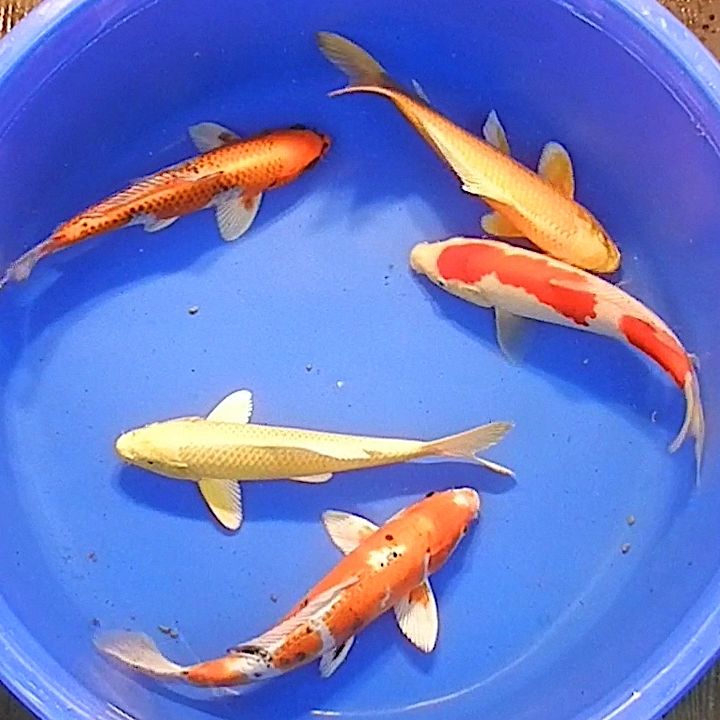
Introducing new koi fish into an existing pond or tank demands careful acclimation to ensure their health and well-being. Proper acclimation minimizes stress, reduces the likelihood of disease, and promotes a smooth transition into their new environment. Recognizing the critical nature of this process is essential for both novice and experienced koi enthusiasts aiming for a thriving aquatic ecosystem.
Sudden changes in water temperature or water parameters can have profound physiological effects on koi, including shock, impaired immune function, and even mortality. A gradual transition allows koi to adapt comfortably, maintaining their physiological balance and supporting long-term health. This careful process not only safeguards their immediate well-being but also enhances their resilience and vitality over time, fostering a sustainable and vibrant pond community.
Physiological Effects of Sudden Water Parameter Changes on Koi
Koi are sensitive freshwater fish with specific environmental needs. When exposed abruptly to altered water conditions, such as temperature fluctuations or shifts in pH, ammonia, or nitrate levels, they experience stress that can compromise their immune system. This stress response often manifests through rapid breathing, erratic swimming, or lethargy. In extreme cases, rapid changes can lead to physiological shock, causing internal damage or death.
Temperature changes, in particular, influence koi metabolism, immune response, and overall behavior. A sudden drop in temperature may slow metabolism, making koi more susceptible to infections, while a sudden increase can cause hyperactivity and exhaustion. Therefore, maintaining consistent water parameters during acclimation is vital for preventing adverse reactions and ensuring the koi’s adaptation process is smooth and safe.
Benefits of a Gradual Transition for Long-term Health
A gradual acclimation process offers numerous long-term advantages for koi health and pond stability. It enables the fish’s osmoregulatory systems to adjust to new water chemistry, reducing the risk of stress-related illnesses. Additionally, a slower transition supports immune function, decreasing vulnerability to pathogens and parasites that can exploit stressed fish.
Long-term benefits also include improved coloration, activity levels, and overall vitality. Koi that experience minimal stress during initial introduction tend to establish stronger, more resilient immune systems, leading to fewer health issues over their lifespan. This methodical approach to acclimation fosters a sustainable environment where koi can thrive, grow, and display their full aesthetic potential.
Preparing the Aquarium Environment for New Koi
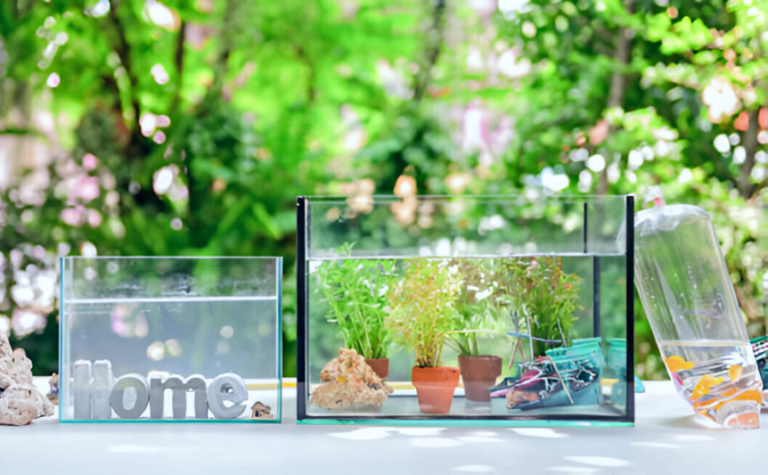
Establishing a suitable environment is fundamental to ensuring the health and well-being of newly introduced koi fish. Proper preparation minimizes stress and prevents the spread of potential diseases, creating an ideal setting for their acclimation. This process involves setting up a dedicated quarantine tank with optimal water conditions, equipping the tank with essential tools, and maintaining rigorous water quality standards throughout the process.
Careful planning and diligent maintenance of the quarantine environment help safeguard the existing aquatic ecosystem and support the transition of new koi into their new habitat. Attention to detail during this phase significantly contributes to the long-term success of your koi keeping venture.
Setting Up a Quarantine Tank with Optimal Water Conditions
Creating a dedicated quarantine tank allows for controlled acclimation of new koi while preventing the introduction of pathogens into your main pond or display tank. The setup process involves selecting an appropriately sized tank, ensuring stable water parameters, and establishing a clean, stress-free environment for the fish.
- Choose a tank that provides enough space for the koi’s size and activity level, typically at least 50 gallons for small to medium koi, with larger ones requiring proportionally more space.
- Fill the tank with dechlorinated water that mimics the temperature, pH, and hardness of the koi’s previous environment, usually around 68-75°F (20-24°C), pH 7.0-8.0, and moderate hardness.
- Install a reliable filtration system capable of maintaining clean water without creating strong currents that could stress the fish.
- Include a gentle aeration system to ensure adequate oxygen levels, particularly in densely stocked tanks or during warmer months.
- Ensure the tank is placed in a quiet, temperature-stable location away from direct sunlight and drafts to reduce stress during acclimation.
Maintaining consistent water conditions throughout the quarantine period is critical. Regular monitoring helps detect any fluctuations that could adversely affect the koi’s health.
Equipment Needed for Acclimation and Water Testing
Proper equipment ensures that water parameters remain within safe ranges for the new koi fish and facilitates smooth acclimation. Having the right tools on hand allows for precise measurement and quick response to any changes in water quality.
Create an organized list of essential supplies to streamline the acclimation process and guarantee optimal conditions are maintained.
| Item | Description | Quantity | Notes |
|---|---|---|---|
| Thermometer | Digital or analog device to measure water temperature accurately | 1 | Place in the tank to monitor temperature throughout the process |
| Water testing kits | Test strips or liquid reagents for pH, ammonia, nitrite, and nitrate levels | 1 set | Regular testing ensures water remains within safe parameters |
| Dechlorinator | Solution or drops to remove chlorine and chloramine from tap water | Sufficient for initial setup and water changes | Essential for safe water condition |
| Siphon or gravel vacuum | Tools to perform water changes and remove detritus | 1 | Helps maintain water clarity and quality |
| Air pump and air stone | Provides aeration and oxygenation for the tank | 1 set | Ensures adequate oxygen levels, especially in warmer water |
Using this equipment consistently and accurately tracking water parameters help prevent stress and health issues, ensuring a smooth transition for the koi during acclimation.
Maintaining Water Quality During the Process
Consistent management of water quality is vital throughout the quarantine period. It involves regular testing, timely water changes, and diligent filtration to create a stable environment that supports healing and adaptation.
- Perform partial water changes of 10-20% every 2-3 days to dilute accumulated toxins and maintain water clarity.
- Test water parameters daily, especially during the first week, to detect any deviations in pH, ammonia, nitrite, or nitrate levels.
- Adjust filtration and aeration if ammonia or nitrite levels rise, indicating the need for increased biological filtration or water exchange.
- Keep an eye on temperature stability, avoiding fluctuations that could stress the koi.
- Remove any uneaten food promptly to prevent water quality deterioration.
Adhering to these practices ensures the quarantine environment remains healthy, reducing the risk of disease and facilitating successful acclimation.
Methods for Acclimating New Koi Fish
Proper acclimation of new koi fish is essential to ensure their health and reduce stress during introduction into a new environment. Several methods are effective, each suited to different circumstances and preferences. Understanding and correctly applying these techniques can significantly improve koi survival rates and promote a smooth transition into their new habitat.
In this section, we will explore the two most common methods for acclimating koi: drip acclimation and floating bag method. Additionally, we will introduce alternative approaches such as temperature matching and water mixing procedures, highlighting the step-by-step processes, timings, water ratios, and safety precautions necessary for each technique.
Drip Acclimation Method
Drip acclimation is a gradual method that allows koi to adjust slowly to the water parameters of their new environment, minimizing stress and preventing shock. It involves slowly adding tank water to the bag containing the koi, maintaining a controlled flow rate over an extended period.
- Prepare the necessary equipment, including a clean container, airline tubing, and a water flow regulator or valve.
- Place the koi in a sealed bag with the original water, ensuring minimal air exposure and avoiding overfilling.
- Float the sealed bag in the aquarium for 15-20 minutes to allow temperature equilibration.
- Connect the airline tubing to a clean water source and insert the other end into the bag, ensuring the flow is gentle.
- Adjust the flow rate to approximately 2-4 drops per second, which typically equates to about 1-2 liters per hour.
- Start the drip process, gradually adding tank water to the bag. Continuously monitor the water level, adding water until the volume in the bag has doubled, usually over a span of 1-2 hours.
- Once sufficient water exchange has occurred, gently net the koi and transfer it into the aquarium, avoiding the water from the bag to minimize stress.
Precaution: Maintain a slow drip rate to prevent sudden changes in water chemistry, which can cause stress or shock. Always ensure the water source used for dripping is free from contaminants and matches the tank’s parameters as closely as possible.
Float and Gradual Water Mixing Method
This method involves floating the bag containing the koi in the tank to match temperatures, followed by gradual mixing of waters to acclimate the fish without rapid changes.
- Gently float the sealed bag in the aquarium for 15-20 minutes, allowing the water temperatures to equalize.
- After temperature matching, open the bag carefully, taking care to avoid mixing the bag water with the tank water initially.
- Introduce a small amount of tank water into the bag—about one-quarter of the bag volume—using a cup or syringe, and gently mix.
- Repeat this process every 10-15 minutes, gradually increasing the proportion of tank water in the bag over a period of 1-2 hours.
- Once the water in the bag is mostly replaced with tank water, gently net the koi and transfer it into the aquarium, avoiding a sudden splash or transfer of water from the bag.
Safety tip: Ensure the water introduced from the tank is free of contaminants and closely matches the temperature of the water in the bag to prevent stress or shock during the process.
Alternative Methods: Temperature Matching and Water Mixing Procedures
In situations where quick acclimation is necessary or specific water parameters differ significantly, alternative methods can be employed. These approaches focus on careful temperature matching and incremental water exchange to ensure koi health.
- Temperature Matching: Use an aquarium heater or chiller to bring the water in the bag or container to the exact temperature of the tank before introducing the koi. This minimizes thermal shock and eases the transition.
- Water Mixing Procedure: Prepare a container with water that closely matches the tank conditions. Gradually add small quantities of this water to the bag over 30-60 minutes, ensuring the koi adapts to the new water chemistry without sudden changes.
Both methods demand vigilance in monitoring water parameters such as pH, ammonia, nitrite, and nitrate levels. Always perform all procedures in a clean environment to avoid introducing contaminants or pathogens, and handle the koi gently to prevent injury or stress.
Monitoring and Adjusting Water Parameters During Acclimation
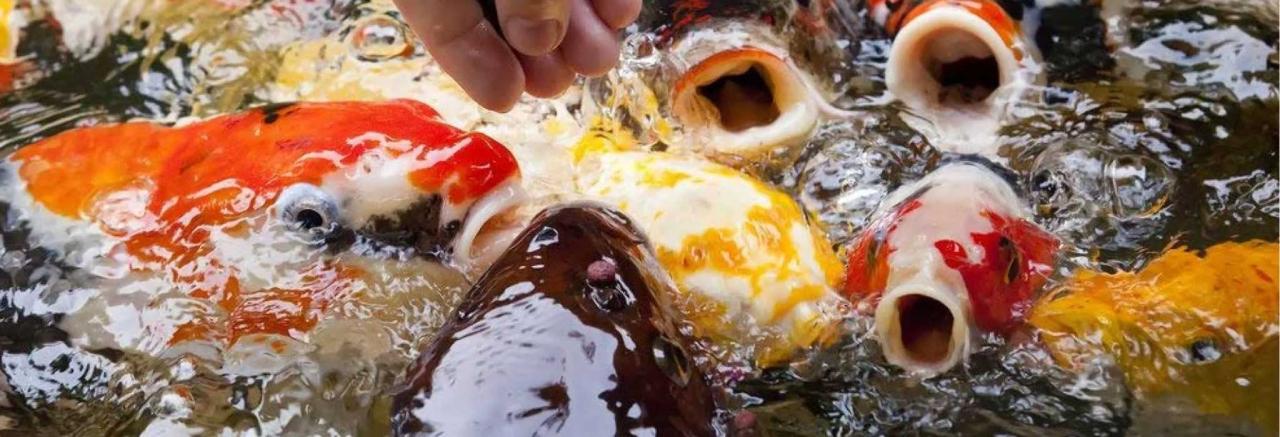
Maintaining optimal water conditions is essential for the health and well-being of koi fish during the acclimation process. Regular monitoring and appropriate adjustments help reduce stress, prevent illness, and promote a smooth transition into their new environment. Understanding the key water parameters and how to manage them effectively ensures that koi thrive from the moment they are introduced to their new habitat.
During acclimation, careful observation of water parameters such as pH, ammonia, nitrite, and temperature is vital. These factors influence the koi’s immune function and overall health. Sudden fluctuations or unfavorable readings can cause stress or health complications. Therefore, establishing a routine for testing and adjusting these parameters, along with recognizing signs of discomfort, is crucial for successful acclimation.
Testing Water Parameters Accurately and Regularly
Consistent testing of water parameters is fundamental to identify potential issues early and make necessary adjustments. Use reliable test kits or digital meters to measure the following key parameters:
- pH: Ideal koi pH ranges between 6.8 and 8.2. Variations outside this range can cause stress or health problems.
- Ammonia: Should be maintained at 0 ppm. Elevated levels indicate waste buildup, which can be toxic to koi.
- Nitrite: Also ideally at 0 ppm. Even low levels can cause nitrite poisoning, affecting oxygen transport in koi blood.
- Temperature: Maintain within 70°F to 78°F (21°C to 25.5°C), depending on the specific koi breed and season.
Testing should be performed at least once daily during the initial days of acclimation, with adjustments made based on the results. Ensure that test kits are stored properly and used according to manufacturer instructions for accuracy.
Recognizing Signs of Stress or Discomfort in Koi
Monitoring water parameters alone is not enough; observing the koi for signs of stress or discomfort provides additional insights into their well-being. Stress indicators include:
- Erratic swimming patterns, such as darting or constant swimming near the surface or bottom of the tank.
- Clamped fins, indicating discomfort or agitation.
- Loss of appetite or refusal to eat during feeding times.
- Gasping at the surface, which may suggest oxygen deficiency or water quality issues.
- Color fading or dullness in the koi’s appearance.
Any of these signs suggest that water conditions may be unfavorable or that the koi are experiencing stress due to sudden changes. Immediate actions should involve reviewing and adjusting water parameters, providing aeration, or temporarily isolating distressed fish to prevent further health decline.
Making Incremental Adjustments to Water Conditions
To ensure a gentle transition, all adjustments to water parameters should be made gradually. Rapid changes can further stress koi and compromise their immune system. Follow these guidelines for incremental modifications:
- Adjust pH slowly by adding buffers or small quantities of acids or bases, ensuring changes do not exceed 0.2 units per day.
- Alter ammonia or nitrite levels indirectly by performing partial water changes, removing excess waste, and increasing biological filtration capacity.
- Modify water temperature gradually by no more than 1°F (0.5°C) per hour, allowing koi to acclimate comfortably to the new thermal conditions.
“Gradual adjustments minimize stress, prevent shock, and support the koi’s natural ability to adapt to new water conditions.”
Monitoring the effects of each adjustment is essential. Record water parameter readings daily, observe koi behavior, and proceed with changes cautiously. Patience during this process not only promotes their health but also reduces the risk of disease or mortality associated with abrupt water parameter shifts.
Troubleshooting Common Issues in Koi Acclimation
Acclimating new koi fish can sometimes present unexpected challenges that, if not addressed promptly, may affect their health and long-term well-being. Recognizing typical problems during the acclimation process enables hobbyists and aquarists to implement effective solutions and ensure a smooth transition for the fish into their new environment. Understanding these issues is essential for maintaining a healthy, vibrant koi population and preventing unnecessary stress or mortality.During acclimation, koi may display signs of discomfort or illness that can be mistaken for normal behavior.
Identifying and addressing these symptoms early can prevent more serious health complications and promote faster adaptation. It is equally important to understand preventive measures to minimize the occurrence of such issues, ensuring a safer and more stable environment for new arrivals.
Common Problems Faced During Koi Acclimation and Their Solutions
When introducing koi to a new environment, several typical issues may arise. These problems often stem from environmental imbalances, improper acclimation techniques, or underlying health conditions. Awareness of these problems allows for timely intervention and reduces the risk of long-term health impacts.
Fin flaring, erratic swimming, and color changes are among the most common signs of distress during acclimation. These symptoms can indicate environmental stressors such as water imbalance, temperature shock, or disease. Addressing these effectively requires understanding their root causes and implementing targeted solutions.
-
Fin Flaring: This behavior often signals aggressive territoriality or irritation due to water quality issues. Flaring can also be a response to sudden changes in the environment.
Solution: Ensure water parameters are stable and within optimal ranges. Gradually adjust temperature and pH levels during acclimation and provide ample space and hiding spots to reduce stress.
-
Erratic Swimming: Uncoordinated or frantic movements typically indicate discomfort or water quality issues, such as ammonia spikes or oxygen deficiency.
Solution: Test water regularly for ammonia, nitrite, nitrate, and oxygen levels. Perform partial water changes to stabilize parameters and improve aeration if needed.
-
Color Changes: Sudden dullness or discoloration might be signs of stress, disease, or poor water quality.
Solution: Carefully inspect for signs of infection or parasites. Maintain consistent water temperature and quality, and consider adding stress-reducing additives if appropriate.
Addressing Water Imbalance, Temperature Shock, and Disease Symptoms
Addressing specific problems requires understanding their causes and implementing precise corrective actions. Rapid adjustments or neglect can worsen the condition, so careful monitoring and stepwise intervention are crucial.
Water imbalance is a leading cause of stress-related issues in koi during acclimation. Imbalances in pH, ammonia, or nitrate levels can cause physical and behavioral symptoms that require immediate correction.
Maintaining stable water parameters within the optimal range for koi (pH 7.0-8.4, ammonia near 0 ppm, nitrite near 0 ppm) is essential for a successful acclimation process.
Temperature shock occurs when the water temperature changes abruptly, causing physiological stress. Koi are cold-blooded animals sensitive to temperature fluctuations, which can impair their immune response and overall health.
Gradual temperature adjustments, ideally not exceeding 2°F (1°C) per hour, help prevent shock and support natural adaptation.
Disease symptoms such as white spots, ulcers, or abnormal swimming can emerge during acclimation, often exacerbated by stress or poor water quality.
Early detection and prompt treatment with appropriate medications, alongside improved water conditions, are vital to controlling disease outbreaks.
Preventive measures include thorough quarantine procedures, regular water testing, gradual acclimation protocols, and maintaining optimal water quality. These steps significantly reduce the incidence of common issues, ensuring a healthier and more resilient koi population during and after the acclimation process.
Concluding Remarks
By following these detailed acclimation techniques, you can provide your koi with a smooth transition into their new environment, fostering their health and happiness. Consistent monitoring and gentle adjustments ensure they thrive, making your koi-keeping experience both rewarding and successful.