Understanding how to manage nitrate in koi pond is essential for maintaining a vibrant and healthy aquatic environment. Elevated nitrate levels can pose significant risks to fish health, making effective management strategies crucial for pond owners and enthusiasts alike. By implementing proper monitoring and control techniques, hobbyists can ensure their koi thrive in clean, balanced water conditions.
This comprehensive guide explores the sources of nitrate buildup, methods for accurate testing, practical strategies for reduction, and maintenance practices to prevent future issues. With these insights, pond keepers can safeguard their koi and create an optimal habitat that promotes longevity and well-being.
Understanding Nitrate in Koi Ponds
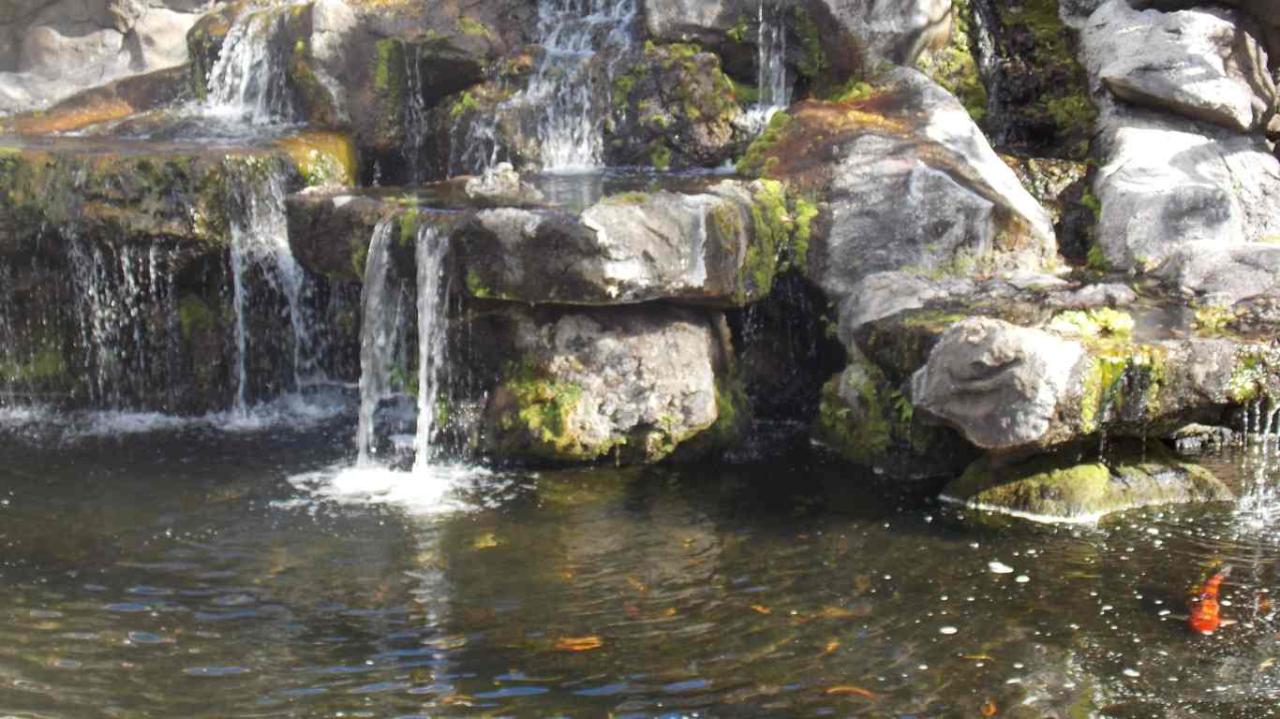
Nitrate levels in koi ponds are a critical factor influencing the health and vitality of aquatic life. Monitoring and managing these levels are essential to maintain a balanced ecosystem where koi can thrive without the adverse effects of poor water quality.
Nitrate, a form of nitrogen compound, accumulates in ponds primarily through biological processes and organic matter decomposition. While moderate concentrations are generally less harmful than ammonia or nitrite, elevated nitrate levels can lead to stress, reduced immune function, and long-term health issues for koi. Understanding the origins and chemical behavior of nitrates enables pond owners to implement effective management strategies.
Sources of Nitrate Accumulation in Koi Ponds
Several factors contribute to the buildup of nitrates in a koi pond environment. Recognizing these sources helps in developing targeted approaches to control nitrate levels effectively.
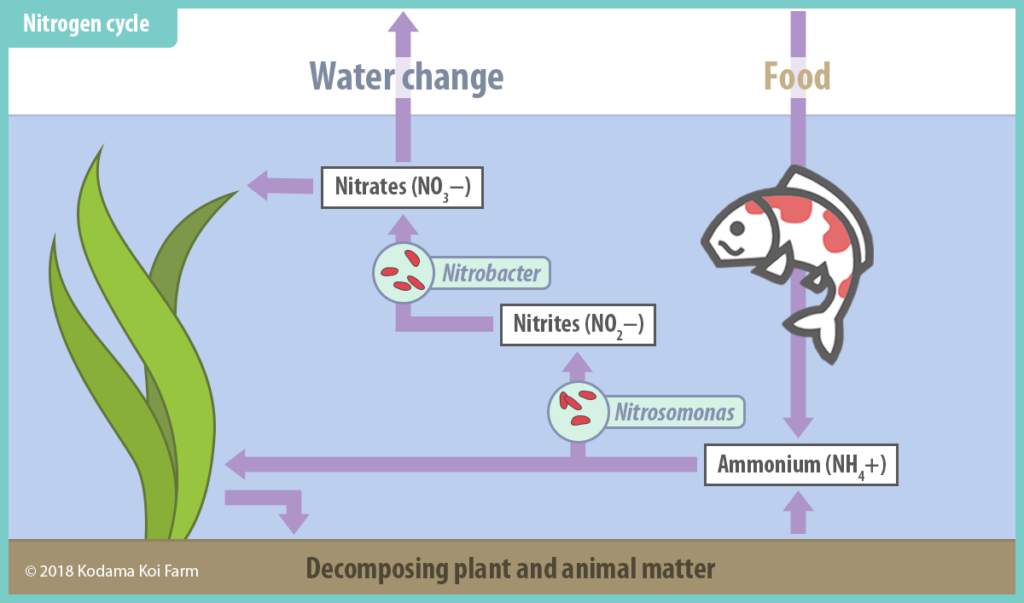
- Fish Waste and Organic Debris: Koi generate waste rich in ammonia, which is converted into nitrite and then nitrate through biological filtration. Excess feed and plant detritus further add to organic matter, providing substrates for bacteria involved in nitrification.
- Uneaten Food: Leftover fish food decomposes in the pond, releasing nitrogen compounds that eventually transform into nitrates.
- Plant Material and Decay: Aquatic plants and algae, when dying or decaying, release organic nitrogen compounds, increasing nitrate levels.
- External Pollution: Runoff containing fertilizers, pesticides, or other pollutants can introduce additional nitrates and nitrogen compounds into the pond ecosystem.
These sources lead to a continuous cycle of nitrogen transformation, from ammonia to nitrite, and finally to nitrate, which tends to accumulate if not properly managed.
Chemical Processes Leading to Nitrate Formation and Buildup
The formation and accumulation of nitrates in koi ponds follow a well-documented biological process involving specific bacteria. Understanding this process is vital for managing water quality effectively.
- Nitrification Process: The primary biological pathway responsible for nitrate formation involves two key groups of bacteria. First, ammonia-oxidizing bacteria (AOB) convert ammonia (NH₃) into nitrite (NO₂⁻). Subsequently, nitrite-oxidizing bacteria (NOB) transform nitrite into nitrate (NO₃⁻). This process occurs in the biofilter media and is essential for maintaining safe water conditions.
- Ammonia Production: Ammonia originates from fish waste, uneaten food, and decaying organic matter. It is highly toxic to koi, making its rapid conversion critical.
- Nitrate Accumulation: Since nitrate is less toxic than ammonia and nitrite, it tends to build up in the pond water over time, especially in systems with insufficient water changes or biological filtration capacity.
Note: Regular water testing can reveal the extent of nitrate buildup, allowing pond owners to undertake appropriate water management strategies.
Comparison Table of Nitrate Levels and Koi Health Risks
Understanding the relationship between nitrate concentrations and koi health is crucial for establishing safe operating parameters within the pond.
| Nitrate Level (mg/L) | Koi Health Risk |
|---|---|
| 0 – 20 | Generally safe; optimal for koi. Minimal stress, normal growth, and immune function are maintained. |
| 20 – 40 | Moderate risk; prolonged exposure may cause stress, reduce resistance to diseases, and impair growth. |
| 40 – 80 | High risk; increased stress levels, susceptibility to infections, and potential for long-term health problems. |
| Above 80 | Critical; toxicity levels may cause koi to exhibit symptoms of distress, and mortality risk increases significantly. |
Maintaining nitrate levels within the safe range is imperative for the overall health and longevity of your koi. Regular testing, coupled with effective filtration and water changes, can help keep nitrates under control and create a thriving pond environment.
Monitoring and Testing Nitrate Levels
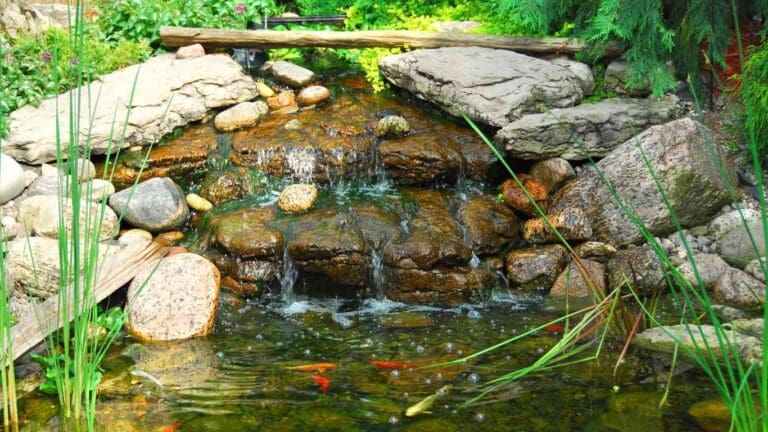
Accurate monitoring and testing of nitrate levels are essential components of maintaining a healthy koi pond. Regular testing helps identify potential issues early, allowing for timely interventions to prevent nitrate buildup that can stress or harm your koi. Understanding the specific nitrate concentrations in your pond enables precise management strategies, ensuring optimal water quality and koi well-being.
Effective testing involves a systematic approach using reliable kits, proper sample collection, and consistent recording of results. This process helps pond owners track fluctuations over time and assess the impact of biological filtration, water changes, and feeding routines on nitrate levels. Adhering to recommended testing practices fosters a proactive approach to pond management, promoting a balanced and thriving aquatic environment.
Step-by-Step Procedure for Testing Nitrate Levels
- Gather your testing kit and necessary equipment, ensuring all materials are within their expiration date to guarantee accuracy.
- Use a clean container or test tube to collect a water sample from a representative area of the pond, ideally away from inlets, outlets, or areas of agitation to obtain a consistent measurement.
- Follow the manufacturer’s instructions precisely, typically involving adding a specified number of drops of reagent to the water sample.
- Cap the test container and gently invert or shake as instructed to mix the reagents thoroughly.
- Allow the sample to sit for the recommended reaction time indicated in the kit’s instructions, usually between 5 to 15 minutes.
- Compare the resulting color change to the provided color chart, matching it carefully under good lighting conditions for an accurate reading.
- Record the nitrate concentration, noting the value and date for future reference and trend analysis.
- Repeat the testing weekly or bi-weekly, especially during periods of high feeding activity or biological cycling, to monitor changes effectively.
Recommended Testing Kits and Usage
Numerous testing kits are available on the market, each with varying ease of use, accuracy, and cost. Choosing a reliable kit ensures consistent and precise measurements, which are critical for effective pond management.
- Test Strips: These are simple to use, involving dipping a strip into the water sample and comparing the color change to a chart. Suitable for quick checks but less precise for detailed monitoring.
- Liquid Test Kits: These kits typically include reagents and test tubes, providing more accurate readings. They are ideal for hobbyists committed to detailed water quality management.
- DIGITAL Meters: Advanced electronic meters can directly display nitrate concentrations, offering high accuracy and ease of reading, but they tend to be more expensive.
For best results, follow the manufacturer’s instructions diligently, ensuring proper sample collection and handling. Store reagents in a cool, dry place, and calibrate digital meters according to the provided guidelines. Regular testing, combined with proper maintenance, helps sustain optimal nitrate levels, fostering a healthy environment for your koi.
Optimal Nitrate Ranges for Koi Health
Maintaining nitrate levels within specific ranges is vital for the health, growth, and overall well-being of koi. The following table summarizes the ideal nitrate concentrations with visual indicators to assist pond owners in quick assessment:
| nitrate Level (mg/L as NO₃⁻) | Health Status | Visual Indicator |
|---|---|---|
| 0 – 20 | Optimal for koi; minimal stress and good growth | Green: Safe and healthy |
| 21 – 40 | Acceptable but approaching upper limit; monitor regularly | Yellow: Caution, increase water changes |
| 41 – 80 | High; potential stress and health issues; immediate action recommended | Red: Danger, perform water changes and check filtration |
| Above 80 | Critical; risks of ammonia poisoning, disease, and death | Dark Red: Urgent intervention required |
Maintaining nitrate levels within the optimal range ensures that your koi remain healthy, active, and free from stress-related ailments. Regular testing and swift action when levels rise beyond acceptable limits are essential practices for successful koi pond management.
Strategies for Managing and Reducing Nitrate
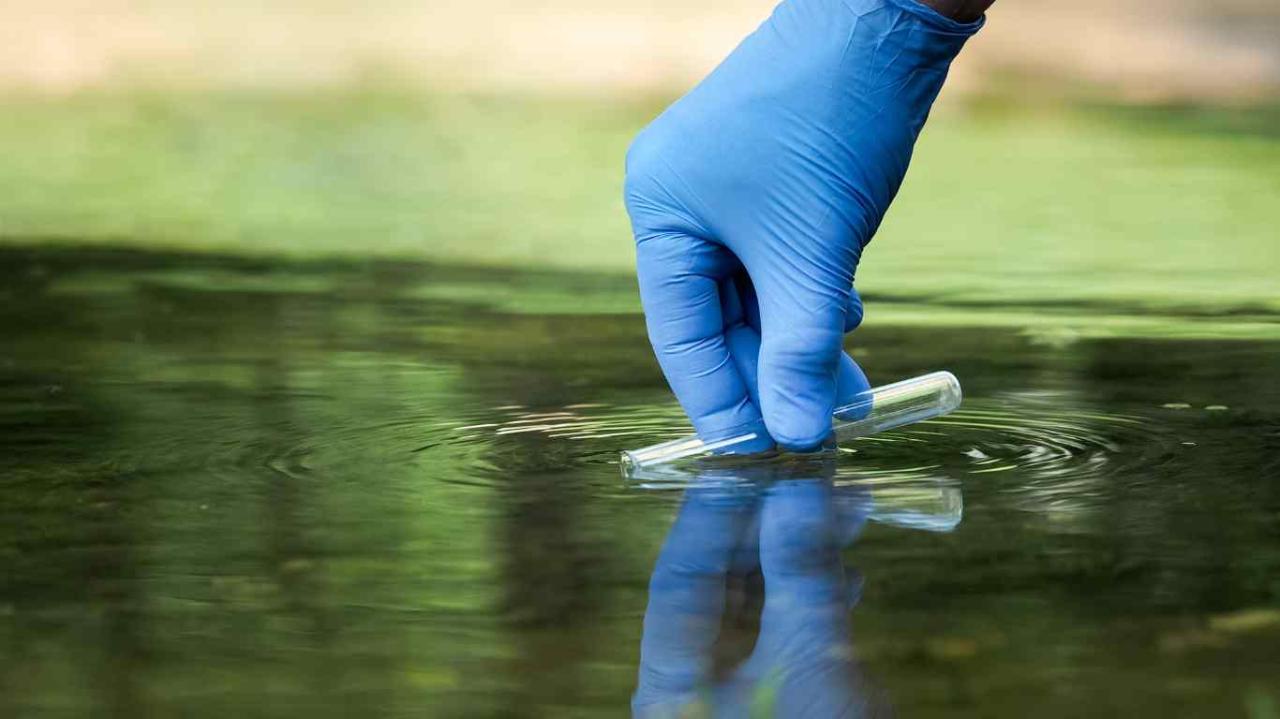
Effective management of nitrate levels in a koi pond is essential to maintain a healthy aquatic environment. Implementing natural and practical methods to reduce nitrate concentrations not only supports the well-being of koi but also promotes a balanced ecosystem within the pond. Combining biological processes with routine maintenance practices ensures sustainable nitrate control, minimizing the need for chemical interventions.
By employing a combination of natural filtration, water changes, and suitable plant life, pond owners can create a harmonious system that naturally keeps nitrate levels in check. These strategies, when applied consistently, help prevent the buildup of harmful nitrates that can lead to poor water quality, stressed koi, and increased susceptibility to disease.
Natural Nitrate Reduction Methods
Natural nitrate reduction relies heavily on biological and plant-based processes that convert or absorb nitrates, thereby lowering their concentration in the pond water. These methods often work synergistically and contribute to a more balanced aquatic environment.
- Plant Filtration: Incorporating aquatic plants in the pond provides a natural sink for nitrates. Plants absorb nitrates during their growth cycle, removing them from the water and converting them into plant biomass.
- Biological Filtration: Beneficial bacteria within biofilters facilitate the conversion of nitrates into nitrogen gas through the process of denitrification. This process occurs in low oxygen zones within the filter media, effectively reducing nitrate levels.
Performing Partial Water Changes
Partial water changes are a straightforward and immediate method to lower nitrate concentrations. Regularly replacing a portion of the pond water dilutes accumulated nitrates and helps maintain optimal water quality.
- Determine the Volume: Calculate the total volume of your pond to understand how much water needs to be replaced for effective nitrate reduction.
- Schedule Routine Changes: Perform partial water changes weekly or bi-weekly, replacing approximately 10-20% of the total pond volume each time.
- Use Dechlorinated Water: Always treat tap water with a dechlorinator before adding it to the pond to remove harmful chlorine or chloramine, which can harm beneficial bacteria and koi health.
- Monitor Nitrate Levels: After water changes, test nitrate levels to ensure they are within acceptable ranges and adjust the frequency or volume of water changes accordingly.
Nitrate-Absorbing Plants Suitable for Koi Ponds
Many aquatic plants naturally absorb nitrates as part of their nutrient intake, making them excellent additions to koi ponds for ongoing nitrate management. The following plants are particularly effective and well-suited to pond environments:
- Water Hyacinth (Eichhornia crassipes): A floating plant that rapidly absorbs nitrates and other nutrients from the water, providing shade and reducing algae growth.
- Anacharis (Egeria densa): An submerged plant that thrives in pond conditions and effectively uptakes nitrates, promoting water clarity.
- Hornwort (Ceratophyllum demersum): A free-floating or submerged plant that absorbs excess nutrients, including nitrates, and oxygenates the water.
- Water Lettuce (Pistia stratiotes): Floating plant that contributes to nitrate removal while offering shade and habitat for beneficial microfauna.
Comparison of Nitrate Removal Treatments
Choosing between chemical and biological nitrate removal methods involves considering their benefits, drawbacks, and suitability to pond conditions. The table below summarizes the key differences:
| Method | Benefits | Drawbacks |
|---|---|---|
| Chemical Nitrate Removers |
|
|
| Biological Nitrate Removal |
|
|
Maintenance Practices to Prevent Nitrate Buildup
Effective maintenance routines are essential to control nitrate levels in a koi pond, ensuring a healthy environment for the fish and reducing the risk of water quality issues. Regular upkeep not only prolongs the lifespan of filtration systems but also minimizes the accumulation of organic matter that contributes to nitrate formation. Implementing a structured maintenance plan is vital for sustainable nitrate management and overall pond health.Maintaining a clean and well-functioning pond involves routine inspections, cleaning, and system adjustments.
These practices help prevent the buildup of organic debris and support the biological processes that naturally reduce nitrates. Optimizing filtration systems complements these efforts by providing the necessary biological and mechanical filtration to keep nitrate levels within safe limits.
Regular Pond Maintenance Routines
Regular maintenance is fundamental to controlling nitrate levels by removing potential sources of organic waste and maintaining water quality. Proper routines include scheduled debris removal, water changes, and monitoring pond conditions to promptly address any issues that may lead to nitrate buildup.
Debris Removal
Regularly skim the pond surface to eliminate fallen leaves, plant matter, and other debris that decompose and contribute to organic waste.
Partial Water Changes
Perform partial water exchanges, typically around 10-20% weekly, to dilute accumulated nitrates and refresh essential minerals.
Vegetation Management
Trim pond plants to prevent overgrowth, which can produce excess organic waste when decayed.
Monitoring Water Parameters
Use test kits to keep track of nitrate levels, pH, and ammonia, allowing timely intervention before nitrate levels become problematic.
Algae Control
Manage algae growth through shading and controlled nutrient input to prevent additional organic matter accumulation.
Optimizing Filtration Systems for Nitrate Management
Filtration systems are the cornerstone of nitrate control, especially biological filters that convert nitrates into nitrogen gas through the process of denitrification. Properly maintained filters enhance this natural process, reducing nitrate concentrations effectively.
Biological Filtration
Use high-quality biofilters with a large surface area for beneficial bacteria, mainly Nitrosomonas and Nitrobacter, which convert ammonia to nitrite and nitrite to nitrate.
Mechanical Filtration
Ensure mechanical filters are regularly cleaned to prevent clogging and maintain water flow, which is crucial for biological activity.
Denitrification Units
Incorporate denitrification components such as submerged biofilters or submerged sand filters that facilitate anaerobic conditions necessary for nitrate reduction.
Filtration Media Care
Replace or rejuvenate filtration media periodically, following manufacturer guidelines, to sustain bacterial populations and filtration efficiency.
Flow Rate Optimization
Adjust water flow to allow sufficient contact time within filters, maximizing nitrate transformation without stressing the biological system.
Structured Maintenance Schedule for Nitrate Control
Adopting a consistent maintenance schedule ensures that nitrate levels remain manageable and that pond health is preserved over time. Such a schedule should include daily, weekly, and monthly tasks, tailored to pond size, stocking density, and seasonal factors.
- Daily:
- Check fish behavior and water clarity.
- Monitor water temperature and pH levels.
- Remove surface debris if necessary.
- Weekly:
- Test water for nitrates, ammonia, and nitrite levels.
- Perform partial water changes of approximately 10-15%.
- Clean mechanical filters to prevent clogging and maintain flow rates.
- Inspect and trim pond plants as needed.
- Monthly:
- Deep clean biofilters, including removing and rinsing media.
- Evaluate filtration system performance and consider upgrading if nitrate levels persist high.
- Check and calibrate testing kits for accuracy.
Procedural Steps for Cleaning and Caring for Biofilters
Biofilters play a critical role in converting nitrates, making their proper maintenance vital. Following systematic cleaning and care practices ensures bacterial populations remain healthy and active, effectively controlling nitrates.
- Turn off the filtration system: Ensure the biofilter is not operating to prevent damage or washout of beneficial bacteria.
- Remove media: Carefully take out the filtration media, such as bio-balls, sponge filters, or ceramic rings, avoiding excessive agitation.
- Rinse media gently: Use pond water collected during a water change to rinse the media, removing accumulated sludge without eliminating beneficial bacteria.
- Inspect media for damage: Look for signs of wear or clogging, replacing media if necessary to maintain filtration efficiency.
- Clean housing and components: Wipe down the filter housing and internal components with a soft brush to remove algae and debris.
- Reassemble and restart system: Place the media back into the filter housing, ensuring proper placement, and power on the system, verifying water flow and operation.
- Monitor biological activity: Observe fish and water parameters closely after cleaning to ensure stability and avoid stress, making adjustments if nitrates remain high.
Troubleshooting High Nitrate Issues
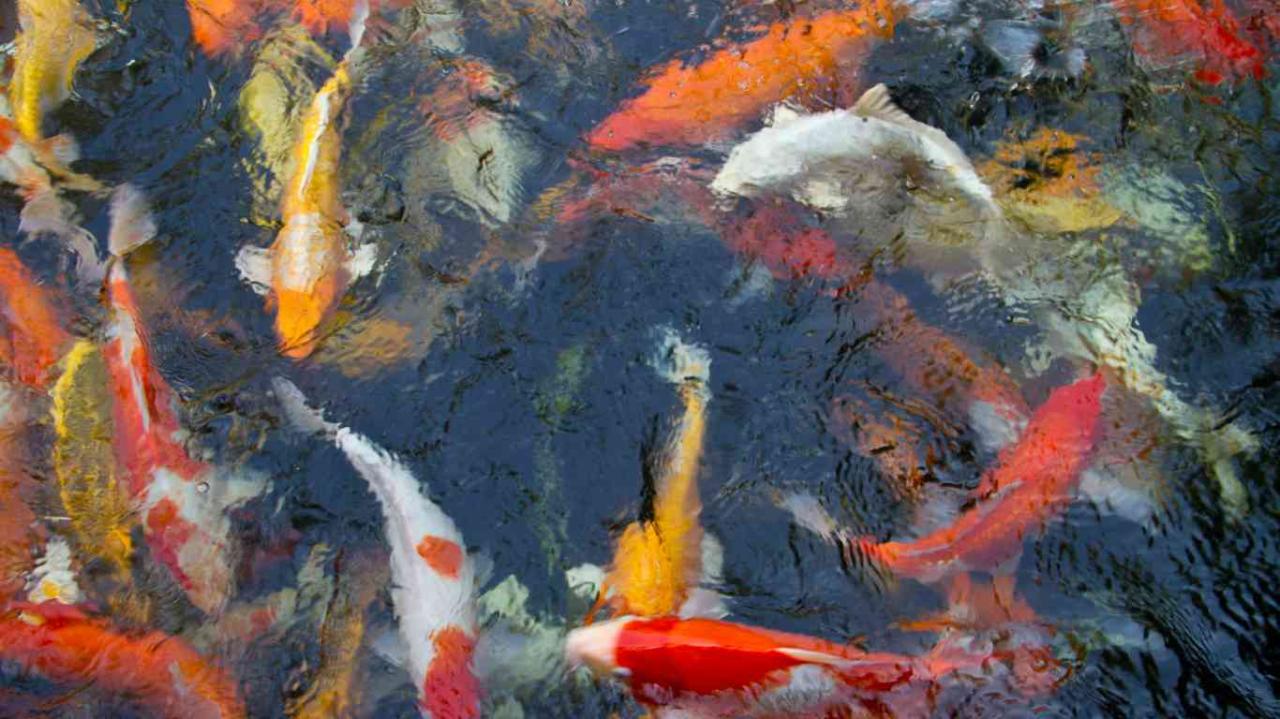
High nitrate levels in a koi pond can pose significant health risks to the fish, leading to stress, weakened immune systems, and increased susceptibility to disease. Recognizing the warning signs early and implementing effective troubleshooting procedures are essential steps in maintaining a healthy aquatic environment. Proper diagnosis and corrective actions can help restore water quality and ensure the well-being of the koi.
Addressing elevated nitrate levels involves a systematic approach that identifies underlying causes, mitigates immediate risks, and implements long-term prevention strategies. Understanding common signs of nitrate problems, investigating potential causes, and applying targeted solutions are crucial for sustainable pond management.
Signs Indicating Nitrate Problems in Koi Ponds
Monitoring koi behavior and water quality parameters can reveal signs of nitrate issues. Typical indicators include:
- Increased fish lethargy or reduced activity levels, suggesting stress or discomfort.
- Frequent gill flushing or rapid breathing, which may indicate respiratory distress caused by poor water quality.
- Loss of appetite or abnormal swimming patterns, often linked to toxic conditions.
- Algae overgrowth and cloudy water, both of which are associated with high nutrient levels including nitrates.
- Persistent foul odor emanating from the pond, signaling poor filtration and accumulated waste products.
Troubleshooting Procedures for Elevated Nitrate Levels
Implementing a structured troubleshooting process helps identify the root causes of nitrate spikes and guides corrective actions. The following steps Artikel an effective approach:
- Perform comprehensive water testing to confirm nitrate concentrations and assess other parameters such as ammonia, nitrite, pH, and dissolved oxygen.
- Review recent pond maintenance activities, feeding schedules, and stocking levels to identify potential sources of nutrient overload.
- Inspect biological filtration systems for adequacy and operational status, ensuring beneficial bacteria are active and effective.
- Examine pond debris, sediment buildup, and organic matter accumulation that may contribute to excessive nutrient release.
- Adjust filtration systems, perform partial water changes, and remove excess organic debris to reduce nitrate concentrations.
- Implement or enhance biological filtration by adding or increasing bio-media to promote nitrification.
- Limit feeding and avoid overstocking to minimize waste production and nutrient buildup.
Potential Causes of Nitrate Spikes and Corrective Actions
Understanding the common causes of nitrate increases allows pond owners to adopt targeted corrective measures effectively. The following table summarizes potential causes alongside recommended actions:
| Potential Cause | Corrective Action |
|---|---|
| Overfeeding or excessive feeding frequency | Reduce feeding amounts, feed high-quality food in moderation, and remove uneaten food promptly. |
| Overstocking of koi or other aquatic life | Gradually reduce fish density to sustainable levels, ensuring the filtration system can handle waste load. |
| Poor biological filtration or inactive beneficial bacteria | Enhance or replace bio-media, add beneficial bacteria supplements, and ensure proper water flow through filters. |
| Accumulation of organic debris and sediment | Perform regular pond cleaning, remove sludge, and vacuum sediment to prevent nutrient release into the water column. |
| Insufficient water changes or stagnant water conditions | Implement regular partial water changes to dilute nitrates, and improve circulation to prevent stagnation. |
| Algae overgrowth absorbing nutrients and producing toxins | Control algae through shading, UV sterilization, and nutrient reduction strategies such as decreasing feeding. |
Methods to Prevent Future Nitrate Accumulation and Maintain Water Quality
Prevention strategies focus on creating a balanced and sustainable pond environment that naturally limits nitrate buildup. These practices include:
- Maintaining an appropriate biological filtration system that fosters a healthy nitrification process, converting ammonia and nitrite into less harmful nitrates.
- Performing routine partial water exchanges, typically 10-20% weekly, to keep nitrate levels low and water parameters stable.
- Controlling feeding routines to match the koi’s dietary needs without excess, thereby reducing waste production.
- Managing plant growth, as aquatic plants can absorb nitrates, acting as natural biofilters, especially submerged and marginal plants.
- Regularly inspecting and cleaning filters and pond debris to prevent organic matter from decomposing and releasing nitrates.
- Monitoring water quality consistently using reliable test kits and maintaining logs to detect trends and address issues proactively.
Implementing a holistic approach that combines biological filtration, routine maintenance, and vigilant monitoring ensures optimal water quality and a healthy environment for koi.
Final Wrap-Up
In summary, managing nitrate levels in a koi pond is vital for ensuring the health and vitality of your fish. Through diligent monitoring, natural and chemical treatment methods, and regular maintenance, you can effectively control nitrate accumulation. Adopting these best practices will lead to a stable, thriving aquatic environment where your koi can flourish for years to come.