Understanding how to treat koi fish ulcers is essential for maintaining the health and beauty of your pond. These skin lesions can indicate underlying issues that, if not addressed promptly, may lead to more serious health complications for your koi. Proper identification and treatment are crucial to ensure a swift recovery and prevent recurrence.
This guide provides comprehensive steps on managing koi fish ulcers, from recognizing early signs and causes to implementing effective treatments and preventative measures. With attentive care and correct techniques, you can restore your koi’s well-being and keep your pond environment healthy and vibrant.
Understanding Koi Fish Ulcers
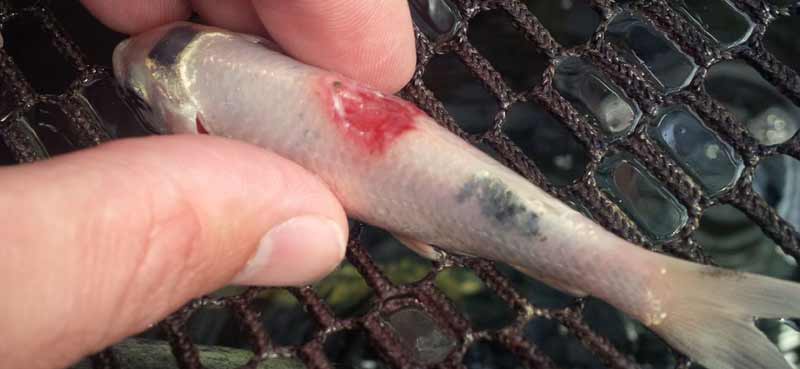
Koi fish ulcers are a common health concern that can significantly impact the well-being and aesthetics of your pond inhabitants. Recognizing the causes, symptoms, and development stages of these ulcers is essential for timely intervention and effective treatment. A comprehensive understanding of these aspects enables koi owners to maintain a healthy environment and promote the swift recovery of affected fish.
Ulcers in koi fish typically manifest as open wounds or raw patches on the fish’s body, fins, or gills. They can result from various environmental stressors, infections, or physical injuries. The progression of ulcers can vary from minor superficial abrasions to deep, invasive wounds that threaten the fish’s health. Being able to identify the early signs of ulcer development allows for prompt action, minimizing the risk of secondary infections and complications.
Causes and Symptoms of Koi Fish Ulcers
Understanding the underlying causes and observable symptoms of koi ulcers is crucial for prevention and treatment. Several factors contribute to ulcer formation, and their identification can help in addressing the root issues effectively.
- Causes of Koi Fish Ulcers
- Environmental Stressors: Poor water quality, sudden temperature fluctuations, or inadequate pond filtration can weaken the koi’s immune system and cause skin abrasions that develop into ulcers.
- Physical Injuries: Collisions with pond structures, sharp decorations, or aggressive interactions with other fish can cause cuts or punctures that become ulcerative wounds.
- Bacterial Infections: Bacteria such as Aeromonas and Pseudomonas can infect open wounds, leading to ulcer formation.
- Parasitic Infestations: Parasites like fish lice or flukes can cause irritation and skin damage, predisposing koi to ulcer development.
- Poor Water Quality: Elevated levels of ammonia, nitrites, or nitrates impair skin integrity and immune responses, facilitating ulcer formation.
- Common Symptoms of Ulcers
- Open, raw patches on the skin, fins, or gills with irregular edges
- Reddened or inflamed areas surrounding the wound
- Presence of white or grayish tissue or necrosis within the ulcer
- Lethargy or decreased activity levels
- Loss of appetite or refusal to feed
- Increased flashing or rubbing against pond surfaces
Ulcer Development Stages and Signs to Observe
Monitoring the progression of ulcers is vital for implementing appropriate treatment measures. Ulcer development typically occurs in stages, each characterized by specific signs that can guide intervention strategies.
| Cause | Symptom | Severity |
|---|---|---|
| Initial skin trauma or minor abrasion | Small, superficial sore with reddened edges | Low |
| Infection onset, bacterial invasion | Wound enlarges, becomes inflamed, pus may appear | Moderate |
| Advanced tissue necrosis or deep invasion | Ulcer deepens, tissue death, possible hole formation | Severe |
| Secondary complications or systemic infection | Signs of distress, lethargy, fin rot, or systemic illness | Critical |
Early detection of superficial ulcers and prompt intervention can prevent progression to severe tissue damage and systemic infections, ensuring better recovery outcomes for koi fish.
Immediate Treatment Procedures for Koi Ulcers
Prompt and effective intervention is crucial when addressing ulcers on koi fish to prevent secondary infections and promote healing. Immediate treatment procedures involve meticulous cleaning, disinfection, and isolation practices that help contain the problem and support recovery. Taking swift action not only alleviates the fish’s discomfort but also minimizes the risk of ulcer spread throughout the pond.
Implementing these procedures with care and precision ensures optimal healing conditions. Maintaining a clean environment and preventing cross-contamination are fundamental steps in managing koi ulcers effectively. Here, we detail the systematic approach to treating ulcers on koi fish, emphasizing essential steps to ensure successful recovery.
Cleaning and Disinfecting Ulcer Sites
Proper cleaning and disinfection of the ulcer site are vital to remove debris, bacteria, and any necrotic tissue that could hinder healing or lead to infection. The process must be gentle to avoid causing further stress or injury to the koi while ensuring the area is hygienic. A systematic approach with appropriate tools and solutions can significantly improve treatment outcomes.
The cleaning process involves carefully removing any loose tissue or debris around the ulcer, followed by disinfecting the area to eliminate pathogenic bacteria. Using suitable antiseptics helps create an optimal environment for tissue regeneration and prevents secondary infections. It is essential to be gentle yet thorough, as aggressive handling can worsen the wound or cause additional stress to the fish.
Step-by-Step Procedure
- Prepare a clean, disinfected workspace with all necessary supplies within reach.
- Gently net the koi to minimize stress, and carefully remove the fish from the pond or quarantine tank into a clean container filled with pond water or a mild antiseptic solution.
- Use a sterile, soft-bristled brush or cotton swab dipped in a mild antiseptic solution—such as a diluted iodine solution or chlorhexidine—to carefully clean around the ulcer site, removing any debris or necrotic tissue.
- Once cleaned, rinse the area with sterile water or a saline solution to remove residual disinfectant that could potentially harm the tissue.
- Apply a topical antiseptic or healing ointment recommended for koi fish to the ulcer site, ensuring even coverage.
- Return the koi to its quarantine or clean pond environment, observing the fish for any signs of distress or adverse reactions.
Isolation and Preventing Infection Spread
Isolating affected koi is a critical step in preventing the spread of infection within the pond ecosystem. Proper quarantine procedures reduce the risk of secondary infections and facilitate targeted treatment. Isolation also allows close monitoring of the ulcer’s progress and minimizes stress on other fish.
Designated quarantine tanks should be well-maintained, with optimal water quality, temperature, and aeration to support healing. During isolation, it’s essential to minimize handling and disturbance, as stress can inhibit recovery. Additionally, employing strict hygiene measures during feeding and maintenance helps prevent cross-contamination.
Regular inspection of the isolated fish allows early detection of complications or signs of worsening ulcers, enabling prompt adjustments in treatment. Maintaining a clean environment and monitoring water parameters closely are key components of effective isolation management.
Essential Supplies Needed for Initial Treatment
Having the right supplies on hand ensures the treatment process is efficient and effective. The following list includes necessary tools and substances for initial ulcer treatment on koi fish:
- Sterile cotton swabs or soft brushes for gentle cleaning
- Antiseptic solutions suitable for fish, such as diluted iodine or chlorhexidine
- Saline solution or sterile water for rinsing
- Healing ointments or topical antiseptics approved for aquatic use
- Net or fish handling tools to safely transfer koi
- Quarantine tank or clean container for initial handling
- Thermometer and water testing kits to monitor water quality during treatment
- Gloves to maintain hygiene and protect both the handler and fish
Ensuring all supplies are sterile and appropriate for aquatic environments maximizes treatment efficacy and minimizes additional risks to the koi.
Medication and Healing Aids
Effective treatment of koi ulcers often requires a combination of medicated therapies and supportive healing aids to promote recovery and prevent secondary infections. Proper selection and application of these treatments are essential in facilitating swift and complete healing of ulcer wounds, thereby maintaining the overall health and vitality of the koi fish. While pharmaceuticals target bacterial or fungal infections associated with ulcers, natural remedies and supplements can significantly support the fish’s immune response and expedite tissue regeneration.
Implementing an appropriate treatment regimen, tailored to the severity of the ulcer and the specific needs of the koi, greatly enhances the chances of successful healing.
Medicated Treatments for Koi Ulcers
Medicated treatments include topical ointments and bath treatments that are specifically formulated to combat infections and reduce inflammation around ulcerated areas. These treatments are often recommended by aquatic veterinarians and are available in various formulations suitable for koi. Topical ointments typically contain antibacterial and antifungal agents such as erythromycin, nitrofurazone, or acriflavine. These are applied directly onto the ulcer after cleaning the affected area, ensuring targeted action against pathogens while minimizing systemic drug exposure.Bath treatments involve immersing the koi in medicated solutions containing substances like malachite green, formalin, or chloramine-T.
These baths help to treat the entire fish, especially when multiple ulcers or systemic infections are suspected. The duration and concentration of baths should be carefully controlled to avoid stress or toxicity.
Natural Remedies and Supplements
Supporting the koi’s immune system and promoting tissue repair can be effectively achieved through natural remedies and dietary supplements. These options are often used alongside medicated treatments to enhance healing outcomes.Some natural remedies include herbal extracts such as garlic or neem oil, which possess antimicrobial properties. Incorporating powdered garlic into the diet or adding neem oil to the water can help inhibit bacterial growth and strengthen the fish’s immune defenses.Supplements rich in vitamins C and E, as well as amino acids like lysine and arginine, promote tissue regeneration and boost immunity.
Commercial koi health supplements often contain these nutrients in bioavailable forms, making them easy to incorporate into daily feeding routines.
Effective medication and healing aids should be selected based on the ulcer’s severity, pathogen involvement, and the overall health status of the koi. Consulting with an aquatic veterinarian ensures the use of appropriate treatments and dosages to optimize recovery.
Comparison of Treatment Options
Below is a table comparing various medicated and natural treatments, highlighting their application methods and expected effectiveness in treating koi ulcers.
| Type of Treatment | Application Method | Effectiveness |
|---|---|---|
| Topical Antibiotic Ointments | Applied directly to cleaned ulcer surface, typically once or twice daily. | High; effectively reduces bacterial load and promotes localized healing when used correctly. |
| Medicated Bath Treatments | Immersing koi in medicated water for 10-30 minutes, once or twice a week. | Moderate to high; effective for systemic infections and multiple ulcers, but requires careful dosage. |
| Herbal Extracts (e.g., Garlic, Neem) | Added to water or diet; garlic can be minced into food, neem oil diluted in water. | Supportive; enhances immune response and provides antimicrobial effects, but not a primary treatment. |
| Supplements (Vitamins C and E, Amino Acids) | Mixed into feed or dissolved in water, administered daily. | Supportive; accelerates tissue repair and boosts immunity, complementing medicated treatments. |
Water Quality Management During Ulcer Treatment
Maintaining optimal water quality is essential for the successful healing of koi fish ulcers. During treatment, a stable and clean aquatic environment minimizes stress and prevents secondary infections, supporting the immune response of the fish. Regular monitoring and precise adjustments of water parameters are critical as they influence the overall health and recovery process of affected koi.
Proper water management involves understanding the ideal ranges for key water chemistry components and implementing corrective actions promptly when deviations occur. Consistent testing, coupled with timely interventions, helps create a conducive environment for ulcer healing and reduces the risk of complications or further health issues.
Guidelines for Maintaining Optimal Water Parameters
Achieving and sustaining ideal water conditions during ulcer treatment involves adherence to specific parameter ranges and routine checks. It is recommended to maintain the following water quality parameters to promote effective healing:
| Parameter | Recommended Range | Corrective Actions |
|---|---|---|
| pH | 7.0 – 8.0 |
|
| Ammonia | 0.0 ppm (ideally undetectable) |
|
| Nitrite | 0.0 ppm (ideally undetectable) |
|
| Nitrate | less than 40 ppm |
|
Procedures for Water Testing and Adjustments
Consistent and accurate testing of water parameters ensures that the environment remains within safe ranges for healing. Use reliable test kits or electronic testers to monitor pH, ammonia, nitrite, and nitrate levels at least twice weekly, or more frequently if necessary. Record results to observe trends and make informed adjustments.
When parameters fall outside recommended ranges, execute targeted corrective actions promptly. For example, if ammonia levels rise above zero, immediately perform partial water changes, verify filtration efficiency, and reduce feeding to minimize waste accumulation. Adjust pH using appropriate buffers with caution, ensuring changes are gradual to prevent additional stress. Addressing water quality issues swiftly helps to create a stable environment that fosters ulcer healing and overall koi health.
Preventative Measures to Avoid Future Ulcers
![What Causes Ulcers On Koi Fish? [2024 Guide] - Gold Koi Fish](https://teknologia.web.id/wp-content/uploads/2025/09/What-Causes-Ulcers-On-Koi-Fish-1024x535-1.jpg "What Causes Ulcers On Koi Fish? [2024 Guide] - Gold Koi Fish")
Ensuring the health and well-being of koi fish involves proactive strategies to prevent the occurrence of ulcers. Adopting best practices in pond maintenance, providing a nutritious diet, and monitoring environmental conditions are essential components of an effective prevention plan. By implementing these measures, koi owners can significantly reduce the risk of ulcer development and promote a thriving aquatic environment.Proper pond hygiene and regular maintenance are fundamental to creating a sterile and safe habitat for koi.
Maintaining clean water, removing debris, and preventing the buildup of organic waste minimize the presence of harmful bacteria and parasites that can compromise fish skin integrity. Using mechanical and biological filtration systems effectively reduces particulate matter and toxins, thereby supporting overall water quality. Routine inspections for injuries or signs of stress enable early intervention, preventing minor issues from escalating into ulcers.A well-balanced diet plays a critical role in enhancing the skin’s resilience and immune response.
Feeding koi high-quality, nutritionally complete foods rich in vitamins C and E, omega-3 fatty acids, and trace minerals fosters healthy skin and mucous membranes. Incorporating live or frozen foods such as brine shrimp or bloodworms can supplement dietary variety and improve overall health. Avoid overfeeding, which can lead to water quality deterioration and increase stress levels, making fish more susceptible to ulcers.Environmental factors must be carefully monitored to maintain optimal conditions and prevent ulcer formation.
Key aspects include:
- Water Temperature: Maintaining stable temperatures within the optimal range (around 18-25°C or 65-77°F) reduces stress and promotes immune function.
- pH Levels: Keeping pH between 7.0 and 8.0 ensures a stable environment that minimizes skin irritation.
- Ammonia and Nitrite Levels: Regular testing to keep these toxins at zero prevents skin burns and ulceration caused by chemical irritants.
- Oxygen Saturation: Ensuring sufficient aeration prevents hypoxia, which can weaken immune defenses.
- Water Hardness and Minerals: Maintaining appropriate mineral levels supports skin health and mucous production.
Consistent water testing, coupled with timely adjustments, creates a safer environment that diminishes ulcer risk and supports koi vitality.
Monitoring and Follow-up Care
![How Do You Treat Fish Ulcers? [2025 Guide] - Gold Koi Fish](https://teknologia.web.id/wp-content/uploads/2025/09/How-Do-You-Treat-Fish-Ulcers.jpg "How Do You Treat Fish Ulcers? [2025 Guide] - Gold Koi Fish")
Effective recovery from koi fish ulcers relies heavily on diligent monitoring and consistent follow-up care. Observing healing progress allows for timely detection of issues that may hinder recovery or indicate complications. Regular assessments help ensure the ulcer is healing properly and that the fish remains healthy throughout the process.
Proper ongoing care involves routine inspections, maintaining optimal water conditions, and adjusting treatments as necessary. Recognizing early signs of potential problems such as infection, stress, or relapse is crucial to prevent setbacks. In cases where complications arise or healing stalls, seeking veterinary assistance ensures that advanced interventions or medications are administered promptly to facilitate full recovery.
Observation of Healing Progress and Potential Complications
Monitoring koi ulcers involves both visual inspections and behavioral assessments. The key is to identify signs that indicate positive healing or emerging issues. Consistent observation helps detect subtle changes that could affect the overall health and recovery trajectory of the fish.
Signs of healing include reduction in ulcer size, formation of healthy tissue, diminished redness or inflammation, and the absence of secondary infections such as fungal growth or discoloration. Conversely, warning signs that require immediate attention include increased ulcer size, the appearance of white or fuzzy patches indicating secondary infections, swelling, lethargy, loss of appetite, or abnormal swimming behavior. Such indicators suggest that additional treatment adjustments or veterinary intervention are necessary to prevent worsening of the condition.
Procedures for Ongoing Care and When to Seek Veterinary Assistance
Maintaining a clean, stable environment is essential during follow-up care. Regular water testing ensures parameters such as pH, ammonia, nitrite, and nitrate levels remain within safe ranges, minimizing stress and preventing further health issues. Daily visual inspections should be conducted, focusing on the ulcer site, overall activity, and behavior patterns.
Record keeping of observations, water quality, and treatment adjustments supports a structured approach to recovery. If signs of deterioration—such as increased ulcer size, persistent redness, swelling, or behavioral changes—are observed, immediate consultation with an aquatic veterinarian is recommended. Professional assessment may involve diagnostic tests, specialized medications, or advanced wound care techniques to ensure proper healing and prevent secondary infections.
Healing Progress Tracking Table
| Timeframe | Signs of Healing | Warning Indicators |
|---|---|---|
| Days 1-7 | Initial reduction in ulcer redness, beginning tissue regeneration, and decreased swelling. | Persistent or increased redness, swelling, or ulcer size, presence of white or fuzzy patches indicating secondary infection. |
| Weeks 2-3 | Formation of new tissue, ulcer edges appear less inflamed, and koi resume normal activity levels. | Ulcer stagnates in size, tissue appears necrotic or blackened, or secondary fungal infections develop. |
| Weeks 4 and beyond | Ulcer fully closes, healthy skin forms, and koi demonstrates normal swimming and feeding behavior. | Reopening of the ulcer, unexplained lethargy, or new ulcer formation, indicating underlying issues or incomplete healing. |
Note: Regular monitoring and appropriate interventions are vital for successful healing. If uncertain signs are observed, prompt veterinary consultation can prevent complications and support complete recovery.
Common Mistakes and How to Avoid Them
Treating koi ulcers accurately is vital for successful healing and preventing further health issues. However, several common mistakes can hinder recovery or even worsen the condition. Recognizing these errors and implementing proper strategies is essential for maintaining your koi’s health and ensuring a smooth healing process.Incorrect treatment approaches can lead to secondary infections, prolonged healing times, or permanent tissue damage.
It is crucial to adhere strictly to recommended procedures and avoid shortcuts that compromise effective care. Understanding these pitfalls enables koi keepers to provide the best possible environment and treatment for their fish during ulcer recovery.
Misapplication of Medications
One of the most frequent errors is the incorrect use of medications and healing aids. Some koi keepers may overuse antibiotics or apply treatments too frequently, which can disrupt the fish’s natural healing process or promote antibiotic resistance. Conversely, under-dosing or delaying medication application can leave the ulcer vulnerable to secondary bacterial or fungal infections.To prevent this, always follow the dosage instructions provided by veterinarians or product labels carefully.
Use medications specifically designed for koi or freshwater fish, and avoid using human medicines unless explicitly advised by a professional. Regularly monitor the ulcer’s response to treatment, adjusting as needed under expert guidance.
Neglecting Water Quality Management
Maintaining optimal water quality is critical during ulcer treatment. Poor water conditions, such as high ammonia, nitrite, or nitrate levels, can impair the immune response of koi and impede healing. Many koi owners overlook the importance of frequent water testing and adjustments, risking additional stress and infections.Effective strategies include performing regular water changes, ensuring proper filtration, and monitoring key parameters diligently.
Use water conditioners to remove toxins and stabilize water chemistry. Consistent water quality supports the immune system and helps prevent secondary complications.
Failing to Prevent Secondary Infections
Secondary infections are common complications in ulcer cases, especially if initial wounds are not properly managed. Failing to keep the ulcer clean or allowing bacteria and fungi to colonize the wound can lead to severe tissue destruction and systemic illness.Preventative measures involve diligent hygiene practices, such as gentle cleaning of the ulcer area, avoiding abrasive treatments, and applying topical antiseptics as recommended.
Keep the environment clean and free from excess organic debris, which can harbor pathogenic organisms. Additionally, avoid handling koi unnecessarily to reduce stress and risk of infection.
Ignoring Correct Treatment Duration and Follow-up
Another frequent mistake is discontinuing treatment prematurely or neglecting follow-up care. Some koi owners may think the ulcer has healed when it appears closed but residual bacteria or fungi may still be present beneath the surface, risking recurrence.Implement a structured follow-up schedule to monitor healing progress. Continue treatments until the ulcer is fully healed and no signs of infection remain.
Regular observation and, if necessary, consultation with a veterinarian help ensure complete recovery and prevent relapse.
Do’s and Don’ts for Effective Ulcer Treatment
To maximize healing success and minimize risks, adhere to these important do’s and don’ts:
- Do: Follow treatment protocols precisely, including medication dosages and timing.
- Do: Maintain high water quality through regular testing and water changes.
- Do: Keep the affected area clean and free of organic debris.
- Do: Observe your koi regularly for signs of improvement or complications.
- Don’t: Use antibiotics or medications without professional advice or proper diagnosis.
- Don’t: Disregard water quality issues or neglect water testing during treatment.
- Don’t: Attempt to treat the ulcer with abrasive or unapproved substances that may cause tissue damage.
- Don’t: Discontinue treatment prematurely once the ulcer appears to have healed.
Conclusive Thoughts
In conclusion, effectively treating koi fish ulcers involves a combination of proper diagnosis, timely intervention, and ongoing maintenance. By following best practices for water quality, hygiene, and nutrition, you can significantly reduce the risk of future ulcers and promote a thriving, healthy pond ecosystem. Regular monitoring and responsible care are key to ensuring your koi remain resilient and beautiful for years to come.