Understanding how to feed koi fish properly is crucial for maintaining their health and ensuring vibrant, thriving ponds. Proper nutrition supports growth, enhances coloration, and prevents common health issues, making it an essential aspect of responsible koi keeping. This guide provides comprehensive insights into nutritional needs, suitable foods, and effective feeding practices to help you care for your koi fish optimally.
From selecting the right types of food to establishing appropriate feeding schedules across different seasons, this information aims to equip koi enthusiasts with the knowledge necessary for balanced and effective feeding routines. Proper management ensures your koi remain healthy, active, and beautiful throughout the year.
Understanding the Nutritional Needs of Koi Fish
Providing proper nutrition is fundamental to maintaining healthy, vibrant, and thriving koi fish. Recognizing the specific dietary requirements of koi not only promotes optimal growth but also enhances their immune system, coloration, and overall longevity. A well-balanced diet tailored to their developmental stage and seasonal changes can significantly influence their health and vitality.
Koi fish are omnivorous creatures with diverse nutritional needs that vary based on age, environment, and seasonal cycles. Their diet must supply essential nutrients in appropriate proportions to support metabolic processes, tissue repair, and energy requirements. Understanding these needs allows koi owners and aquarists to select or formulate optimal feeds, ensuring their aquatic companions flourish throughout the year.
Essential Nutrients for Healthy Koi Growth
Healthy koi require a balanced intake of key nutrients, each serving vital functions in their development and wellbeing. The primary categories include proteins, fats, carbohydrates, vitamins, and minerals, all contributing to different aspects of their health.
Proteins are crucial for growth, tissue repair, and immune function. Fats serve as dense energy sources, aiding in the absorption of fat-soluble vitamins and providing insulation, especially in colder months. Carbohydrates supply quick energy, supporting daily activity and metabolic processes. Vitamins facilitate various physiological functions, including vision, skin health, and metabolic regulation. Minerals such as calcium, phosphorus, and magnesium are essential for skeletal development, enzymatic activities, and overall metabolic balance.
Ensuring a diet that covers these nutritional bases helps koi maintain their coloration, vitality, and disease resistance. A deficiency or imbalance in any of these nutrients can lead to health issues, stunted growth, or poor coloration, emphasizing the importance of nutritional knowledge for koi caretakers.
Dietary Needs Based on Age and Season
The dietary requirements of koi fish are dynamic, changing with age and seasonal conditions. Juvenile koi require higher protein levels to support rapid growth and development, while mature koi focus more on maintenance and pigmentation.
During their early stages, koi need diets rich in high-quality proteins such as fish meal or shrimp meal to promote proper muscle and tissue formation. As they mature, lower protein diets are sufficient, with an increased emphasis on maintaining color and health. Seasonal variations also impact feeding strategies; for instance, in colder months, koi have slower metabolisms and require less food, with diets that include easily digestible ingredients and possibly higher fat content to sustain energy during inactivity.
In summer, when koi are most active, their dietary needs increase, with a focus on carbohydrate-rich feeds to support energy demands. Conversely, during fall and winter, feeding should be reduced, and diets should be tailored to prevent digestion-related issues and to sustain their health through colder temperatures.
Note: Adjusting the diet according to age and season ensures koi receive optimal nutrition while minimizing waste and preventing health problems associated with overfeeding or underfeeding.
Types of Food Suitable for Koi Fish
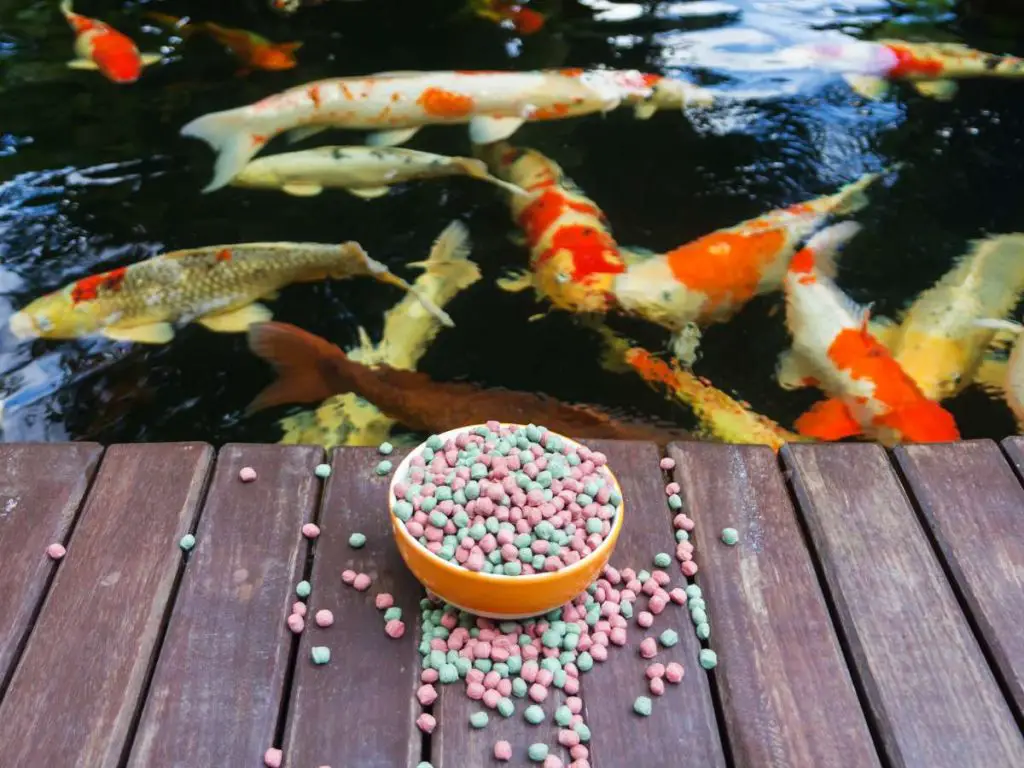
Feeding koi fish with the appropriate types of food is essential for their health, growth, and vibrant coloration. A well-rounded diet includes commercial feeds designed specifically for koi, as well as natural and supplemental foods that enhance their wellbeing. Understanding the diverse options available allows pond owners to create a balanced feeding regimen tailored to the needs of their koi.
While commercial feeds provide convenient and nutritionally balanced options, incorporating natural foods can enrich their diet and promote overall vitality. Selecting suitable foods involves considering factors such as nutrient content, digestibility, and ease of use, ensuring koi receive optimal nutrition for different life stages and environmental conditions.
Commercial Koi Feeds
Commercial feeds are formulated to meet the specific nutritional requirements of koi fish, offering a variety of forms to suit their preferences and feeding habits. These feeds are designed to support growth, coloration, and immune health, making them a preferred choice among koi enthusiasts and breeders.
- Pellets: The most common form, available in floating and sinking varieties. Floating pellets allow for easy observation of feeding behavior and prevent overfeeding, while sinking pellets are beneficial for larger koi or those that prefer to feed at the bottom of the pond.
- Flakes: Suitable for smaller koi or juvenile fish, flakes are easy to digest and can be fed in small quantities. They are generally less durable and may lose nutritional value if not stored properly.
- Sticks: Harder than pellets and flakes, sticks slowly dissolve in water, promoting sustained feeding. They are ideal for large koi and outdoor ponds due to their durability.
Natural and Supplemental Foods
In addition to commercial feeds, natural and supplemental foods serve as valuable components of a balanced koi diet. These foods can enhance coloration, stimulate natural feeding behaviors, and provide additional nutrients that may not be present in prepared feeds.
- Vegetables: Leafy greens like lettuce, spinach, and peas are excellent sources of fiber and vitamins. They can be sliced and floated on the water surface or placed in a feeding clip for easy consumption.
- Fruits: Small portions of fruits such as oranges, strawberries, and watermelon offer vitamin C and antioxidants. They should be given sparingly to prevent digestive issues.
- Live Foods: Bloodworms, daphnia, and tubifex worms are rich in protein and stimulate natural hunting instincts. These are particularly beneficial during breeding seasons or for koi requiring extra energy.
Comparison of Feeding Options
Understanding the benefits and drawbacks of various feeding options helps in selecting the most suitable foods for koi. The table below summarizes key aspects of commercial feeds and natural supplements:
| Food Type | Benefits | Drawbacks |
|---|---|---|
| Pellets | Balanced nutrition, easy to monitor consumption, supports growth and coloration | Can cloud water if overfed, some may sink or float unevenly |
| Flakes | Ideal for small and juvenile koi, quick to digest, easy to feed | Less durable, prone to rapid spoilage, may lose nutrients if not stored properly |
| Sticks | Long-lasting, suitable for large koi, minimizes water clouding | Harder to consume for small koi, can cause overfeeding if not monitored |
| Vegetables | Rich in fiber and vitamins, supports digestion and coloration | May sink or float unpredictably, requires preparation and slicing |
| Fruits | Provides antioxidants, enhances coloration, boosts immune health | High sugar content, should be given in moderation to prevent digestive issues |
| Live Foods | High protein, stimulates natural hunting, improves vitality | Potential for introducing parasites or contaminants, requires proper handling |
“Combining commercial feeds with natural foods ensures a well-rounded diet that promotes healthy growth, vibrant coloration, and strong immune responses in koi fish.”
Establishing a Feeding Schedule
Creating a consistent and well-structured feeding schedule is essential for maintaining the health, coloration, and vitality of koi fish. Proper timing and frequency of feeding not only prevent overfeeding and underfeeding but also promote optimal growth and immune function. A thoughtfully planned schedule considers daily routines, weekly variations, and seasonal changes, aligning feeding practices with environmental conditions and fish activity levels.
Adjusting the feeding schedule according to water temperature and fish activity ensures that koi receive adequate nutrition without risking water quality issues or health problems. Moreover, implementing step-by-step procedures to monitor and control feeding quantities can help hobbyists and professionals maintain healthy pond ecosystems and happy, thriving koi.
Daily, Weekly, and Seasonal Feeding Timetable
Establishing a clear timetable helps in maintaining consistency and allows for easy adjustments as needed. The schedule should be based on the koi’s natural behavior, water conditions, and seasonal variations, ensuring they are fed optimally throughout the year.
- Daily Routine: Feed koi 2-3 times a day during warmer months when they are most active. In cooler months, reduce feeding frequency to once daily or every other day, depending on activity levels. For example, during spring and summer, feeding can occur early morning, midday, and late afternoon. In winter, feeding should be limited to once a day or skipped if temperatures fall below 50°F (10°C).
- Weekly Variations: Incorporate slight variations in feeding amounts based on fish size and activity; for instance, slightly increase food during growth spurts or more active periods and decrease during rest phases.
- Seasonal Adjustments: Align feeding practices with seasonal water temperatures. During spring and fall, gradually shift from high to lower feeding frequencies. In winter, when koi’s metabolism slows, minimize feeding or cease entirely to prevent digestive issues and water quality deterioration.
Adjusting Feeding Frequency Based on Water Temperature and Fish Activity
The metabolic rate of koi is directly influenced by water temperature, which affects their appetite and digestion. Monitoring these parameters and adjusting feeding accordingly is vital for their health and pond stability.
Water temperatures below 50°F (10°C) significantly slow koi metabolism; feeding should be minimal or halted to avoid overburdening their digestive system.
In warmer months, typically between 68°F (20°C) and 86°F (30°C), koi exhibit higher activity levels and require more frequent feeding. Conversely, when water temperatures drop below 60°F (15°C), their activity diminishes, and feeding should be reduced to prevent uneaten food from decaying and polluting the pond.
To adjust feeding frequency effectively:
- Regularly measure water temperature using a reliable thermometer, noting fluctuations throughout the day.
- Observe koi activity levels; energetic swimming indicates readiness for more frequent feedings, while sluggish behavior suggests reducing intake.
- Gradually modify feeding schedules by decreasing or increasing the number of feedings per day, aligning with the current water temperature and activity levels.
- Keep a feeding log to track adjustments and koi responses over time, enabling fine-tuning of the schedule for optimal health.
Procedures to Avoid Overfeeding and Underfeeding
Maintaining the right balance in feeding is crucial for preventing water quality issues and ensuring koi health. Overfeeding can lead to excess nutrients in the pond, promoting algae growth and deteriorating water quality, while underfeeding may cause malnutrition and stunted growth.
- Start with a Moderate Quantity: Offer an amount of food that koi can consume within 5 minutes, adjusting based on their response.
- Observe Fish Behavior: If koi actively forage and consume all the food within a few minutes, increase the portion slightly. If uneaten food remains after 10 minutes, reduce the amount in subsequent feedings.
- Use the “Two-Minute” Rule: Feed only what koi can eat within two minutes, then remove any leftovers to prevent water contamination.
- Monitor Water Quality: Regularly test parameters such as ammonia, nitrite, and nitrate levels. Elevated readings may indicate overfeeding and necessitate reducing feeding quantities.
- Adjust for Seasonal Changes: During colder months, decrease feeding frequency and quantity proportionally to koi activity and water temperature to avoid stress and waste accumulation.
Consistent observation and gradual adjustments are key to establishing a balanced feeding routine that promotes koi health and water clarity.
Proper Feeding Techniques
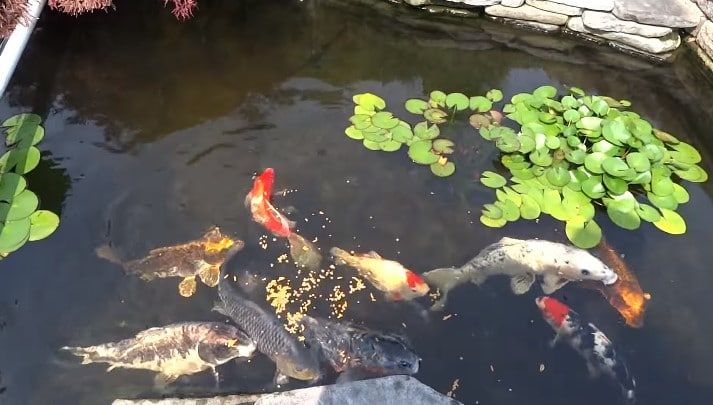
Feeding koi fish efficiently is essential to maintaining their health, ensuring optimal growth, and preventing water quality issues in the pond. Proper feeding techniques involve not only selecting suitable food but also delivering it in a manner that minimizes waste and promotes natural foraging behaviors.
Implementing systematic feeding practices helps prevent overfeeding, which can lead to water pollution, and underfeeding, which can compromise the koi’s immune system and growth potential. The following guide offers a structured approach to feeding koi fish properly, emphasizing precision, consistency, and attentiveness to their behavioral cues.
Step-by-Step Guide to Feeding Koi Fish Effectively
Adhering to a methodical feeding routine ensures that koi receive the nutrients they need without excess wastage. Each step in the process plays a vital role in fostering a healthy and balanced ecosystem within the pond.
- Assess the Fish’s Appetite and Behavior: Observe the koi during feeding times to gauge their hunger levels and activity. Healthy koi should actively approach the food and display enthusiastic feeding behavior.
- Dispense Small Portions: Offer a limited amount of food initially, typically enough that all fish can consume within 5 to 10 minutes. Using a scoop or hand, distribute the food gradually across different areas of the pond surface.
- Disperse Food Evenly: Spread the food across the pond surface in a manner that encourages natural foraging, preventing crowding and competition. This helps reduce the likelihood of uneaten food settling in the pond, which can degrade water quality.
- Monitor Fish Response: Watch for signs of complete consumption or leftover food. If all the food is consumed rapidly, consider increasing the portion slightly; if there is leftover, reduce the portion to prevent waste.
- Remove Excess Food: After 15 minutes, remove any uneaten food to maintain water clarity and quality. Use a pond net or siphon to clear residuals effectively.
- Adjust Feeding Quantities Accordingly: Based on observation, modify the amount and frequency of feeding to match the koi’s growth stage, season, and activity level.
Dispersing Food Evenly Across the Pond Surface
Distributing food evenly across the pond surface is crucial for preventing localized water contamination and ensuring all koi have equitable access to nutrients. Uneven feeding can lead to aggressive competition, stress, and uneven growth among the fish.
To achieve even dispersion, use a wide-handled scoop or a gentle hand toss to spread small portions gradually over different sections of the pond. During feeding, observe the distribution pattern and make adjustments to cover any areas that might be overlooked, especially in larger ponds or those with multiple koi species.
“Consistent and even distribution of food promotes natural foraging behaviors and maintains water quality.”
Sample Feeding Routine with Visual Cues
A well-structured routine incorporates natural signs from the koi to determine when to increase, maintain, or decrease feeding levels. Following this routine fosters healthy growth and aligns feeding practices with the koi’s physiological needs throughout different seasons and activity phases.
Here’s an example of a typical daily routine with visual cues:
| Time of Day | Feeding Amount | Visual Cues | Adjustments |
|---|---|---|---|
| Morning (8:00 AM) | Small amount, enough for 5 minutes | Koi actively swimming towards food, minimal leftover | Maintain the same level; observe for increased activity |
| Midday (12:00 PM) | Moderate amount, 7-10 minutes of feeding | Koi respond enthusiastically, minimal uneaten food | Increase slightly if koi seem eager, ensure food is dispersed evenly |
| Evening (5:00 PM) | Same as midday or slightly reduced | Fish are less active, some koi may be less interested | Reduce amount if leftover persists; avoid overfeeding late in the day |
| Seasonal Adjustment | Adjust based on water temperature and koi activity | In colder months, reduce feeding; in warmer months, increase as needed | Always observe koi behavior; decrease feeding if fish show signs of fullness or if water quality declines |
Utilizing visual cues such as activity level, enthusiasm for food, and leftover residues helps tailor the feeding routine to meet the koi’s needs while maintaining pond health. Consistent monitoring and adjustments are the keys to successful and sustainable koi feeding practices.
Managing Feeding During Different Seasons
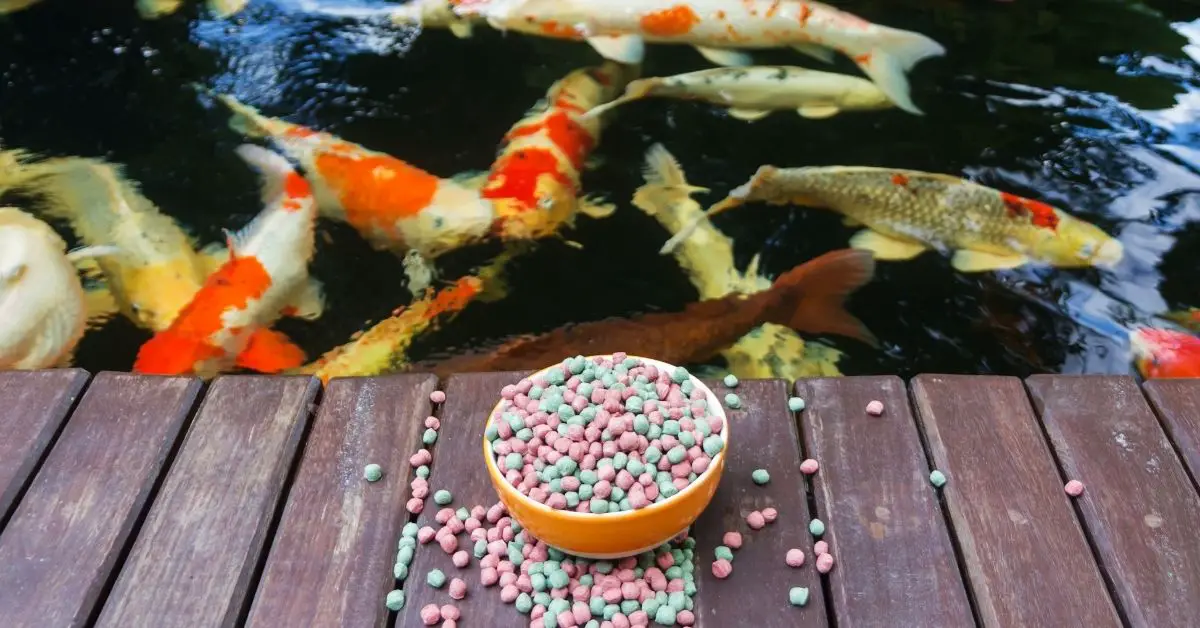
Properly adjusting feeding practices throughout the year is essential for maintaining healthy koi and ensuring optimal water quality. Seasonal variations in temperature significantly influence koi’s metabolic rates and digestion, necessitating tailored feeding strategies that align with environmental conditions. Recognizing these changes helps prevent overfeeding, reduces waste accumulation, and promotes overall pond health.
As temperatures fluctuate, koi require different types and amounts of food. During warmer months, koi are more active and have higher metabolic demands, whereas colder months slow down their digestion and activity. Implementing season-specific feeding routines supports their well-being, helps prevent nutritional deficiencies, and minimizes water quality issues caused by uneaten food or excess waste.
Seasonal Feeding Practices Comparison Table
Below is an organized comparison of recommended feeding practices for koi across the four seasons, highlighting key considerations such as temperature ranges, feeding quantities, and food types:
| Season | Temperature Range | Feeding Frequency | Type of Food | Feeding Quantity | Additional Tips |
|---|---|---|---|---|---|
| Spring | 10°C – 20°C (50°F – 68°F) | 2-3 times daily | High-protein, floating pellets, gradually introducing live or fresh foods | Start with small quantities, increasing as water warms | Monitor water temperature closely; avoid overfeeding in early spring |
| Summer | 20°C – 30°C (68°F – 86°F) | 3-4 times daily | High-quality, floating pellets, supplemented with vegetables and fruits | Moderate amounts to prevent excess waste | Feed during cooler parts of the day to prevent overexertion |
| Autumn | 10°C – 20°C (50°F – 68°F) | Reduce gradually to 1-2 times daily | Lower-protein, easily digestible pellets, slow sinking varieties | Reduce quantity; avoid overfeeding as temperatures decline | Observe koi for signs of sluggishness; reduce feeding accordingly |
| Winter | Below 10°C (50°F) | Minimal or no feeding | Minimal or no food; consider specialized winter formulas if koi are active | Very limited; primarily rely on stored energy reserves | Ensure pond is properly aerated; prevent overfeeding which can deteriorate water quality |
Tips for Preventing Food Spoilage and Water Quality Issues During Colder Months
Colder temperatures not only slow koi’s digestion but also increase the risk of food spoilage, which can compromise water quality and harm aquatic life. To mitigate these risks, it is essential to adopt specific practices that keep the pond environment healthy during winter.
- Use specialized winter or low-temperature formulated feeds that are designed to be easily digestible and less prone to decomposition in cold water.
- Feed sparingly and only when koi are actively feeding, usually during warmer spells or when water temperatures rise above 10°C.
- Remove any uneaten food promptly to prevent decay and excess nutrient buildup, which can lead to algae blooms and deteriorate water quality.
- Maintain good aeration and circulation within the pond, as cold water holds more dissolved oxygen, reducing the risk of hypoxia caused by decomposing organic matter.
- Monitor water temperatures regularly and adjust feeding accordingly to avoid overfeeding in low-temperature conditions, which can cause organic matter accumulation and water fouling.
Proper winter feeding practices are crucial for preventing water quality issues and ensuring koi health during colder months. Always prioritize minimal feeding and spoilage prevention to maintain a balanced pond ecosystem.
Recognizing and Preventing Overfeeding and Underfeeding
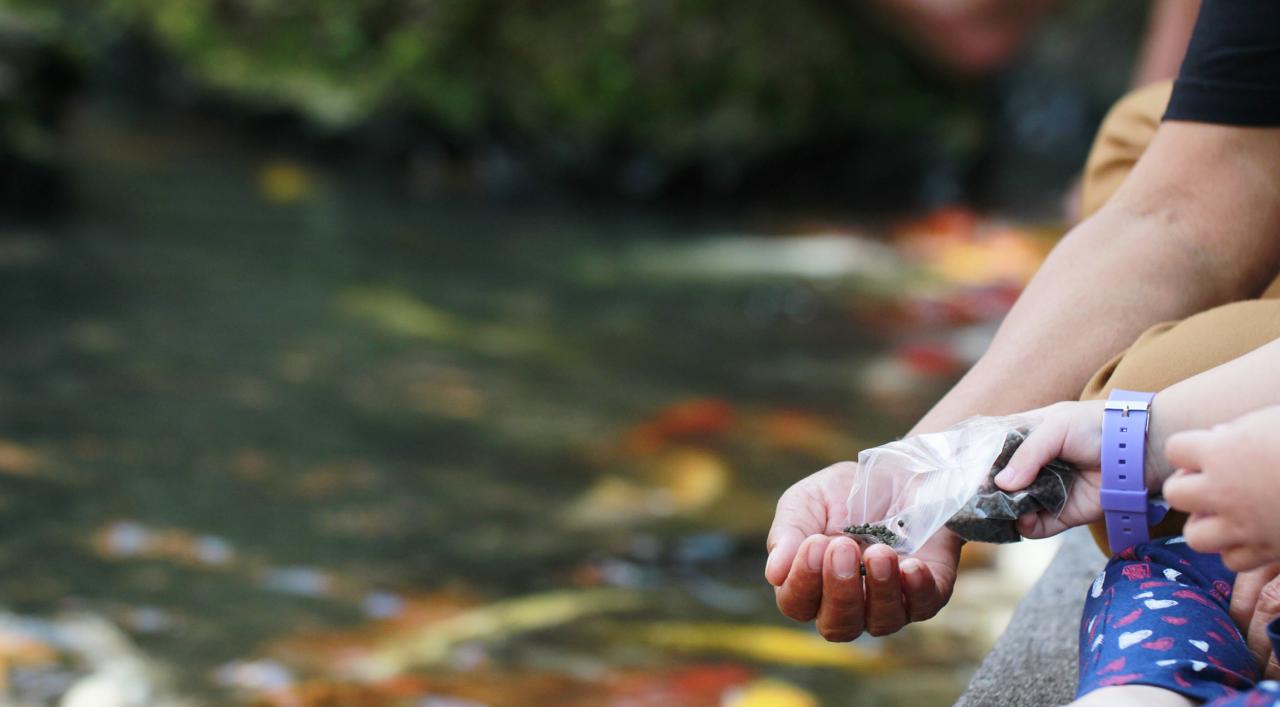
Proper feeding is crucial for maintaining the health, vitality, and longevity of koi fish. Both overfeeding and underfeeding can lead to serious health issues, compromised immune systems, and water quality problems in the pond. Understanding the signs and implementing effective management practices are essential steps in ensuring your koi receive the right amount of nutrition without adverse effects.Overfeeding occurs when koi are provided with more food than they can consume within a few minutes, leading to excess food settling in the pond.
Conversely, underfeeding results from offering insufficient food, which can cause nutritional deficiencies and weakened immune responses. Striking a balance involves recognizing physical signs in the fish, monitoring water quality, and adhering to well-established feeding routines.
Signs of Overfeeding and Underfeeding in Koi Fish
Recognizing early indicators of feeding imbalance helps prevent long-term health problems and water quality deterioration. Koi exhibit specific behaviors and physical changes when they are overfed or underfed.
- Signs of Overfeeding:
- Uneaten food remaining in the pond after feeding sessions, which can decay and pollute the water.
- Cloudy or greenish water resulting from excess nutrients feeding algae blooms.
- Swollen or bloated abdomen in koi, indicating overconsumption.
- Increased waste production, leading to dirty pond conditions.
- Frequent surface gulping or frantic feeding behavior, often due to overeating or food greediness.
- Signs of Underfeeding:
- Visible weight loss or a thin, emaciated appearance in koi.
- Slow growth rates compared to age or standard growth benchmarks.
- Loss of vibrant coloration, especially in varieties known for bright hues.
- Reduced activity levels and sluggish behavior.
- Frequent foraging at the pond bottom, indicating hunger.
Checklist for Monitoring Fish Health Related to Diet
Consistent observation and record-keeping allow koi keepers to fine-tune feeding practices and prevent nutritional issues. The following checklist serves as a practical guide for monitoring your koi’s health in relation to their diet.
- Regular visual assessments of koi’s body condition, noting any signs of emaciation or bloating.
- Monitoring water quality parameters such as ammonia, nitrite, nitrate, and pH levels, which can be affected by feeding habits.
- Observing feeding behavior: koi should eagerly eat within a few minutes of food being offered.
- Tracking growth rates over time, comparing with expected standards for age and variety.
- Checking for physical abnormalities such as swollen fins, lesions, or abnormal coloration changes.
- Maintaining a feeding log to record amounts and types of food fed, as well as any behavioral changes.
- Inspecting pond cleanliness and debris accumulation, especially after feeding, to identify overfeeding issues.
Best Practices for Maintaining Balanced Feeding Habits
Ensuring your koi receive appropriate nutrition requires careful portion control and disciplined feeding routines. Adhering to these best practices can help maintain their health and the pond’s environmental quality.
Portion control is essential: feed only what koi can consume within 5 to 10 minutes. Excess food not only wastes resources but also degrades water quality.
- Divide daily feeding into multiple small portions rather than a single large feeding to promote digestion and reduce waste.
- Adjust portion sizes based on koi size, age, and season, increasing during colder months when digestion slows and decreasing during warmer months.
- Use a consistent feeding schedule to help koi develop routine behaviors and prevent overfeeding.
- Observe koi during feeding to gauge their appetite and adjust amounts accordingly.
- Remove any uneaten food promptly to prevent water pollution and the proliferation of algae and bacteria.
- Incorporate a variety of high-quality, nutritious foods suited to seasonal needs to support optimal health.
- Train yourself to recognize early signs of overfeeding or underfeeding and make necessary adjustments immediately.
Common Mistakes in Feeding Koi Fish and How to Avoid Them
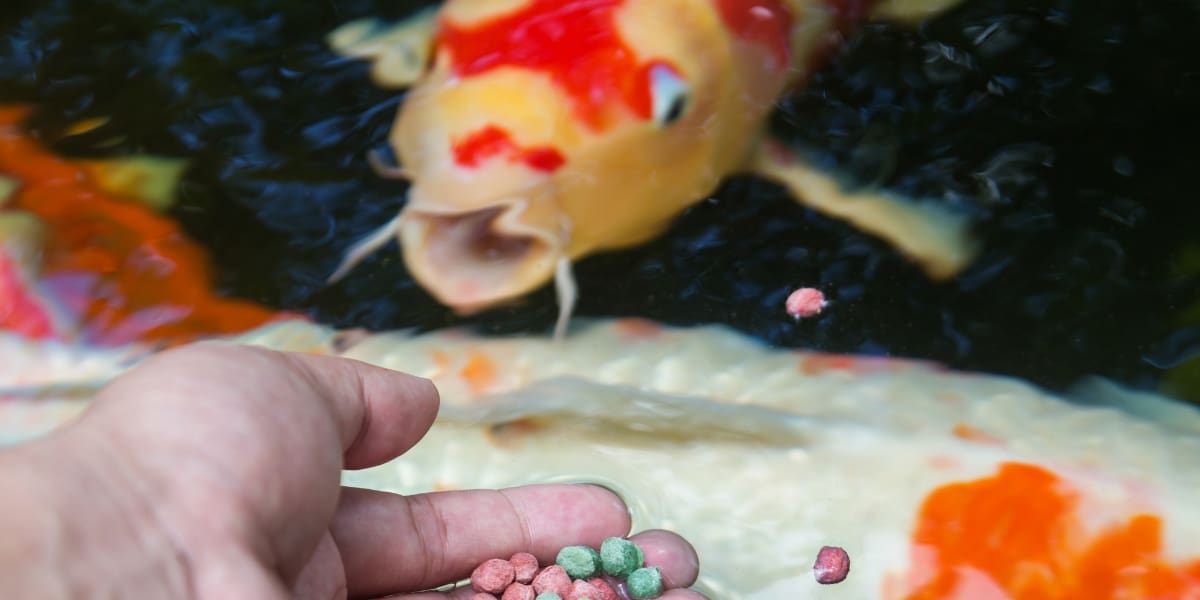
Proper feeding is essential for maintaining healthy, vibrant koi fish. However, many koi enthusiasts, especially beginners, inadvertently make mistakes that can compromise the health of their fish and the quality of their pond environment. Recognizing these common errors and understanding how to prevent them ensures that koi can thrive and display their best colors and behaviors.Feeding errors often stem from a lack of knowledge, impatience, or misconceptions about the nutritional needs of koi.
These mistakes can lead to health issues such as digestive problems, increased water pollution, or stunted growth. Developing awareness and implementing best practices are crucial to fostering a healthy, balanced pond ecosystem.
Overfeeding and Excessive Feeding Frequency
Overfeeding is one of the most prevalent mistakes among koi keepers, often driven by the desire to see their fish grow quickly or to ensure they are well-fed. Providing too much food or feeding too often can overwhelm the koi’s digestive system, leading to bloating, constipation, or swim bladder issues.This overfeeding also results in excess uneaten food, which decomposes and deteriorates water quality.
Elevated ammonia, nitrites, and nitrates from decaying organic matter can cause stress, disease susceptibility, and even death among koi.
- Guideline: Feed only what the koi can consume within 5 minutes, typically 2-3% of their body weight per day, divided into two or three meals.
- Tip: Observe the koi’s behavior; if they finish all the food quickly and remain active, the portion size is appropriate. If leftovers remain, reduce the quantity.
Using Inappropriate or Low-Quality Food
Feeding koi with unsuitable or poor-quality food can lead to nutritional deficiencies or imbalances that impair growth, immune function, and coloration. Many commercial foods contain fillers or low digestibility ingredients that do not meet the dietary needs of koi.Inappropriate food types, such as bread or human snacks, may cause digestive upset or blockages. Relying solely on one type of food without variation may also result in deficiencies in essential nutrients like proteins, lipids, vitamins, and minerals.
- Guideline: Select high-quality, koi-specific pellets or sticks that contain a balanced mix of proteins, spirulina, and other vital nutrients.
- Tip: Supplement with natural foods such as bloodworms, daphnia, or fresh vegetables periodically to enhance nutrition and stimulate natural foraging behaviors.
Inadequate Observation and Response to Fish Health
Ignoring signs of feeding-related health issues or failing to adjust feeding routines accordingly can lead to serious problems. Symptoms like lethargy, bloating, discoloration, or abnormal swimming patterns may indicate overfeeding, underfeeding, or poor water quality caused by improper nutrition.Monitoring koi behavior and physical condition is essential for early intervention. Promptly addressing issues related to feeding helps prevent long-term health problems and maintains a balanced pond environment.
- Guideline: Regularly inspect koi for signs of distress or illness, especially after feeding or during seasonal changes.
- Tip: Consult with aquatic veterinarians or experienced koi keepers when detecting unusual symptoms to identify and correct feeding-related causes.
Educational Gaps and Misinformation for New Koi Keepers
New koi enthusiasts may rely on anecdotal advice, social media tips, or outdated practices that do not align with current best practices. This misinformation can lead to improper feeding habits, compromising koi health and pond quality.Proper education and scenario-based guidance are vital in helping beginners develop effective feeding routines. For example, teaching a new keeper that feeding frequency should decrease as water temperatures drop, or explaining the importance of observing koi’s feeding responses, fosters responsible and informed care.
“Understanding that overfeeding and poor-quality food are leading causes of koi health problems empowers keepers to implement better practices from the start.”
- Example Scenario: A new pond owner notices their koi are sluggish and have dull coloration. Upon review, they realize they are feeding excessive amounts of low-quality pellets twice daily, and the water quality has declined. Adjusting to proper portions, switching to high-quality diet, and reducing feeding frequency during colder months improved the koi’s health and pond conditions.
Final Wrap-Up
In conclusion, mastering how to feed koi fish properly is vital for their well-being and your pond’s ecosystem. By understanding their nutritional needs, choosing suitable foods, and adjusting practices seasonally, you can promote healthy growth and prevent common feeding mistakes. Consistent, informed feeding practices will lead to a vibrant and thriving koi pond that you can enjoy for years to come.